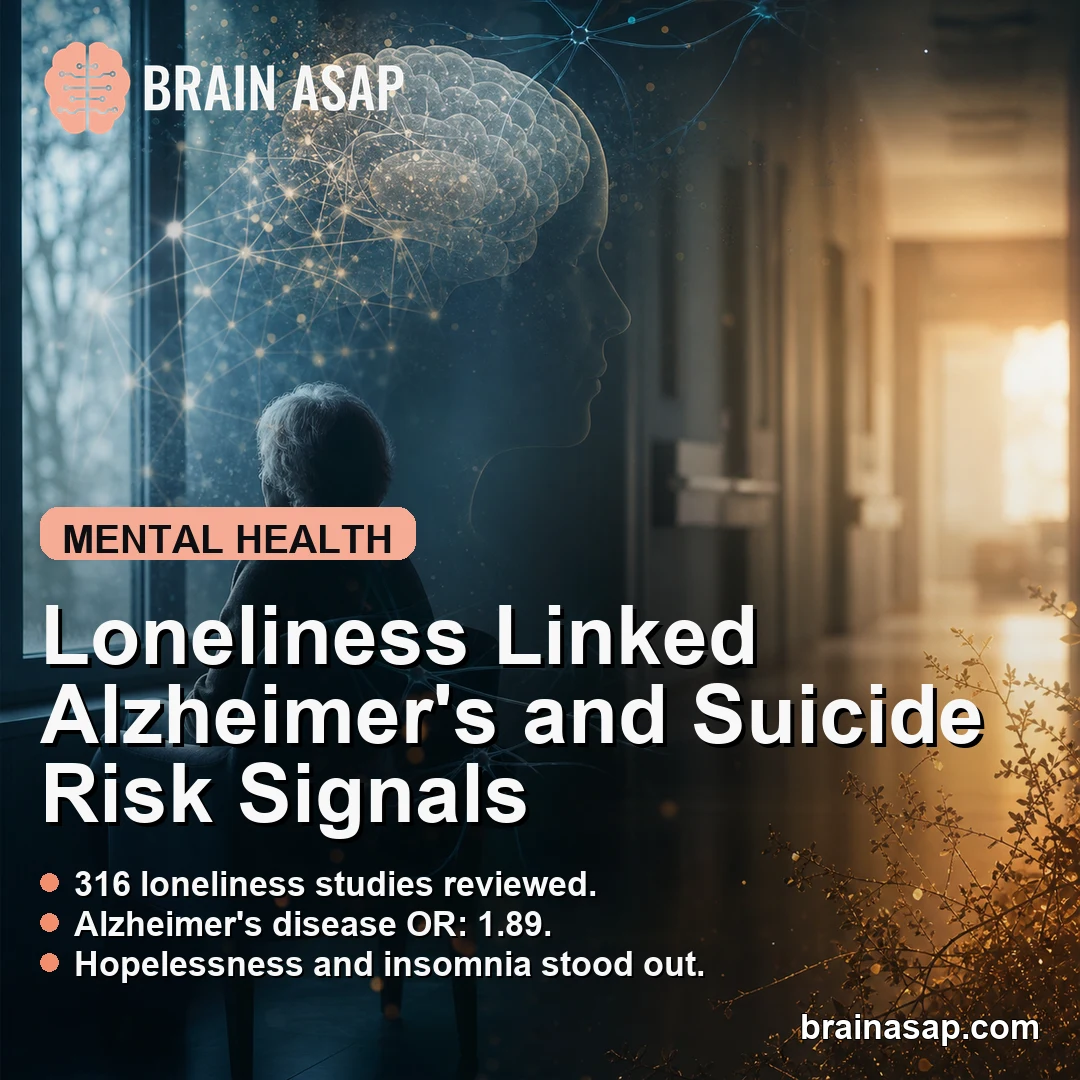
TL;DR: A 2026 systematic review and meta-analysis in Psychogeriatrics linked loneliness with Alzheimer’s disease and several forms of suicidal behavior, with especially strong shared correlations for hopelessness, insomnia, entrapment, and stress. Key Findings…
Read article ↗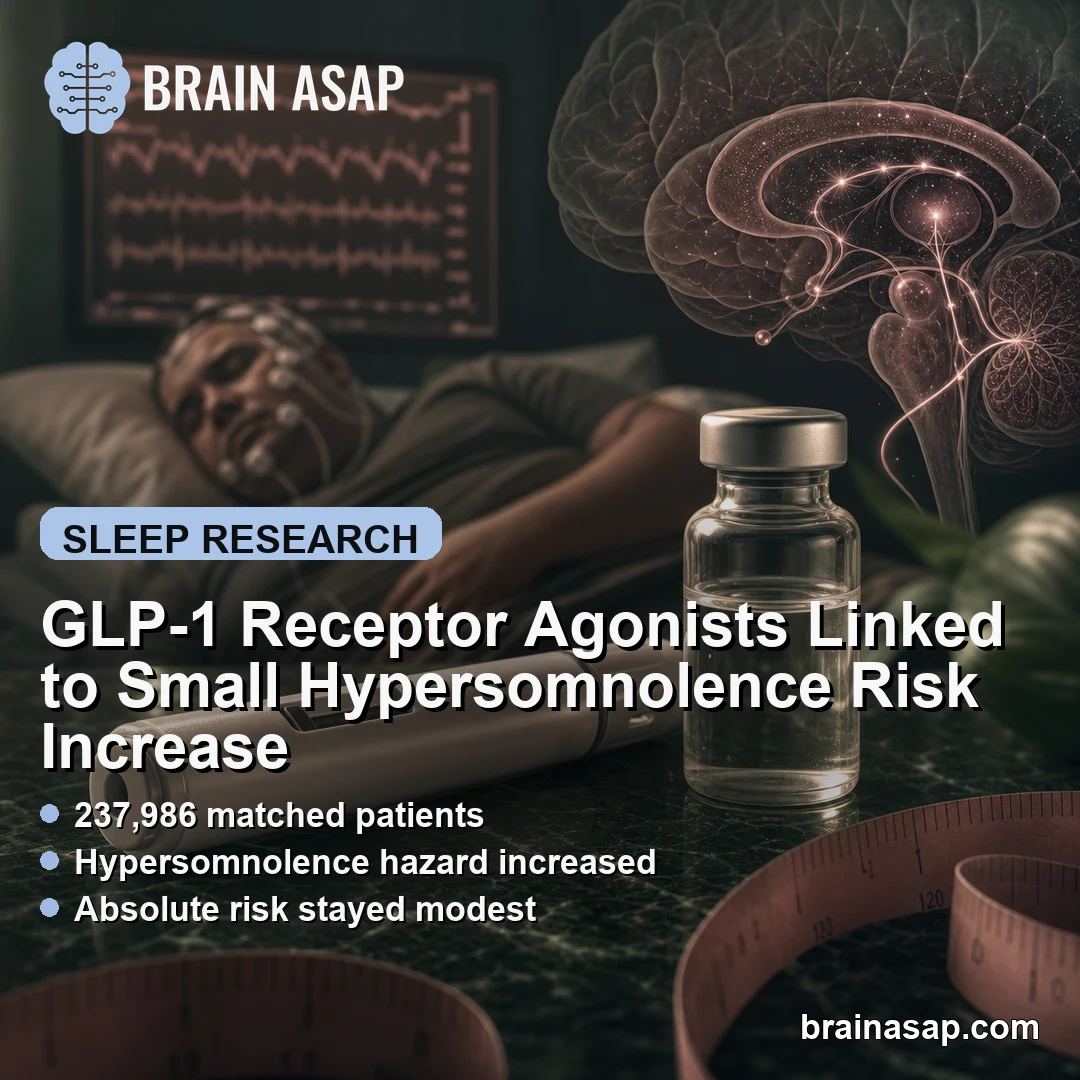
TL;DR: A 2026 real-world cohort study in Journal of Diabetes & Metabolic Disorders linked GLP-1 receptor agonists, drugs targeting a glucose-related metabolic hormone pathway, to a higher hazard of new hypersomnolence, but the absolute risk increase was small.…
Read article ↗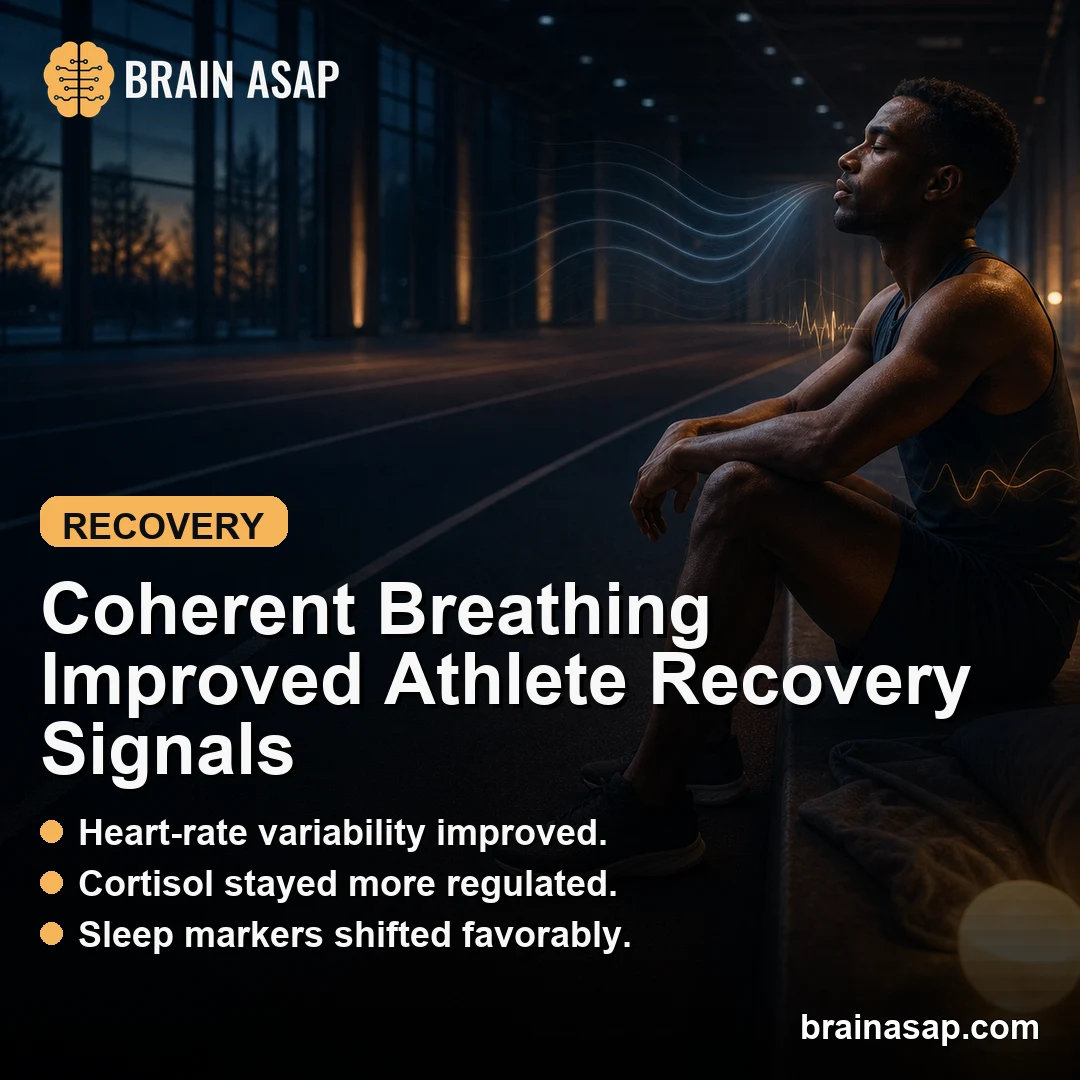
TL;DR: A 2026 randomized study in The Journal of Strength and Conditioning Research found that coherent breathing, a slow 6-breaths-per-minute breathing routine, improved several recovery markers in highly trained 400-meter athletes under repeated race stress…
Read article ↗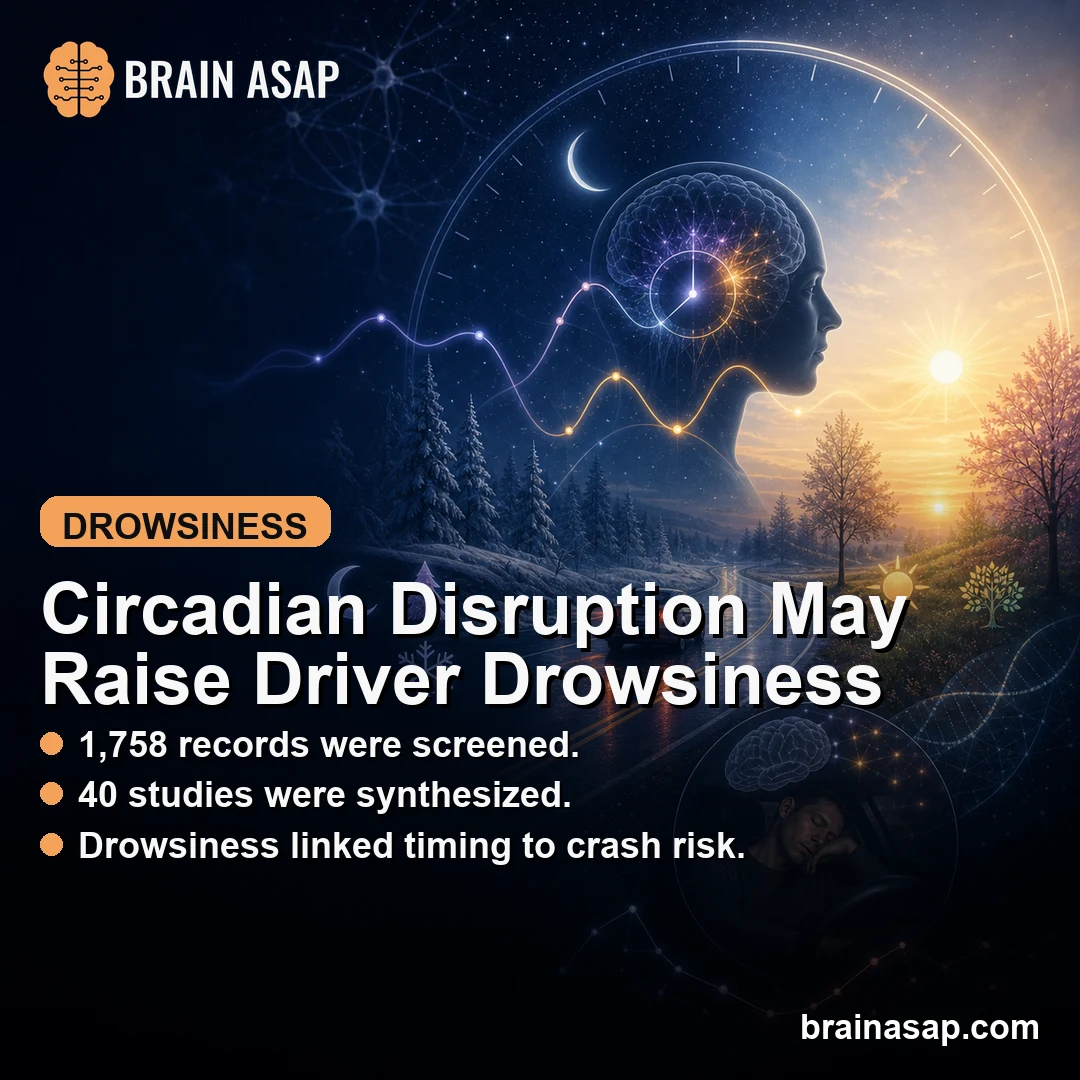
TL;DR: A 2026 scoping review in Sleep Science linked seasonal timing, daylight exposure, daylight saving time (DST), sleep-wake rhythm disruption, and driver drowsiness to traffic-crash risk, but found that few studies directly integrate seasonality with chron…
Read article ↗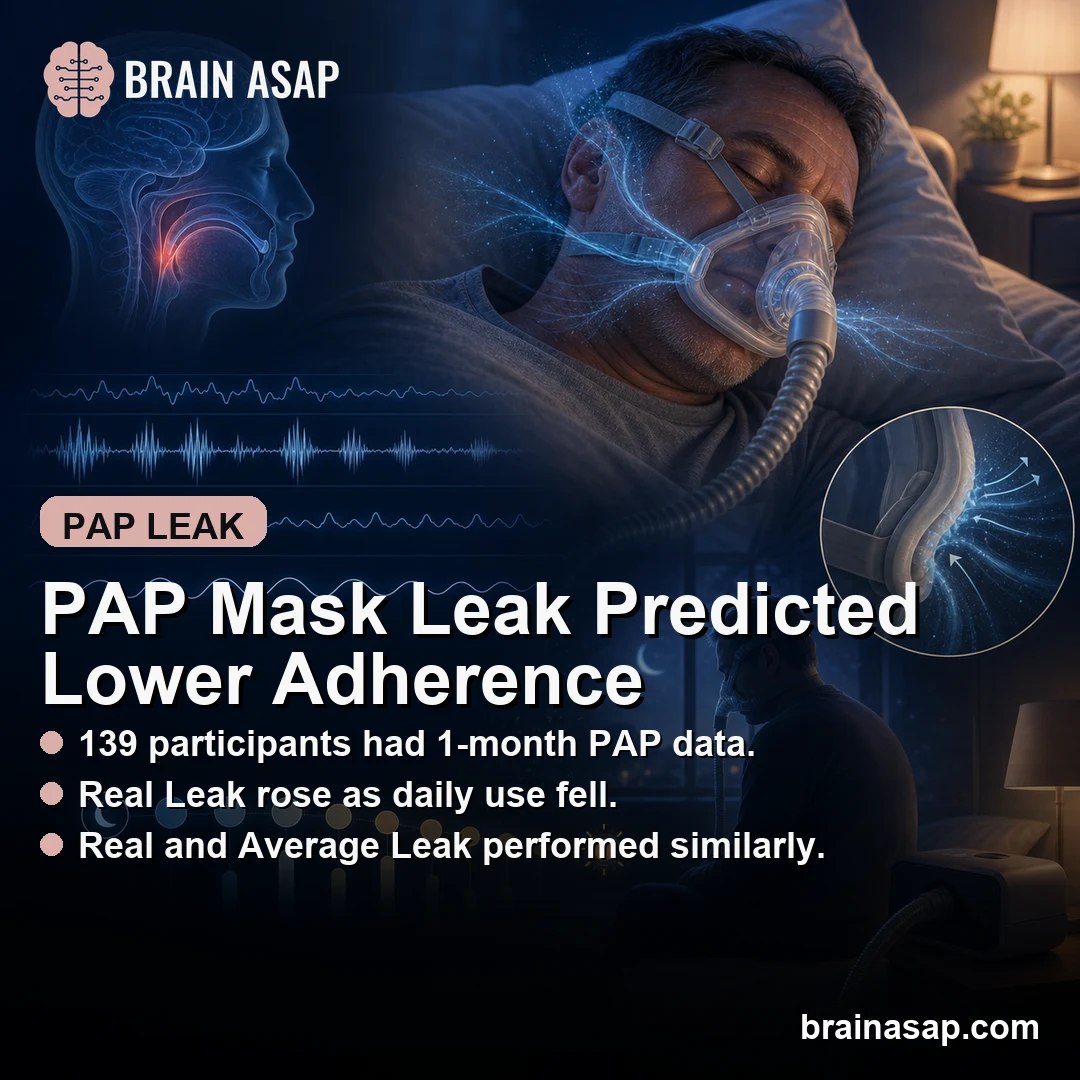
TL;DR: A 2026 HomePAP secondary analysis in Journal of Clinical Sleep Medicine found that higher PAP mask leak predicted lower obstructive sleep apnea treatment adherence, but a new Real Leak measure, unintentional leak after subtracting expected mask leak, di…
Read article ↗
TL;DR: A 2026 qualitative analysis in PLOS One used 505 ME/CFS memorial entries to map how systemic neglect, clinical dismissal, social isolation, and personal burden appeared in accounts of illness and death. Key Findings 505 memorial entries: The analysis us…
Read article ↗
TL;DR: A 2026 meta-analysis in Sleep and Breathing found that GLP-1 drugs, metabolic hormone medications involved in glucose, appetite, and weight regulation, were linked to fewer obstructive sleep apnea breathing events in adults with obesity. Key Findings Sl…
Read article ↗
TL;DR: A 2026 cross-sectional study in Nature and Science of Sleep linked 9 hours or less of nighttime sleep with higher parent-rated anxiety scores in 1,589 preschool children in China, but the design can show association rather than prove that shorter sleep…
Read article ↗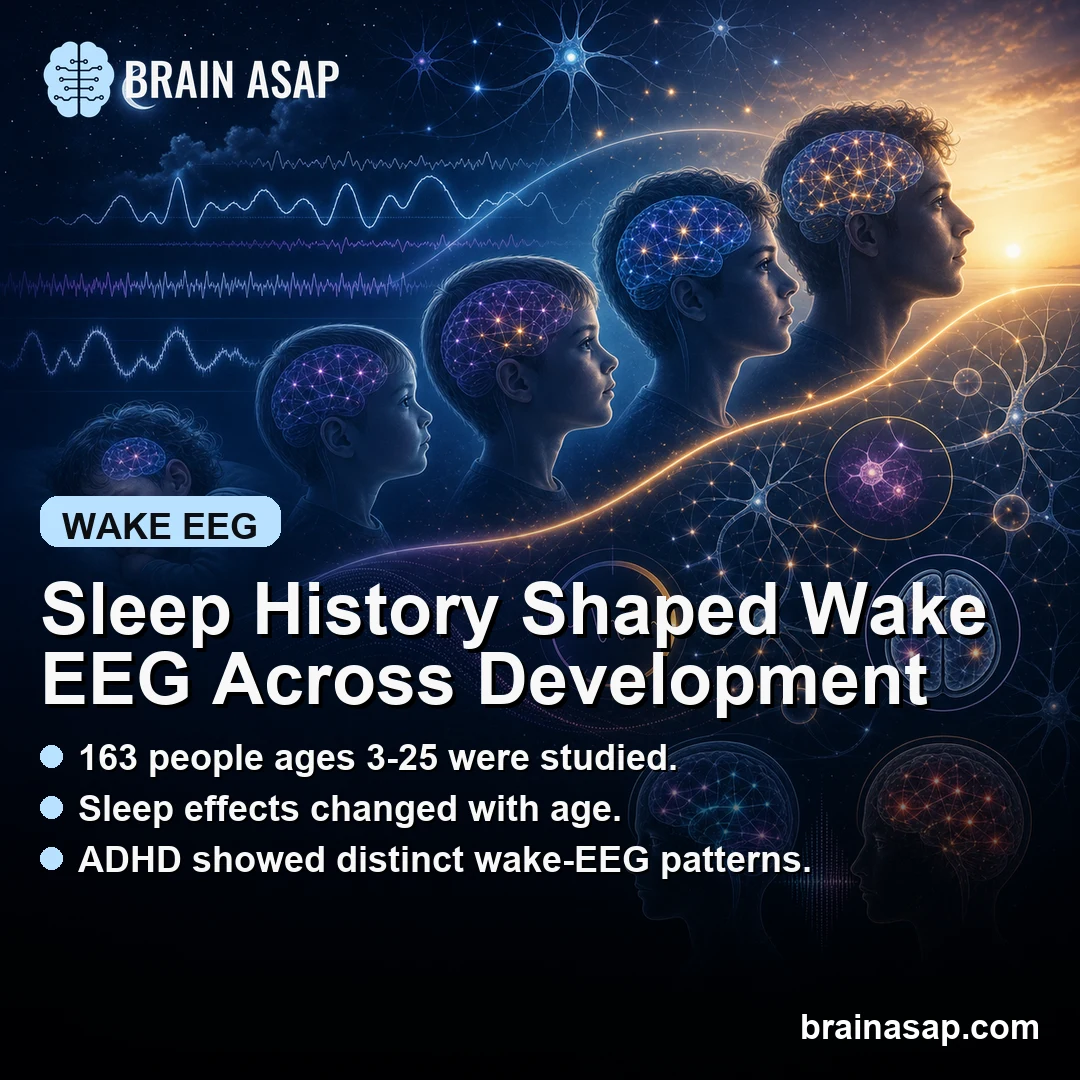
TL;DR: A 2026 eNeuro study of 163 people ages 3-25 found that sleep history and age shaped waking electroencephalography (EEG) oscillations, while children with ADHD showed distinct sleep-wake EEG patterns. Key Findings Sleep and development interact to shape…
Read article ↗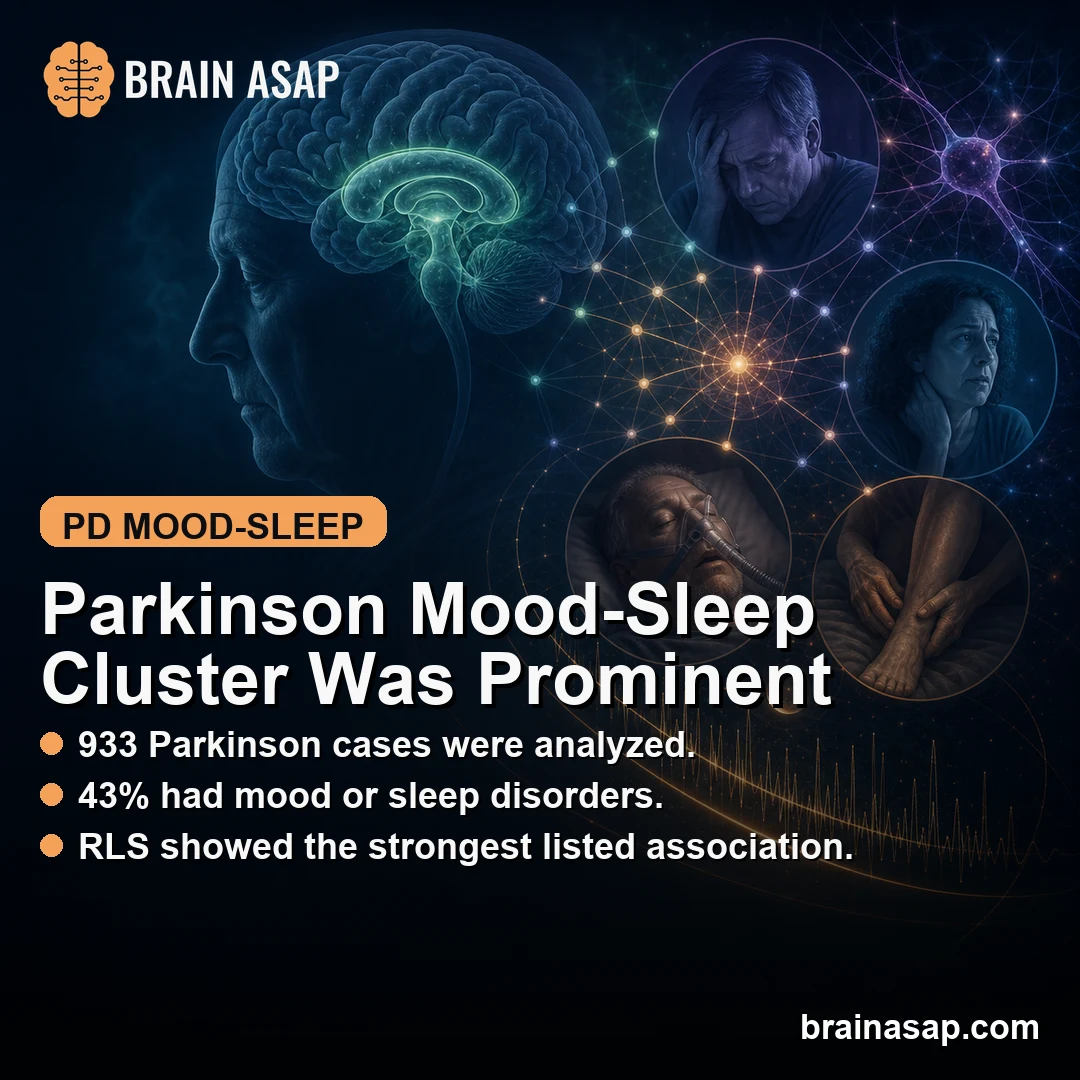
TL;DR: A 2026 preprint on medRxiv using the Harvard Biomarkers Study found that 43% of Parkinson’s disease patients had depression, anxiety, sleep apnea, or restless legs syndrome, compared with 21% of controls. Key Findings 1,224-person cohort: Researchers an…
Read article ↗