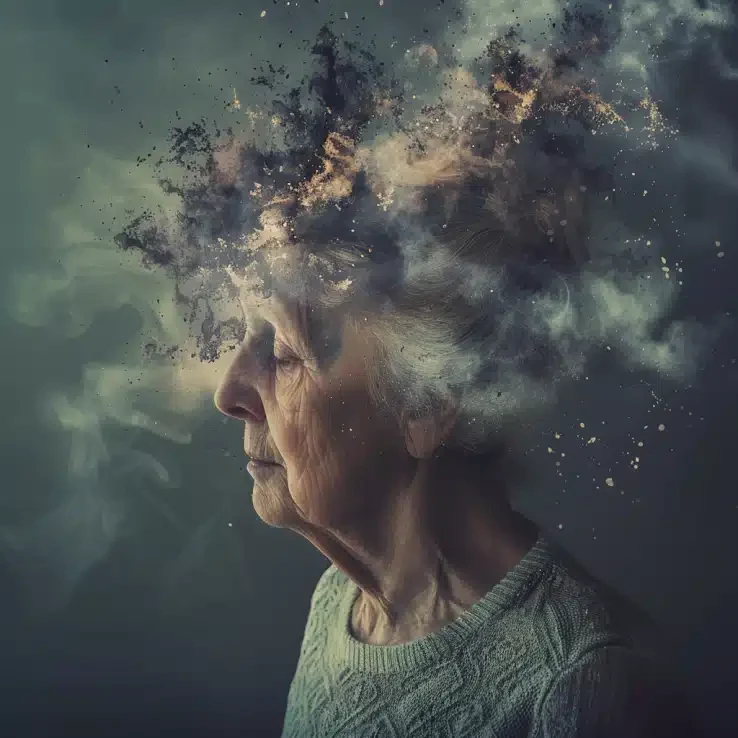
Women experiencing midlife stress-related exhaustion have a higher risk of developing dementia at a younger age and exhibit long-term cognitive impairments. Highlights: Higher Dementia Risk: Women with midlife stress-related exhaustion had a nearly threefold i…
Read article ↗
Long-term practitioners of Orgasmic Meditation (OM) show distinct patterns of reduced brain metabolism compared to non-meditators, with significant differences in various brain regions involved in cognition, attention, and emotional regulation. Highlights: Red…
Read article ↗
The naturally occurring peptide BPC 157 shows potential to treat stroke, schizophrenia symptoms, and spinal cord injury in animal models. Key facts: BPC 157 rapidly counteracted stroke damage and led to full recovery of memory, coordination and movement in rat…
Read article ↗
Phthalates, a class of chemicals used to make plastics more flexible and durable, may impact health across multiple generations. New research suggests phthalate exposure in one generation can lead to adverse effects in subsequent generations through changes in…
Read article ↗
A new study tracked changes in brain volume in depressed patients after electroconvulsive therapy (ECT or “electroshock therapy”). The study found that ECT led to increases in gray matter (brain tissue), which then decreased substantially over the next 2 years…
Read article ↗
A new study published in Nature Medicine has identified two biological profiles, based on routine blood tests during COVID-19 hospitalization, that can predict patients’ risk of developing post-COVID brain fog months later. Key Facts: The study analyzed data f…
Read article ↗