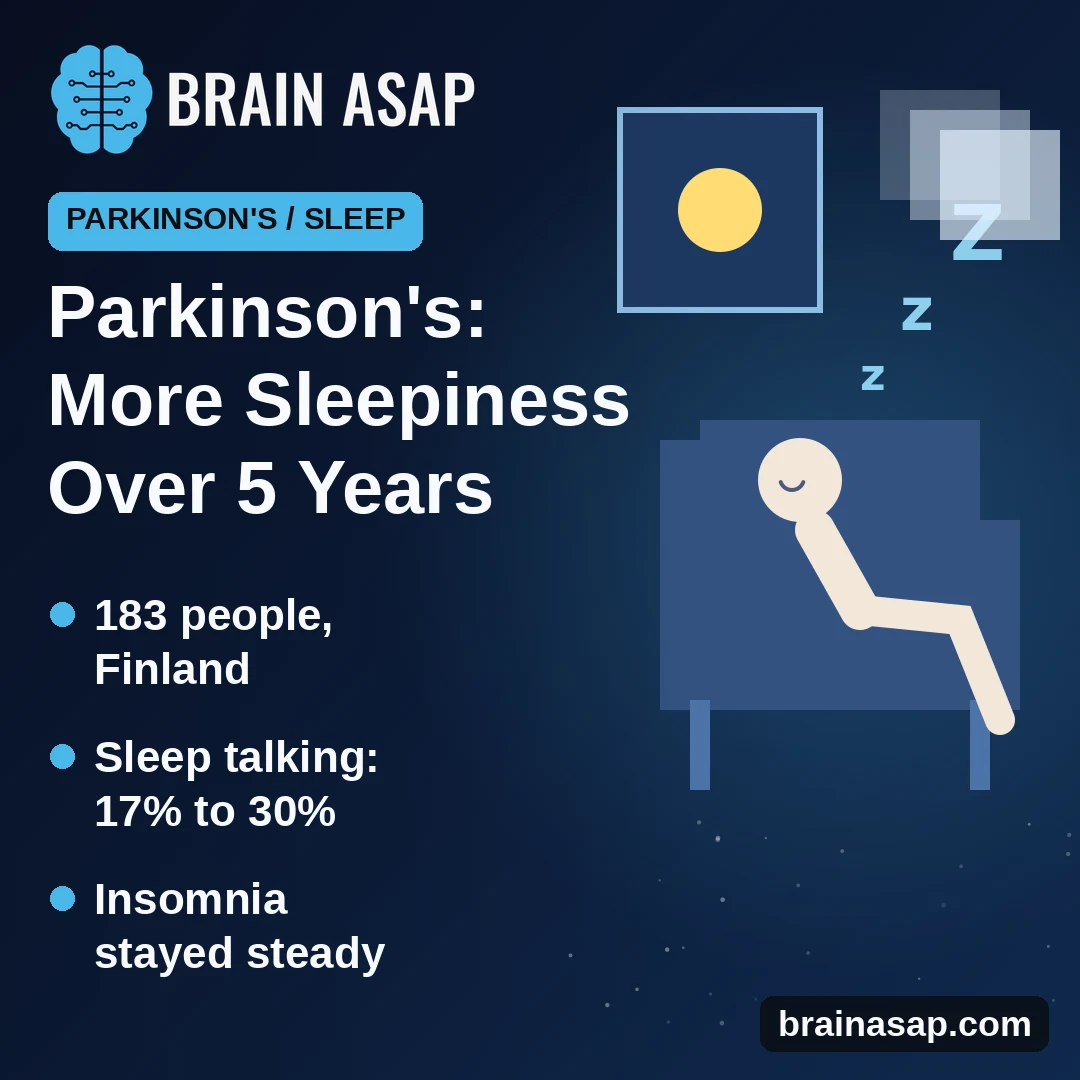
TL;DR: Among 183 people with Parkinson’s in Finland, daytime sleepiness, napping, restless legs, sleep talking and nightmares all became more common over five years. Insomnia stayed about the same. Key Findings Daytime sleepiness: 31% to 39%. Daily naps: 21% t…
Read article ↗
TL;DR: A 2026 meta-analysis in Neurological Sciences pooled 10 studies that gave people with Parkinson’s disease, tested while on their dopamine medication, and healthy adults the same “think of as many ideas as you can” tasks. On average, the two groups score…
Read article ↗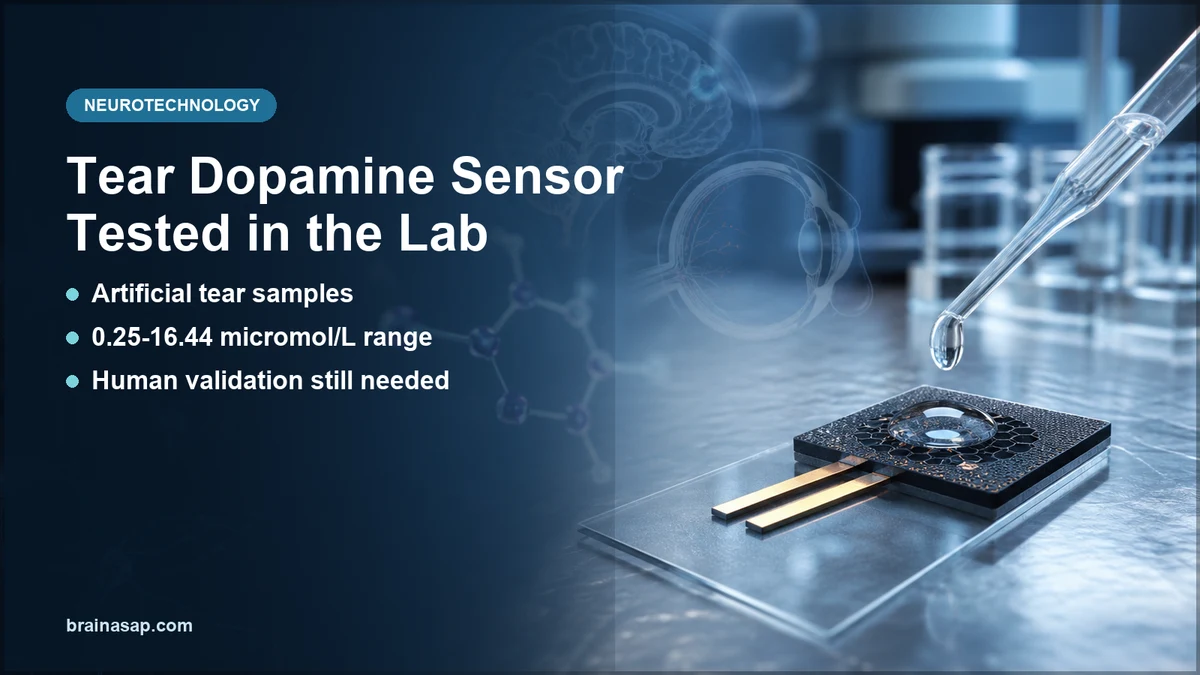
TL;DR: A 2026 laboratory study in ACS Omega reported that a laser-induced graphene sensor detected dopamine across a controlled range in artificial human tears, supporting a possible noninvasive biomarker-monitoring route that still needs real human tear testi…
Read article ↗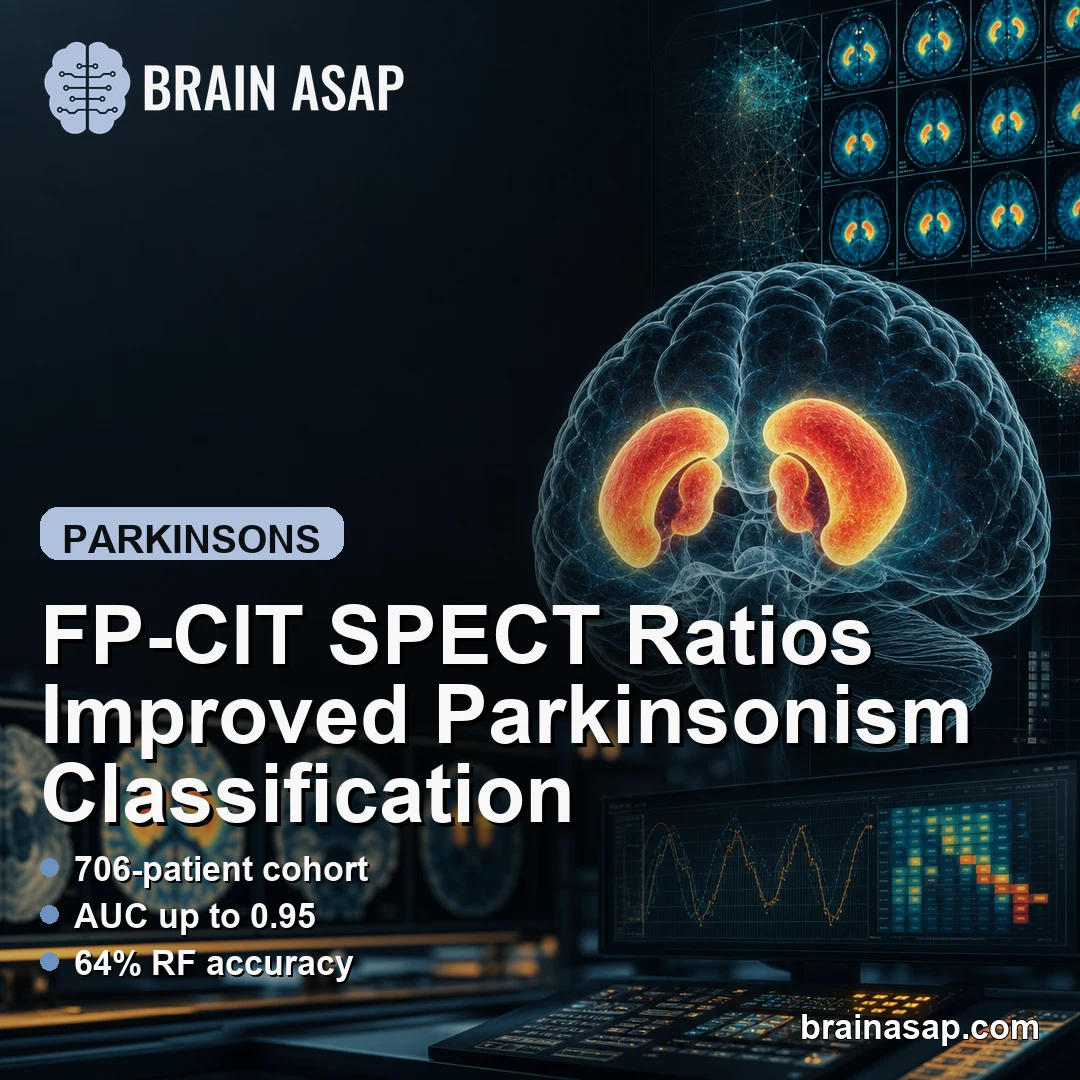
TL;DR: A 2026 study in European Journal of Nuclear Medicine and Molecular Imaging found that semiquantitative [123I]FP-CIT SPECT metrics, especially caudate-to-putamen and sensorimotor-to-limbic ratios, helped distinguish Parkinson’s disease from atypical park…
Read article ↗
TL;DR: A 2026 narrative review in Molecular Psychiatry argues that depression in Alzheimer’s disease and Parkinson’s disease follows disease-specific brain mechanisms, while standard antidepressant evidence remains weak in these neurodegenerative populations.…
Read article ↗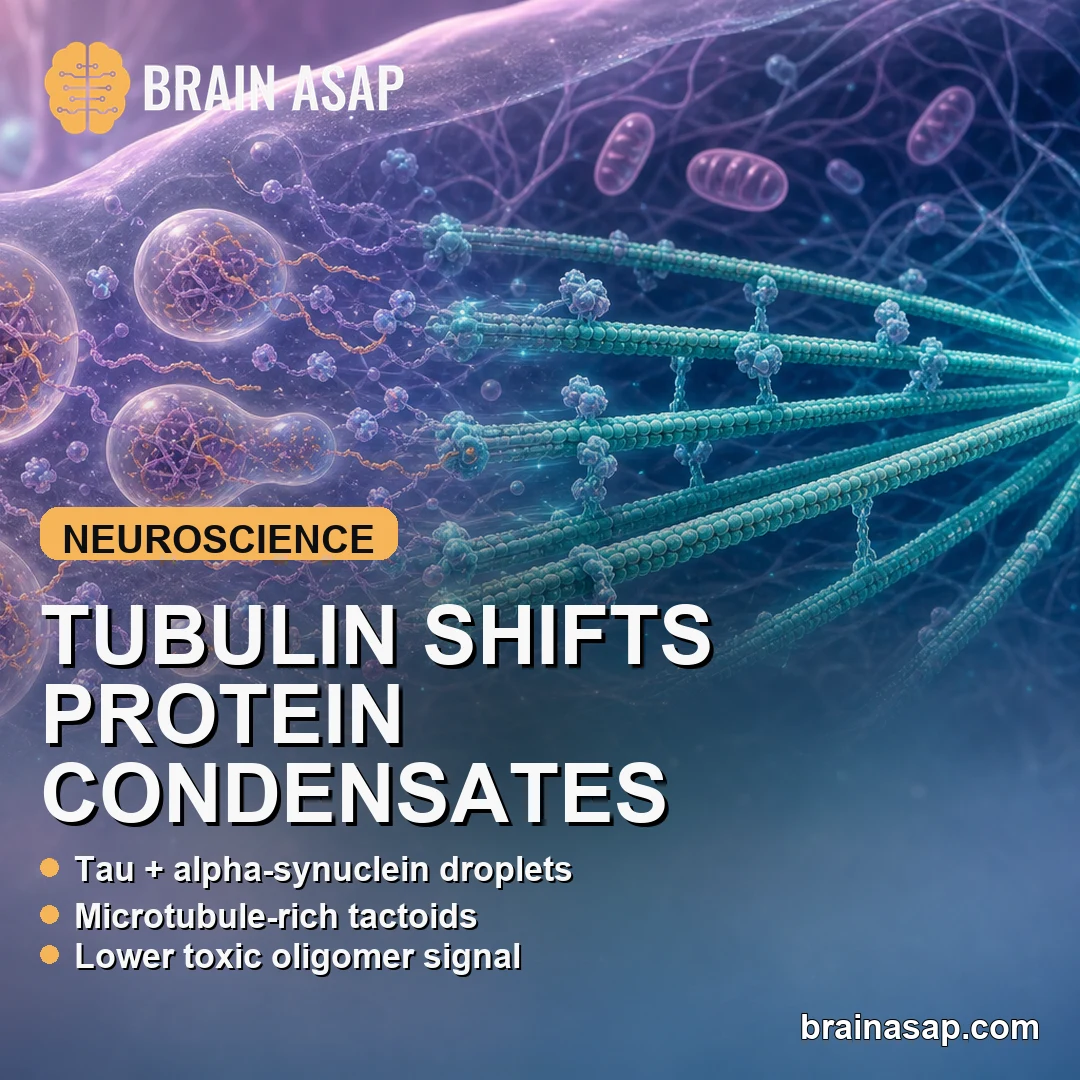
TL;DR: A 2026 study in Nature Communications reported that tubulin redirected Tau and alpha-synuclein condensates toward microtubule-building states, while tubulin loss pushed the same protein system toward toxic oligomers in cell models. Key Findings 36-hour…
Read article ↗
TL;DR: A 2026 randomized feasibility trial in Nature Medicine found that gait-synchronized adaptive deep brain stimulation was feasible and safe in 5 people with Parkinson’s disease, with early findings of improved gait symmetry, lower variability, and fewer r…
Read article ↗
TL;DR: A 2026 review in Drug Design, Development and Therapy argued that glucagon-like peptide-1 (GLP-1) receptor agonists, drugs that mimic a metabolic hormone involved in glucose control, have credible brain-protection mechanisms, but clinical evidence for n…
Read article ↗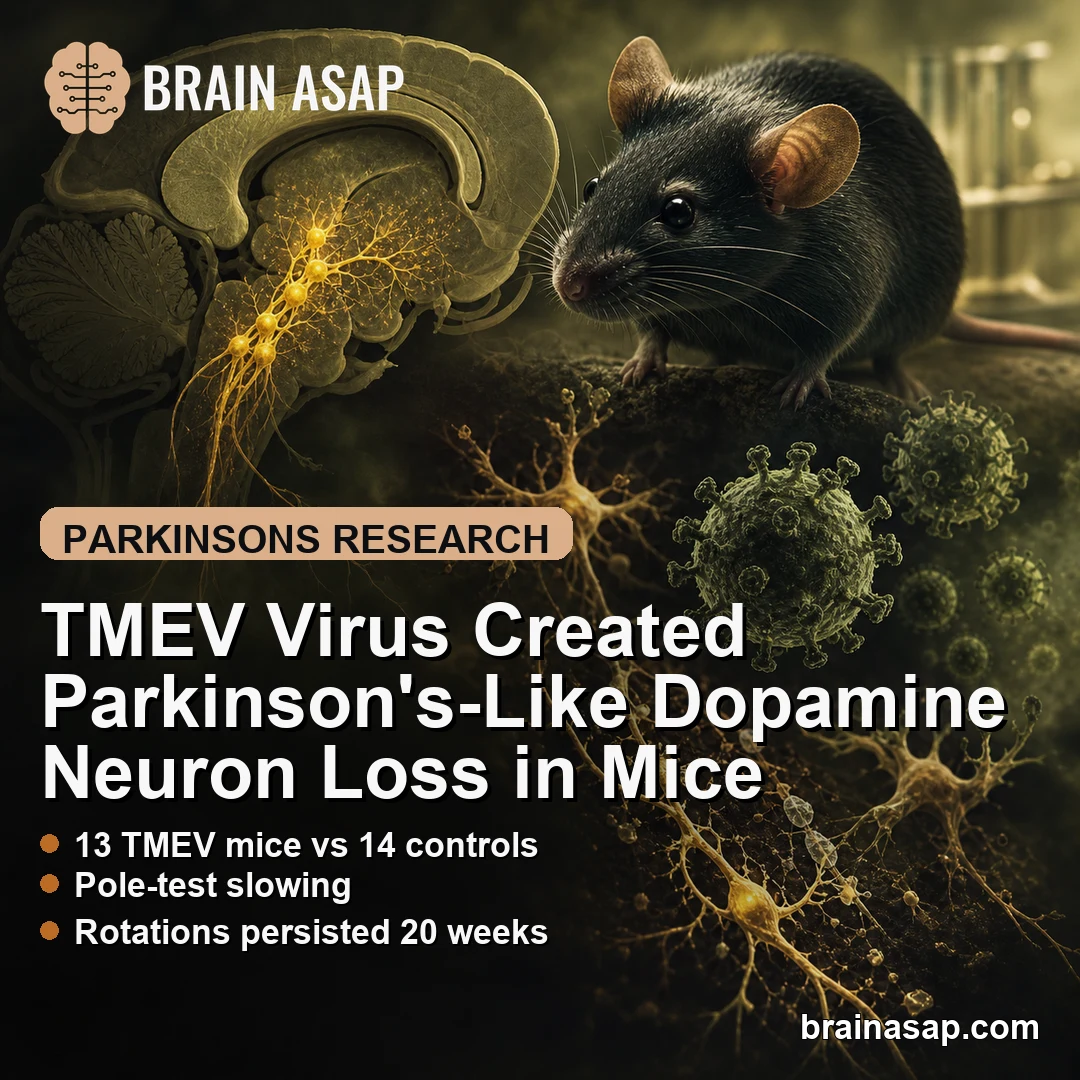
TL;DR: A 2026 study in Brain, Behavior, & Immunity – Health reported that Theiler’s murine encephalomyelitis virus (TMEV), a mouse neurotropic virus, infected substantia nigra dopamine neurons and produced Parkinson’s-like motor deficits in mice. Key Findings…
Read article ↗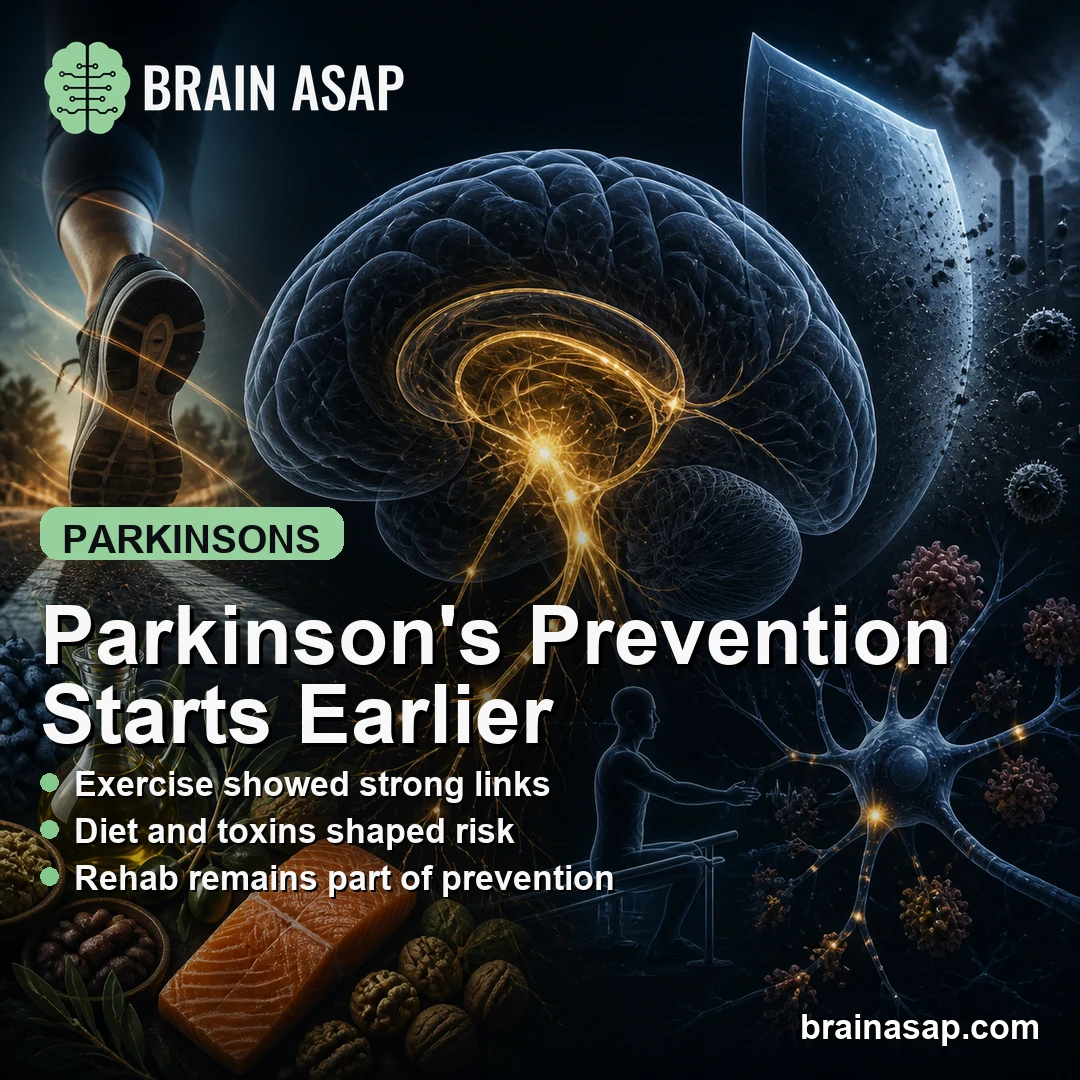
TL;DR: A 2026 narrative review in Neurological Research and Practice argued that Parkinson’s prevention is most actionable through physical activity, Mediterranean-style diet patterns, toxin reduction, earlier prodromal detection, and better rehabilitation aft…
Read article ↗