Stroke Neural Slowing on EEG Linked to Thalamic Degeneration
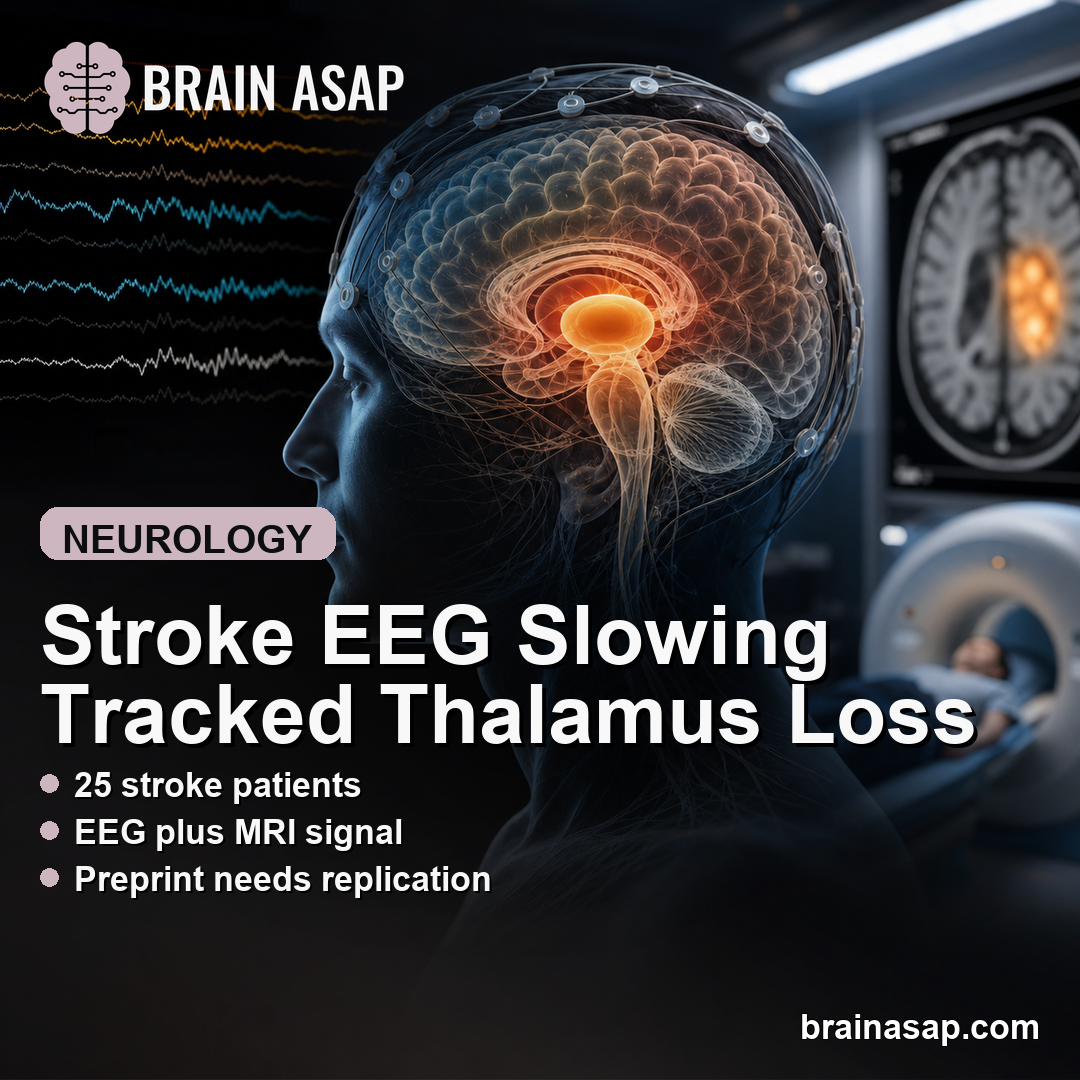
Stroke Neural Slowing on EEG Linked to Thalamic Degeneration

TL;DR: A 2026 preprint posted on medRxiv reported that resting-state electroencephalography (EEG) neural slowing after stroke tracked secondary thalamic degeneration measured on structural MRI, even though the sampled patients did not have direct thalamic lesions. Key Findings 25 stroke patients: Researchers studied adults at least 3 months after unilateral supratentorial stroke and compared their resting-state …
Read more

Tanshinone IIA Review Maps Cerebrovascular Protection Mechanisms

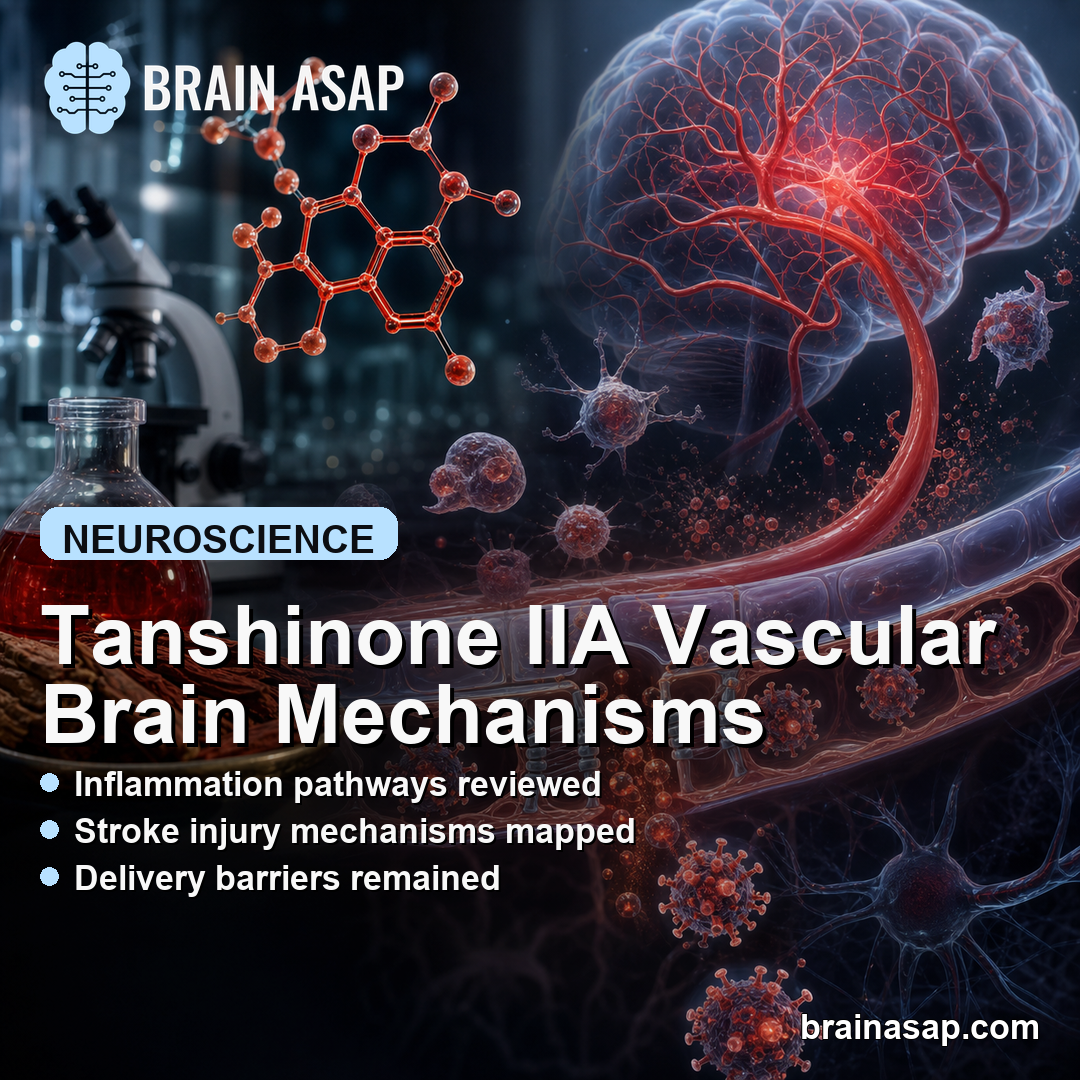
Tanshinone IIA Review Maps Cerebrovascular Protection Mechanisms

TL;DR: A 2026 review in International Journal of Molecular Medicine summarized how tanshinone IIA, a compound from Salvia miltiorrhiza, may protect cardiovascular and cerebrovascular tissue through anti-inflammatory, antioxidant, anti-apoptotic, and nanodelivery-linked mechanisms. Key Findings Four mechanism families: The review grouped tanshinone IIA activity around inflammation, oxidative stress, apoptosis/fibrosis, and pathway regulation. Three named pathways: TLR4/NF-kB, …

Read more

Neural Extracellular Matrix Remodeling Shapes Neurological Disease and Brain Plasticity

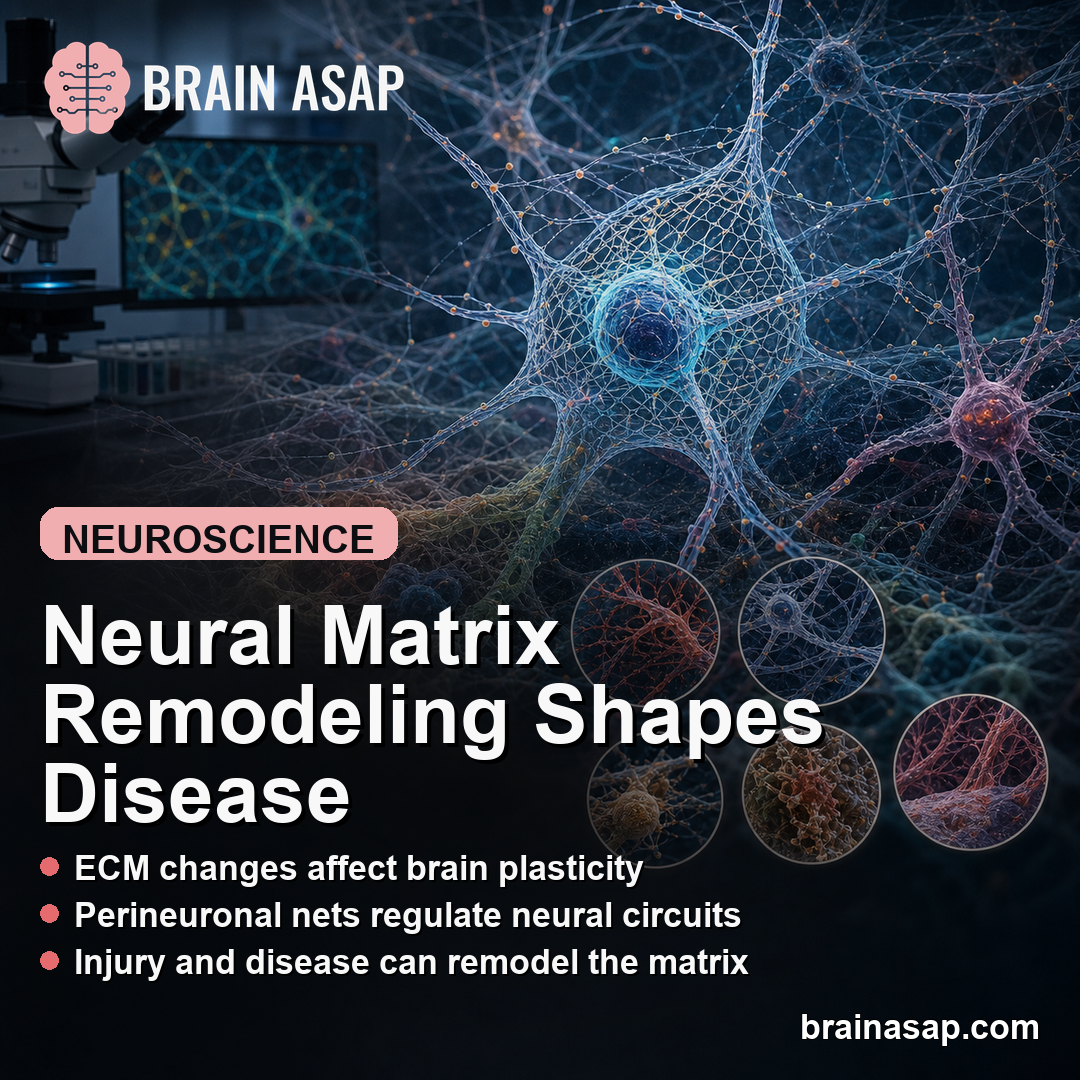
Neural Extracellular Matrix Remodeling Shapes Neurological Disease and Brain Plasticity

TL;DR: A 2026 review in Nature Reviews Neurology argued that neural extracellular matrix (ECM), the protein-and-glycan scaffold around central nervous system cells, is an active regulator of brain plasticity and neurological disease. Key Findings Multiple ECM forms: The review describes perineuronal nets, perisynaptic ECM, periaxonal coats, and diffuse interstitial ECM. Brain function link: Neural ECM …

Read more

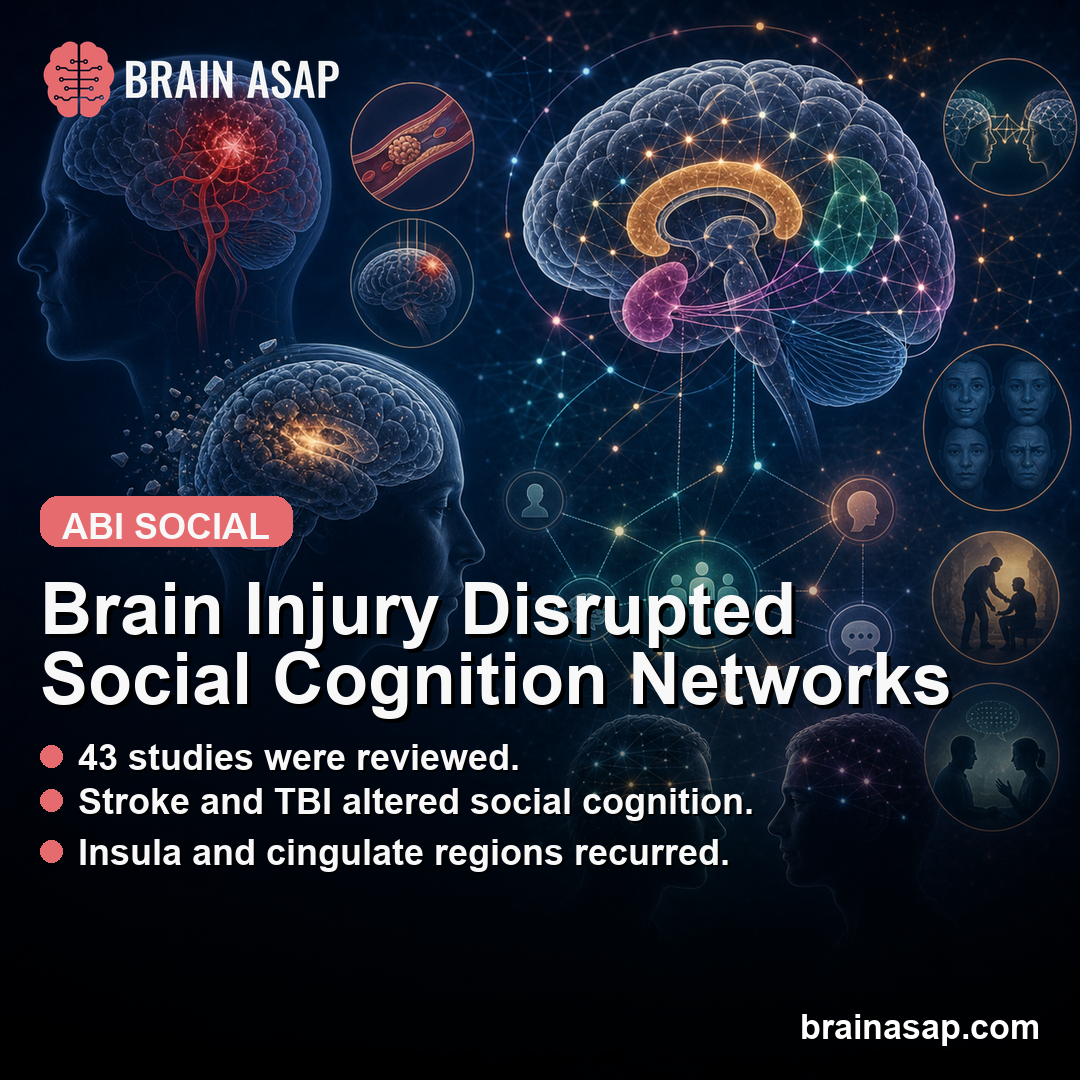
Social Cognition Deficits After Brain Injury Involved Distributed Networks

Social Cognition Deficits After Brain Injury Involved Distributed Networks

TL;DR: A 2026 systematic review in Cognitive, Affective, & Behavioral Neuroscience found that stroke and traumatic brain injury populations showed consistent social cognition alterations across domains, while insula, cingulate cortex, middle frontal gyrus, and corpus callosum were repeatedly implicated. Key Findings Study type: a PRISMA-guided systematic review of social cognition domains after stroke and traumatic …

Read more

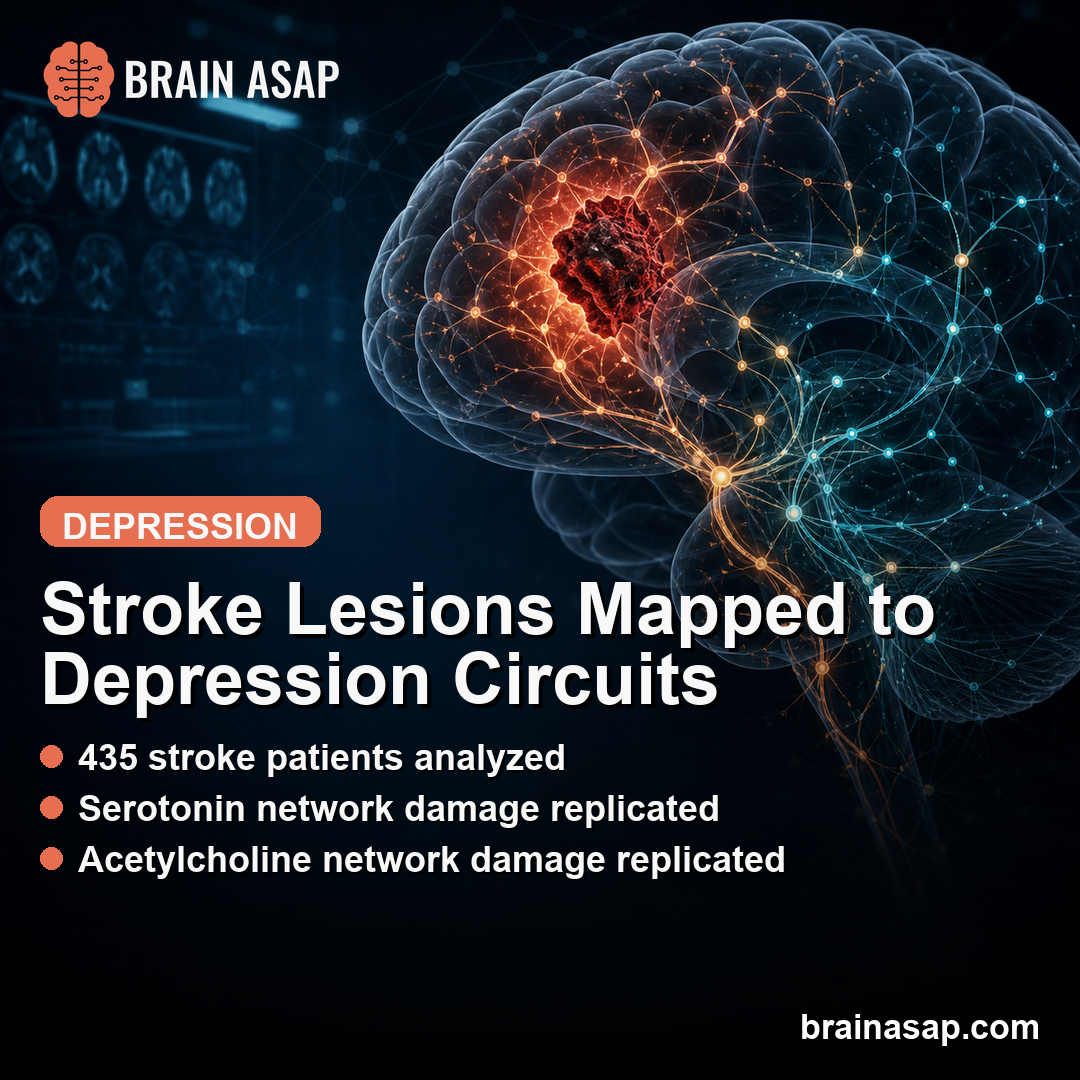
Post-Stroke Depression Linked to Serotonin and Acetylcholine Network Damage

Post-Stroke Depression Linked to Serotonin and Acetylcholine Network Damage

TL;DR: A 2026 medRxiv preprint linked post-stroke depressive symptoms to stroke damage in serotonin-transporter and acetylcholine-transporter weighted brain networks, suggesting depression risk after stroke may depend partly on which neurochemical circuits a lesion disrupts. Key Findings 435 stroke patients analyzed: Researchers combined two independent cohorts, Leipzig and Oxford, after exclusions for missing clinical variables and …

Read more

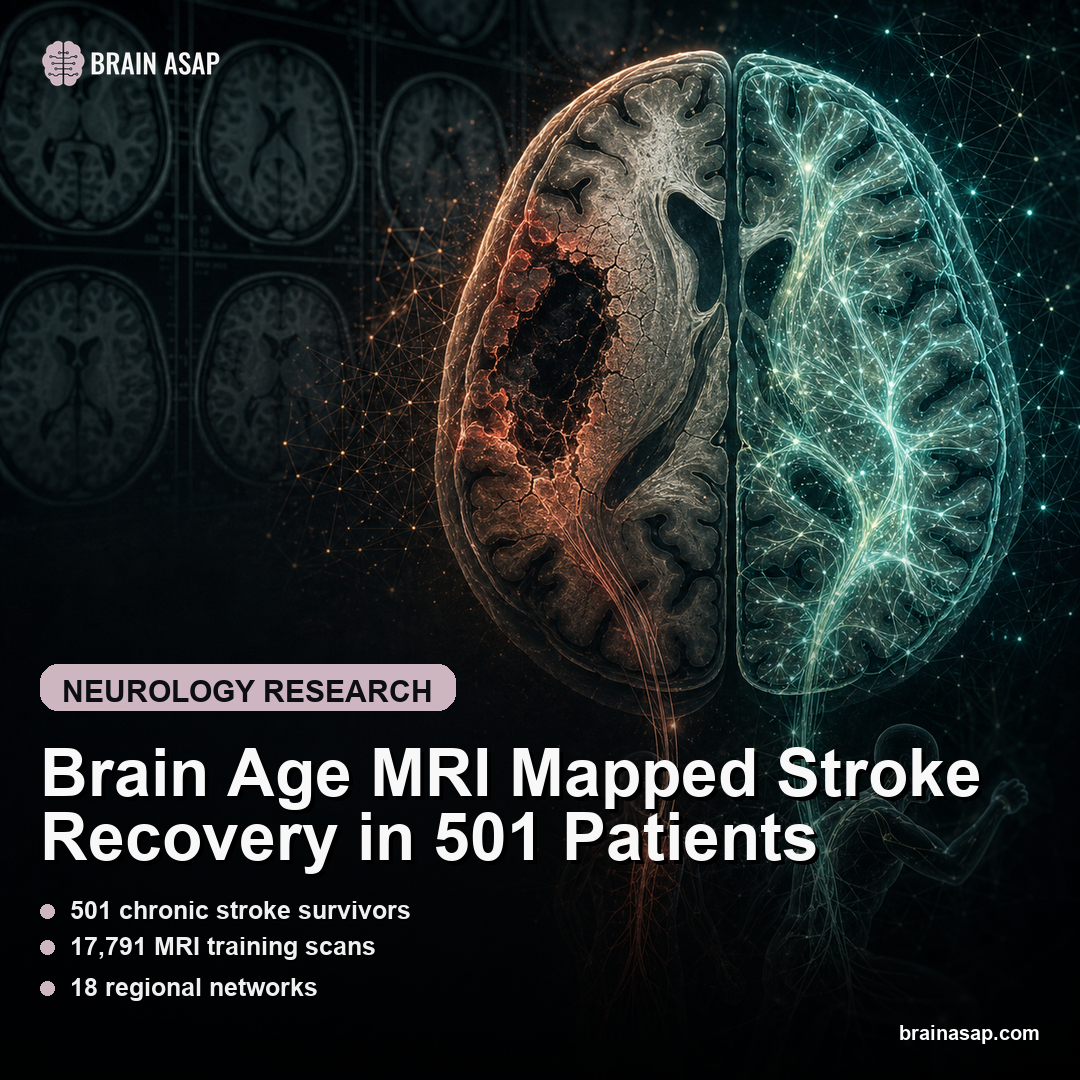
MRI Brain Age Mapped Stroke Recovery in 501 Patients

Brain Age MRI Mapped Stroke Recovery in 501 Patients

Brain Age MRI Mapped Stroke Recovery in 501 Patients TL;DR: A Lancet Digital Health ENIGMA study found that larger stroke lesions made the damaged hemisphere look biologically older, while severe motor impairment was linked to younger-appearing contralesional networks, likely reflecting compensation. Key Findings 501 chronic stroke survivors: The ENIGMA Stroke Recovery Working Group dataset included …

Read more

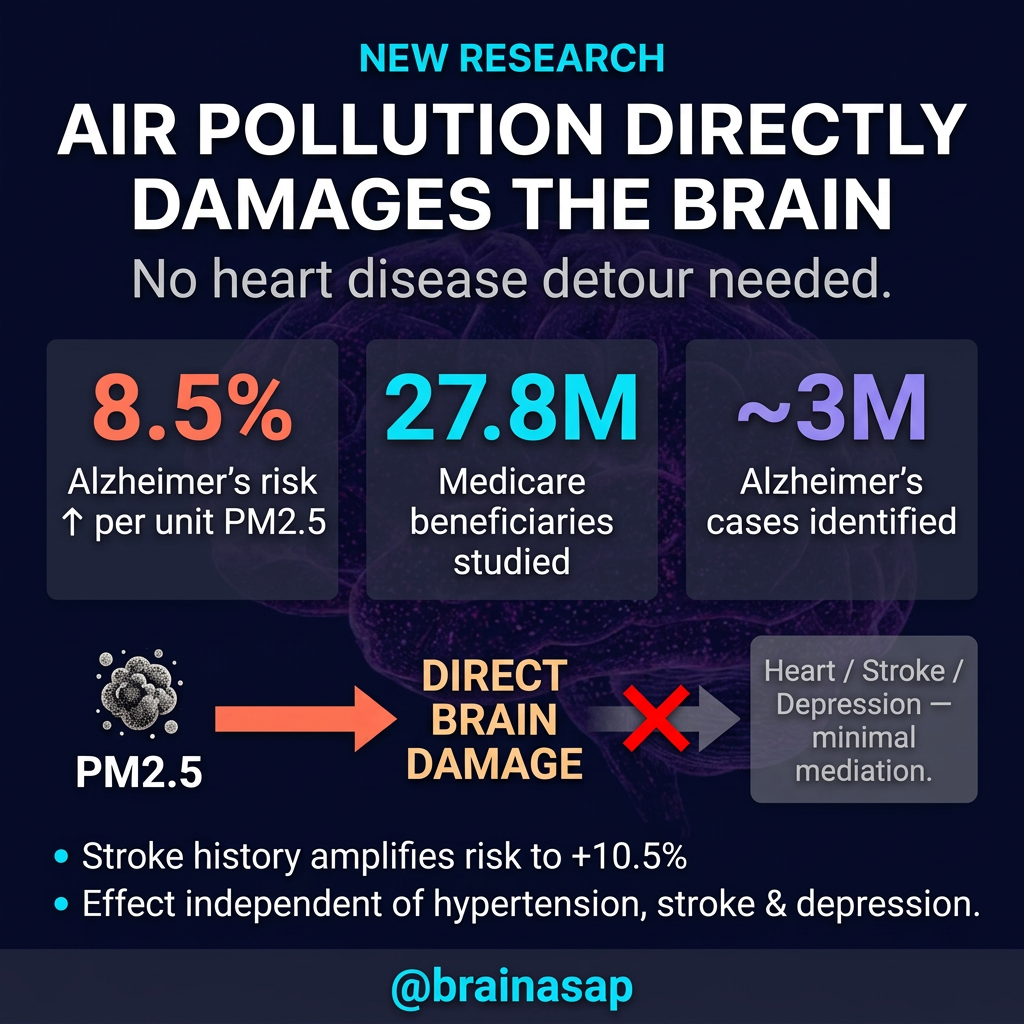
PM2.5 Air Pollution Directly Increases Alzheimer’s Risk

Dirty Air, Fragile Brain: PM2.5’s Direct Link to Alzheimer’s TL;DR: A massive study of 27.8 million Medicare beneficiaries found that exposure to fine air pollution (PM2.5) increases Alzheimer’s risk by 8.5% per unit increase—and this effect operates largely through direct brain damage, not through common health conditions like stroke or depression. The conventional thinking about …

Read more

Ethylene Oxide Levels Increase Stroke Risk in Young Adults in the U.S. (2024 Study)

Higher ethylene oxide (EtO) exposure is significantly associated with an increased risk of stroke in U.S. adults, particularly those under 50 years old. Highlights: Higher levels of EtO are linked to increased stroke rates, with individuals in the top 25% of exposure showing a stroke prevalence 1.6 times higher than those in the bottom 25%. …

Read more

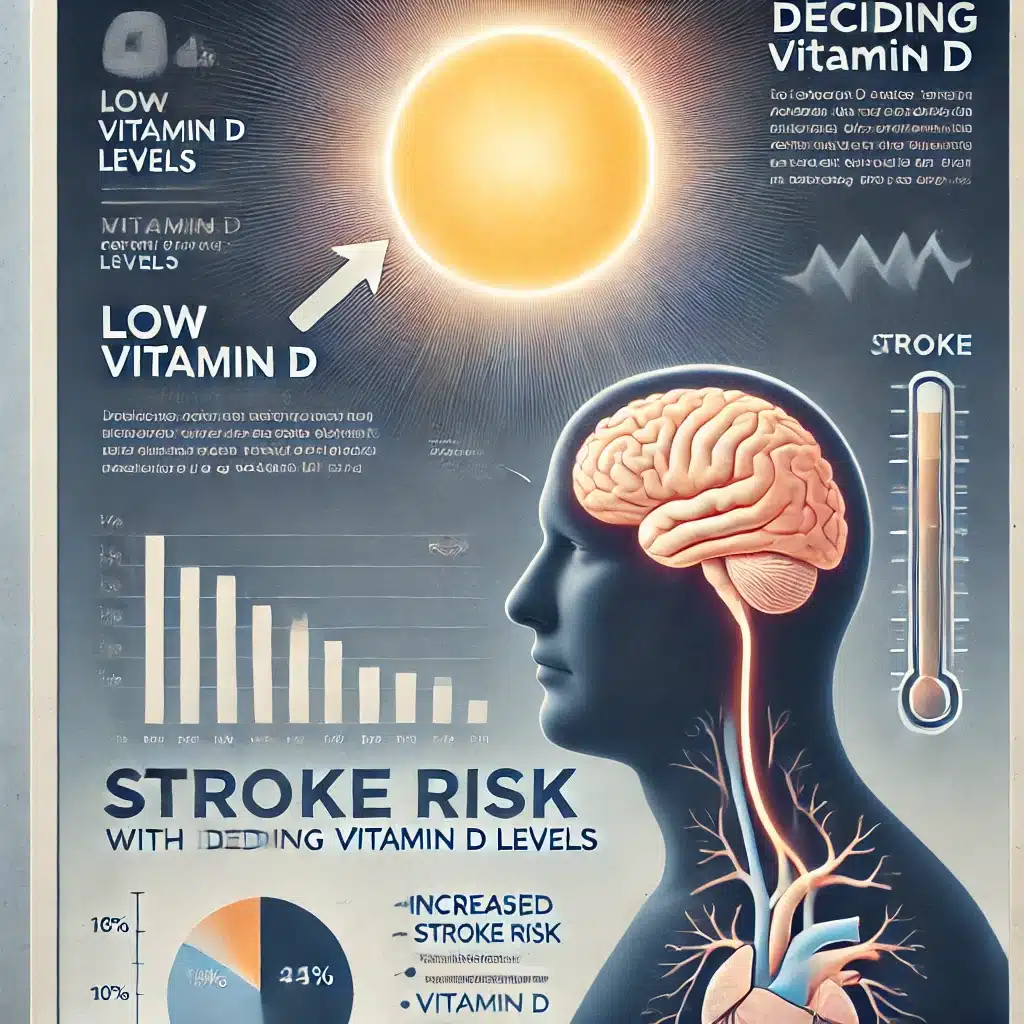
Low Vitamin D Increases Stroke Risk & Worsens Post-Stroke Prognosis (2024 Meta-Analysis)

TLDR: Lower serum vitamin D levels are associated with an increased risk of stroke, particularly ischemic stroke, and are linked to poorer stroke outcomes. Highlights: The meta-analysis included 27 studies with 45,302 participants, finding a combined relative risk (RR) of 1.28 for stroke risk associated with low vitamin D levels. A lower level of serum …

Read more

Ultraprocessed Foods & Health Risks: Dangers of Junk Food (Study)

Eating large amounts of ultra-processed foods may increase the risk of obesity, heart disease, stroke, depression, and early death, according to a new systematic review and meta-analysis. Key Facts: Ultra-processed foods are industrial formulations made with ingredients extracted from foods or synthesized in labs. Examples include chips, soft drinks, instant noodles, chicken nuggets, and frozen …

Read more