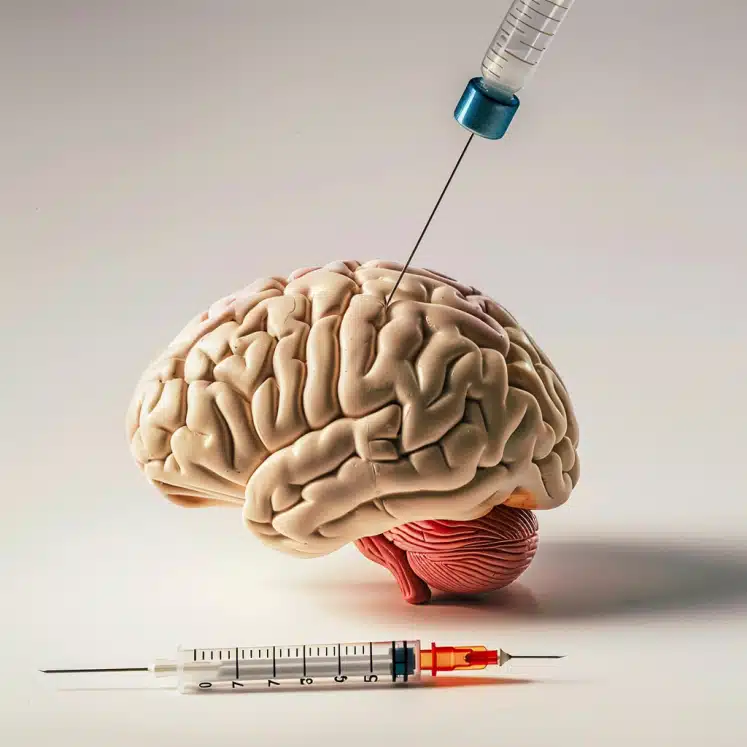
Shared Genes & Biological Pathways in Depression & Alzheimer’s Disease (2024 Study)

A study found shared brain-specific mechanisms between Alzheimer’s disease (AD) and depression, particularly involving synaptic signaling and immune system pathways in the hippocampus, but no direct genetic overlap. Highlights: Six brain-specific eQTL genes (SRA1, MICA, PCDHA7, PCDHA8, PCDHA10, PCDHA13) are shared between AD and depression. Pathway analysis identified shared biological pathways, including synaptic signaling, myelination, …
Read more

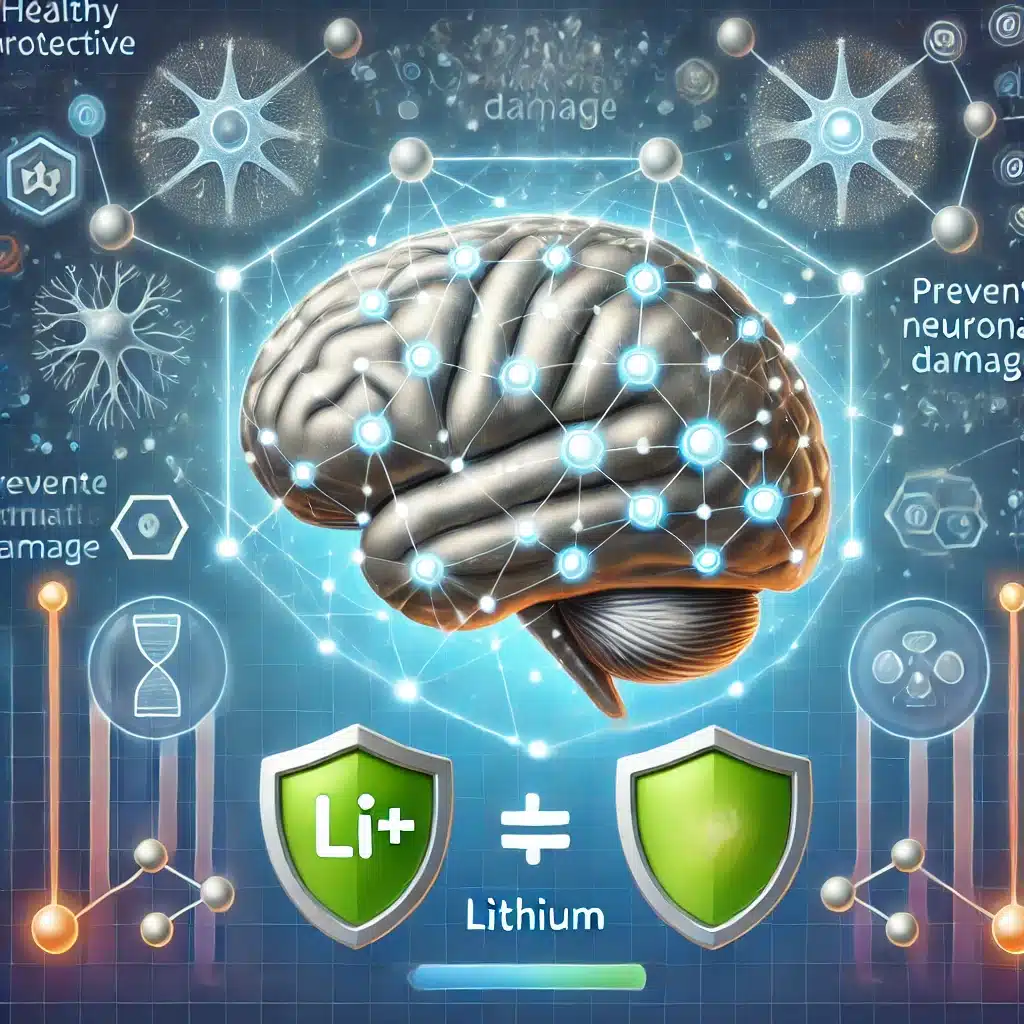
Lithium Appears Neuroprotective in Traumatic Brain Injury (TBI) (2024 Research)

Lithium shows promise in treating traumatic brain injury (TBI) by mitigating neuroinflammation, protecting against neuronal damage, and improving cognitive functions. Highlights: Neuroprotective Mechanisms: Lithium’s therapeutic effects involve complex molecular mechanisms including gene expression, neurotransmitter signaling, and circadian modulation, contributing to neuronal protection and recovery post-TBI. Targeted Brain Regions: Post-treatment, lithium concentrations are notably higher in …

Read more

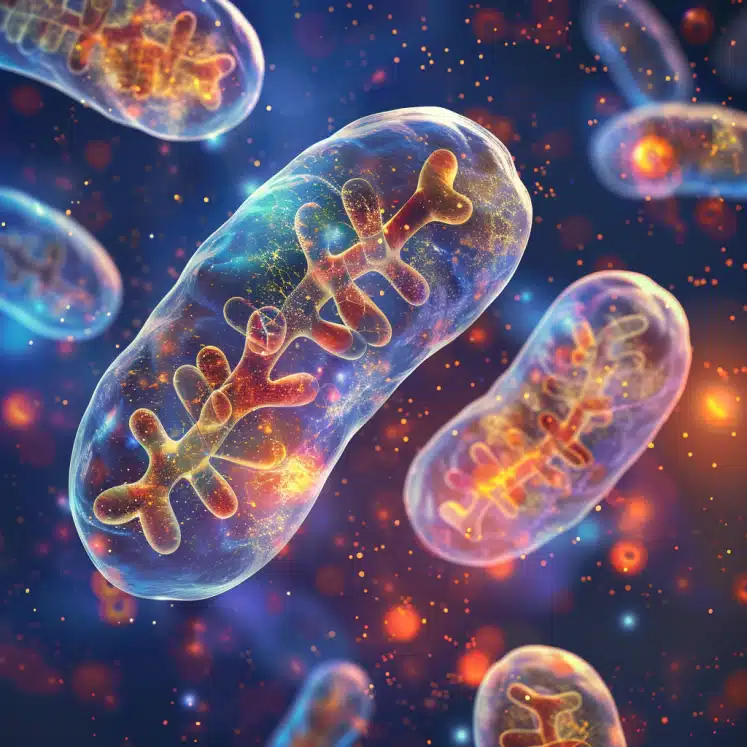
Mitochondrial Dysfunction Linked to Psychiatric Disorders Like Autism & ADHD (2024 Study)

A study found a strong link between mitochondrial disorders and conditions like autism, ADHD, and various psychiatric issues. Highlights: Common Link: Mitochondrial disorders are frequently found in people with autism, ADHD, and intellectual disabilities. ASD Emphasis: Most research focused on autism, suggesting it might be more strongly linked to mitochondrial issues or simply better funded. …

Read more

Selegiline Reverses Anxiety & Memory Impairment in Amyloid Beta-Induced Alzheimers Model Rats (2024 Study)

The study demonstrated that selegiline (SEL) improves memory performance, reduces anxiety, and modulates oxidative stress in an Alzheimer’s disease (AD) rat model. Highlights: Memory Improvements: SEL administration improved recognition memory, spatial memory, and passive avoidance memory in AD rats. Anxiety Reduction: SEL significantly reduced anxiety-like behavior in AD rats, as evidenced by performance in the …

Read more

Novel Risk Genes for Schizophrenia Discovered in High Altitude Tibetans via Whole-Exome Sequencing (2024 Study)

A study on Tibetans living at high altitudes identified novel risk genes for schizophrenia (SCZ) related to hypoxia, suggesting a unique genetic signature for SCZ in this population. Highlights: Whole-exome sequencing of 47 SCZ cases and 53 controls in Tibetans revealed 275 potential novel risk variants and two known variants. One gene, C5orf42, surpassed exome-wide …

Read more

Repurposing Antipsychotics & Antidepressants to Treat Glioblastoma (2024 Study)

Repurposing antipsychotics and antidepressants with favorable safety profiles and blood-brain barrier permeability shows promise for glioblastoma (GBM) treatment, primarily through disrupting lysosomal function and inducing cell death. Highlights: Mechanism of Action: The studied antipsychotics and antidepressants induce GBM cell death by disrupting lysosomal function, leading to lysosomal membrane rupture. PTEN Sensitivity: GBMs with intact PTEN …

Read more

Psychosocial Factors Linked to Dizziness & Chronic Dizziness (2024 Research)

Psychosocial factors such as stress and depression, along with physical health issues like tympanic abnormalities and diabetes, significantly contribute to dizziness and chronic dizziness in adults. Highlights: Prevalence & Chronicity: Dizziness affected 24.6% of adults, with 17.1% of these experiencing chronic dizziness (≥3 months). Psychosocial Factors: Female sex, high levels of stress, and depression were …

Read more

Drug-Induced Musical Hallucinations: Causes & Treatments (2024 Research)

Drug-induced musical hallucinations occur across various medical conditions, with antidepressants, opioids, and other medications as common triggers, potentially arising from neurotransmitter imbalances; treatment often involves modifying or discontinuing the trigger drug. Highlights: Prevalence & Demographics: The average patient age was 58.3 years, with 67.9% being female. Common Conditions: Hearing impairments, psychiatric disorders, cancers, and neurodegenerative …

Read more

Intranasal Insulin for Mild Cognitive Impairment: Enhancing Social Skills, Memory, Grey Matter Volume (2024 Case Report)

Extended intra-nasal insulin (INI) treatment in an insulin-resistant early Mild Cognitive Impairment (MCI) patient improved grey matter volume, reduced beta-amyloid levels, and enhanced cognitive and pragmatic capacities, suggesting potential to slow neurodegenerative disease progression. Highlights: Grey Matter Volume: After 9 months of INI treatment, the patient experienced an increase in grey matter volume. Beta-Amyloid Levels: …

Read more

Ketamine Rapidly Reverses Suicidal Ideation & Severe Depression (2024 Meta-Analysis)

Ketamine significantly reduces suicidal ideation in depressed patients, with rapid effects observed within the first day of treatment. Highlights: Rapid Reduction: Ketamine shows a significant reduction in suicidal ideation within the first day of treatment (RR = 10.02, 95% CI = 4.24 to 23.68). Sustained Improvement: Repeated ketamine treatments result in a greater reduction of …

Read more