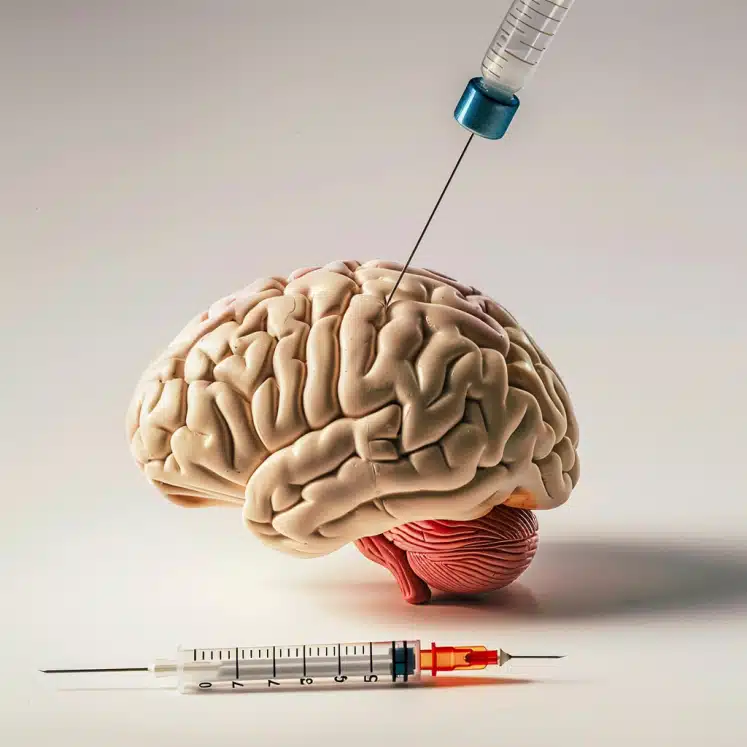
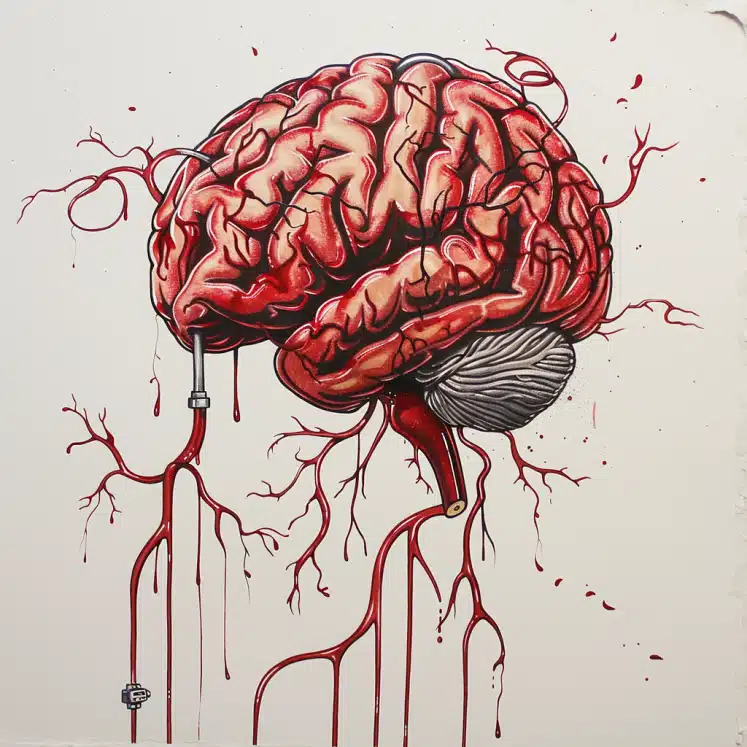
Iron-Induced Cell Death & Alzheimers: The Microglia Connection

Researchers have uncovered an important new mechanism that causes inflammation and damage to the brain’s white matter in Alzheimer’s disease. This discovery about how brain cells called microglia die could lead to new Alzheimer’s treatments. Key Facts: The study found that microglia, which are immune cells in the brain, die through a process called “ferroptosis” …

Read more

Apolipoprotein E (ApoE) Levels & Alzheimer’s Disease Risk: Findings from a Large Genetics Study

A new large genetics study has discovered new clues into how levels of a protein called apolipoprotein E (ApoE) in the blood may influence a person’s risk of developing Alzheimer’s disease. Key facts: Researchers found 9 new genetic variants that influence ApoE levels in the blood. Some raise levels, while others lower levels. People with …

Read more

Dinosaur Brain Anatomy & Intelligence: New Study Reveals Surprising Abilities

A new study provides unprecedented insights into the brains and cognitive capabilities of dinosaurs and other prehistoric reptiles. The key takeaways: Many theropod dinosaurs like T. rex had brains as large and complex as monkeys and primates. This suggests they were likely as intelligent as modern primates. However, other dinosaurs like sauropods had much smaller, …

Read more

Beyond Beer Goggles: Drinking Alcohol May Not Change Attractiveness

Researchers studied if drinking alcohol makes people rate others as more attractive, which is sometimes called the “beer goggles effect”. They had male friends who regularly drink together rate attractiveness of photos after drinking alcohol vs. a non-alcoholic drink. Drinking didn’t affect attractiveness ratings of the photos. But when asked to pick people from the …

Read more

Heartbeats Modify Time Perception

New research reveals that the timing of our heartbeats relative to external events distorts our perception of how much time has passed. The study provides evidence that cardiac signals directly impact time perception on a moment-to-moment basis. Key Facts: Time perception was shown to contract during heart systole (when the heart contracts) and expand during …

Read more

Predicting Long-COVID Brain Fog: Blood Biomarkers Offer Clues

A new study published in Nature Medicine has identified two biological profiles, based on routine blood tests during COVID-19 hospitalization, that can predict patients’ risk of developing post-COVID brain fog months later. Key Facts: The study analyzed data from over 1,800 COVID-19 patients hospitalized in the UK. It linked certain patterns of blood biomarkers during …

Read more

New Research Upends Long-Standing Theory on How Memories Form

Groundbreaking new research challenges decades of accepted neuroscience dogma on how memories are formed in the brain. The study provides strong evidence that the induction of long-term potentiation (LTP), widely believed to be the cellular mechanism underlying memory formation, relies on structural changes in neurons rather than enzymatic activity as long thought. Key Takeaways: LTP …

Read more

AI Reconstructs Pink Floyd Music from Auditory Cortex with Decoding Models

Researchers have reconstructed a recognizable version of the Pink Floyd song “Another Brick in the Wall” directly from recorded brain activity. Using advanced machine learning techniques, the team was able to extract enough acoustic information from listeners’ brain signals to identify the song and recreate an intelligible version. Key highlights: Researchers recorded brain activity via …

Read more

Milk Fat Globule & Lactoferrin in Formula Boosts Kids IQ Years Later

A new study provides evidence that supplementing infant formula with compounds found in breastmilk may lead to improved cognitive abilities years later in childhood. Key findings: Children fed formula with added milk fat globule membrane (MFGM) and lactoferrin for their first year scored higher on IQ and executive function tests at ages 5-6 compared to …

Read more

Staying Alert in the Sky: Modafinil & Caffeine Boost Pilot Performance

Staying awake and alert can be challenging, especially for pilots working long hours and night shifts. A new study found that the drugs modafinil and caffeine can significantly improve vigilance in pilots compared to placebo, helping them stay alert and attentive during periods of sleep deprivation. Key Facts: The study tested 32 pilots from the …

Read more