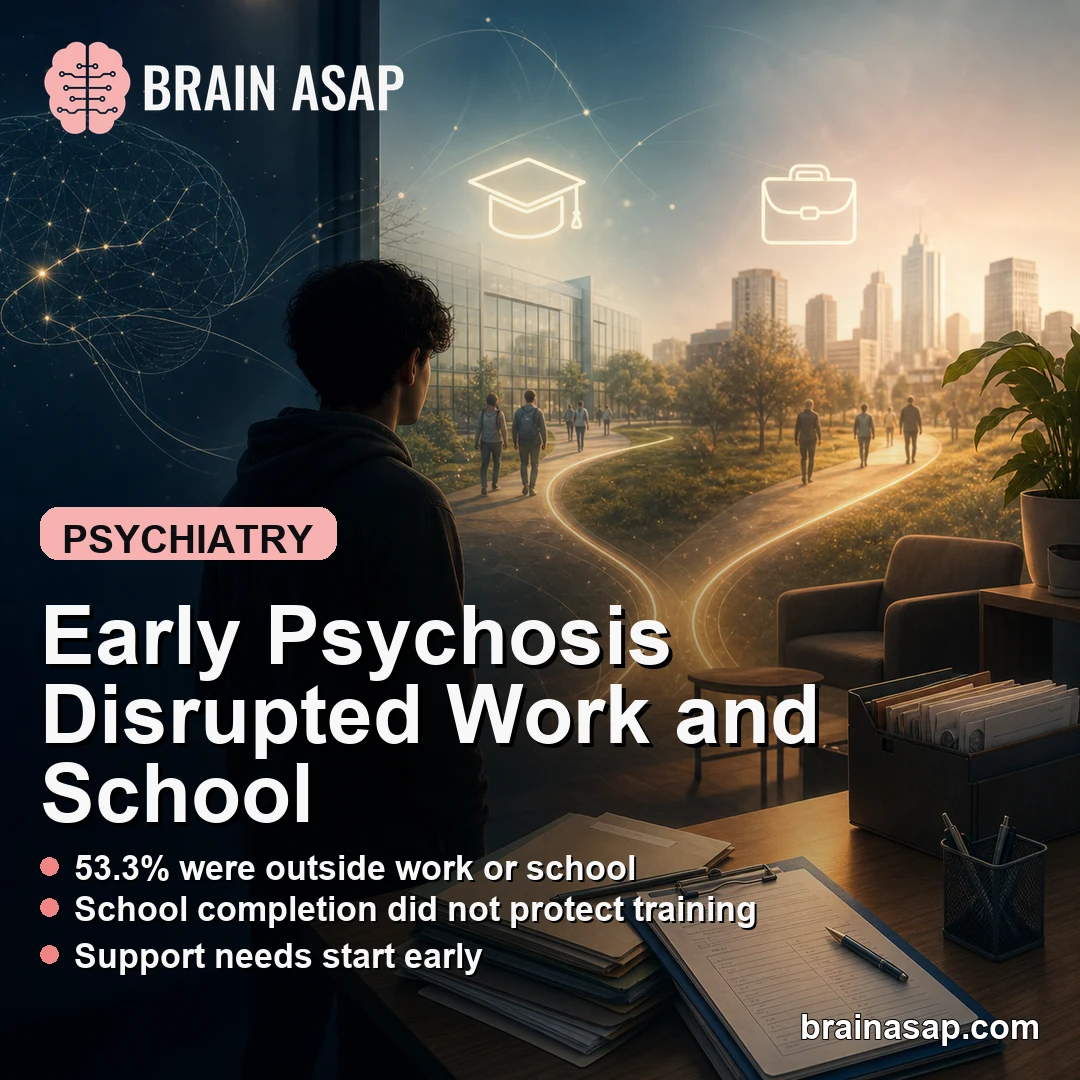
TL;DR: A 2026 study in European Archives of Psychiatry and Clinical Neuroscience found that more than half of 184 young adults entering an early-psychosis supported employment and education trial were not in work, school, or training, even though nearly all ha…
Read article ↗
TL;DR: A 2026 study in Journal of Sex Research found that in 571 German women, arousal to an aggressive written sexual narrative was better explained by sex drive, rape myth acceptance, and prior violent pornography exposure than by evolutionary life-history m…
Read article ↗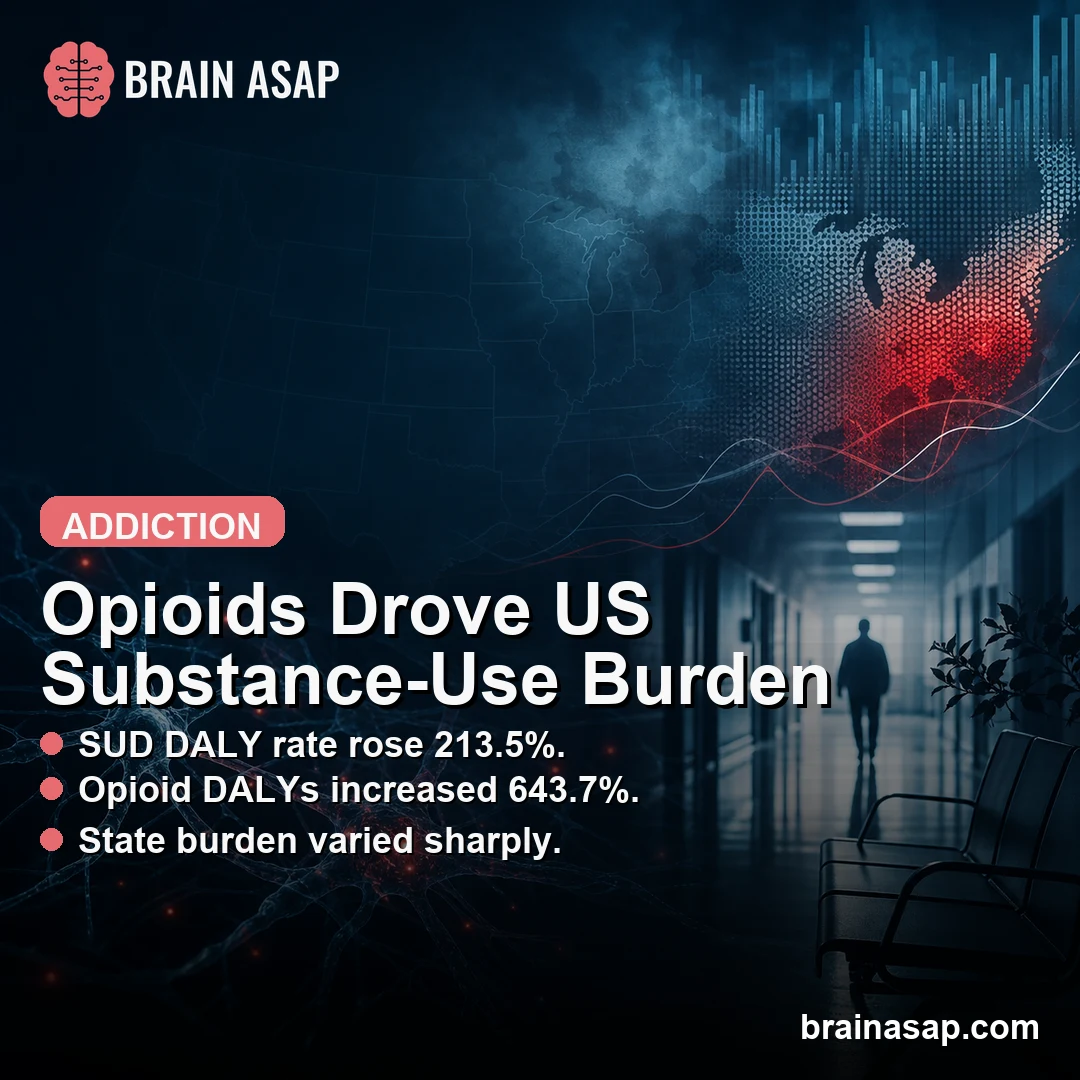
TL;DR: A 2026 study in Population Health Metrics used Global Burden of Disease 2019 estimates and found that U.S. substance-use-disorder health loss rose sharply from 1990 to 2019, with opioid use disorders driving the largest increase. Key Findings 19.5 milli…
Read article ↗
TL;DR: A 2026 cohort study in The British Journal of Psychiatry found that lithium prescribing around pregnancy was rare in UK primary care records, and most pre-pregnancy lithium users did not stay on treatment through all three trimesters. Key Findings 752,1…
Read article ↗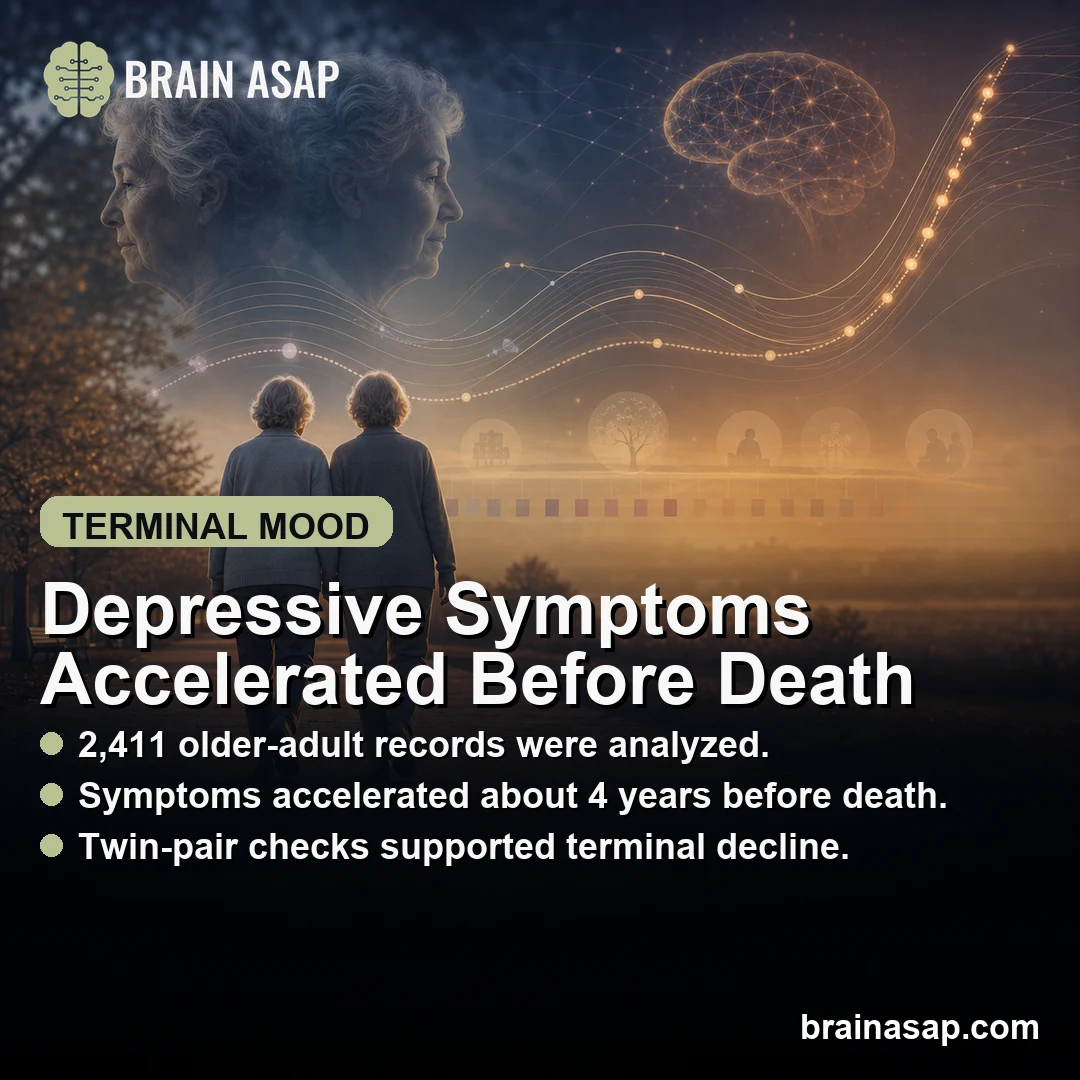
TL;DR: A 2025 study in Psychological Science found that depressive symptoms accelerated about 4 years before death in a multinational twin consortium, suggesting that late-life mood worsening can partly reflect terminal decline rather than chronological age al…
Read article ↗
TL;DR: A 2026 review in Journal of Pain Research argued that G protein-coupled receptor 30 (GPR30/GPER), a membrane estrogen receptor, could help connect estrogen fluctuations with migraine biology. Key Findings Female-predominant migraine: The review notes a…
Read article ↗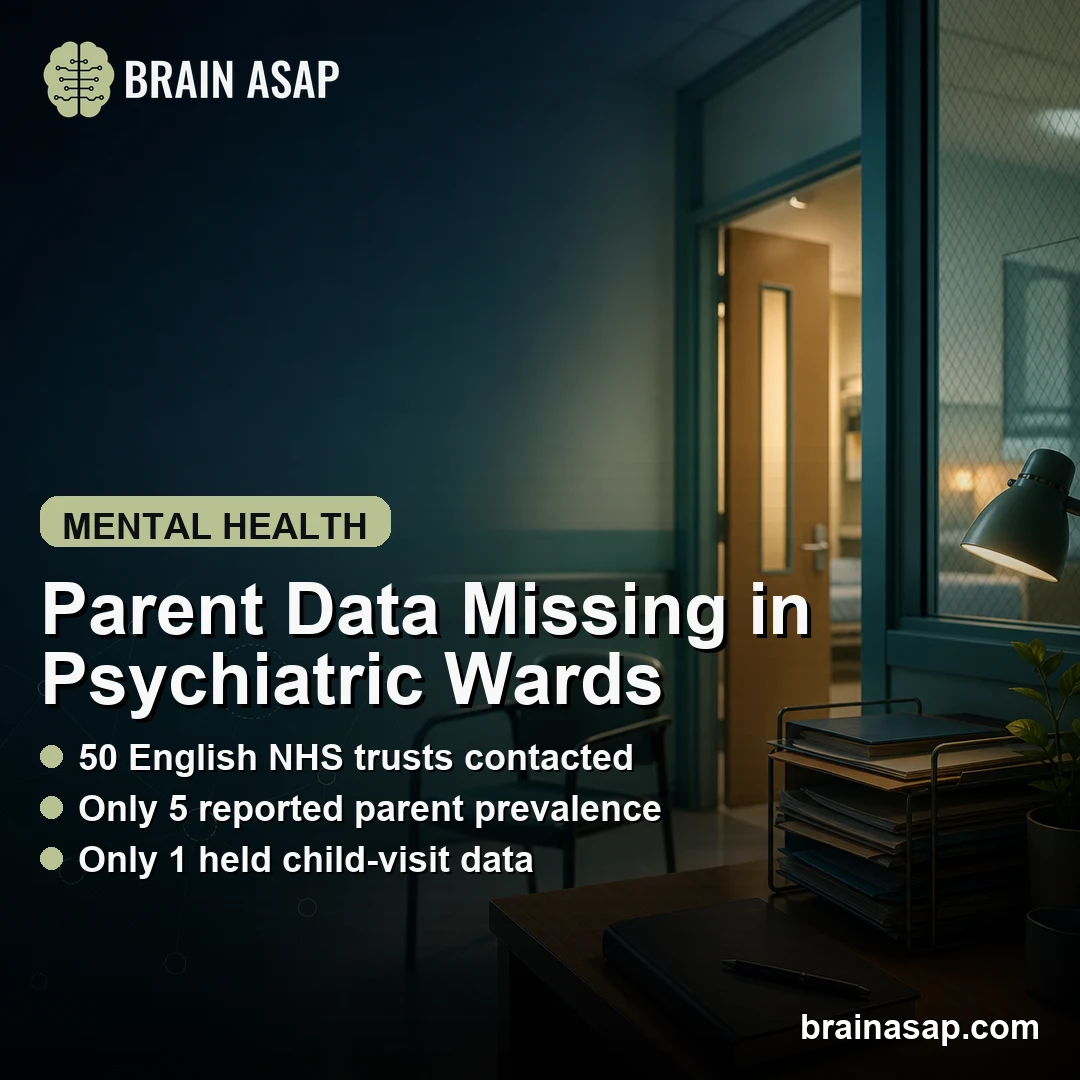
TL;DR: A 2026 study in BJPsych Bulletin used Freedom of Information requests and found that most English NHS trusts providing in-patient psychiatric care were unable to report basic data on which patients were parents of children under 18. Key Findings 50 trus…
Read article ↗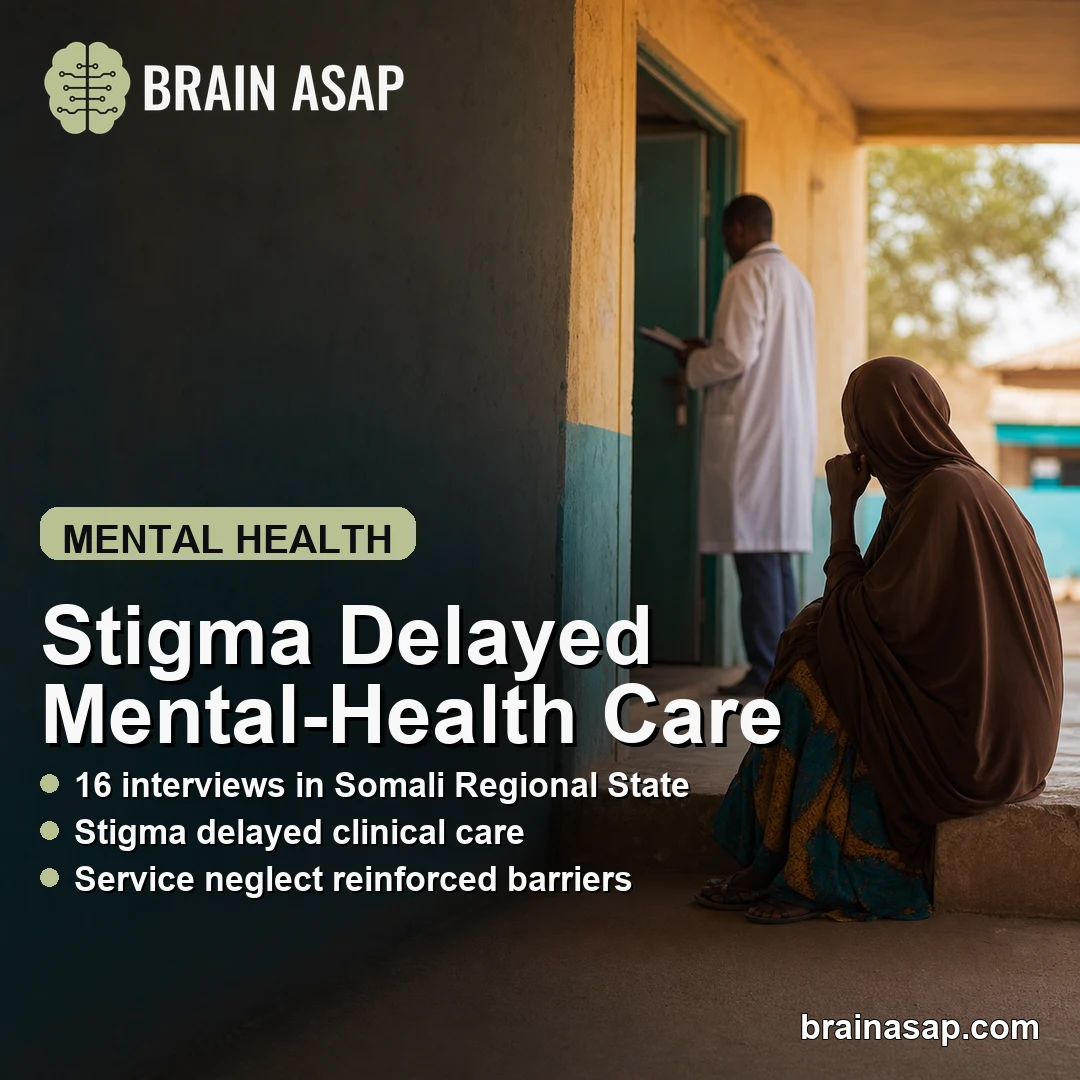
TL;DR: A 2026 qualitative study in BJPsych Open found that mental-health stigma in Ethiopia’s Somali Regional State shaped how people recognized illness, delayed biomedical care-seeking, and reinforced neglect of mental-health services. Key Findings Sixteen in…
Read article ↗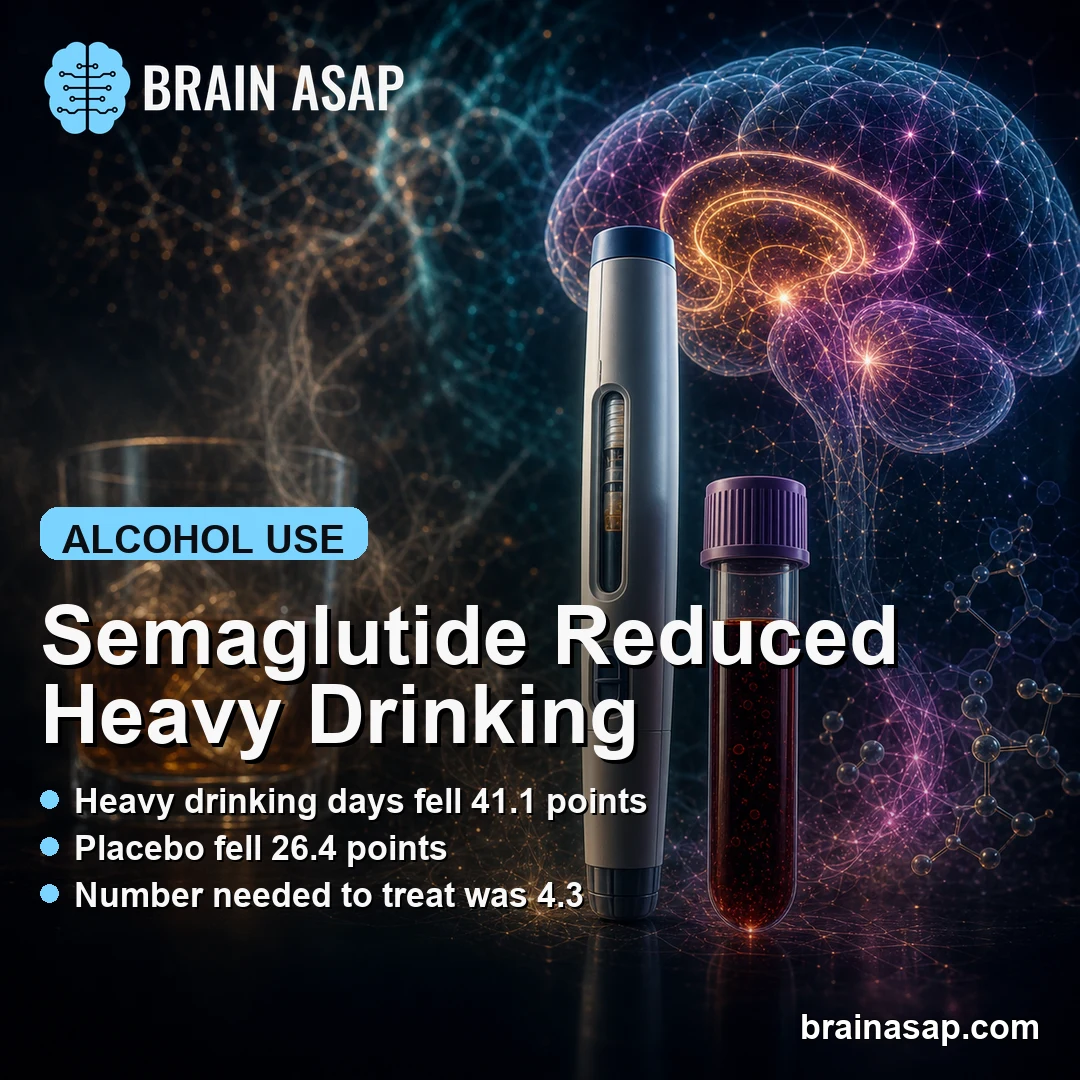
TL;DR: A 2026 randomized double-blind placebo-controlled trial in The Lancet (N=108 adults with both moderate-to-severe alcohol use disorder and obesity) found that 26 weeks of once-weekly 2.4 mg semaglutide reduced heavy drinking days by 41.1 percentage point…
Read article ↗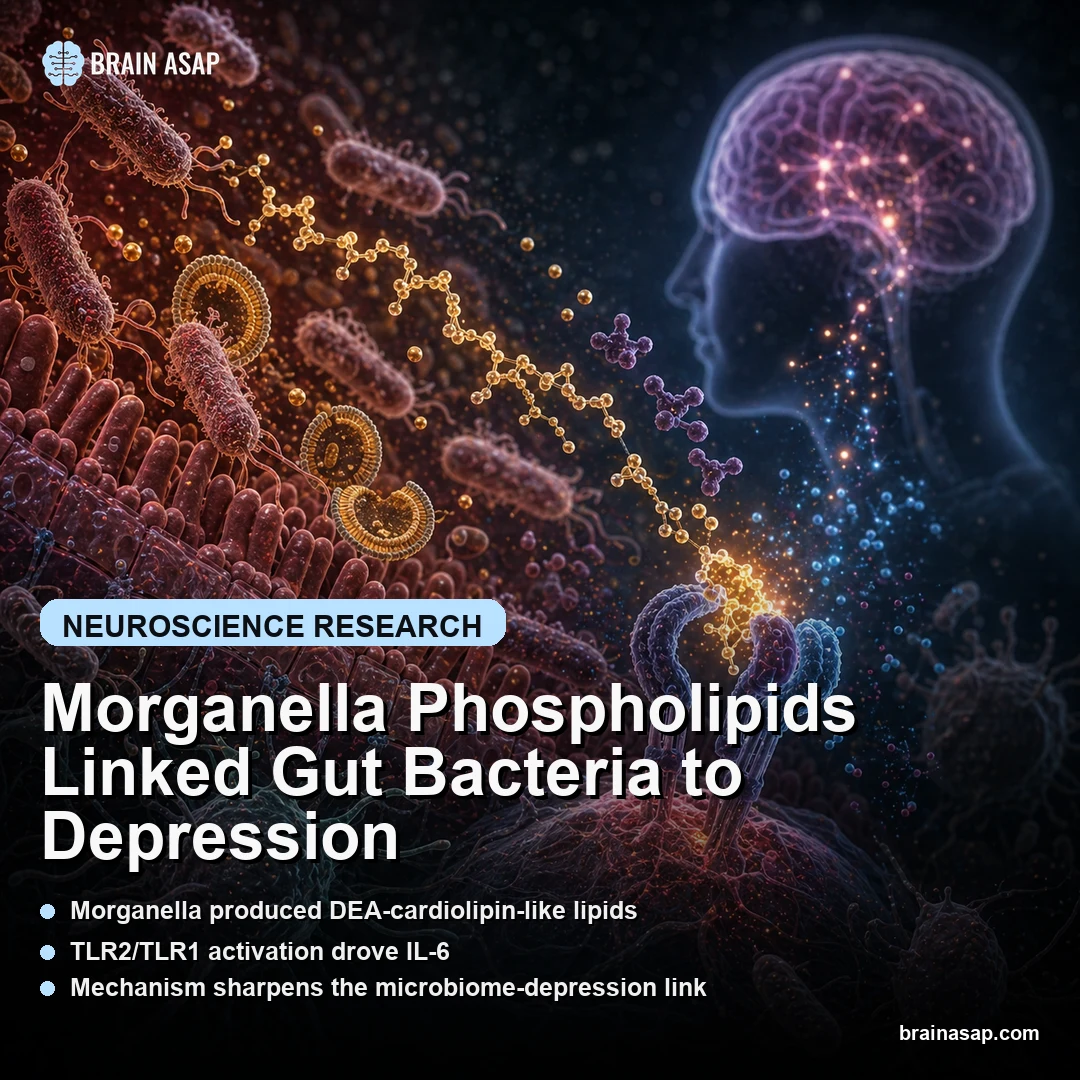
TL;DR: A 2025 study in Journal of the American Chemical Society found that a depression-linked gut bacterium now has a concrete inflammatory mechanism: Morganella morganii can make unusual phospholipids that activate TLR2/TLR1 and drive IL-6. Key Findings Morg…
Read article ↗