TL;DR: A 2026 study in Nature Communications reported that tubulin redirected Tau and alpha-synuclein condensates toward microtubule-building states, while tubulin loss pushed the same protein system toward toxic oligomers in cell models. Key Findings 36-hour…
Read article ↗
TL;DR: A 2026 study in Nature Communications found that proteotoxic stress can push neurons into karyoptosis, a cell-death pathway marked by nuclear lamina breakdown, nuclear-material expulsion, and dementia-linked tissue signatures. Key Findings Karyoptosis w…
Read article ↗
TL;DR: A 2026 ADNI analysis posted to medRxiv found that brain-derived plasma pTau217 better predicted near-term amyloid positron emission tomography (PET) positivity than total plasma pTau217 in cognitively unimpaired amyloid-negative participants. Key Findin…
Read article ↗
TL;DR: A 2026 retrospective analysis posted to medRxiv linked diclofenac and naproxen use in the NACC cohort to lower dementia and Alzheimer disease prevalence, while diclofenac use was also associated with slower Montreal Cognitive Assessment (MoCA) cognitive…
Read article ↗
TL;DR: A 2026 protocol posted to medRxiv describes a nationwide Japan survey designed to measure how dementia specialists handle anti-amyloid antibody therapy, biomarker testing, MRI safety monitoring, service capacity, and patient-choice tradeoffs. Key Findin…
Read article ↗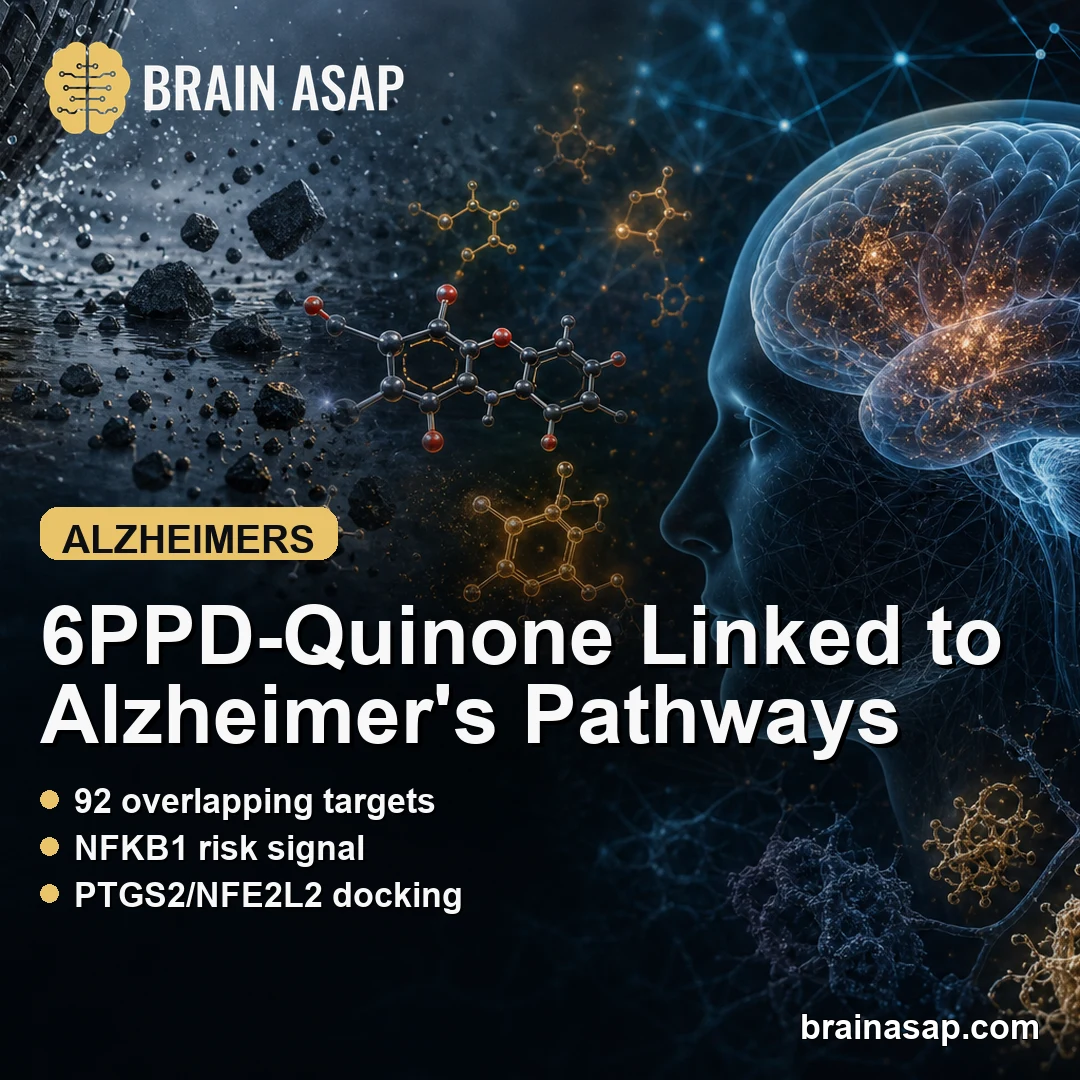
TL;DR: A 2026 study in Open Medicine used network pharmacology, Alzheimer’s disease transcriptomic datasets, machine learning, Mendelian randomization, and molecular docking to link 6PPD-quinone, a tire-wear chemical transformation product, with inflammation,…
Read article ↗
TL;DR: A 2026 open-label study in Communications Medicine found that Bacillus Calmette-Guerin (BCG) immunotherapy changed cerebrospinal-fluid immune-cell responses and Alzheimer-related biomarkers in 23 older adults. Key Findings Small trial context: 2 related…
Read article ↗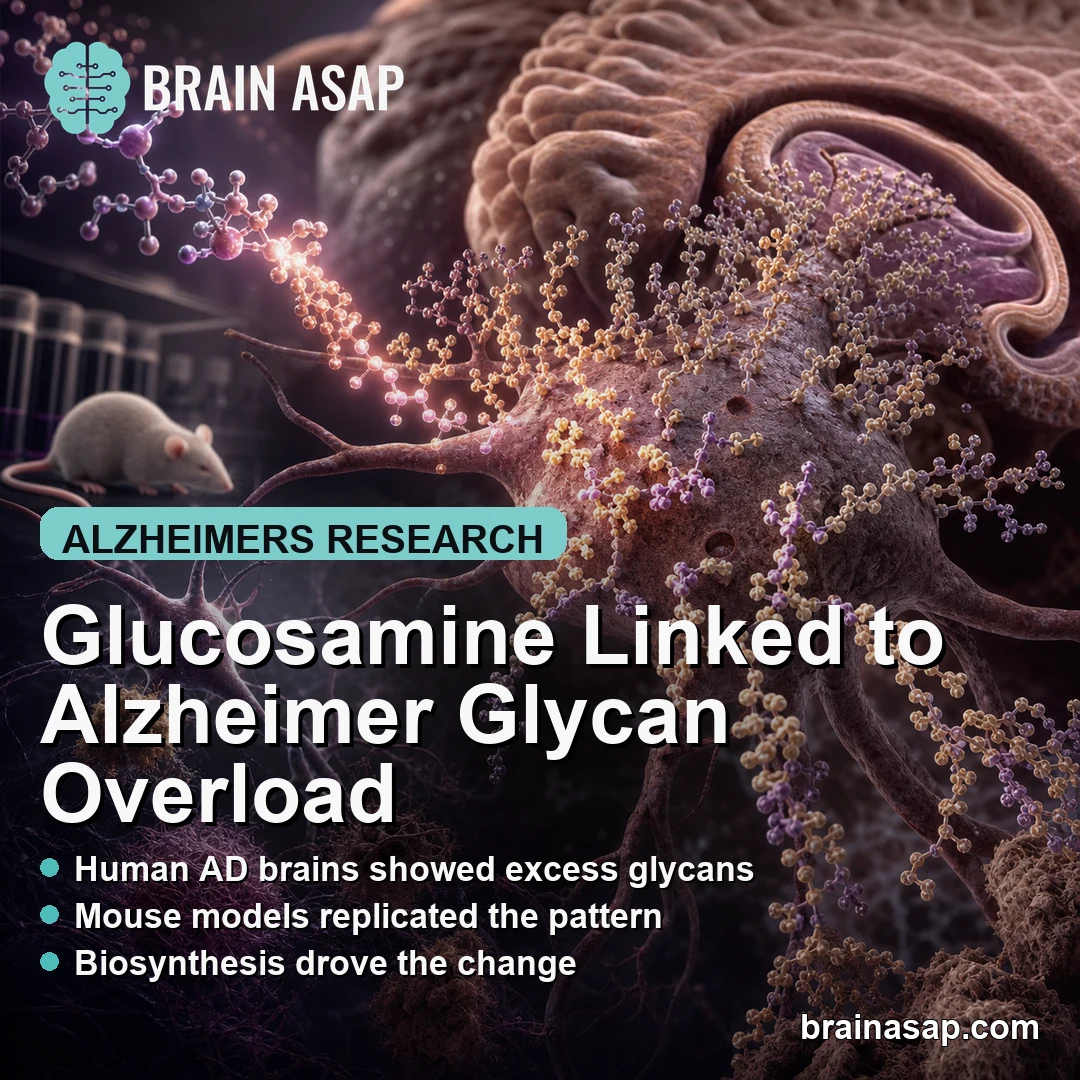
TL;DR: A 2026 study in Nature Metabolism identified brain hyperglycosylation as a metabolic driver of Alzheimer disease in human tissue and mouse models, while glucosamine exposure was linked to worse outcomes in Alzheimer-related dementia records. Key Finding…
Read article ↗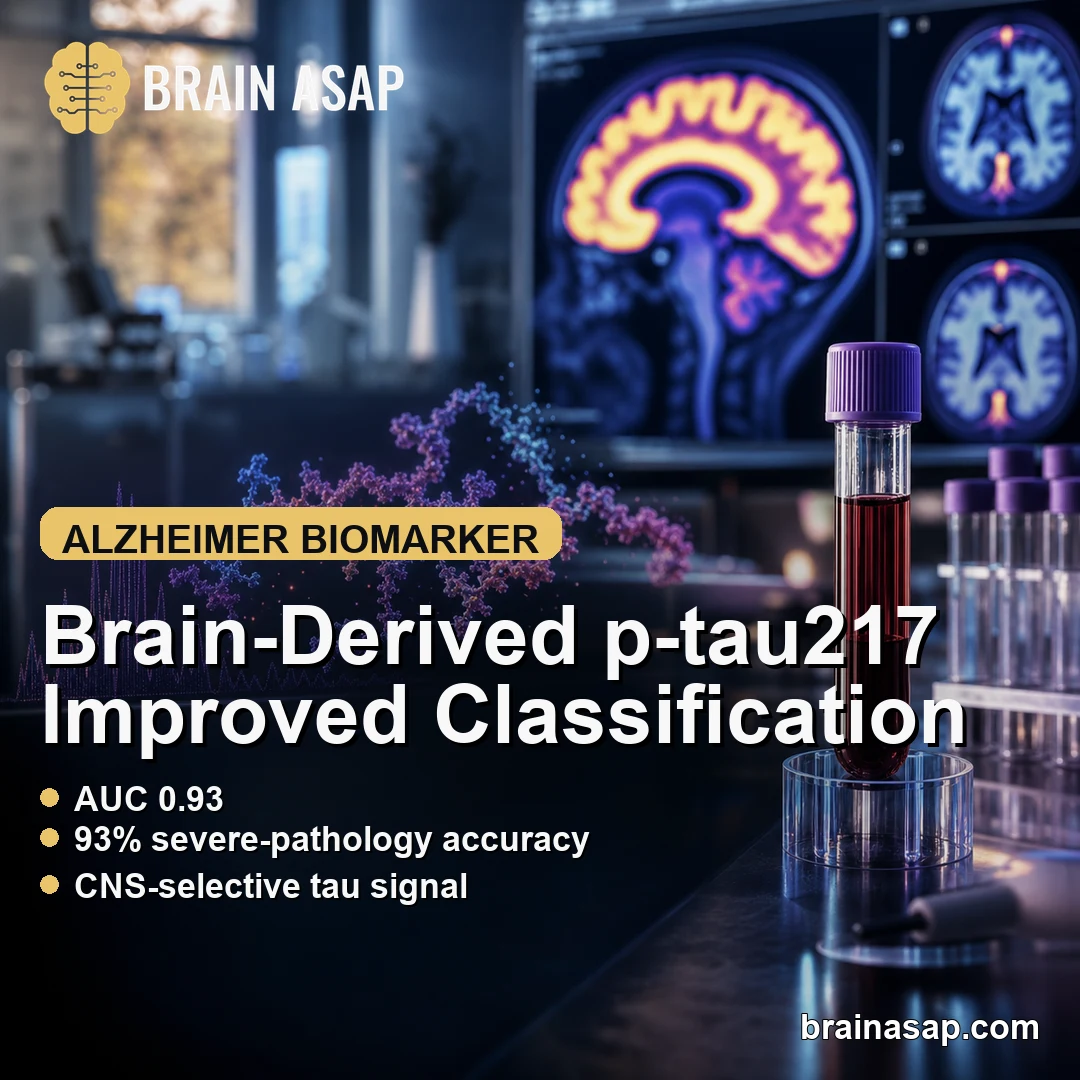
TL;DR: A 2026 preprint in medRxiv found that brain-derived p-tau217%, a blood marker designed to isolate central nervous system tau, classified Alzheimer disease pathology better than standard plasma p-tau217 in several Alzheimer cohorts. Key Findings CNS-sele…
Read article ↗
TL;DR: A 2026 review in Drug Design, Development and Therapy argued that glucagon-like peptide-1 (GLP-1) receptor agonists, drugs that mimic a metabolic hormone involved in glucose control, have credible brain-protection mechanisms, but clinical evidence for n…
Read article ↗