
TL;DR: A 2026 medRxiv preprint introduced a 68-component NeuroMark template for single photon emission computed tomography (SPECT), a brain blood-flow imaging method, and found schizophrenia-related differences in cerebellar, subcortical, higher-cognition, vis…
Read article ↗
TL;DR: A 2026 systematic review and meta-analysis in International Journal of Molecular Sciences found no significant global gut-microbiome alpha-diversity difference in schizophrenia, but reported recurring community-composition and taxonomic shifts. Key Find…
Read article ↗
TL;DR: A 2026 preprint on medRxiv used multisite MRI data from 3,958 people with schizophrenia and 5,489 controls to map cortical network disruptions and identify two robust brain-structure subtypes. Key Findings 9,447 MRI participants: The analysis included 3…
Read article ↗
TL;DR: A 2026 preprint in medRxiv found that treatment-resistant depression affected 34% of medication-exposed major-depression patients in Pakistan’s DIVERGE study, with social support and CYP2C19 metabolizer status standing out as locally important treatment…
Read article ↗
TL;DR: A 2026 review in Purinergic Signalling argues that ATP-gated P2X receptors, especially P2X7 and P2X4, may connect stress-related neuroinflammation with depression and bipolar-disorder biology. Key Findings P2X7 focus: The review describes P2X7 receptor…
Read article ↗
TL;DR: A 2026 systematic review and meta-analysis in BMC Psychiatry reported that olanzapine produced a numerically higher body mass index gain in anorexia nervosa trials, but the pooled randomized evidence remained small, heterogeneous, and not statistically…
Read article ↗
TL;DR: A 2026 preprint in medRxiv linked higher neighborhood deprivation to faster DNA-methylation aging in 370 healthy adults, with lifetime adversity explaining part of the association and stronger direct effects among Black participants. Key Findings Yale s…
Read article ↗
TL;DR: A 2026 nationwide claims study in Integrative Medicine Research found that Korean traditional medicine care without recorded acupuncture claims had the lowest modeled costs and the highest 3-year QALYs among four menopausal-disorder treatment strategies…
Read article ↗
TL;DR: A 2026 randomized trial in Nature and Science of Sleep found that Sancai acupoint acupuncture reduced primary-insomnia severity more than sham acupuncture, with parallel improvements in sleep testing and peripheral 5-HT and BDNF biomarkers. Key Findings…
Read article ↗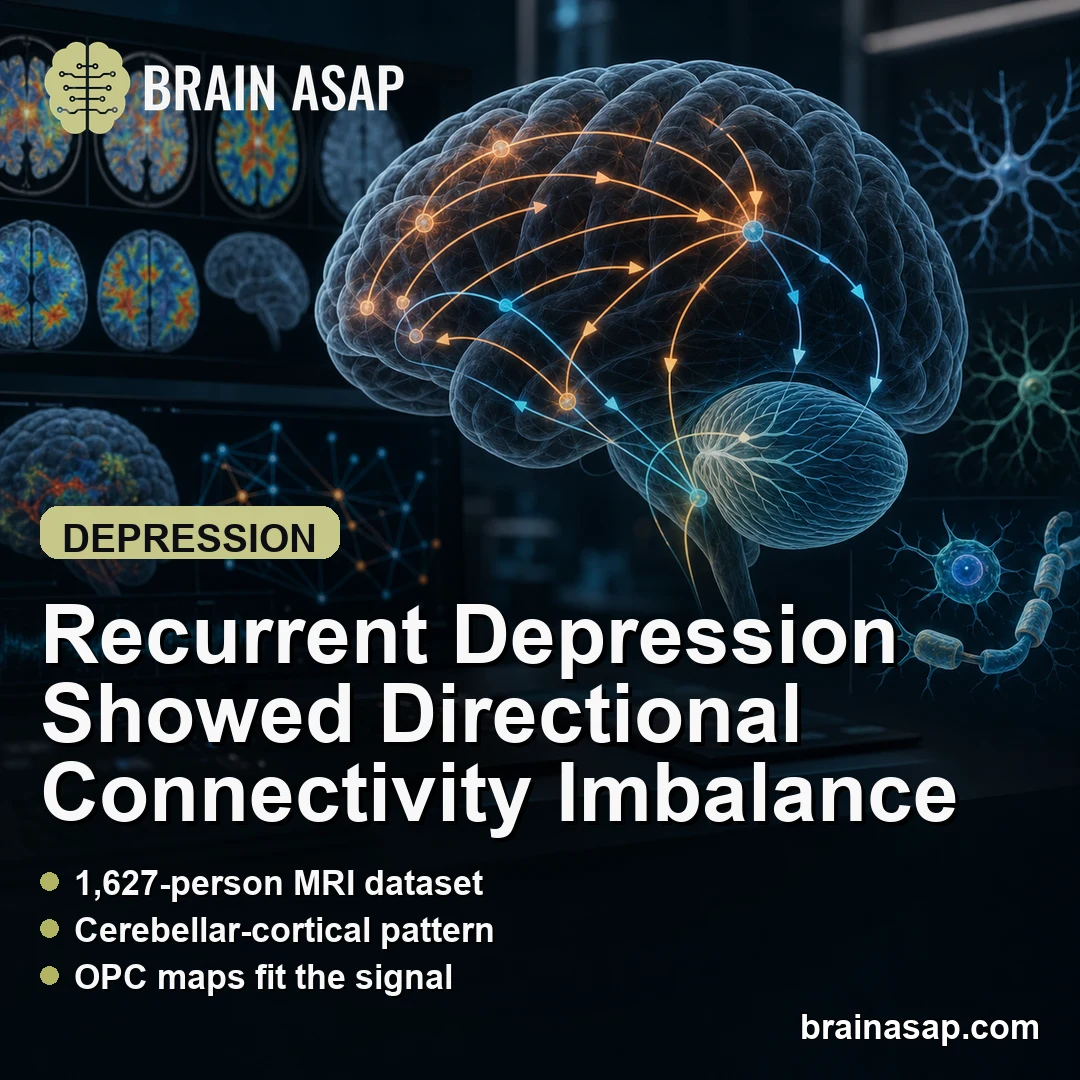
TL;DR: A 2026 preprint in medRxiv linked recurrent major depression to direction-specific effective-connectivity changes, with strongest patterns in cerebellar-cortical, sensorimotor, cognitive, neurotransmitter, and oligodendrocyte precursor cell maps. Key Fi…
Read article ↗