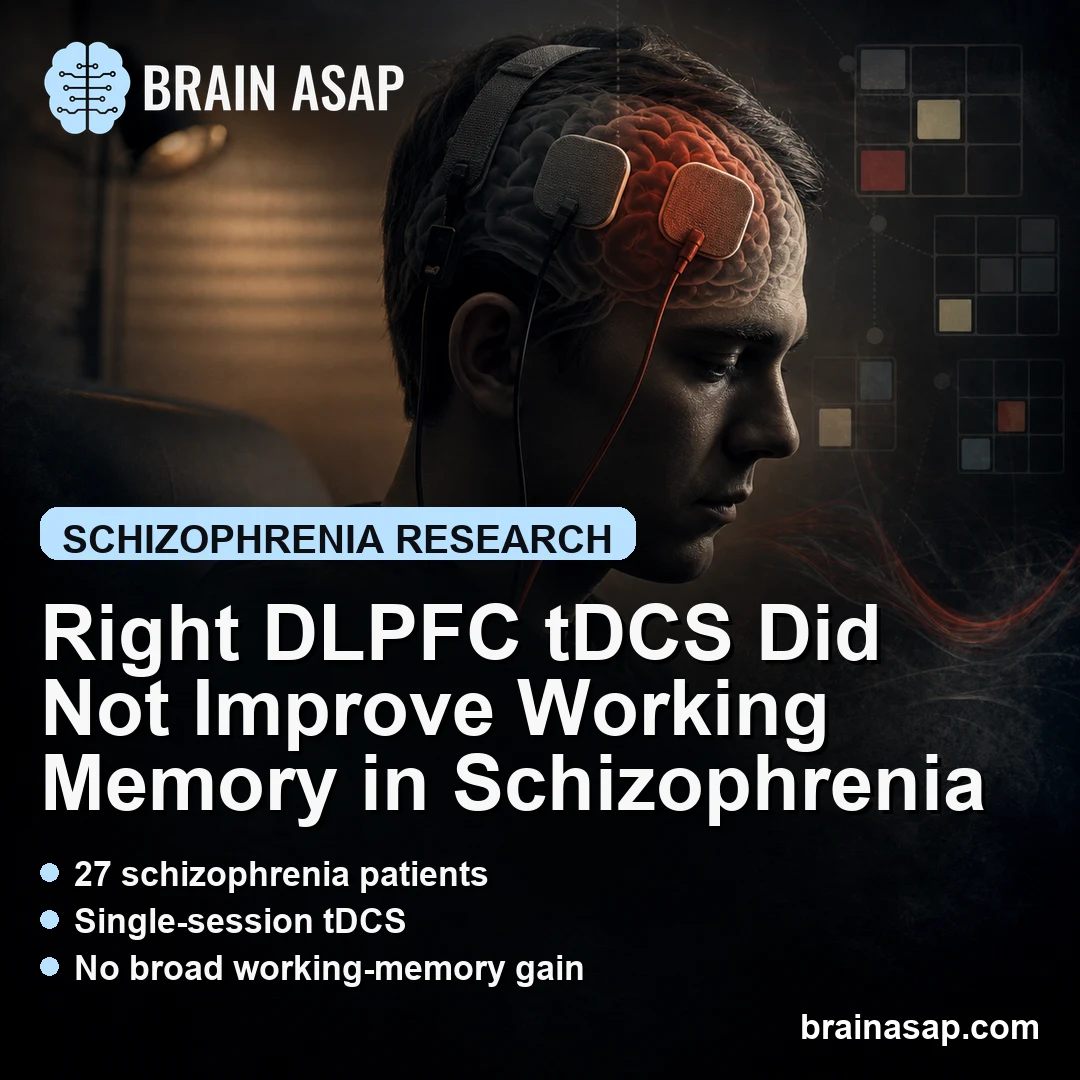
TL;DR: A 2026 sham-controlled study in BMC Psychiatry found that one 15-minute session of 1.5 mA anodal transcranial direct current stimulation (tDCS) over the right dorsolateral prefrontal cortex did not improve visuospatial or verbal working memory in clinic…
Read article ↗
TL;DR: A 2026 study in Journal of Korean Medical Science found that resistance exercise was more consistently associated with lower depression and anxiety scores than aerobic exercise in Korean adults, but the cross-sectional design means the study cannot prov…
Read article ↗
TL;DR: A 2026 preprint in medRxiv used whole-genome sequencing in two families with many obsessive-compulsive disorder (OCD) cases and prioritized rare variants in NPY5R, DLGAP1, and MAPK8IP3, but the findings still need replication and functional testing. Key…
Read article ↗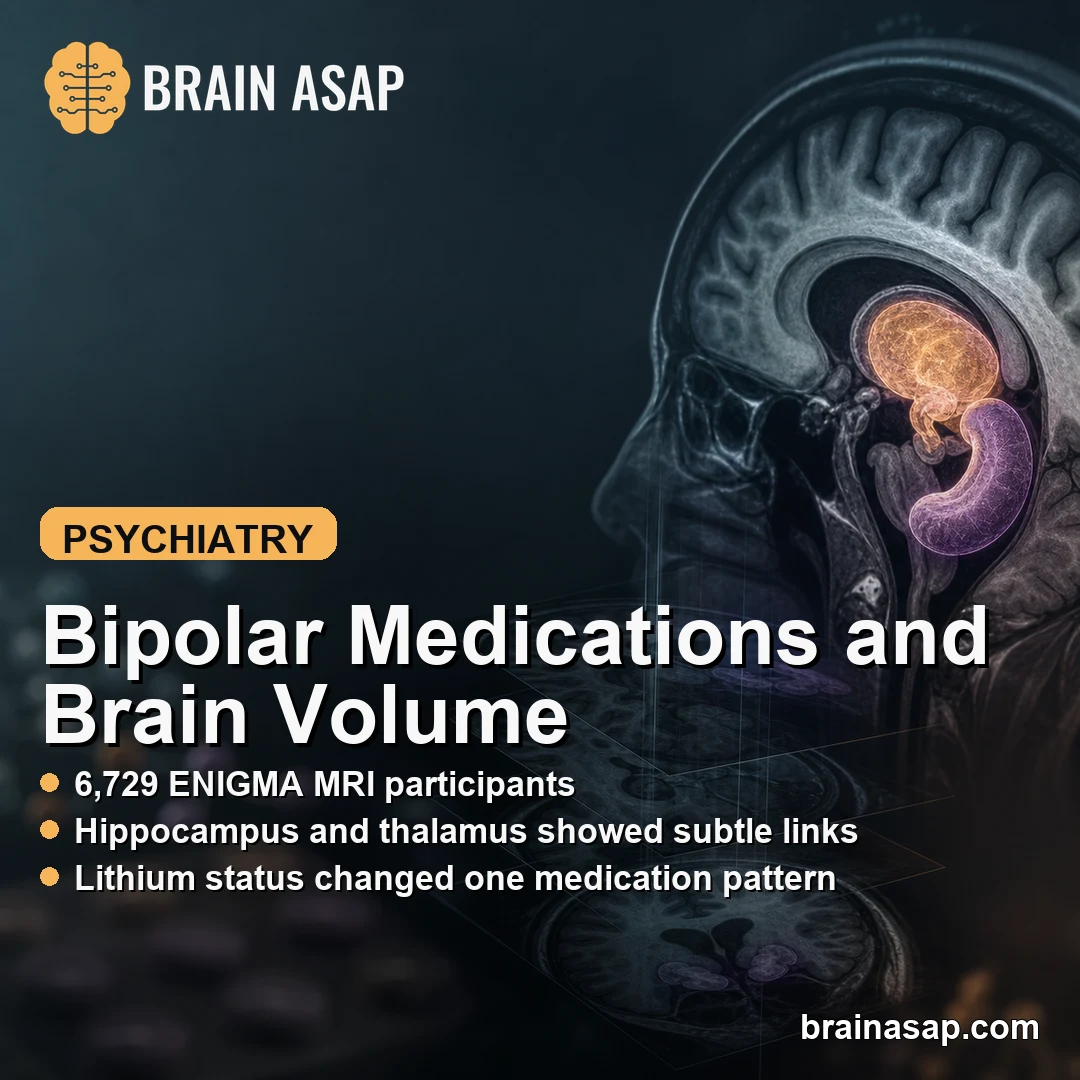
TL;DR: A 2026 Molecular Psychiatry ENIGMA mega-analysis found that medication status in bipolar disorder was linked to subtle differences in subcortical brain volume, with antiepileptic and antipsychotic exposure most consistently tied to smaller hippocampal a…
Read article ↗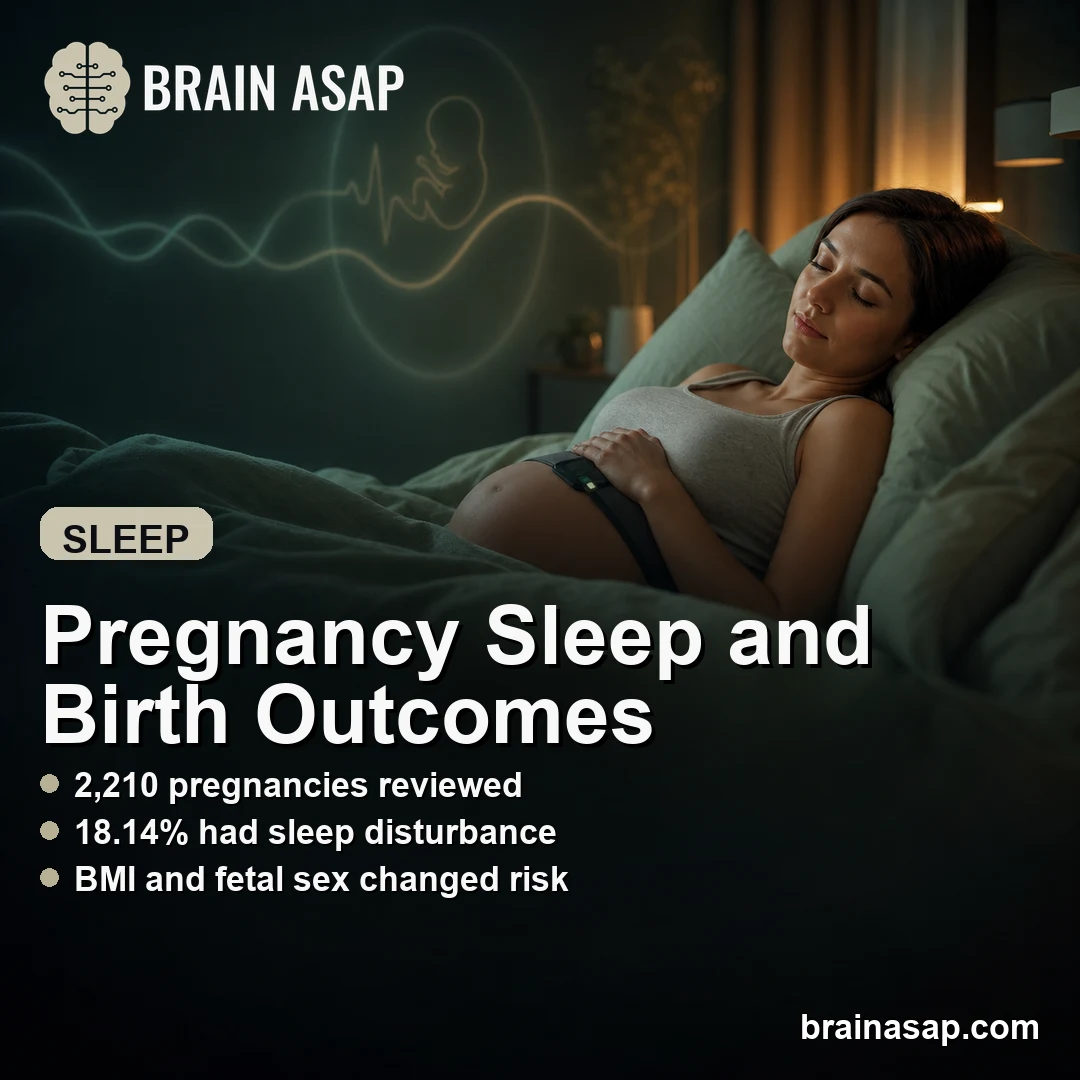
TL;DR: A 2026 cross-sectional study in Nature and Science of Sleep linked second-trimester sleep disturbance, measured with the Pittsburgh Sleep Quality Index (PSQI), to depressive symptoms, vomiting, diet quality, and several birth-outcome patterns in 2,210 p…
Read article ↗
TL;DR: A 2026 study in Clinical Case Reports described persistent genital arousal disorder in a woman in her 30s, with symptom improvement after combined risperidone, sodium valproate, fluoxetine, short-term clonazepam, relaxation work, and cognitive behaviora…
Read article ↗
TL;DR: A 2024 study in Journal of Political Ideologies linked perceived grievance, a belief that society is structured around group-based oppression, with left-wing authoritarianism through psychological distress and individualizing moral concerns. Key Finding…
Read article ↗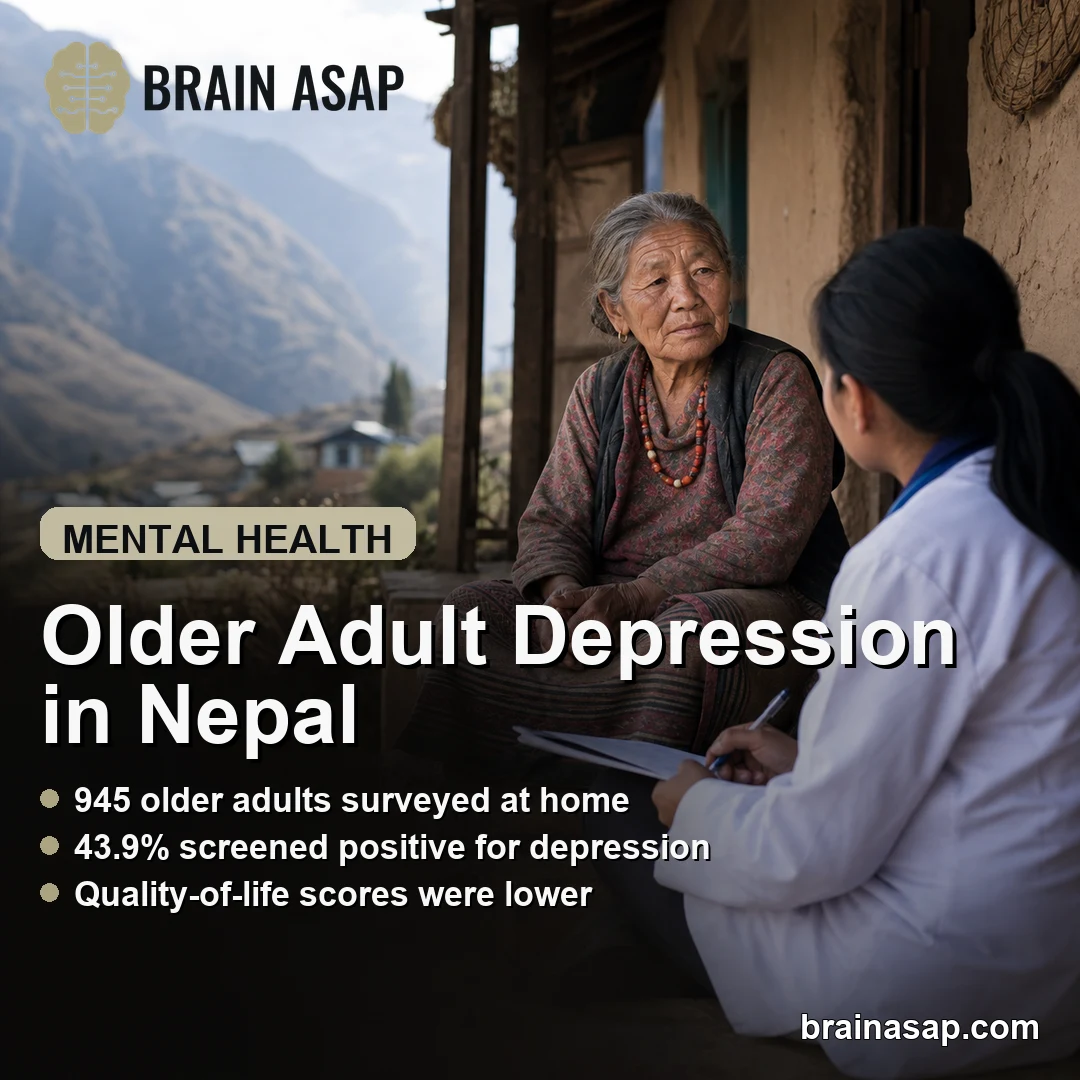
TL;DR: A 2026 cross-sectional study in BMC Geriatrics found that 43.9% of 945 older adults in Nepal’s Sudurpaschim Province screened positive for geriatric depression, and depression was linked to lower quality-of-life scores across every WHOQoL-8 domain. Key…
Read article ↗
TL;DR: A 2026 medRxiv preprint found that problematic sexual behaviour was associated with non-suicidal self-injury in a university cohort, with the strongest pattern in women. Key Findings 2,666 people were analyzed: The study included 2,189 university partic…
Read article ↗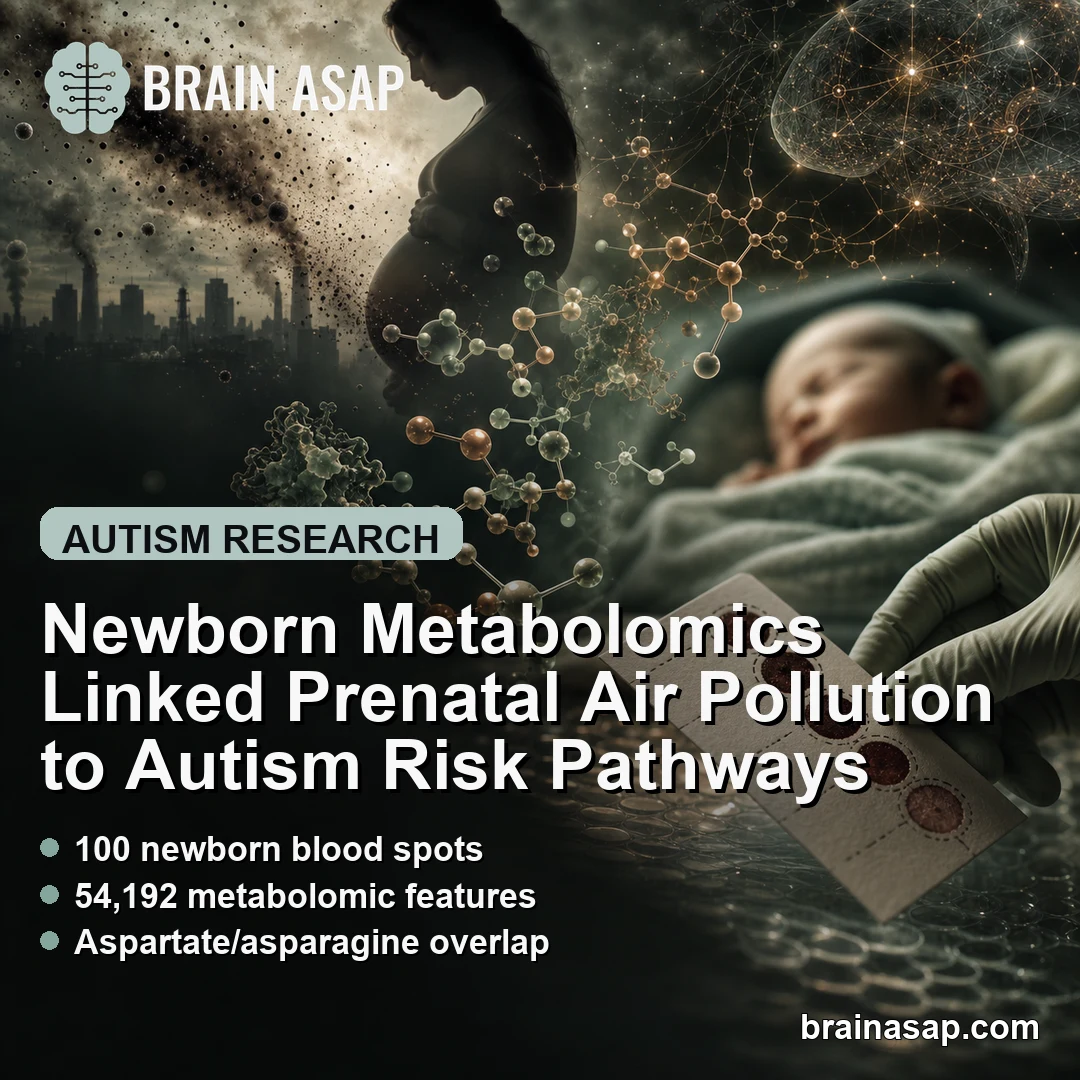
TL;DR: A 2026 study in Journal of Exposure Science & Environmental Epidemiology linked prenatal PM2.5 and non-freeway NOx exposure with newborn amino-acid metabolism pathways that also tracked autism spectrum disorder (ASD) diagnosis before age 5. Key Findings…
Read article ↗