TL;DR: A 2026 preprint on medRxiv found that in-person cognitive behavioral therapy for insomnia and several shorter behavioral versions were linked with higher post-treatment insomnia remission than sleep hygiene or other control conditions, but the evidence…
Read article ↗
TL;DR: A 2026 case study in International Medical Case Reports Journal described a 42-year-old man whose chronic insomnia improved after celiac disease was diagnosed and treated with a gluten-free diet, but the report cannot prove gluten exposure caused the sl…
Read article ↗
TL;DR: A 2026 real-world study in Journal of Clinical Sleep Medicine found that glucagon-like peptide-1 receptor agonist use was associated with lower 3-year cardiovascular-event risk in adults with obesity and obstructive sleep apnea. Key Findings 18,523 matc…
Read article ↗
TL;DR: A 2026 medRxiv preprint reported that peripheral blood RNA sequencing separated Parkinson disease from healthy controls and isolated REM sleep behavior disorder more clearly than it separated isolated REM sleep behavior disorder from controls. Key Findi…
Read article ↗
TL;DR: A 2026 feasibility study in the Journal of Activity, Sedentary and Sleep Behaviors found that pregnant participants could use a research-grade accelerometer plus text-message sleep diaries across much of pregnancy, although third-trimester wear declined…
Read article ↗
TL;DR: A 2026 randomized pilot study in JMIR Formative Research found that one brief yoga session did not significantly change salivary cortisol compared with quiet sitting, but it did raise heart rate during the active movement phase. Key Findings Yoga pilot…
Read article ↗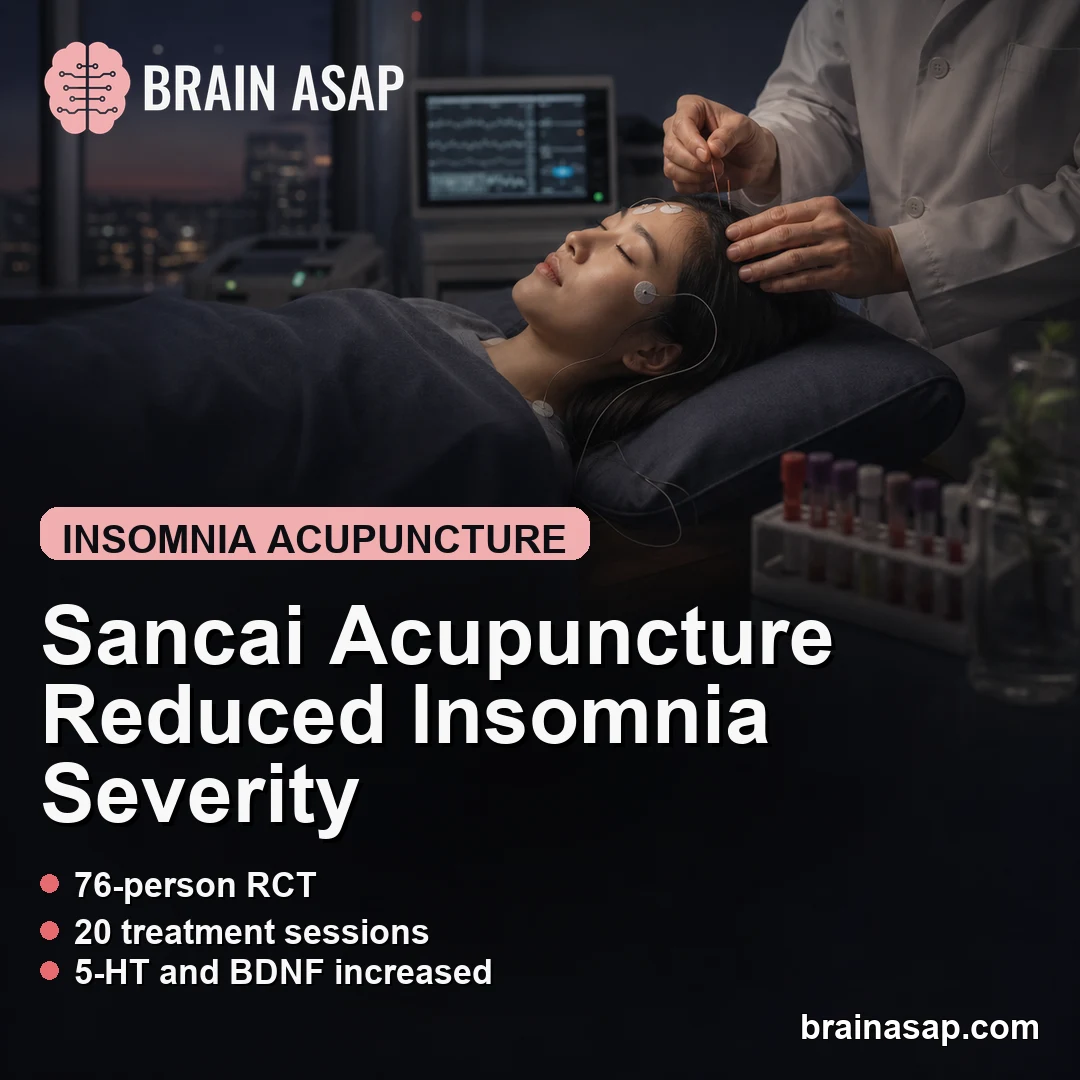
TL;DR: A 2026 randomized trial in Nature and Science of Sleep found that Sancai acupoint acupuncture reduced primary-insomnia severity more than sham acupuncture, with parallel improvements in sleep testing and peripheral 5-HT and BDNF biomarkers. Key Findings…
Read article ↗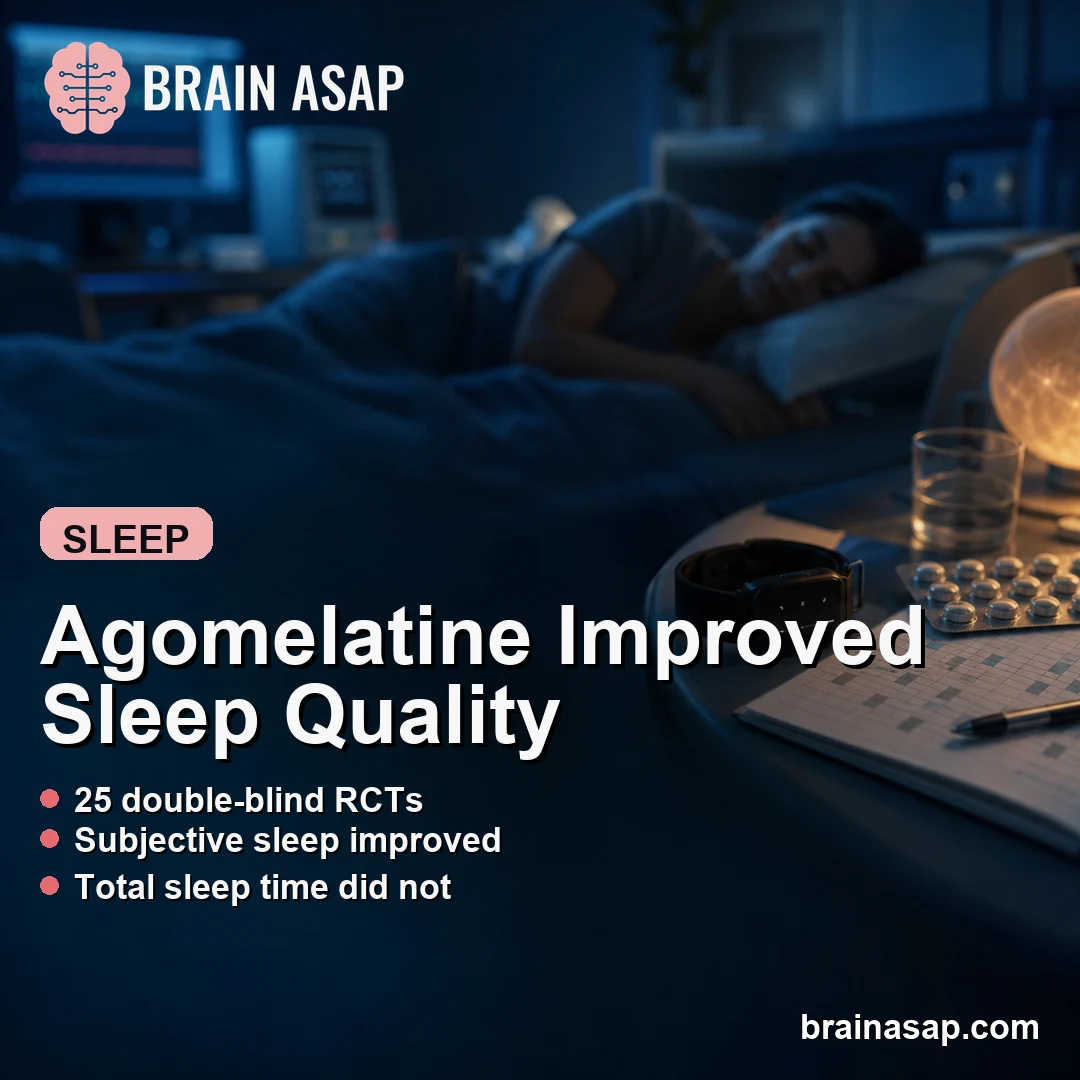
TL;DR: A 2026 systematic review and meta-analysis in Journal of Sleep Research found that agomelatine modestly improved subjective sleep quality versus placebo, but objective total sleep time did not significantly increase and somnolence reports were more freq…
Read article ↗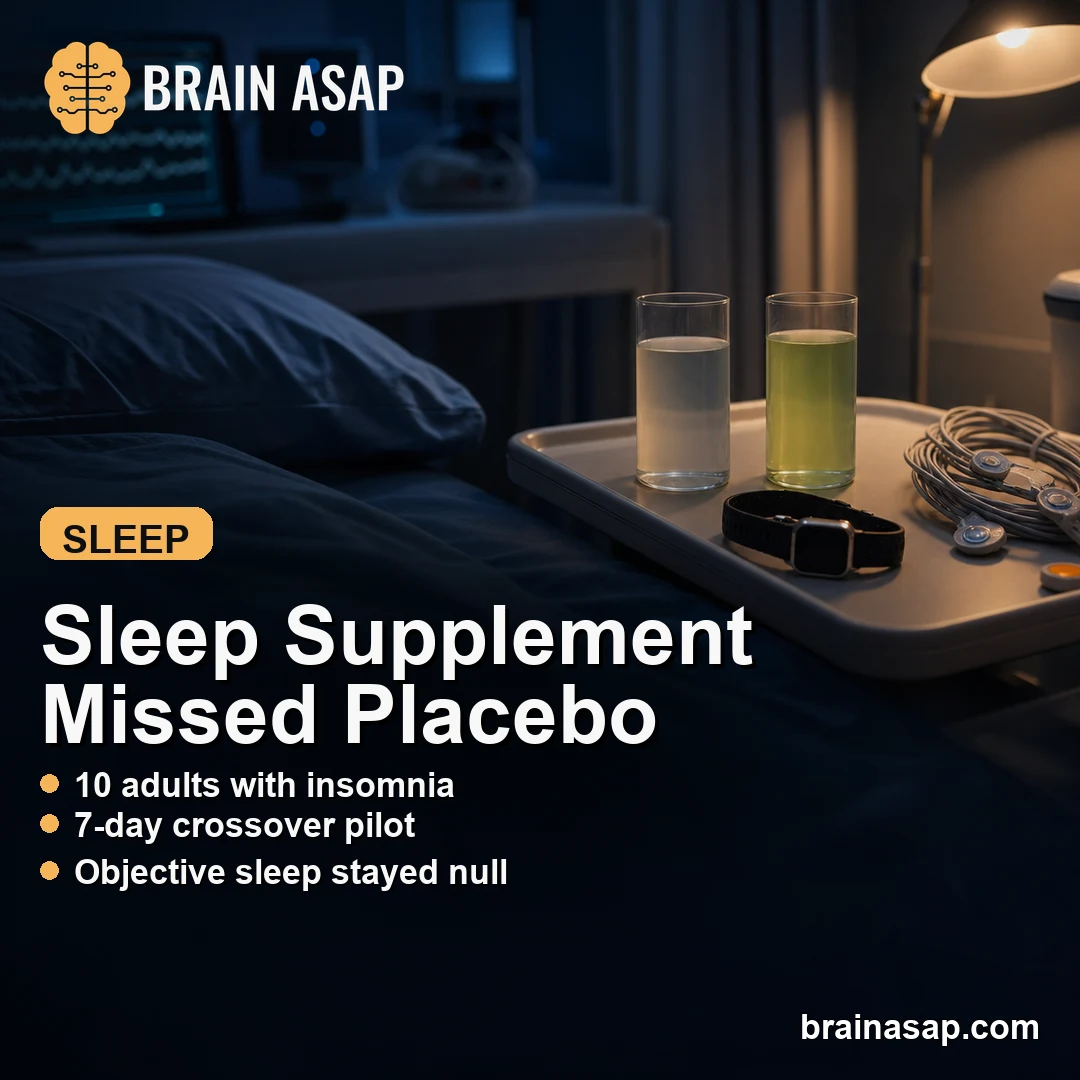
TL;DR: A 2026 pilot trial in PLOS One found that a 7-day chicory-and-green-tea herbal supplement did not improve sleep, quality of life, or objective sleep architecture more than placebo in adults with insomnia. Key Findings Small crossover pilot: The crossove…
Read article ↗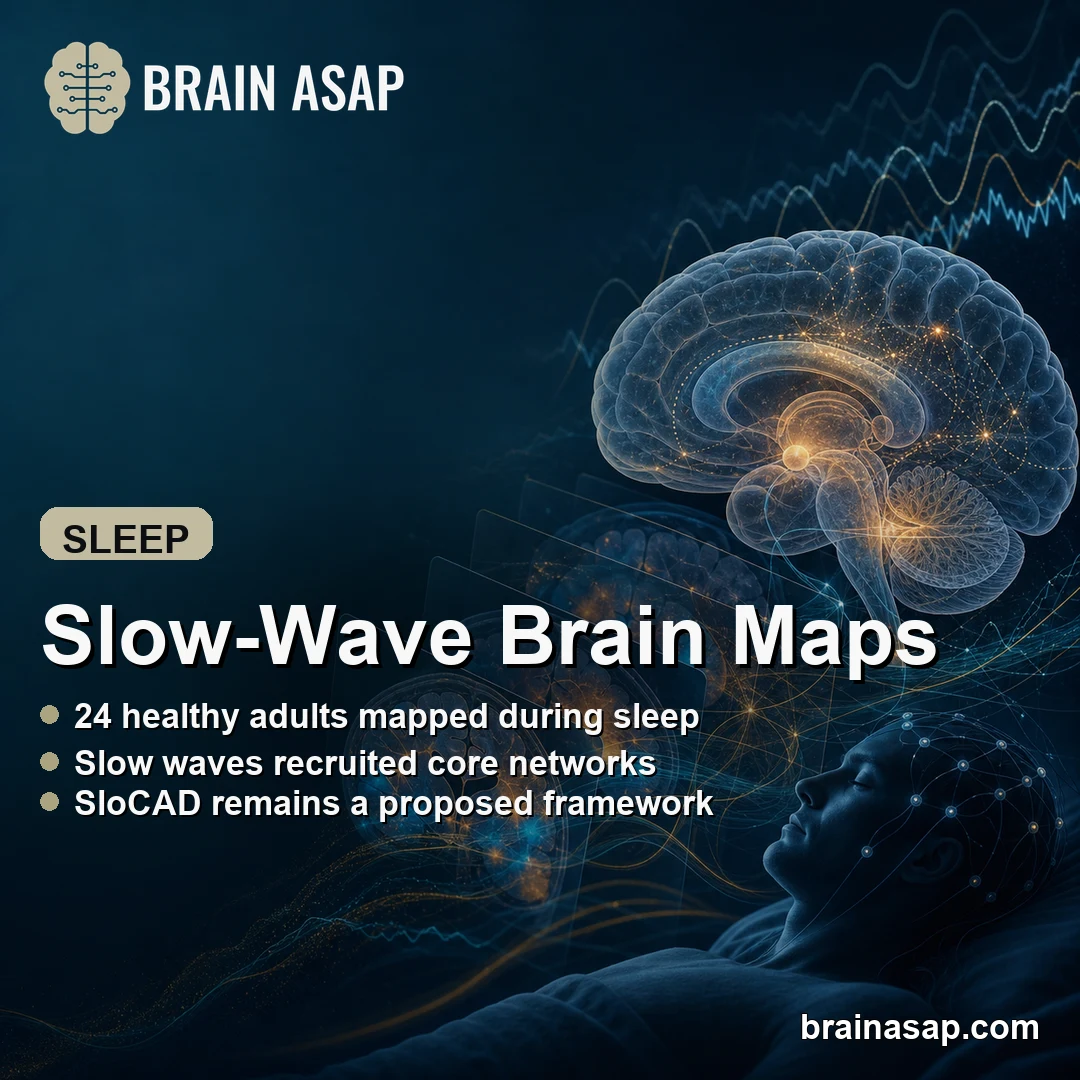
TL;DR: A 2026 iScience study used simultaneous EEG-fMRI from 24 healthy adults to build reference maps for slow-wave events (SWEs), brief sleep-related brain waves, and proposed SloCAD as a way to measure how an individual brain deviates from healthy slow-wave…
Read article ↗