Cannabis via Vaporized THC (20-40 mg) Caused Memory Impairment
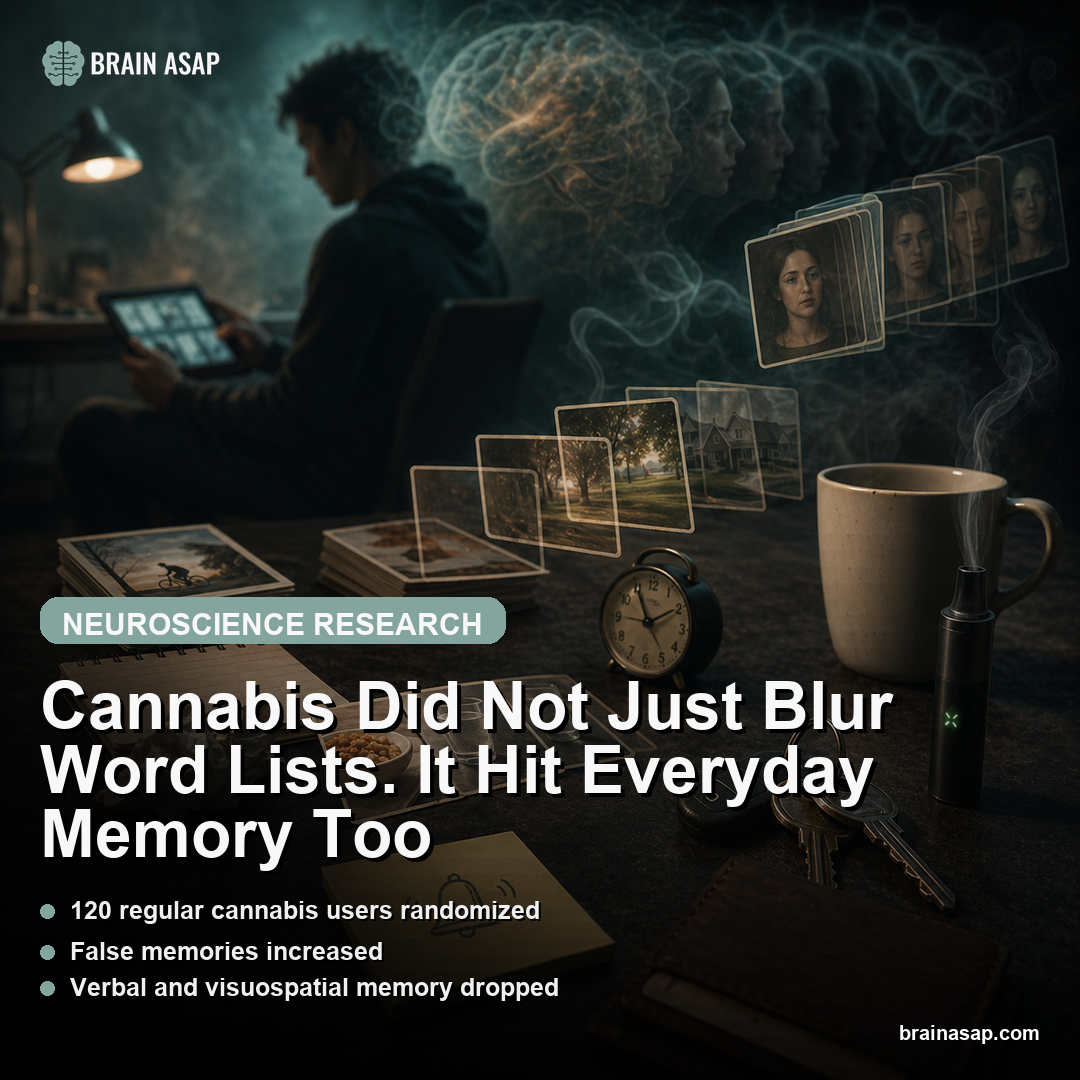
Cannabis Did Not Just Blur Word Lists. It Hit Everyday Memory Too

Cannabis Did Not Just Blur Word Lists. It Hit Everyday Memory Too TL;DR: A randomized vaporized-THC trial found broad acute memory impairment, including false memories, prospective memory, source memory, and temporal order memory, with no meaningful dose split between 20 and 40 mg. Key Findings 120 regular cannabis users randomized: Participants vaporized placebo cannabis, 20 …
Read more

150 mg Caffeine Did Not Trigger Panic Disorder Anxiety

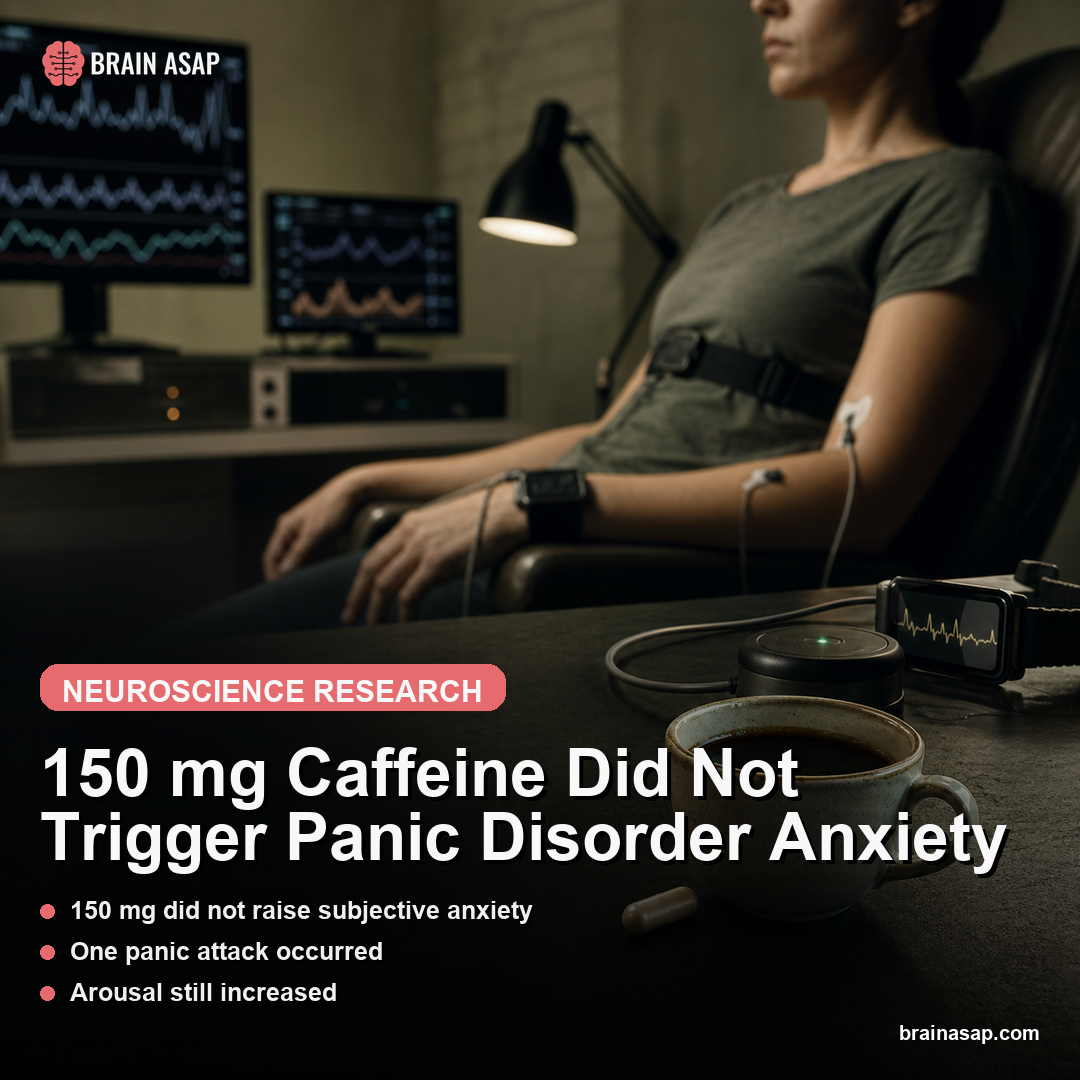
150 mg Caffeine Did Not Trigger Panic Disorder Anxiety

150 mg Caffeine Did Not Trigger Panic Disorder Anxiety TL;DR: A normal coffee-sized caffeine dose did not trigger a subjective anxiety surge in panic disorder, but it did make people more physiologically aroused, more avoidant, and more distracted by bodily sensations. Key Findings 150 mg did not raise subjective anxiety: The primary outcome did not …

Read more

Hormone Therapy Linked to 44% Improvement in Menopause Mood Symptoms

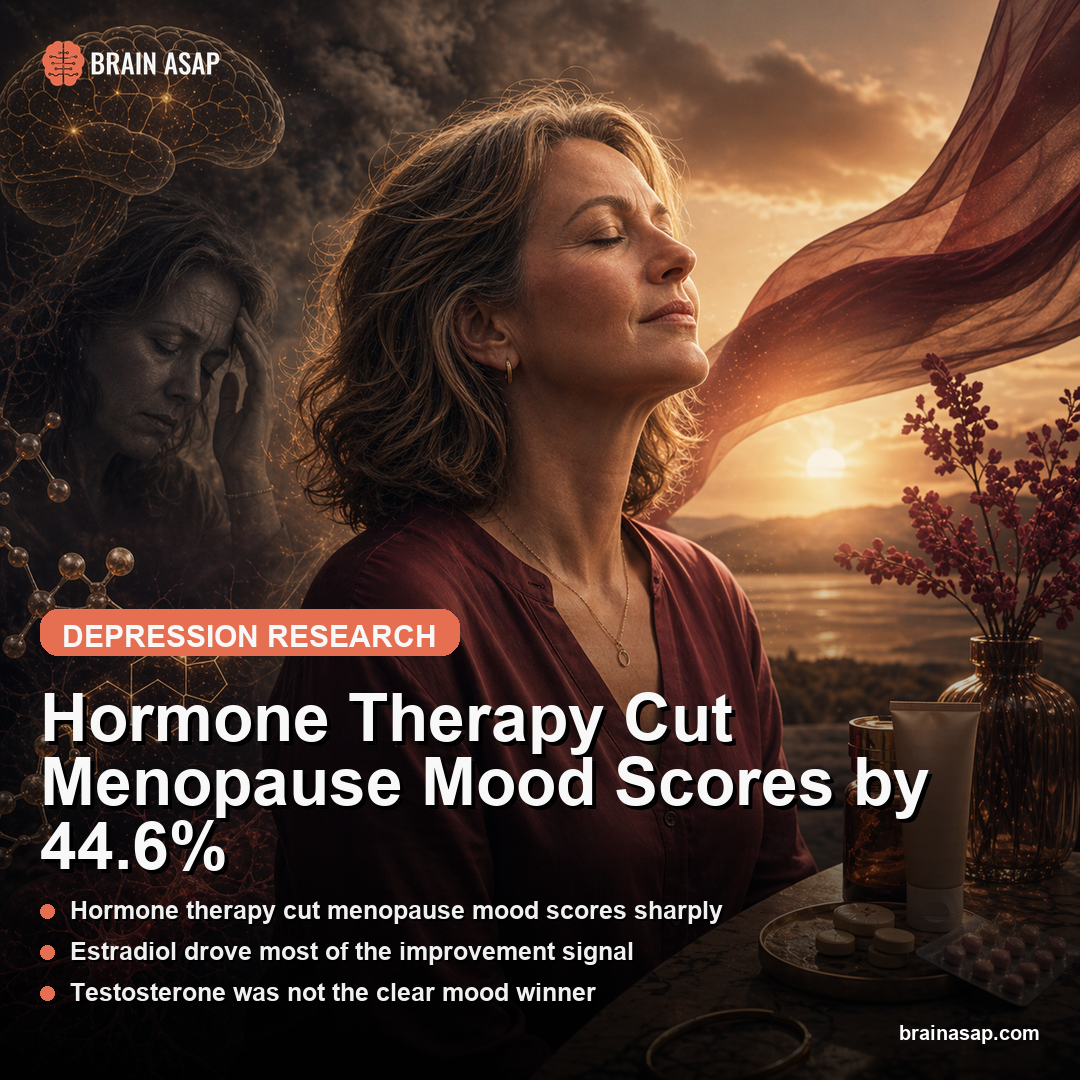
Hormone Therapy Cut Menopause Mood Scores by 44 Percent

Hormone Therapy Linked to 44% Improvement in Menopause Mood Symptoms TL;DR: Menopausal hormone therapy tracked with a 44.59% improvement in mood-symptom scores after about 107 days, across both peri- and postmenopausal women — and the gains were broadly similar regardless of which hormonal regimen was used. Key Findings 44.59% improvement in mood symptoms: After initiating …

Read more

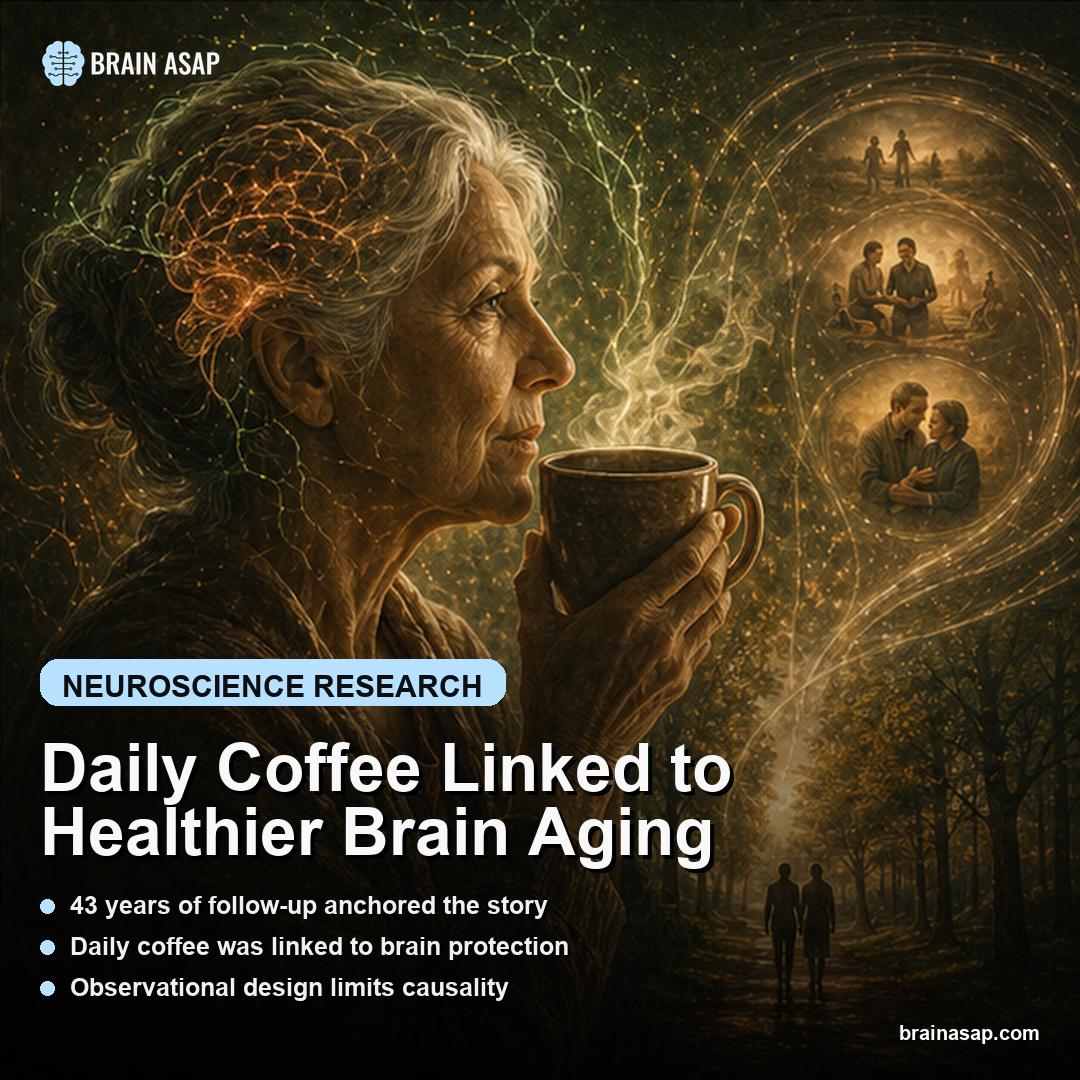
Caffeinated Coffee Linked to Lower Dementia Risk Over 43 Years

Daily Caffeinated Coffee Linked to Lower Dementia Risk

Caffeinated Coffee Linked to Lower Dementia Risk Over 43 Years TL;DR: Caffeinated coffee drinkers had 141 vs 330 dementia cases per 100,000 person-years in the highest versus lowest intake quartiles — across 131,821 adults followed up to 43 years. Decaf showed no comparable signal. Key Findings Caffeinated coffee: 141 vs 330 dementia cases per 100,000 …

Read more

Semaglutide Linked to 42% Fewer Psychiatric Hospital Episodes

Semaglutide Linked to Fewer Psychiatric Hospital Episodes

Semaglutide Linked to 42% Fewer Psychiatric Hospital Episodes TL;DR: In Swedish registry data covering nearly 100,000 people with depression or anxiety, psychiatric hospital visits and sickness absence were 42% lower during semaglutide treatment periods — with comparable reductions in depression, anxiety, and substance-use outcomes. Key Findings 42% lower psychiatric care during semaglutide periods: Psychiatric hospital …

Read more

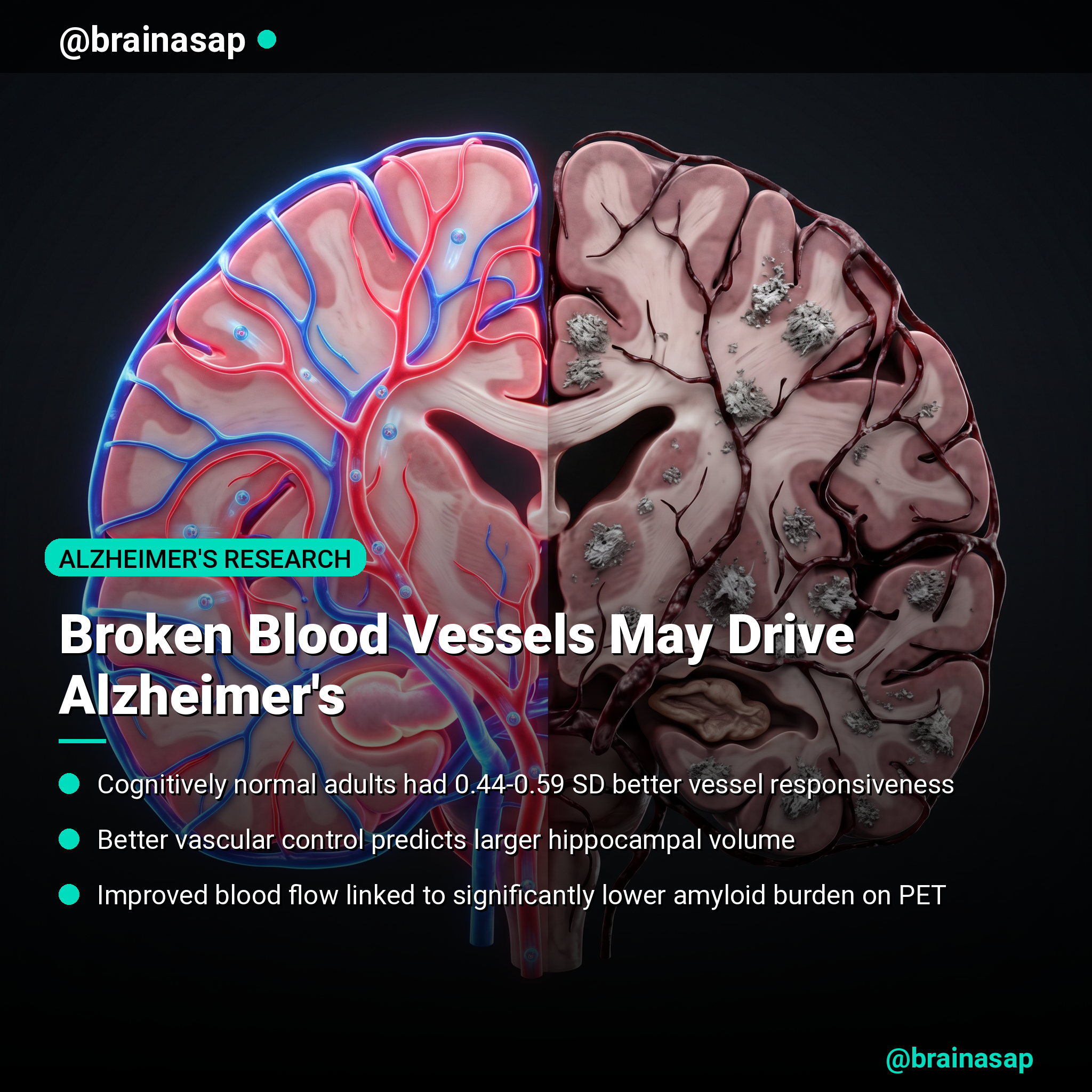
Broken Blood Vessels May Drive Alzheimer’s Decline

Broken Blood Vessels May Drive Alzheimer’s Decline TL;DR: A new study reveals that impaired cerebrovascular function—the brain’s ability to regulate blood flow—correlates strongly with Alzheimer’s symptoms, offering a potential non-invasive way to detect early cognitive decline. Alzheimer’s disease has long been framed as a problem of toxic protein accumulation: amyloid plaques and tau tangles strangling …

Read more

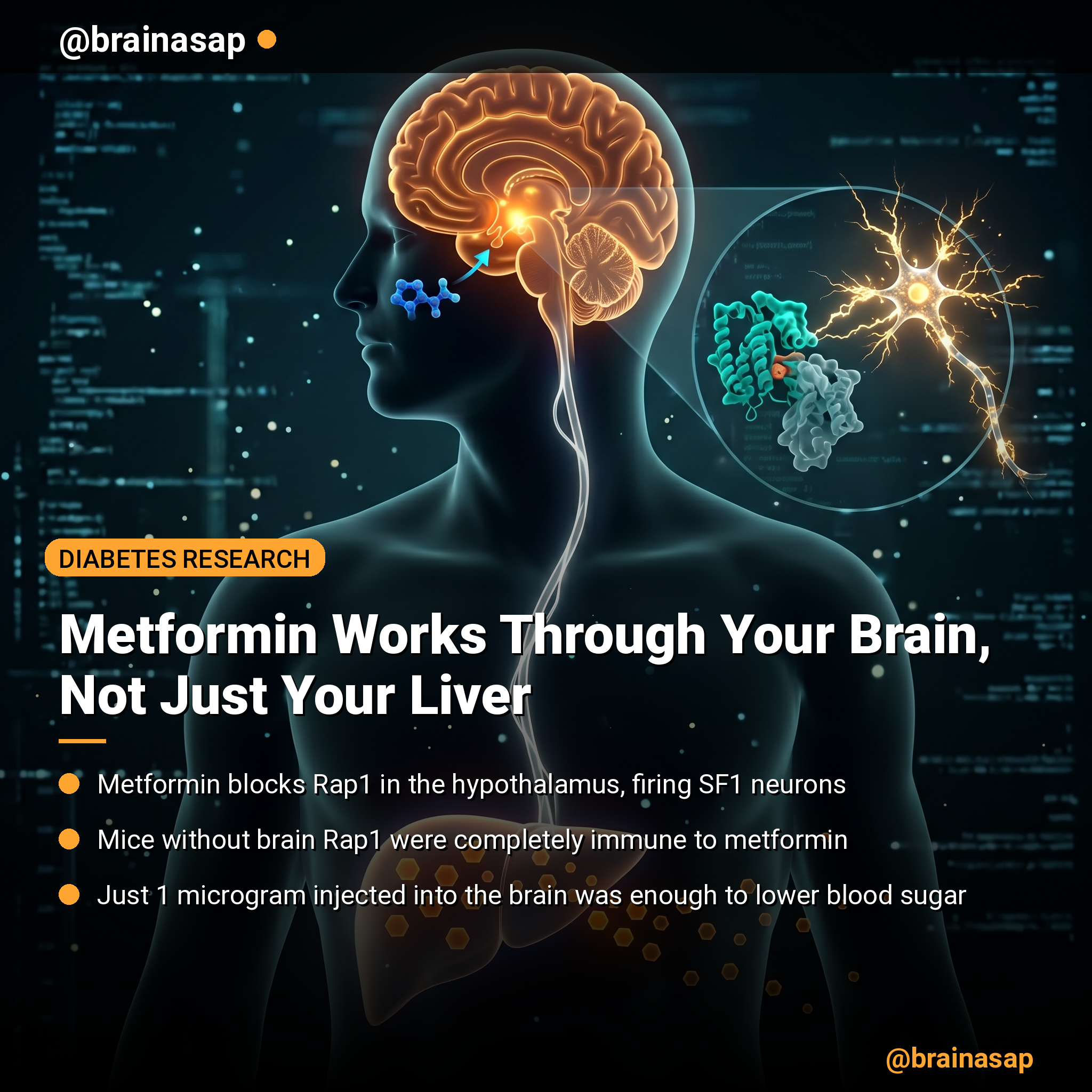
Metformin’s Hidden Brain Mechanism: How the Hypothalamus Controls Blood Sugar

Metformin’s Secret Weapon: How the Brain Controls Blood Sugar TL;DR: Metformin’s glucose-lowering effect depends on a brain signaling pathway—it inhibits Rap1 in the hypothalamus, activating neurons that tell the liver to stop overproducing glucose. For decades, metformin has been the first-line drug for type 2 diabetes, working so reliably that millions take it daily. Yet …

Read more

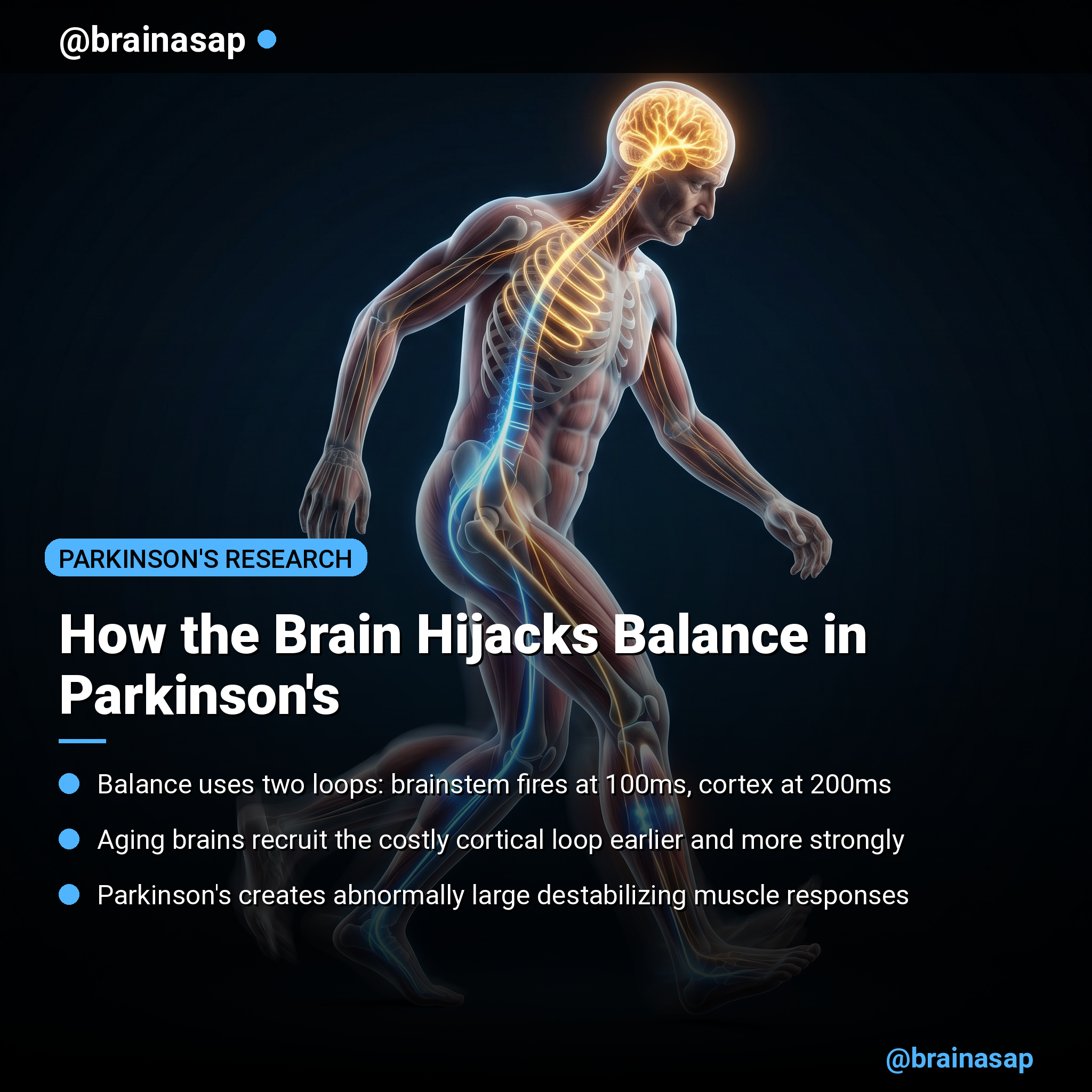
How the Brain Hijacks Balance Control in Parkinson’s Disease

How the Brain Hijacks Balance Control in Parkinson’s TL;DR: When older adults face large balance challenges, their brains shift from relying on quick brainstem reflexes to slower cortical circuits—a shift that happens even in Parkinson’s disease, revealing a mechanistic window into age-related balance loss. Balance isn’t automatic. When you stumble forward or feel the ground …

Read more

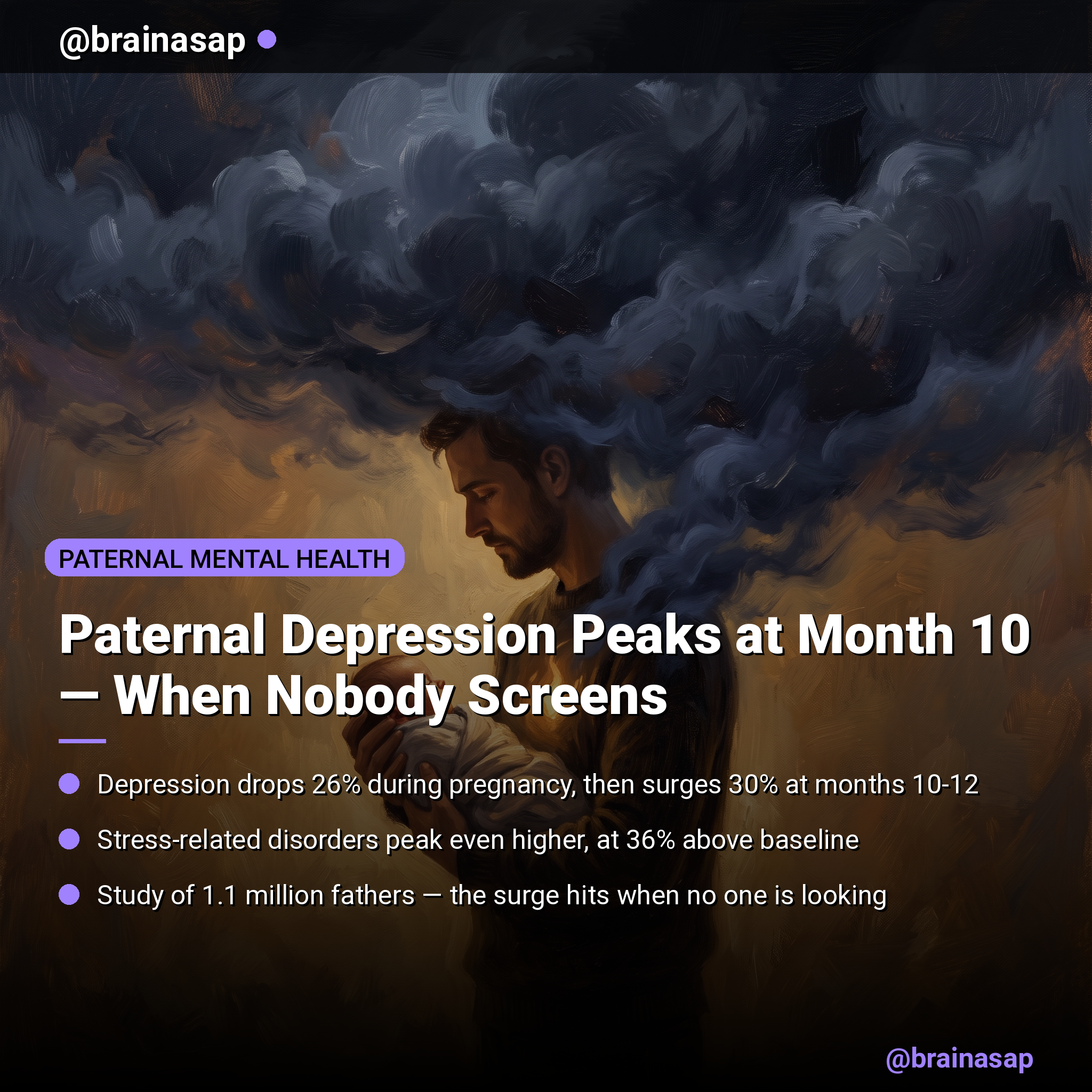
Paternal Postpartum Depression Peaks at 10-12 Months, Not at Birth

The Hidden Postpartum Crisis Nobody Screens For: Paternal Depression Peaks at 10-12 Months TL;DR: Fathers experience a protective period early postpartum (depression drops by 26%), but depression and stress surge at months 10-11, creating a 30-36% elevated risk when no one is screening for it. Perinatal psychiatry has a crisis of attention. Mothers are screened …

Read more

How Lecanemab Clears Amyloid: The Microglia & SPP1 Mechanism

How Lecanemab Clears Brain Amyloid: The Microglia Key TL;DR: Lecanemab, the first Alzheimer’s antibody to slow cognitive decline, works by activating immune cells called microglia through a specific immune signaling pathway, with the molecule SPP1/osteopontin playing a critical role in triggering the brain’s own cleanup machinery. When lecanemab was approved by the FDA, it sparked …

Read more