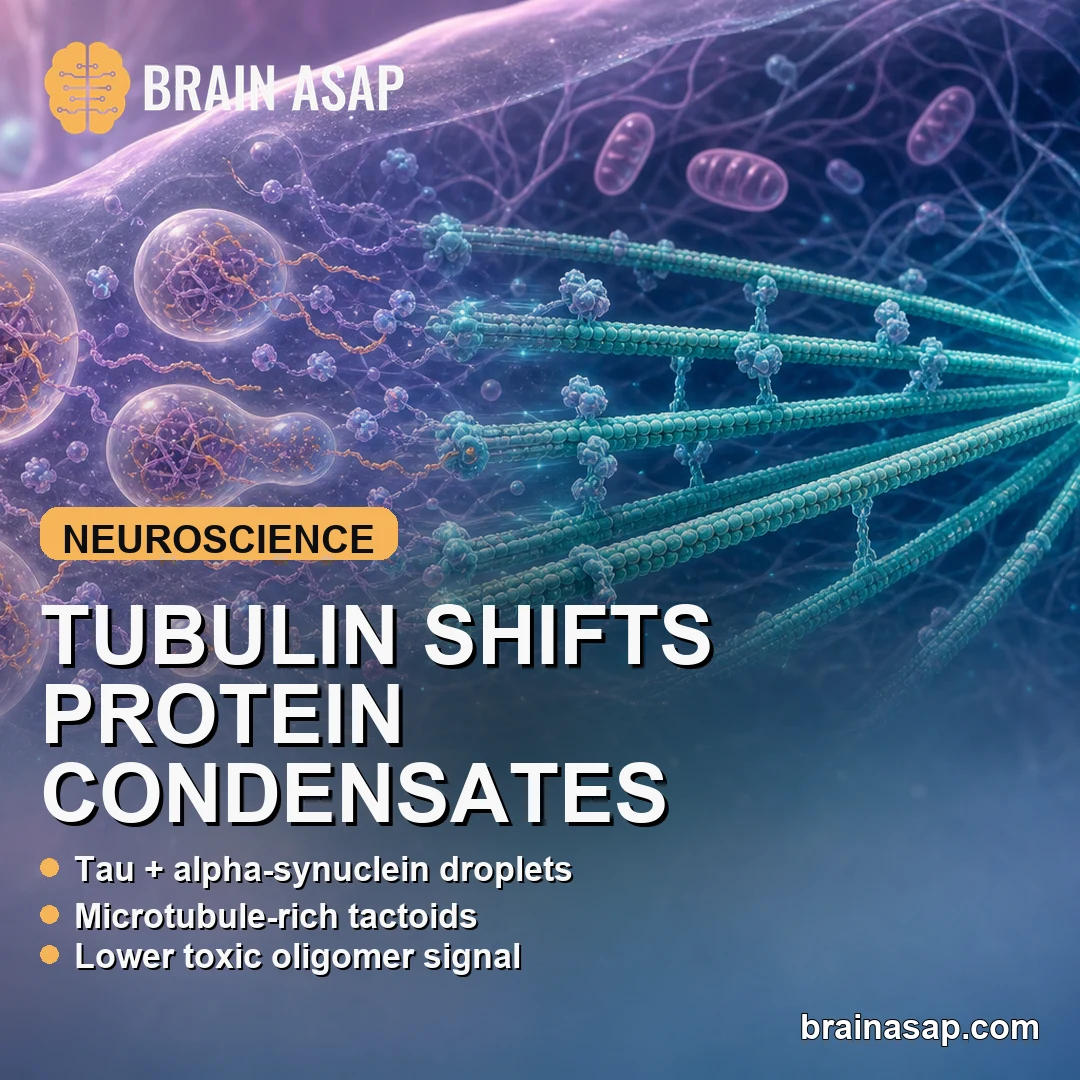
TL;DR: A 2026 study in Nature Communications reported that tubulin redirected Tau and alpha-synuclein condensates toward microtubule-building states, while tubulin loss pushed the same protein system toward toxic oligomers in cell models. Key Findings 36-hour…
Read article ↗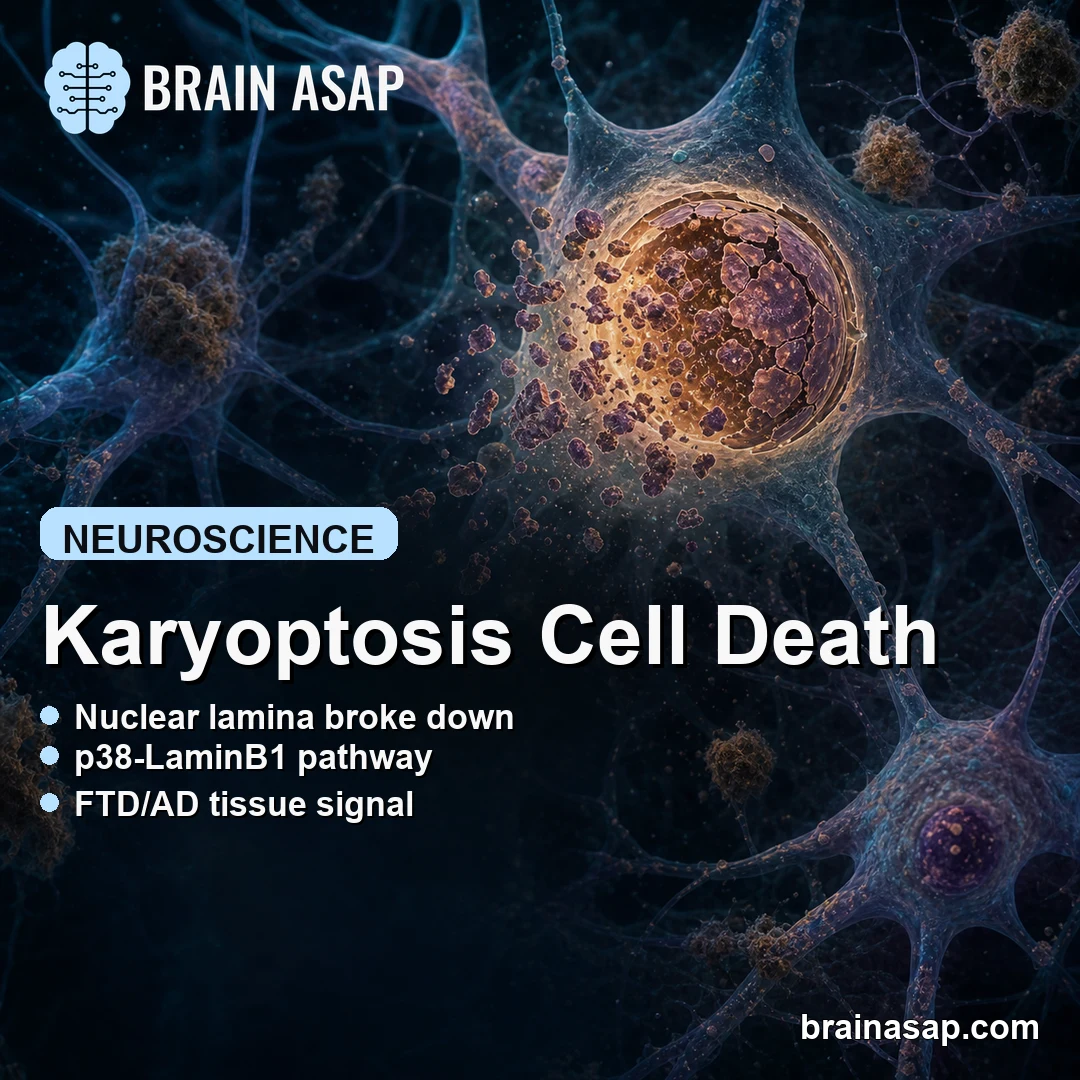
TL;DR: A 2026 study in Nature Communications found that proteotoxic stress can push neurons into karyoptosis, a cell-death pathway marked by nuclear lamina breakdown, nuclear-material expulsion, and dementia-linked tissue signatures. Key Findings Karyoptosis w…
Read article ↗
TL;DR: A 2026 preprint in medRxiv used amyloid positron-emission tomography, tau molecular imaging, and structural MRI to build individualized Alzheimer’s disease biomarker axes from ADNI and validate them in OASIS. Key Findings 12,430 ADNI images: The pipelin…
Read article ↗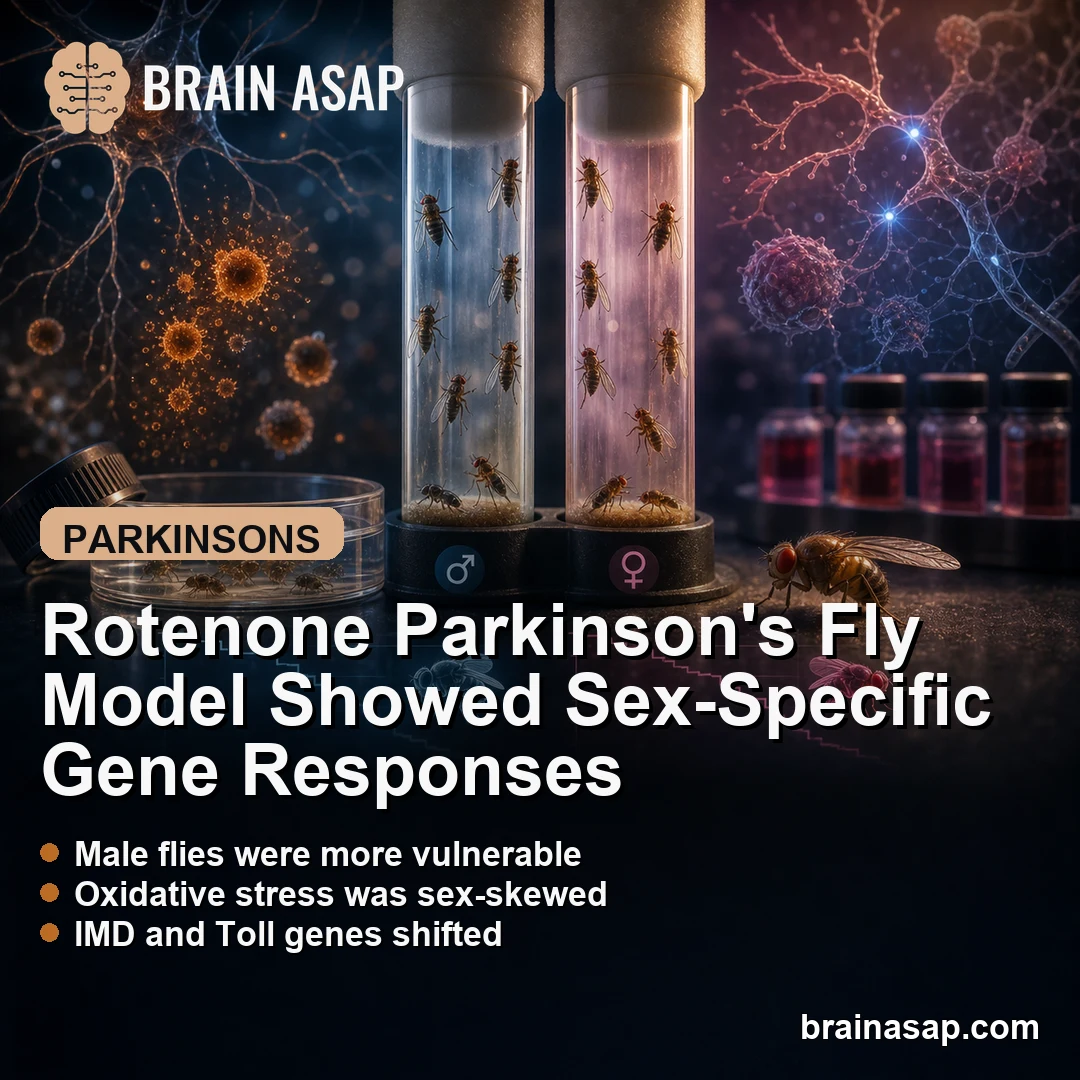
TL;DR: A 2026 fly study in IBRO Neuroscience Reports found that long-term rotenone exposure produced stronger survival, climbing, oxidative-stress, and late immune-gene disruption in male Drosophila than in female flies. Key Findings 90 flies per sex were trac…
Read article ↗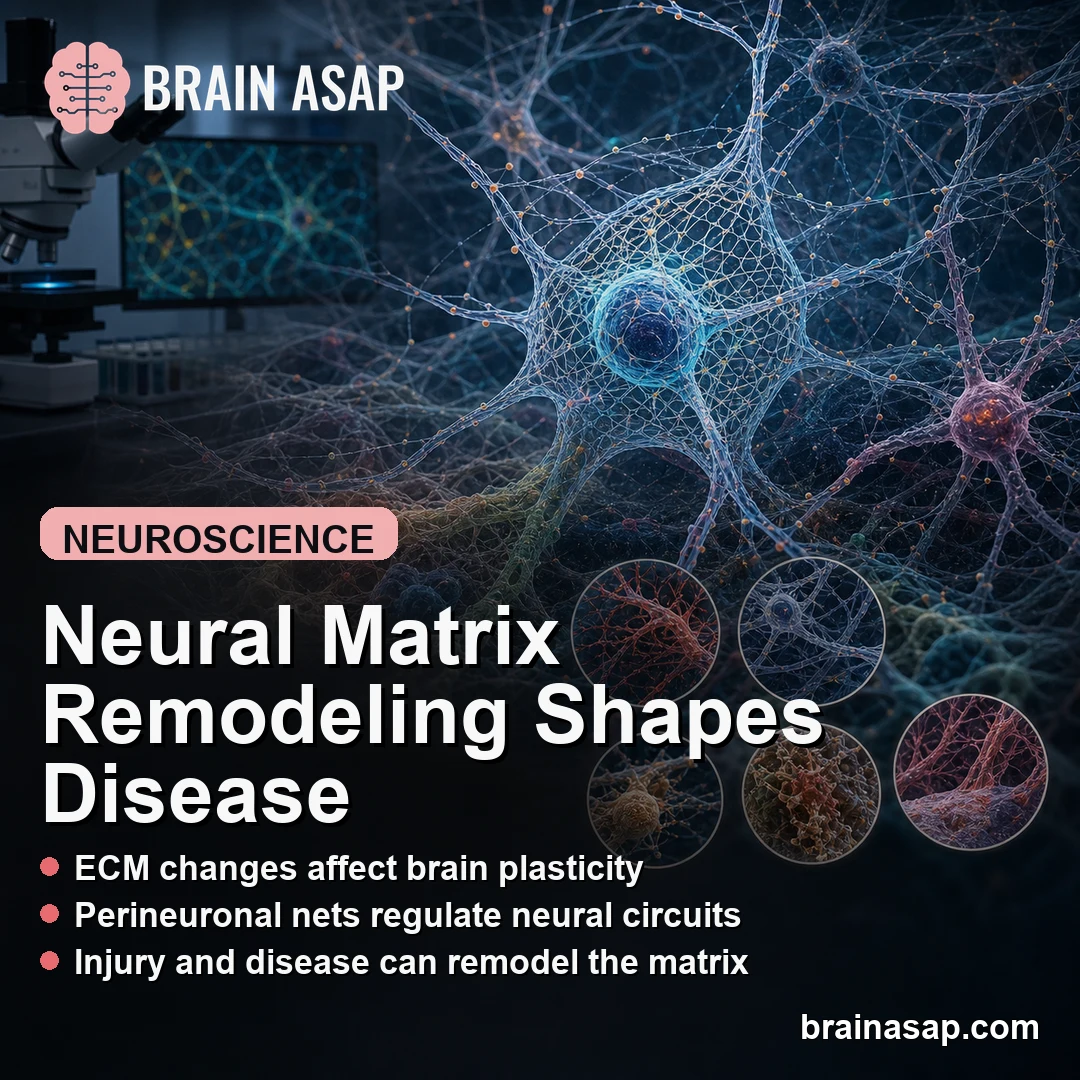
TL;DR: A 2026 review in Nature Reviews Neurology argued that neural extracellular matrix (ECM), the protein-and-glycan scaffold around central nervous system cells, is an active regulator of brain plasticity and neurological disease. Key Findings Multiple ECM…
Read article ↗
TL;DR: A 2026 review in Translational Neurodegeneration found that most repurposed multiple system atrophy drugs failed to show disease-slowing effects in trials, while ubiquinol produced the clearest placebo-controlled motor-progression signal. Key Findings N…
Read article ↗
TL;DR: A 2026 preprint in medRxiv used electroencephalography (EEG), a scalp electrical-activity recording method, and electrocardiogram (ECG) recordings to test whether brain-heart interplay, meaning coupling between brain-network organization and cardiac aut…
Read article ↗
TL;DR: A 2026 study in Glia used human single-nucleus RNA sequencing datasets and mouse validation to identify a shared neurodegeneration-linked microglial transcription program, highlighting SPP1 as a disease-associated microglia marker. Key Findings Five dis…
Read article ↗
TL;DR: A 2026 modeling study in Journal of Mathematical Biology found that delayed unfolded protein response (UPR), a cellular stress program that slows protein production, could make toxic prion protein either die out, persist, or oscillate as it spreads thro…
Read article ↗
TL;DR: A 2026 study in Translational Neurodegeneration found that reducing NDST3, a microtubule deacetylase that affects lysosome acidity, restored lysosomal acidification and reduced amyloid-beta and tau pathology in Alzheimer’s cell and mouse models. Key Fin…
Read article ↗