Oral Contraceptives Enhance Social Behaviors & Reduce Threat Avoidance Under Stress in Women (2024 Study)

Oral contraceptives (OCs) reduce avoidance bias and increase approach behavior under stress, with effects varying based on the type of contraceptive used. Highlights: Participants: The study involved 130 women, split evenly between those taking oral contraceptives (OCs) and those not using any hormonal contraception. Avoidance Bias: Women taking oral contraceptives showed a reduced tendency to …


Read more

Effects of Water Pollution on the Brain & Strategies to Avoid Neurotoxicity (2024)

Water pollution poses serious risks to human brain health, leading to neurological damage and increased risk of neuropsychiatric diseases. Highlights: Sources of Pollution: Water sources are contaminated by industrial waste, agricultural runoff, and urban waste, introducing harmful chemicals like pesticides, inorganic salts, and organic compounds into drinking water. Neurological Impact: Chemicals such as acrylamide in …

Read more

How Common Are Antidepressant Withdrawal Symptoms? Estimated in 31% of Patients (2024 Review)

Antidepressant withdrawal symptoms occur in about one-third of patients stopping antidepressants, with severe symptoms in about 3% of cases – according to a new Lancet Psychiatry review. Highlights: Incidence of Symptoms: Approximately 31% of patients experience at least one discontinuation symptom after stopping antidepressants, compared to 17% for those stopping placebo. Severe Symptoms: Around 3% …

Read more

Lecanemab for Alzheimers Disease: Reduces Amyloid-Beta Plaques But High ARIA Adverse Events (2024 Review)

Lecanemab shows promise in treating Alzheimer’s disease by reducing clinical deterioration and amyloid-beta plaques, but it has significant adverse effects and requires further research for confirmation. Highlights: FDA Approval: The US FDA authorized lecanemab for Alzheimer’s disease treatment in January 2023. Efficacy: Lecanemab significantly reduces clinical deterioration and amyloid-beta plaques in the brain. Adverse Effects: …

Read more

Lower Intracortical Myelination in Depression within Lateral Orbitofrontal Cortex (2024 Study)

A study used a 7-Tesla MRI to discover that major depressive disorder (MDD) is linked to lower intracortical myelination, particularly in brain regions associated with negative emotions. Highlights: Advanced MRI: The study used Ultra-High Field MRI at 7.0 Tesla to gain detailed insights into brain microstructures in MDD patients. Brain Regions: Researchers focused on the …

Read more

1-Year Post-COVID Neuropsychiatric Symptoms: Fatigue, Cognition, Anxiety, Depression, Headache, Dizziness (2024 Study)

A study found that adults recovering from their first COVID-19 infection more than 1-year ago have higher levels of fatigue and other chronic neuropsychiatric symptoms, influenced by vaccination status and socioeconomic factors. Highlights: Adults who had their first COVID-19 infection over 1-year ago reported significantly higher fatigue levels compared to those who never had COVID-19 …

Read more

Epigenetic Biosignature of First-Episode Schizophrenia Identified via Machine Learning (2024)

A new study uses AutoML and blood DNA methylation data to identify novel gene biomarkers for diagnosing schizophrenia (SCZ) with high accuracy. Highlights: Biomarker Discovery: AutoML identified three schizophrenia-specific gene methylation biomarkers: IGF2BP1, CENPI, and PSME4. Methylation Analysis: IGF2BP1 showed higher methylation and PSME4 showed lower methylation in SCZ patients compared to healthy controls, while …

Read more

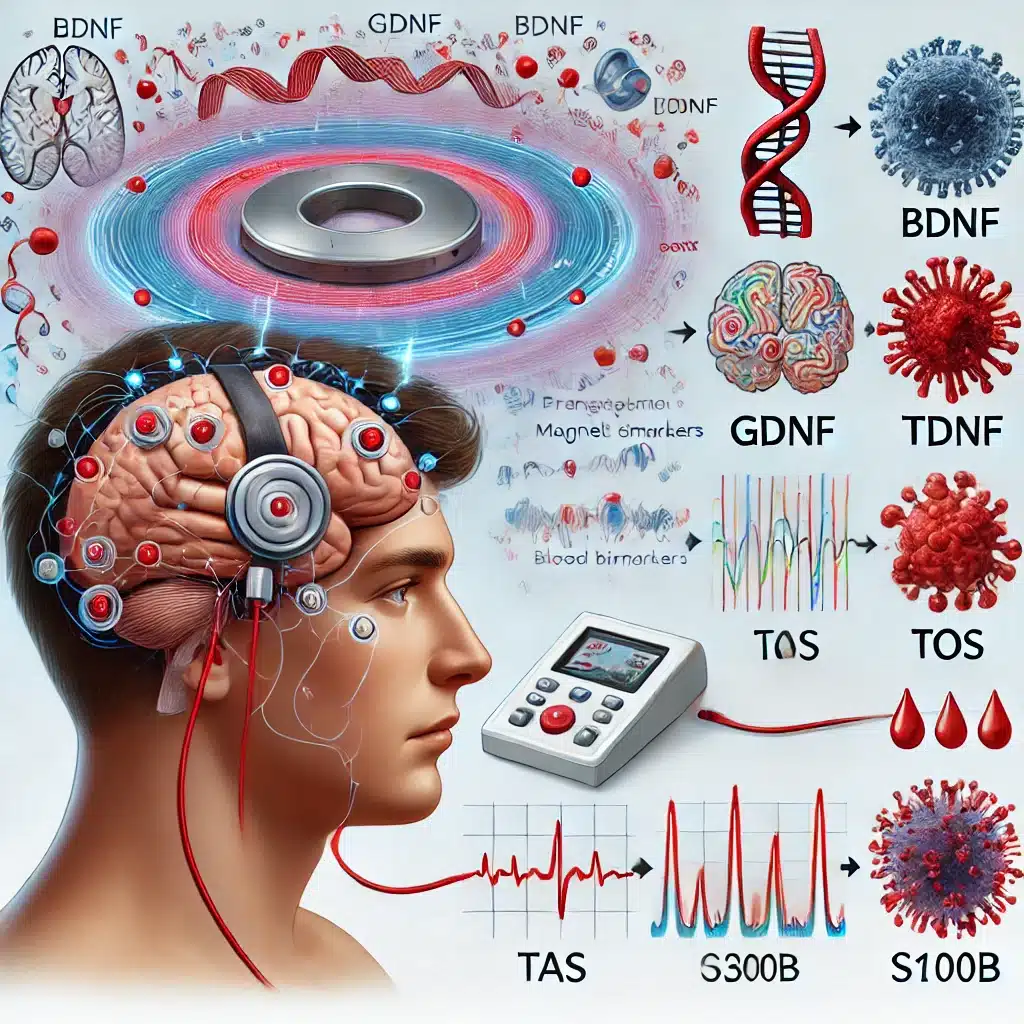
rTMS Improves Blood Biomarkers (BDNF, GDNF, Thiol, S100B) in Depression (2024 Study)

Repetitive transcranial magnetic stimulation (rTMS) therapy improves key biochemical markers in major depressive disorder (MDD) patients, indicating its effectiveness as an antidepressant treatment. Highlights: Improved Antioxidant Levels: rTMS therapy significantly increased total antioxidant status (TAS), total thiol (TT), and native thiol (NT) levels in MDD patients compared to their levels before treatment. Reduced Oxidative Stress: …

Read more

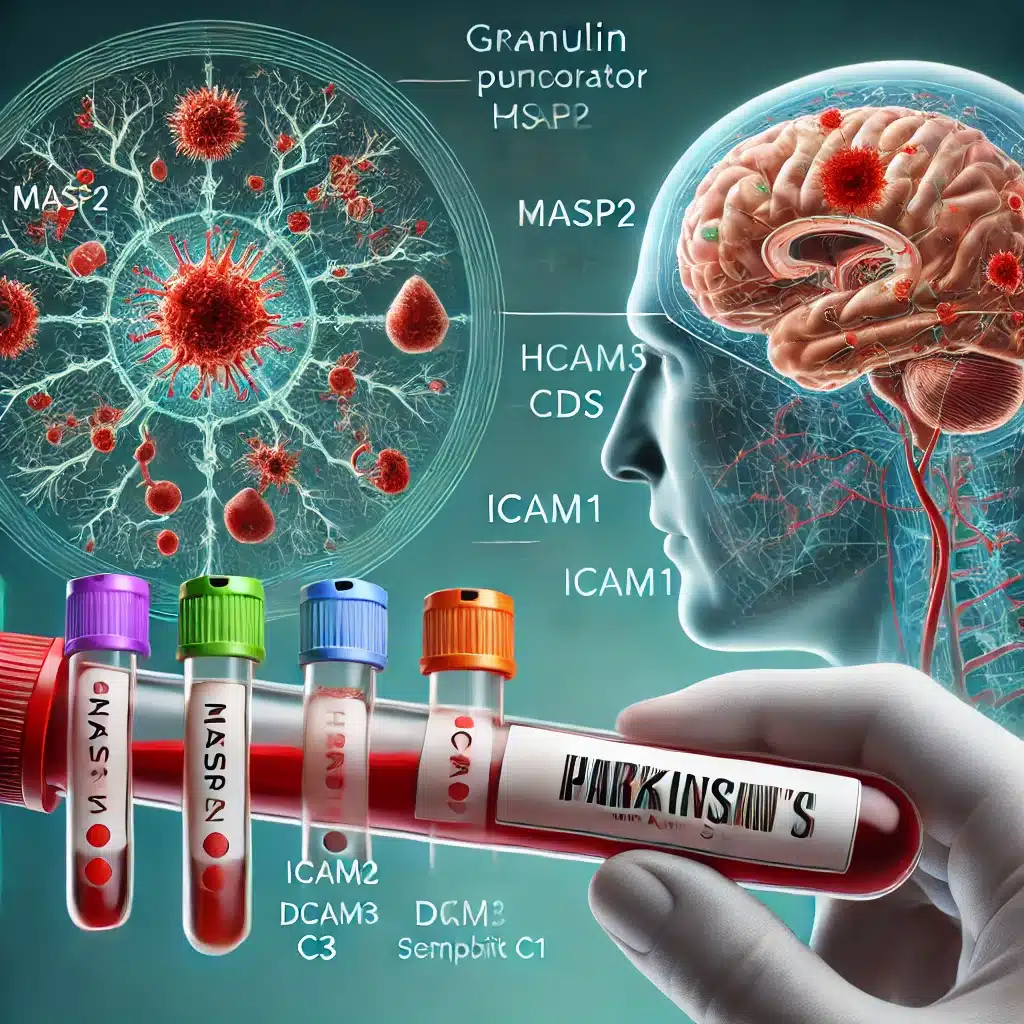
8 Plasma Biomarkers to Predict Parkinson’s Disease Up to 7 Years Before Motor Symptoms (2024 Study)

A study identified a panel of eight plasma biomarkers that can predict Parkinson’s disease up to seven years before motor symptoms appear. Highlights: Biomarker Panel: The study validated a panel of 8 proteins, including Granulin precursor and Complement C3, using mass spectrometry, which can differentiate Parkinson’s patients from healthy controls and identify pre-motor individuals with …

Read more

Chess Experts Differ in Chunk Memory & Brain Connectivity vs. Novices (2024 Study)

Expert chess players use chunk memory to make better decisions, showing unique brain connectivity that helps them perform well even against tougher opponents. Highlights: Consistent Performance: Expert chess players perform equally well regardless of the difficulty level, unlike beginners whose performance drops with increased difficulty. Stronger Brain Connections: Experts show stronger connections in specific brain …

Read more