
TL;DR: A 2026 nationwide study in PLOS One found that adults age 40 and older in Iceland often had psychiatric diagnoses and psychotropic medication fills, with 20.8% receiving a diagnosis in the prior year and 34.2% filling at least one psychotropic prescript…
Read article ↗
TL;DR: A 2026 study in Stigma and Health found that women who lost 15% of body weight with GLP-1 receptor agonists, medications such as semaglutide that mimic a metabolic hormone involved in appetite and glucose signaling, were judged more harshly than women w…
Read article ↗
TL;DR: A 2026 service-mapping study in BJPsych Bulletin found that community forensic mental health services (CFMHS), specialist teams for people with mental disorder and serious risk histories, still vary widely across England in structure, referral access, s…
Read article ↗
TL;DR: A 2026 study in Social Psychology found that a female professor and a male professor produced almost identical obedience in a modern Milgram-style replication, suggesting professional authority mattered more than the authority figure’s gender. Key Findi…
Read article ↗
TL;DR: A 2026 cross-sectional study in Disaster Medicine and Public Health Preparedness found that 159 of 230 Farsi-speaking refugees in German refugee camps screened at high risk for depression, anxiety, and PTSD symptoms, while resilience, psychological flex…
Read article ↗
TL;DR: A 2026 retrospective case series study in European Journal of Psychotraumatology found that trauma flashbacks during esketamine nasal spray sessions were distressing but usually time-limited in 22 patients with treatment-resistant depression and PTSD; w…
Read article ↗
TL;DR: A 2026 review in Neuropsychiatric Disease and Treatment argued that electroacupuncture (EA), acupuncture delivered with small electrical stimulation, has depression-related mechanism evidence, but clinical trials need biomarker-guided patient groups, st…
Read article ↗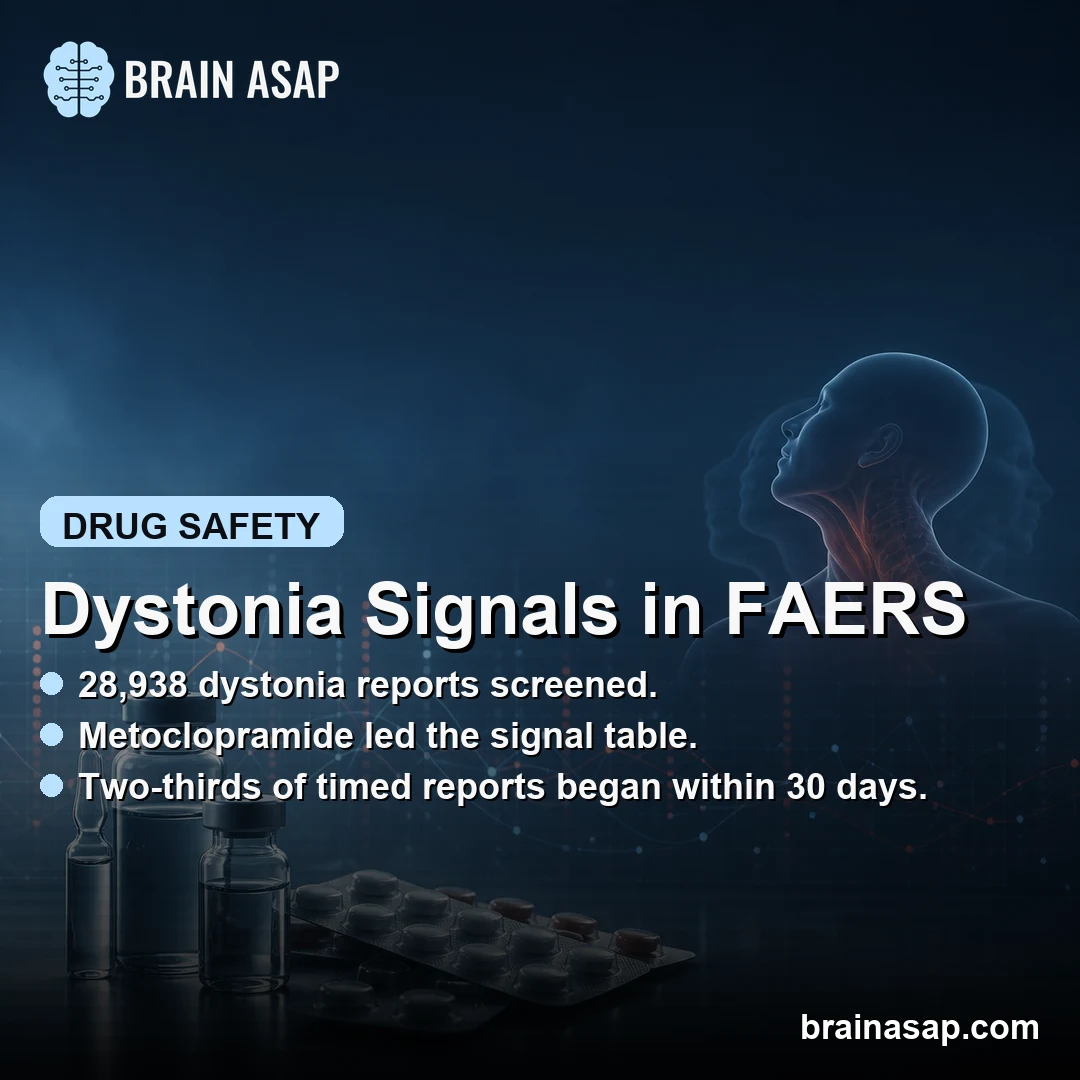
TL;DR: A 2026 study in Health Science Reports found that metoclopramide and several antipsychotics were strongly overrepresented in FDA adverse-event reports for drug-induced dystonia, with many reported cases appearing within the first month after drug initia…
Read article ↗
TL;DR: A 2026 systematic review and meta-analysis in European Journal of Psychotraumatology found that phase-based therapy was not clearly better than non-phase-based therapy for most complex PTSD outcomes, although multi-phase treatment had stronger PTSD effe…
Read article ↗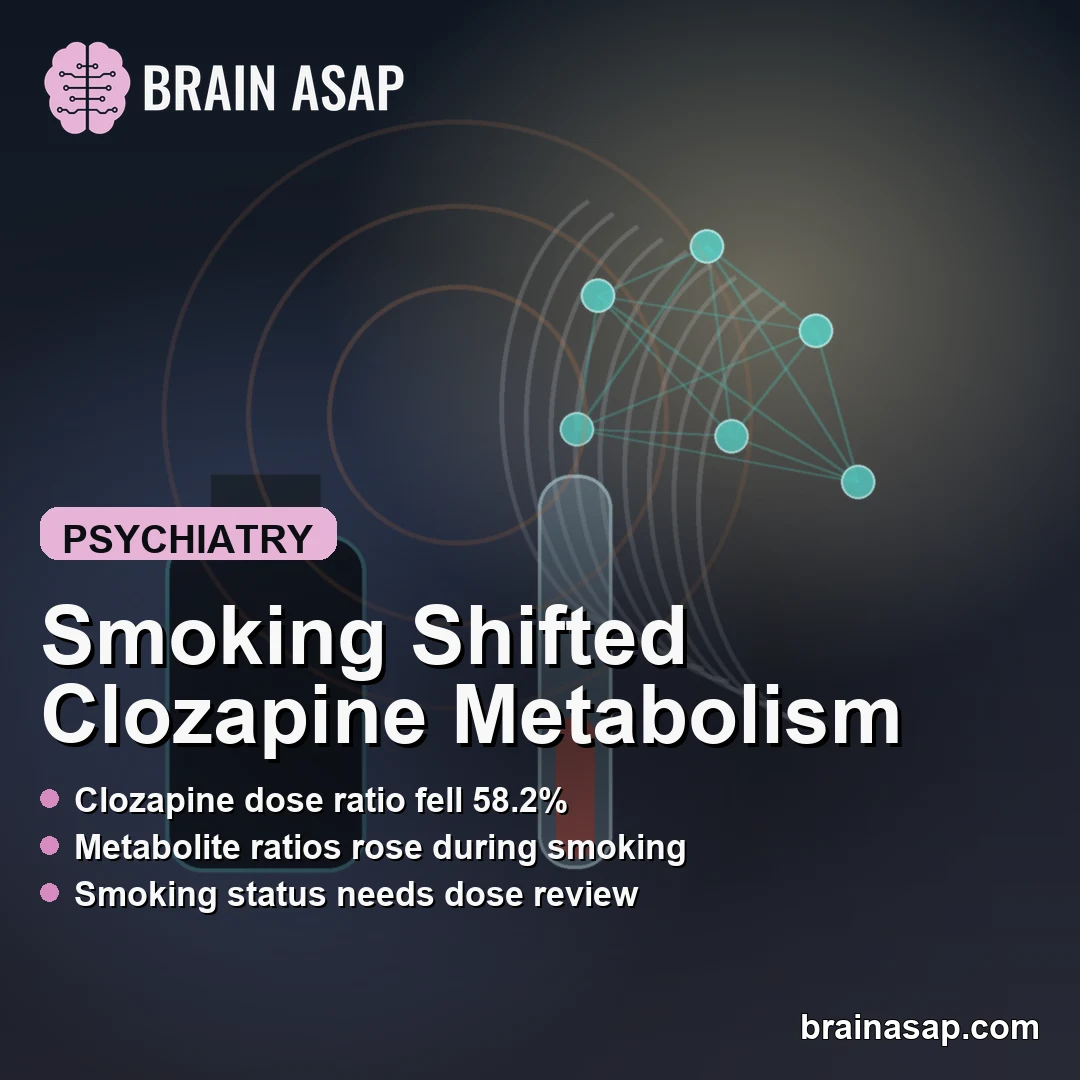
TL;DR: A 2026 study in Neuropsychopharmacology Reports found that repeated cigarette smoking and quitting shifted clozapine metabolism in one Japanese man with treatment-resistant schizophrenia, with the dose-adjusted clozapine level falling during smoking per…
Read article ↗