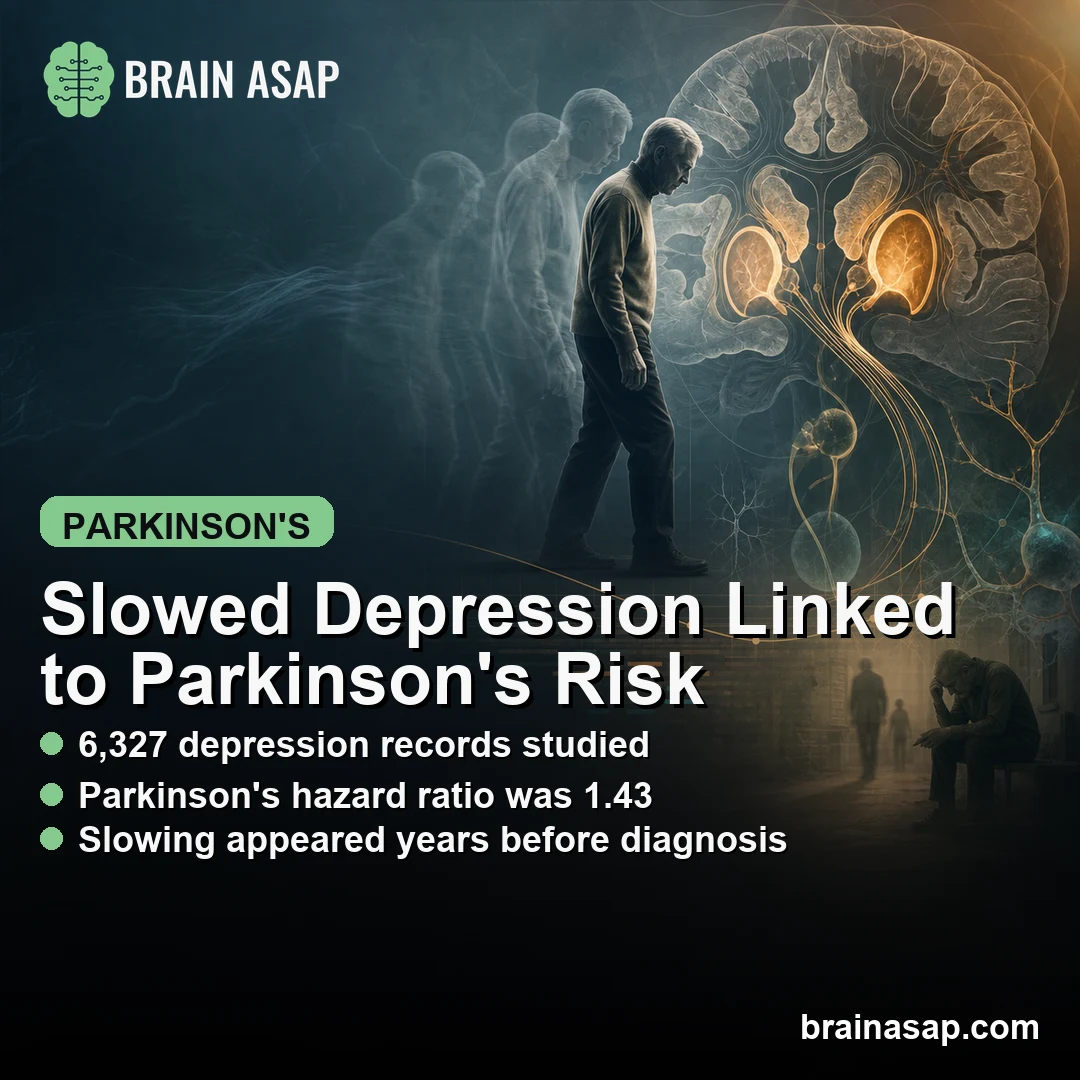
TL;DR: A 2026 medRxiv preprint found psychomotor retardation, meaning slowed movement, speech, and thinking during depression, was linked to higher later Parkinson’s diagnosis risk in 6,327 London mental-health records. Key Findings Psychomotor retardation was…
Read article ↗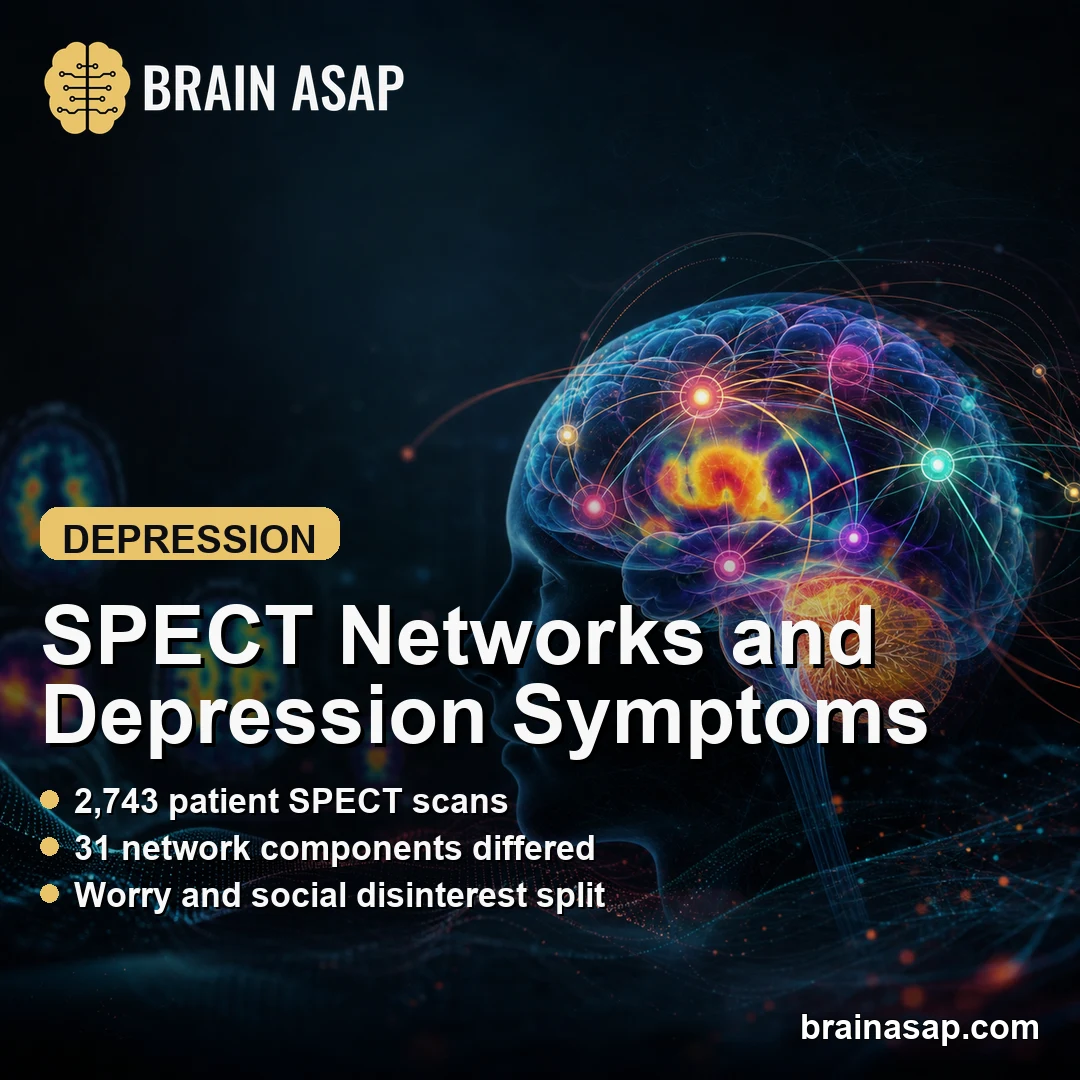
TL;DR: A 2026 medRxiv preprint used single photon emission computed tomography (SPECT), a brain blood-flow imaging method, and a 68-component NeuroMark template to link depression-related symptoms with frontal, subcortical, cerebellar, salience, and visual net…
Read article ↗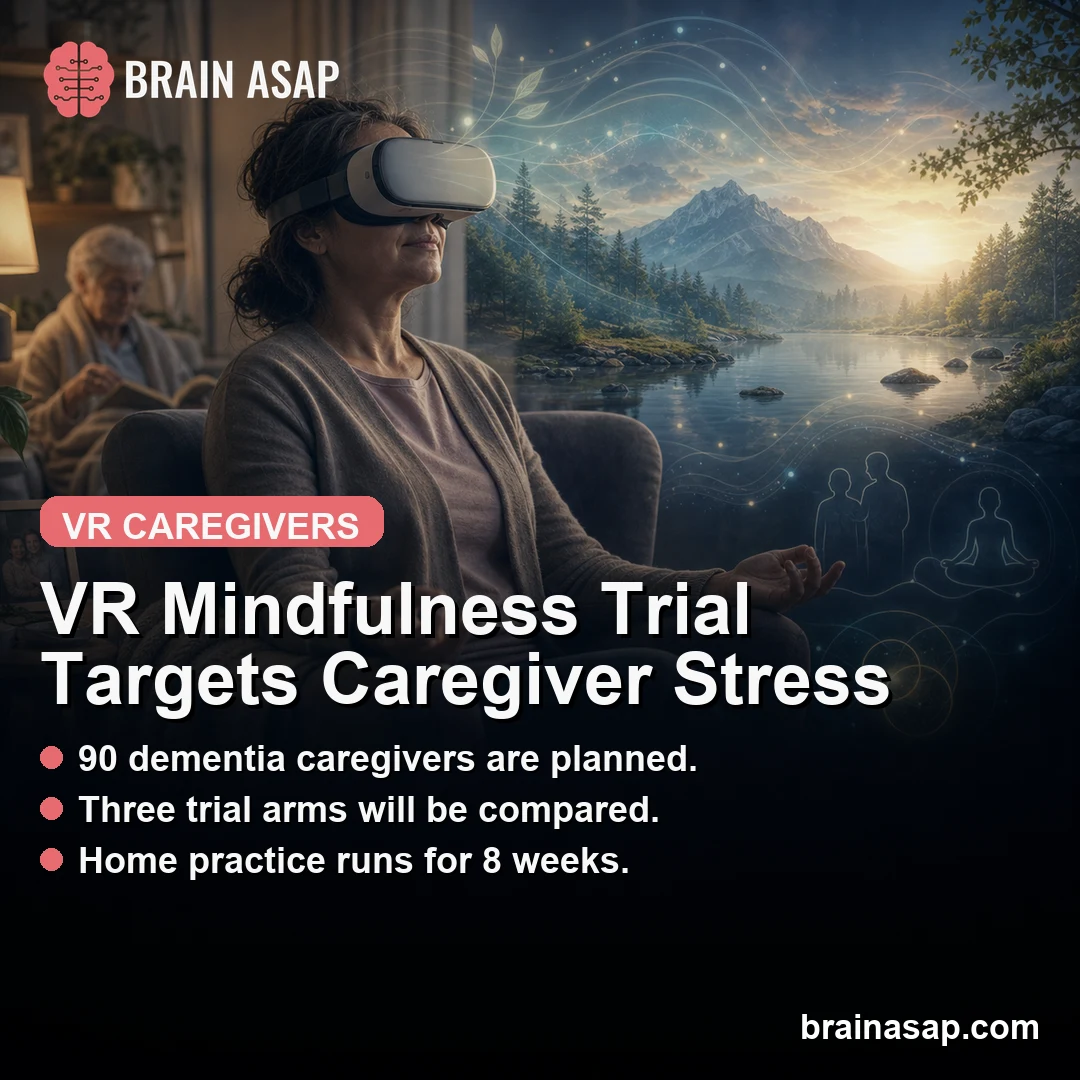
TL;DR: A 2026 protocol in PLOS One describes a 90-person pilot randomized controlled trial that will test whether virtual reality mindfulness can reduce depression, anxiety, stress, and caregiver burden in family caregivers of people with dementia. Key Finding…
Read article ↗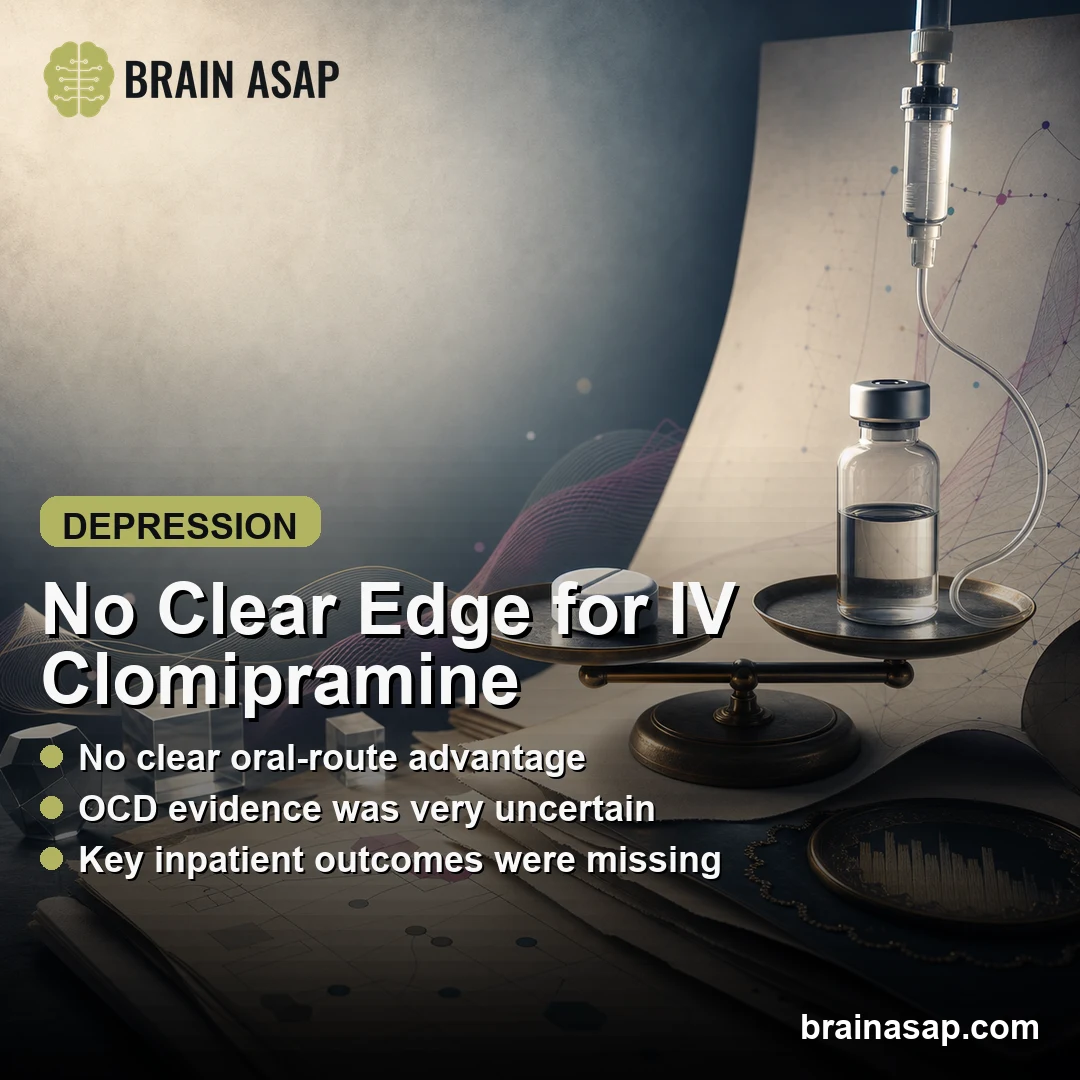
TL;DR: A 2026 systematic review and meta-analysis in Acta Neuropsychiatrica found no clear evidence that parenteral clomipramine is better than oral clomipramine for depression or obsessive-compulsive disorder, with low or very low certainty across the main ra…
Read article ↗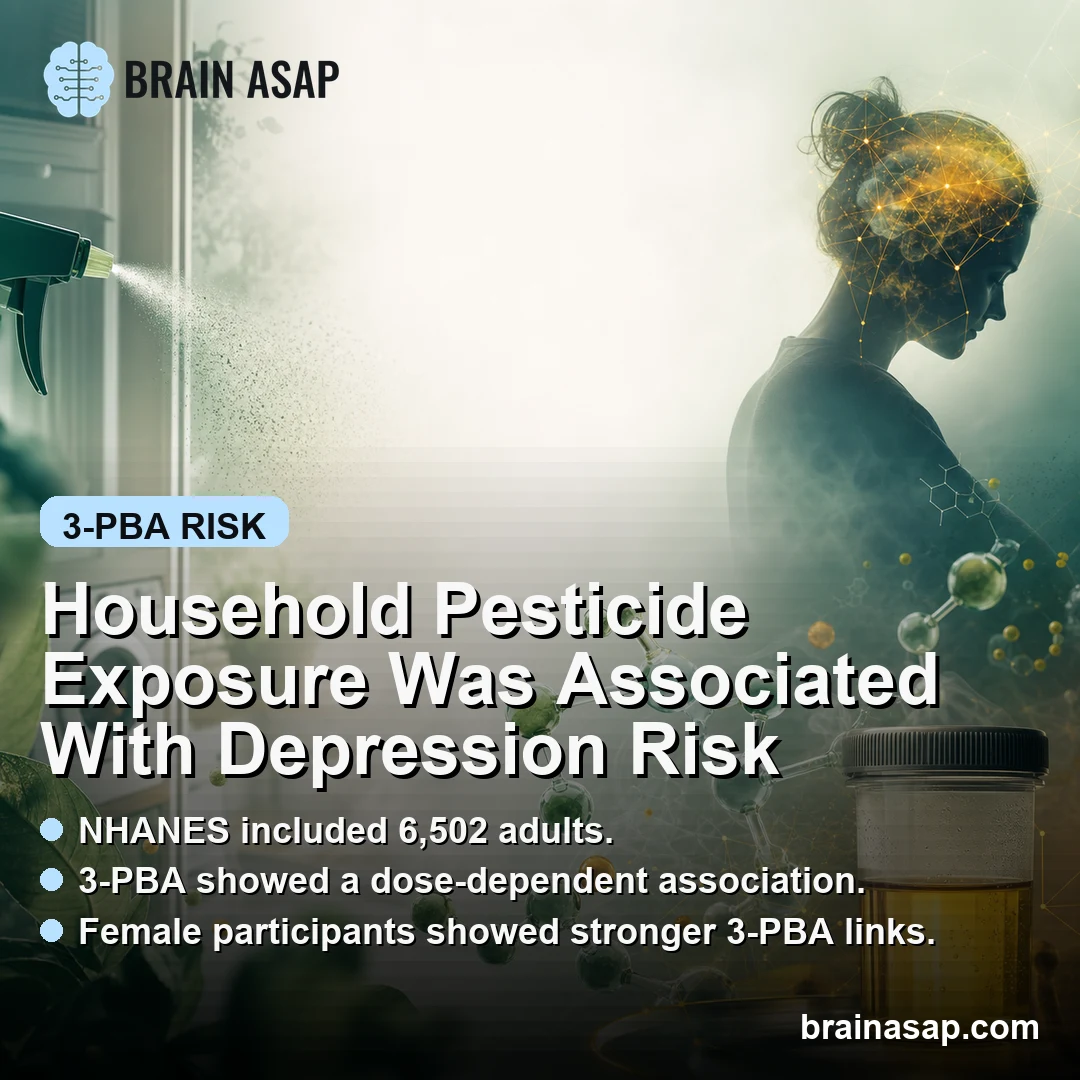
TL;DR: A 2026 cross-sectional NHANES analysis in Depression and Anxiety found that urinary pyrethroid metabolite 3-PBA showed a dose-dependent association with depression, while female participants showed stronger associations for 3-PBA and 4F-3-PBA, while mal…
Read article ↗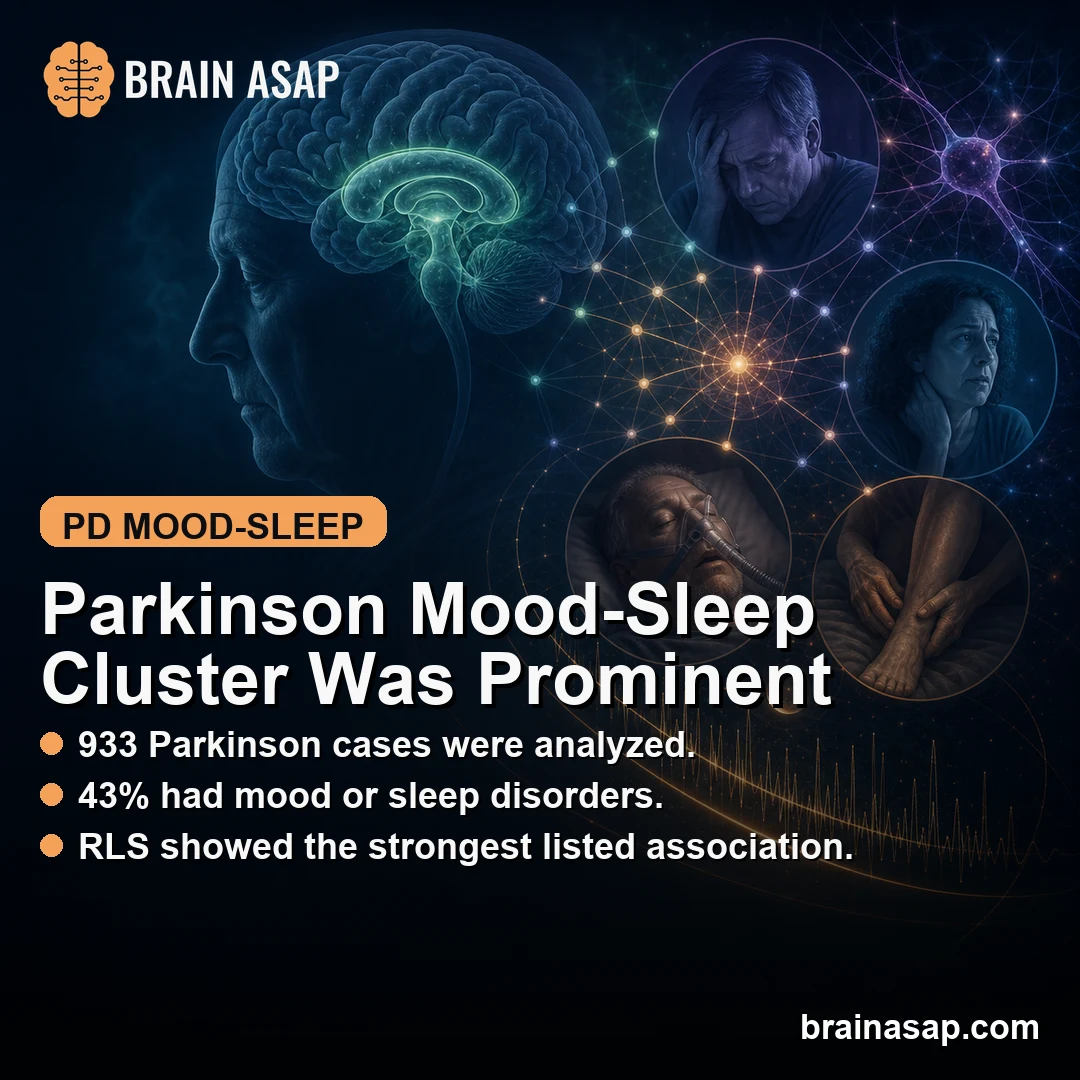
TL;DR: A 2026 preprint on medRxiv using the Harvard Biomarkers Study found that 43% of Parkinson’s disease patients had depression, anxiety, sleep apnea, or restless legs syndrome, compared with 21% of controls. Key Findings 1,224-person cohort: Researchers an…
Read article ↗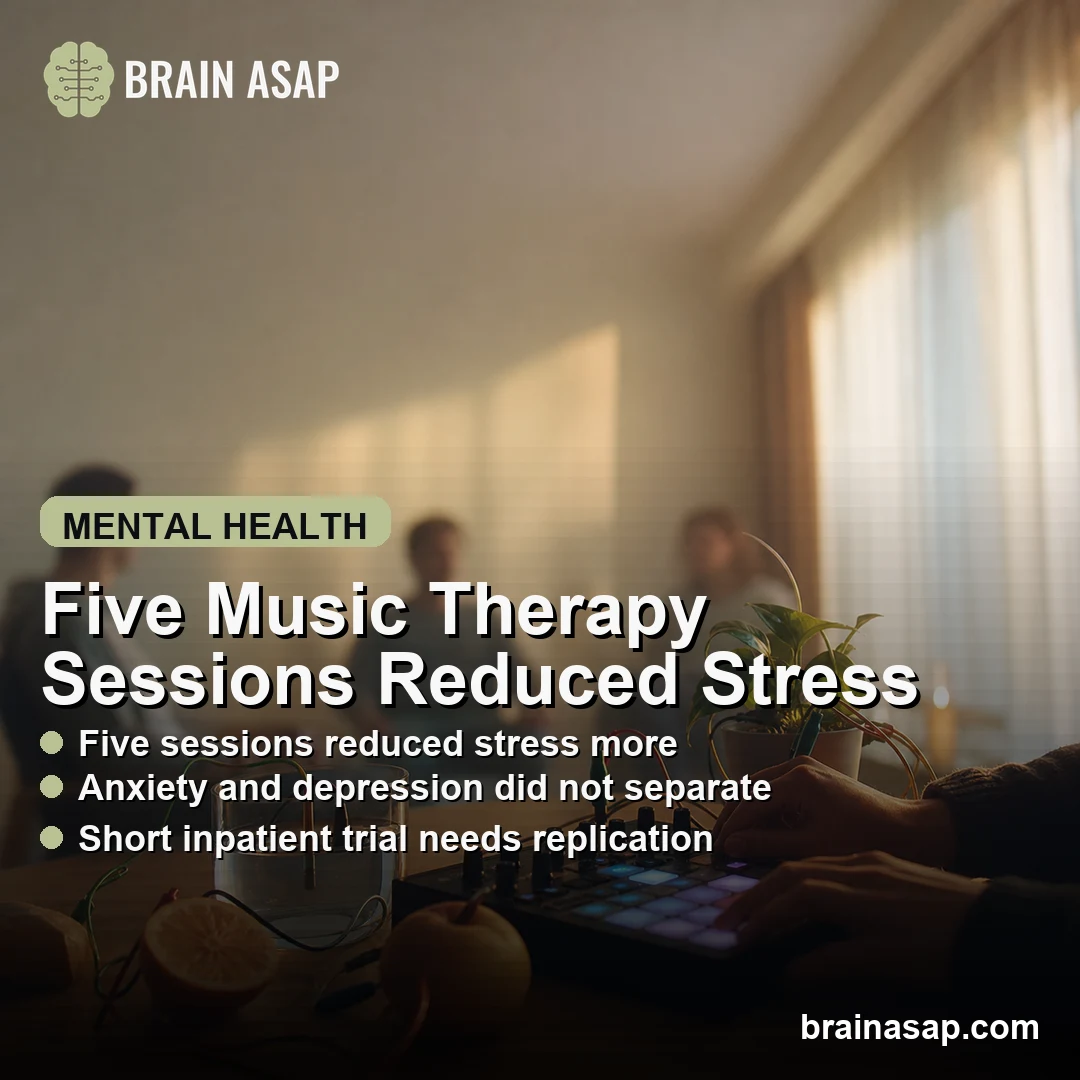
TL;DR: A 2026 randomized trial in PLOS One found that 5 MIDI-assisted group music therapy sessions during psychiatric hospitalization reduced Depression Anxiety Stress Scale-21 (DASS-21) stress scores more than 1 session, while anxiety, depression, life satisf…
Read article ↗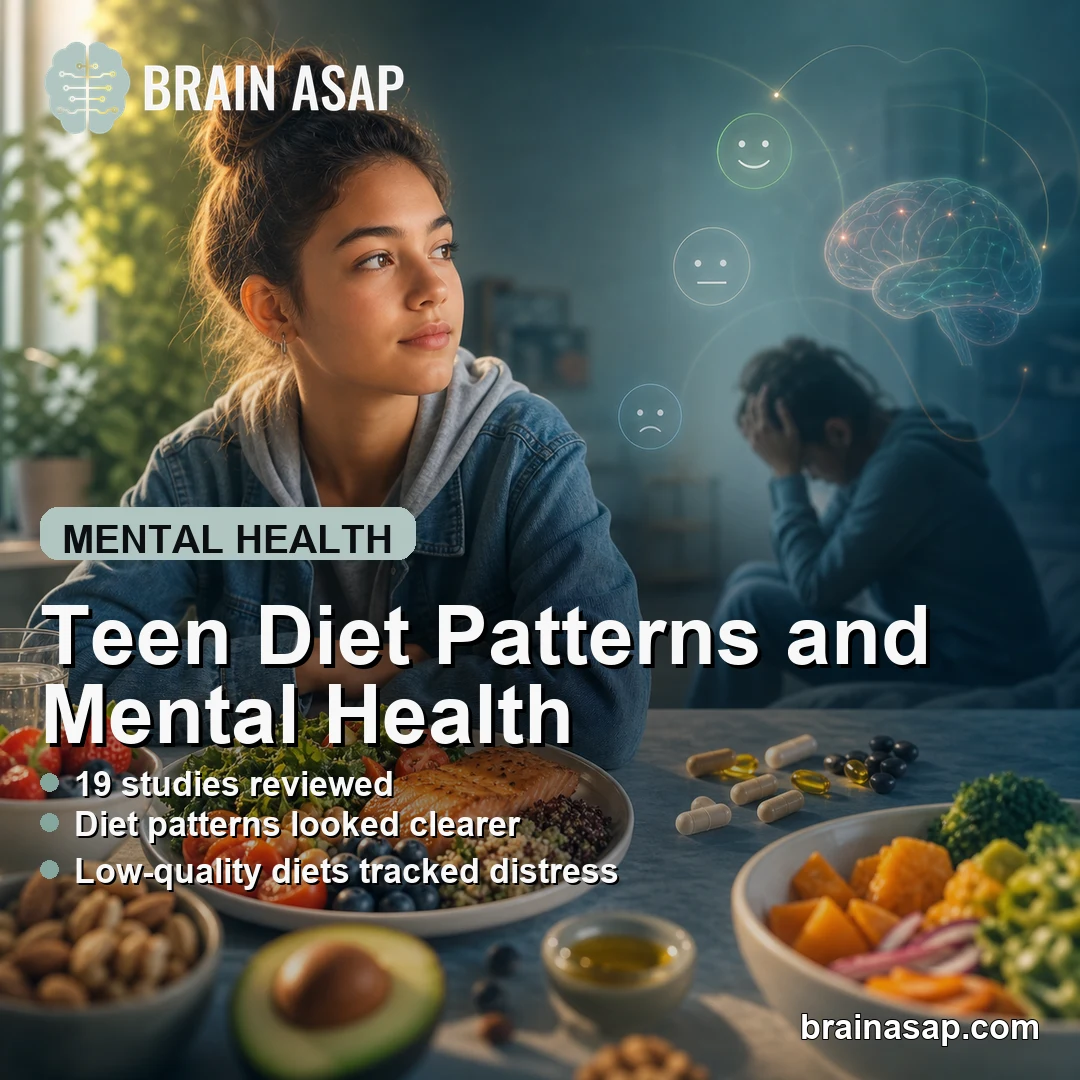
TL;DR: A 2025 study in Nutrients found that a systematic review of adolescent diet and mental health found the clearest readout for whole dietary patterns, while single nutrients and supplement-style interventions looked less consistent. Key Findings 19 studie…
Read article ↗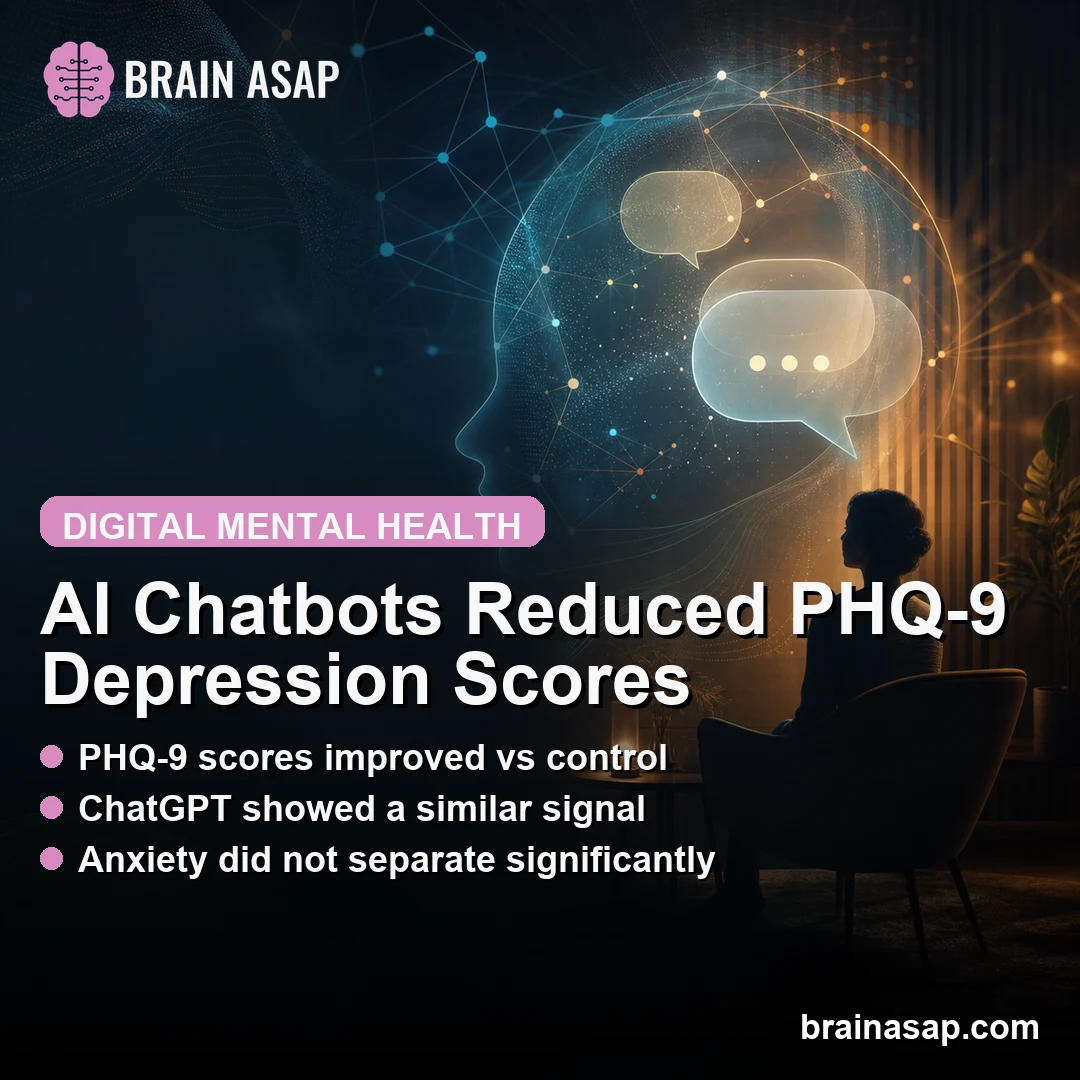
TL;DR: A 2026 randomized feasibility trial in JMIR Mental Health found both a structured AI therapy chatbot and ChatGPT reduced PHQ-9 depression scores versus assessment-only control, but neither AI condition improved anxiety significantly or beat the other. K…
Read article ↗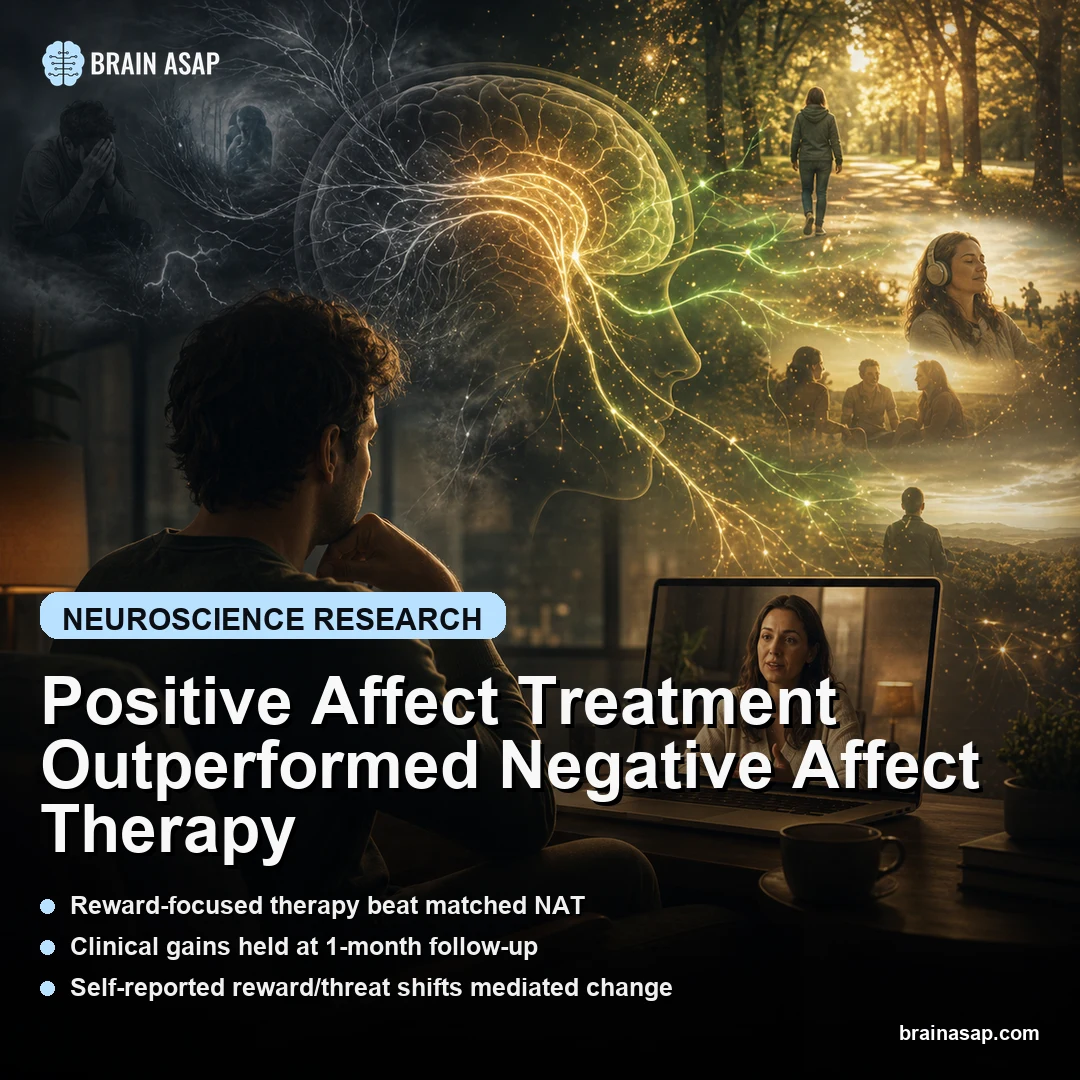
TL;DR: A 2026 study in JAMA Network Open found that a therapy built to restore reward and positive emotion outperformed a matched negative-affect therapy for adults with depression, anxiety, and severely low positive affect. Key Findings PAT beat the matched t…
Read article ↗