TL;DR: A 2026 study in Glia used human single-nucleus RNA sequencing datasets and mouse validation to identify a shared neurodegeneration-linked microglial transcription program, highlighting SPP1 as a disease-associated microglia marker. Key Findings Five dis…
Read article ↗
TL;DR: A 2026 study in Neuropsychopharmacology used CRISPR gene editing in human microglia-like cells and found that several schizophrenia-linked genes changed phagocytosis, cell shape, and immune-transcription programs. Key Findings Schizophrenia-linked micro…
Read article ↗
TL;DR: A 2026 mouse study in Proceedings of the National Academy of Sciences found that deleting or inhibiting PTP1B improved memory behavior, reduced amyloid-beta burden, and pushed microglia toward an amyloid-clearing state. Key Findings Memory behavior impr…
Read article ↗
TL;DR: A 2026 study in Cell Chemical Biology found that alzheimer’s inflammation may be driven by a specific chemical switch: S-nitrosylation of STING at cysteine 148, which pushed innate immune signaling toward synaptic damage. Key Findings STING carried the…
Read article ↗
TL;DR: A 2026 review in Reviews in the Neurosciences argues that chemotherapy-induced peripheral neurotoxicity (CIPN), nerve injury from cancer treatment, can involve central nervous system changes that help explain chronic neuropathic pain and chemotherapy-re…
Read article ↗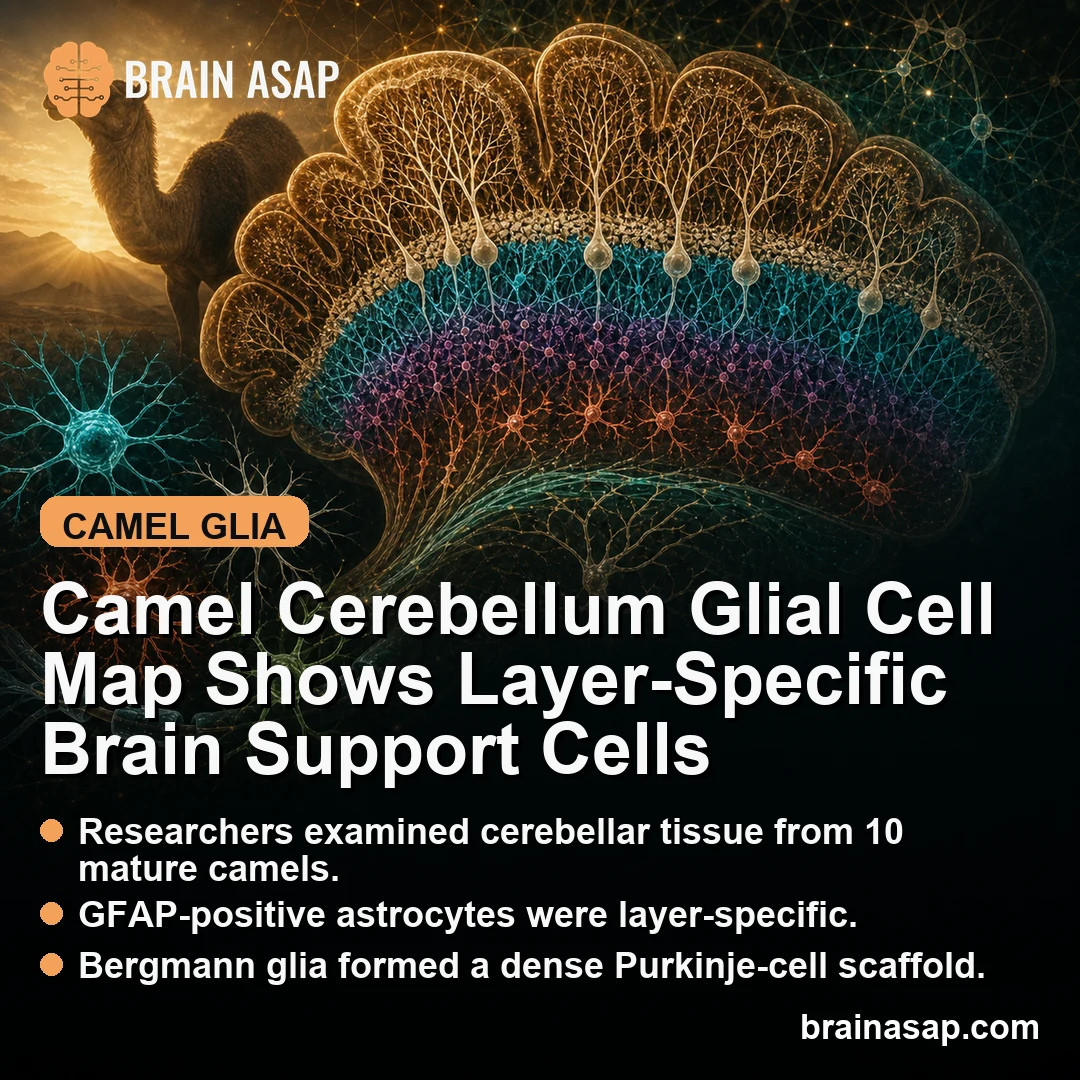
TL;DR: A 2026 Scientific Reports study mapped astrocytes, oligodendrocytes, Bergmann glia, and microglia in the camel cerebellum, showing that glial support cells are distributed very differently across cerebellar layers. Key Findings 10 mature camels: Researc…
Read article ↗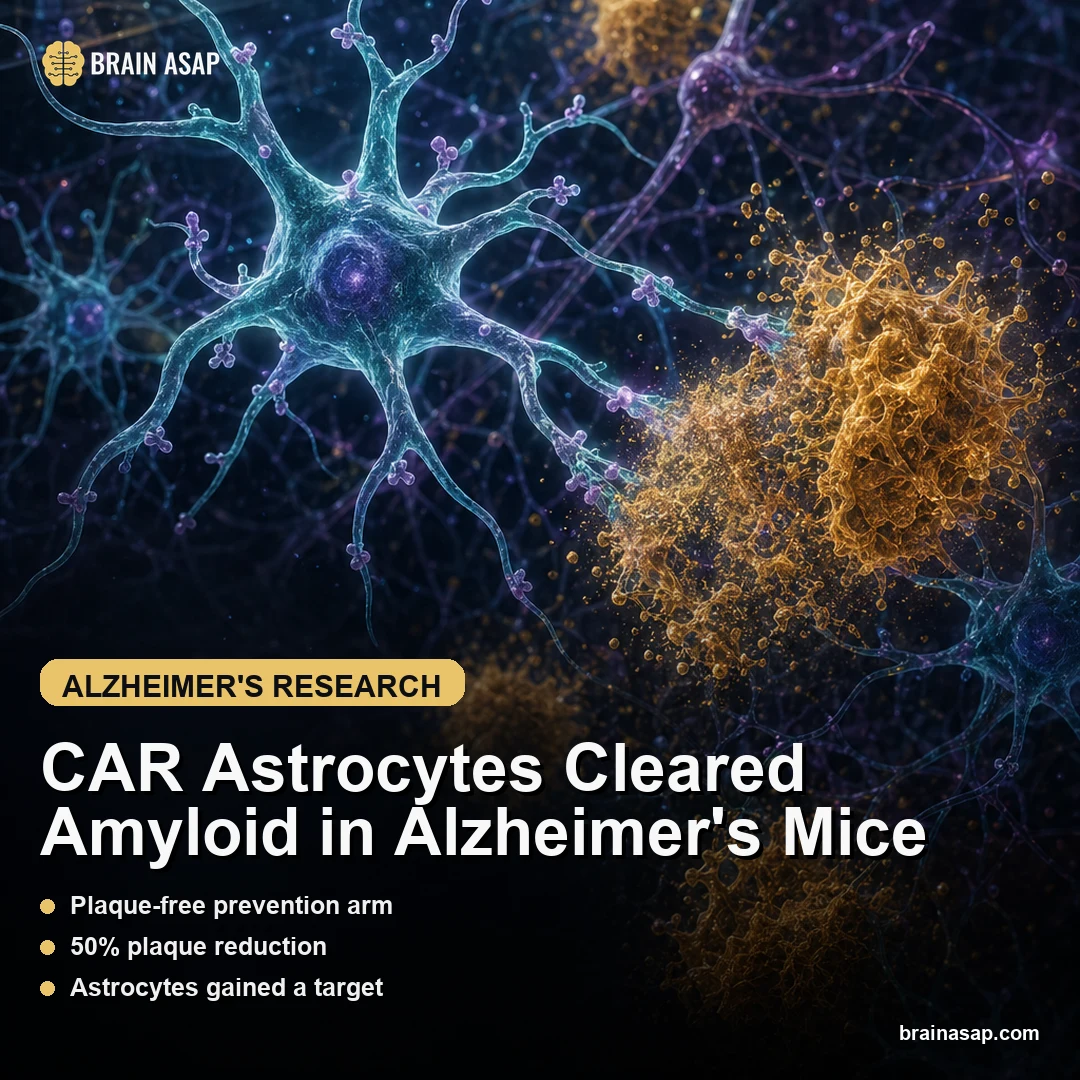
TL;DR: A CAR-style therapy aimed at astrocytes turned brain support cells into amyloid cleaners, preventing plaque development and cutting existing plaque burden by about half in mice. Key Findings Plaque-free prevention arm: Young mice treated before plaques…
Read article ↗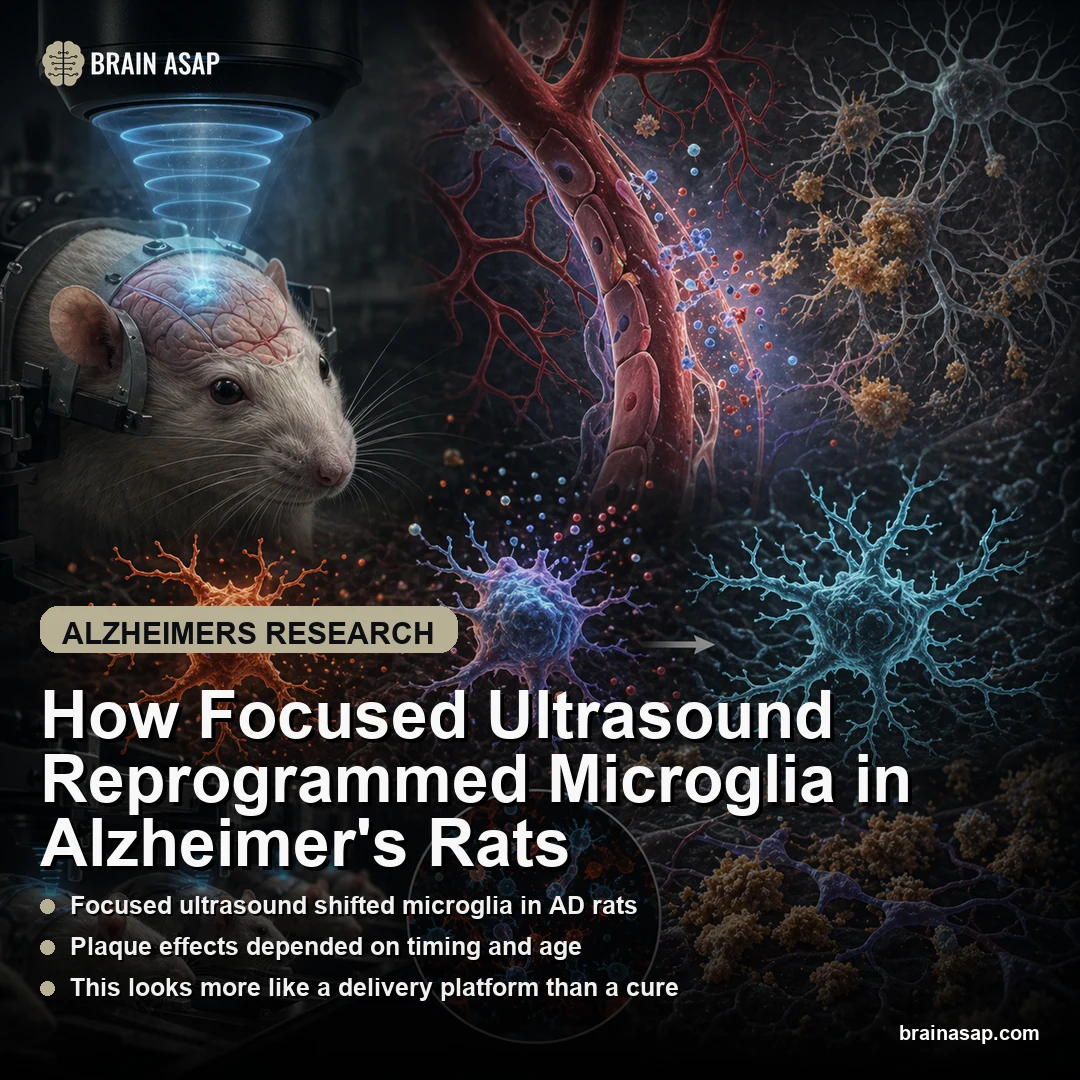
How Focused Ultrasound Reprogrammed Microglia in Alzheimer’s Rats TL;DR: In TgF344-AD rats, repeated low-intensity focused ultrasound triggered a short-lived inflammatory response, then left behind a more durable microglial metabolic shift in early disease wit…
Read article ↗
Early Locus Coeruleus Axon Loss May Explain Smell Loss in Alzheimer’s TL;DR: Alzheimer’s-model mice lost noradrenergic locus coeruleus axons in the olfactory bulb before major plaque buildup, took 60% longer to find buried food, and improved when microglial ph…
Read article ↗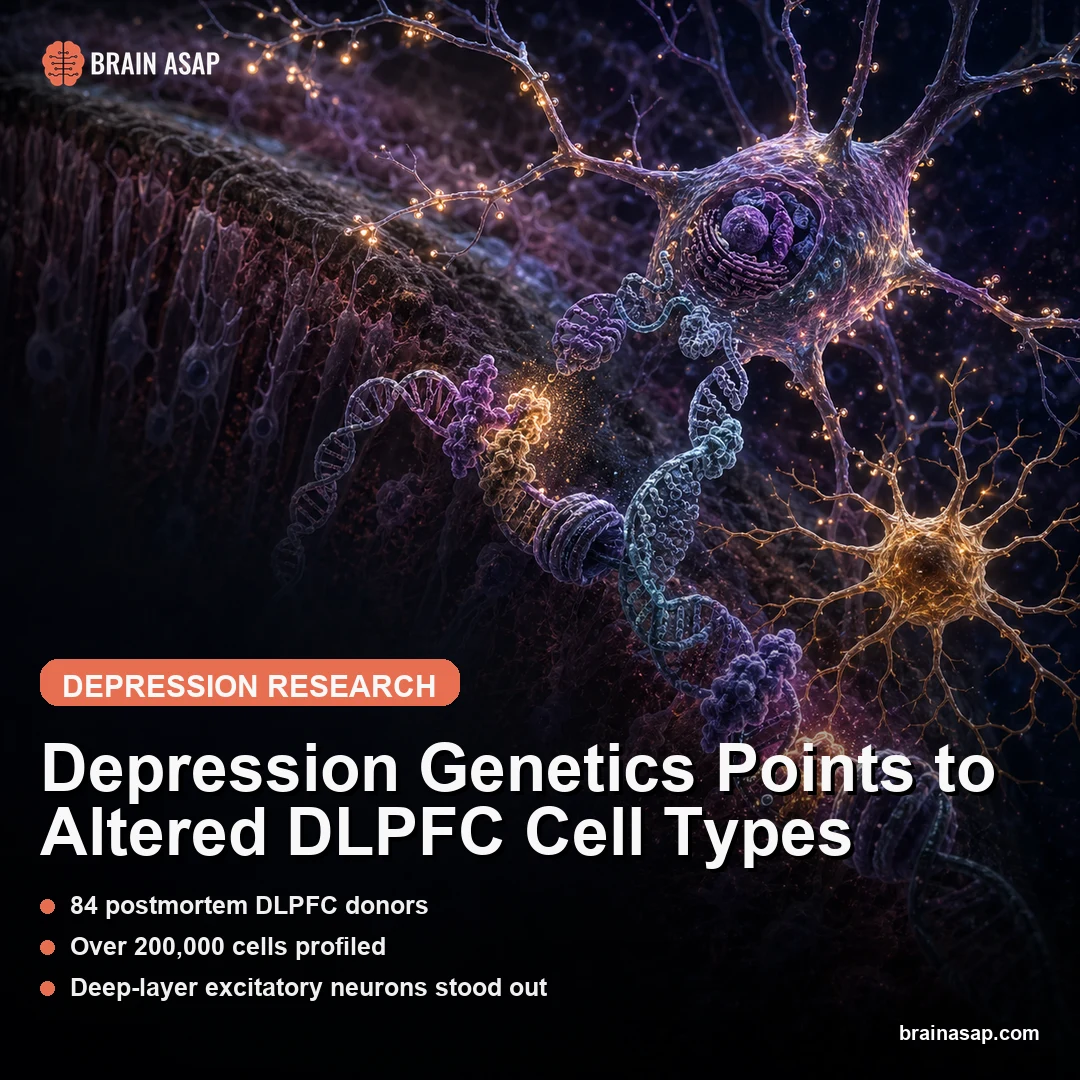
Depression Genetics Points to Altered DLPFC Cell Types TL;DR: A Nature Genetics study mapped more than 200,000 cells from the dorsolateral prefrontal cortex and found depression-linked regulatory changes concentrated in deep-layer excitatory neurons and a micr…
Read article ↗