TL;DR: A 2026 uncontrolled pilot study in BJPsych Open found that SMART, a personalized text-message program for metabolic health in people with schizophrenia spectrum disorders, improved patient activation, diabetes self-management confidence, health literacy…
Read article ↗
TL;DR: A 2026 scoping review in Sleep Science linked seasonal timing, daylight exposure, daylight saving time (DST), sleep-wake rhythm disruption, and driver drowsiness to traffic-crash risk, but found that few studies directly integrate seasonality with chron…
Read article ↗
TL;DR: A 2026 randomized pilot trial in European Journal of Psychotraumatology found no overall PTSD advantage when refugee-focused emotion-regulation skills training was added before narrative exposure therapy, but refugees living with high visa or family ins…
Read article ↗
TL;DR: A 2026 HomePAP secondary analysis in Journal of Clinical Sleep Medicine found that higher PAP mask leak predicted lower obstructive sleep apnea treatment adherence, but a new Real Leak measure, unintentional leak after subtracting expected mask leak, di…
Read article ↗
TL;DR: A 2026 birth cohort study in Environment & Health linked low-level prenatal lead exposure to lower infant Ages and Stages Questionnaire (ASQ-3) developmental scores, with FAM50B/PTCHD3 DNA methylation markers explaining part of the association. Key Find…
Read article ↗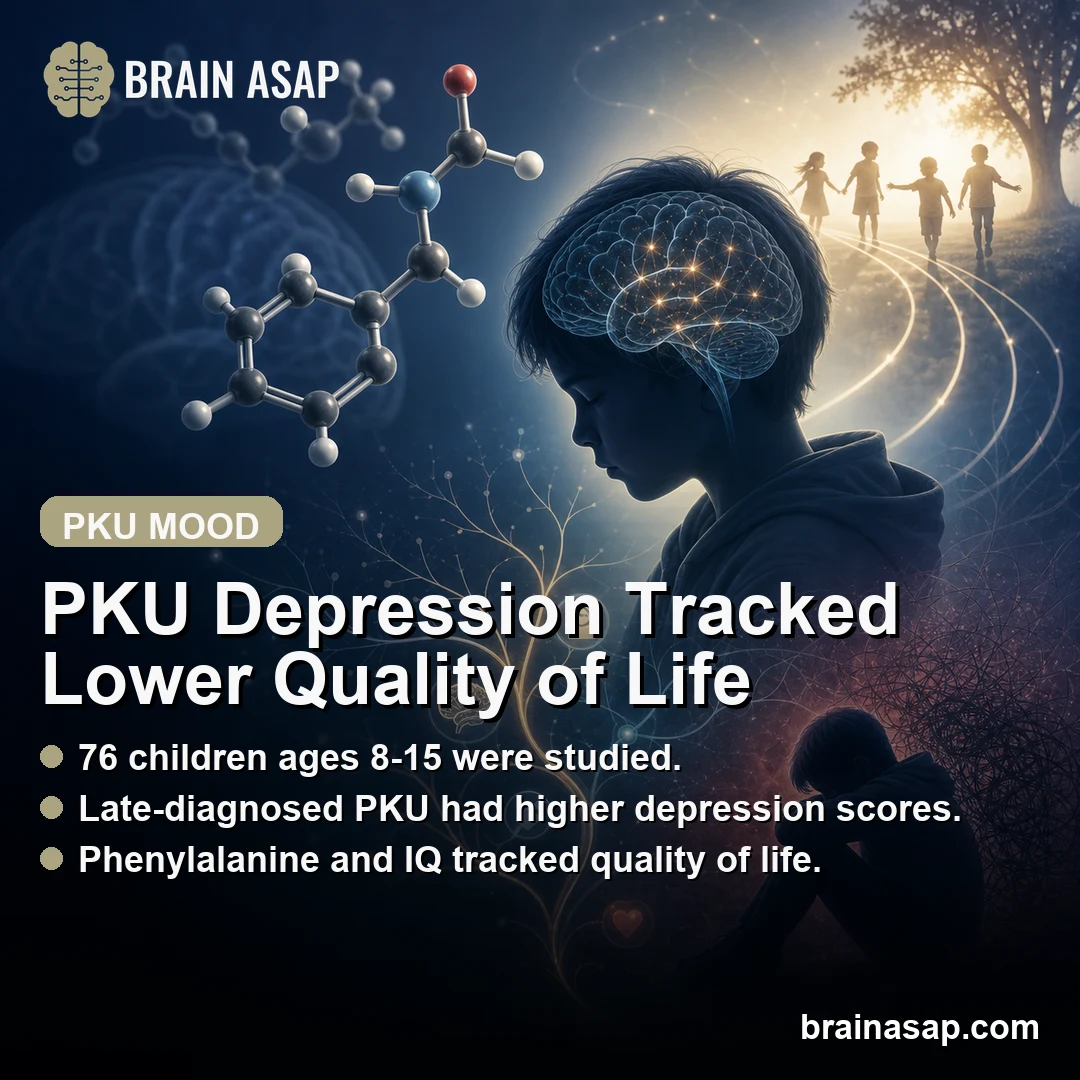
TL;DR: A 2026 European Journal of Pediatrics study found that children with phenylketonuria, or PKU, had higher depression scores and lower quality of life than controls, with the worse pattern in children diagnosed later. Key Findings Children studied: The st…
Read article ↗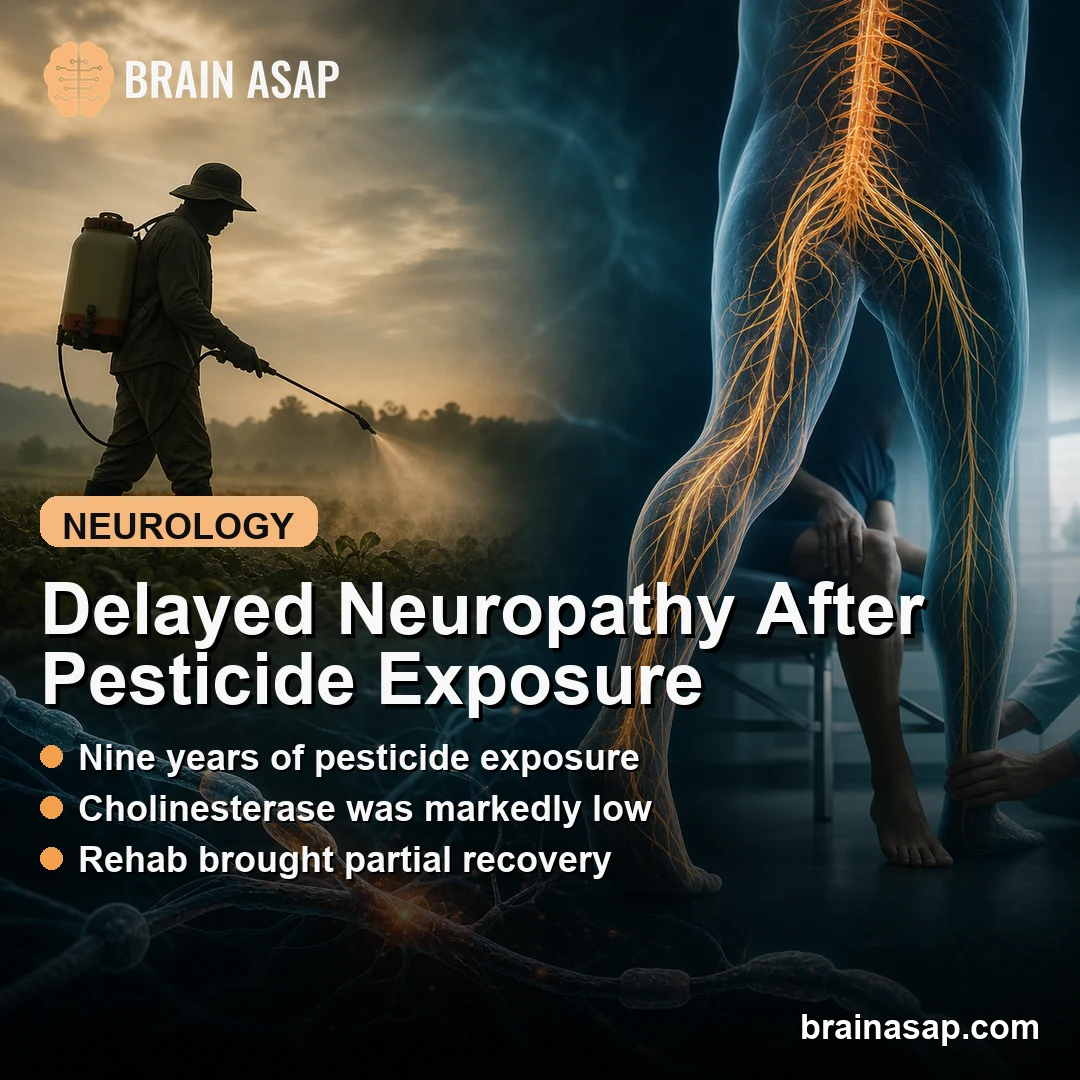
TL;DR: A 2026 study in Journal of Medical Case Reports described organophosphate-induced delayed neuropathy (OPIDN), a delayed nerve-injury syndrome, in a 44-year-old pesticide applicator after years of low-level exposure without a typical acute poisoning cris…
Read article ↗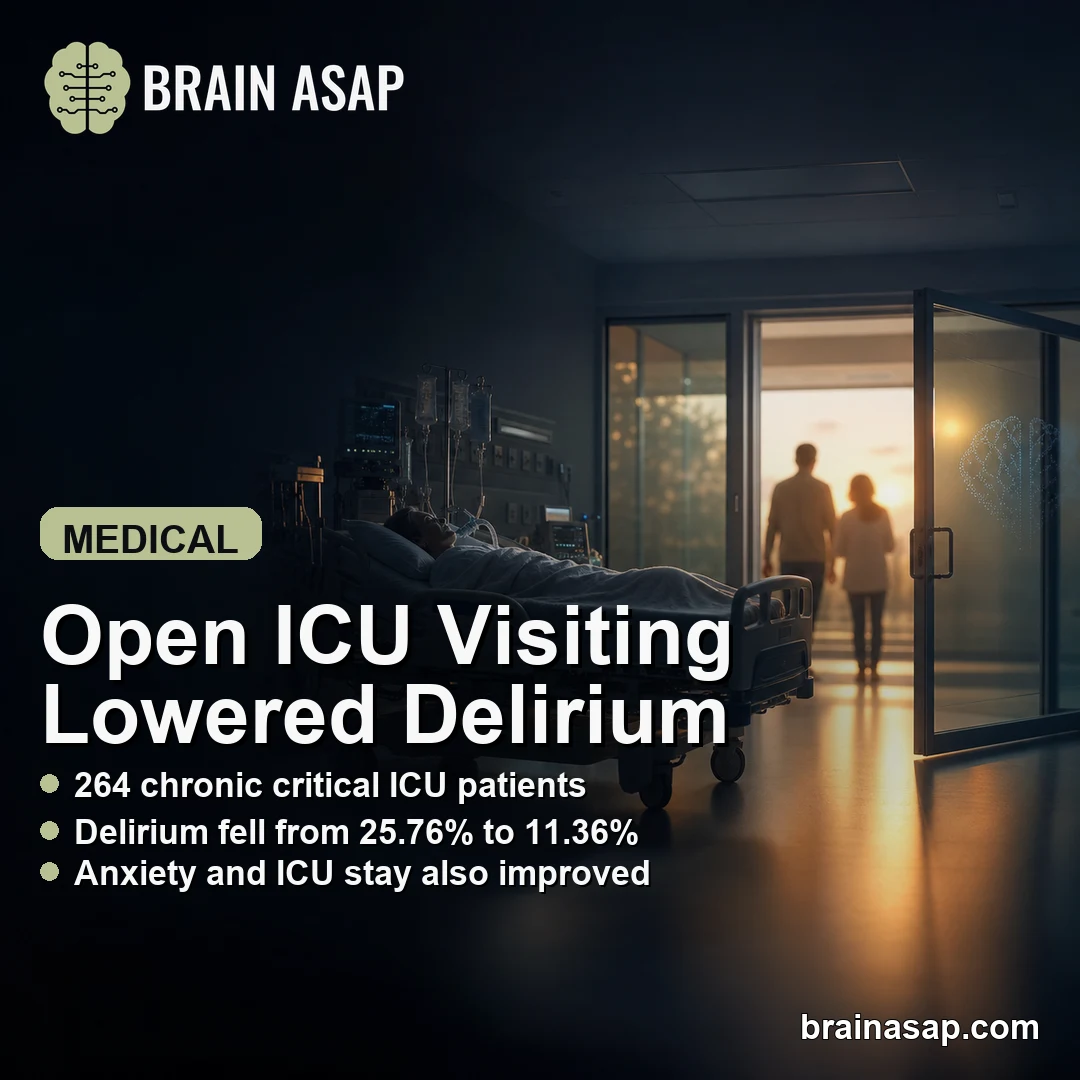
TL;DR: A 2026 retrospective ICU study in the International Journal of General Medicine found that 24-hour open visiting was associated with lower delirium incidence and lower anxiety/depression scores than 1-hour restricted visiting in chronic critically ill p…
Read article ↗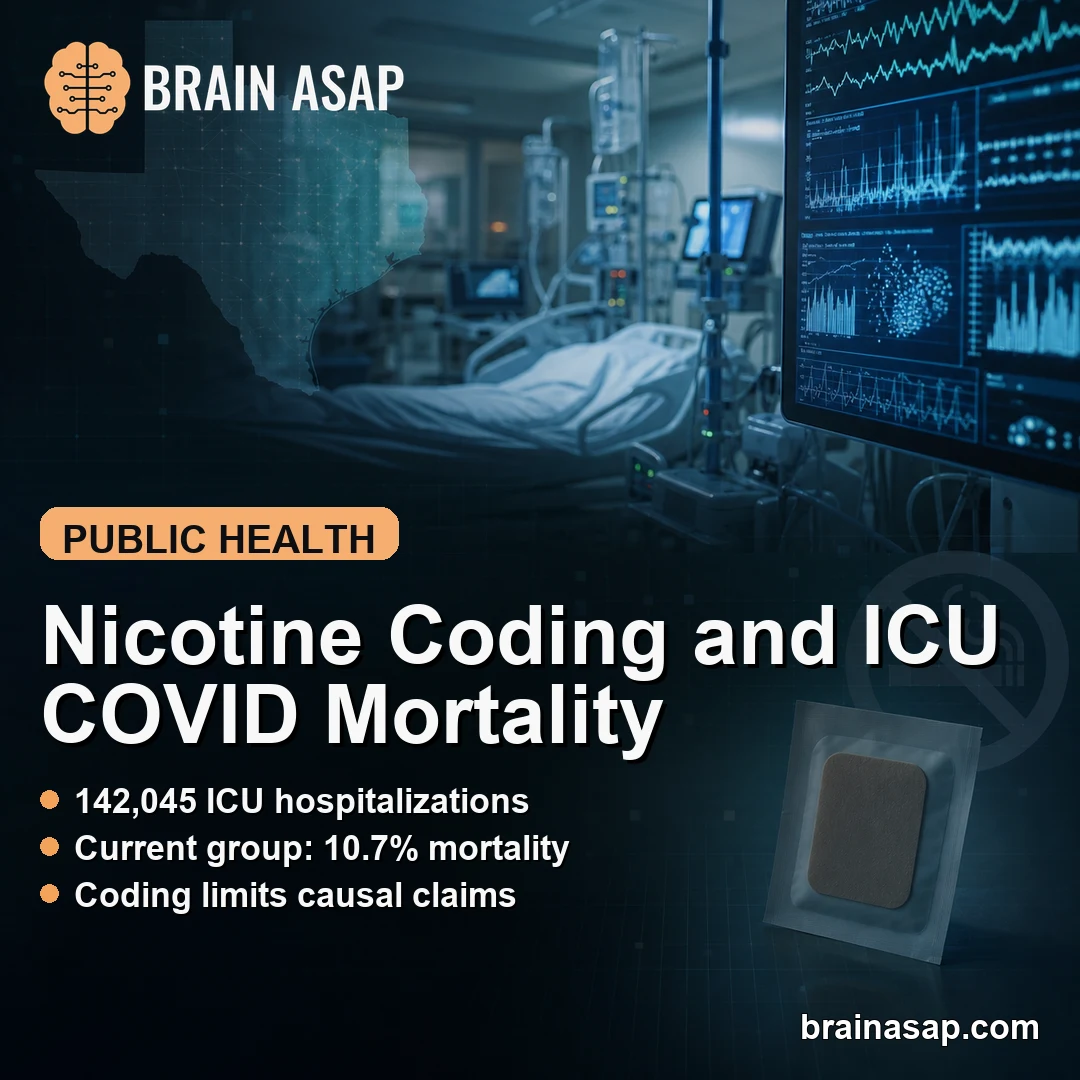
TL;DR: A 2026 study in PLOS One found that Texas ICU COVID-19 hospitalizations coded for current nicotine dependence had lower crude and adjusted mortality than hospitalizations coded as never nicotine dependent, but the administrative-data design means the re…
Read article ↗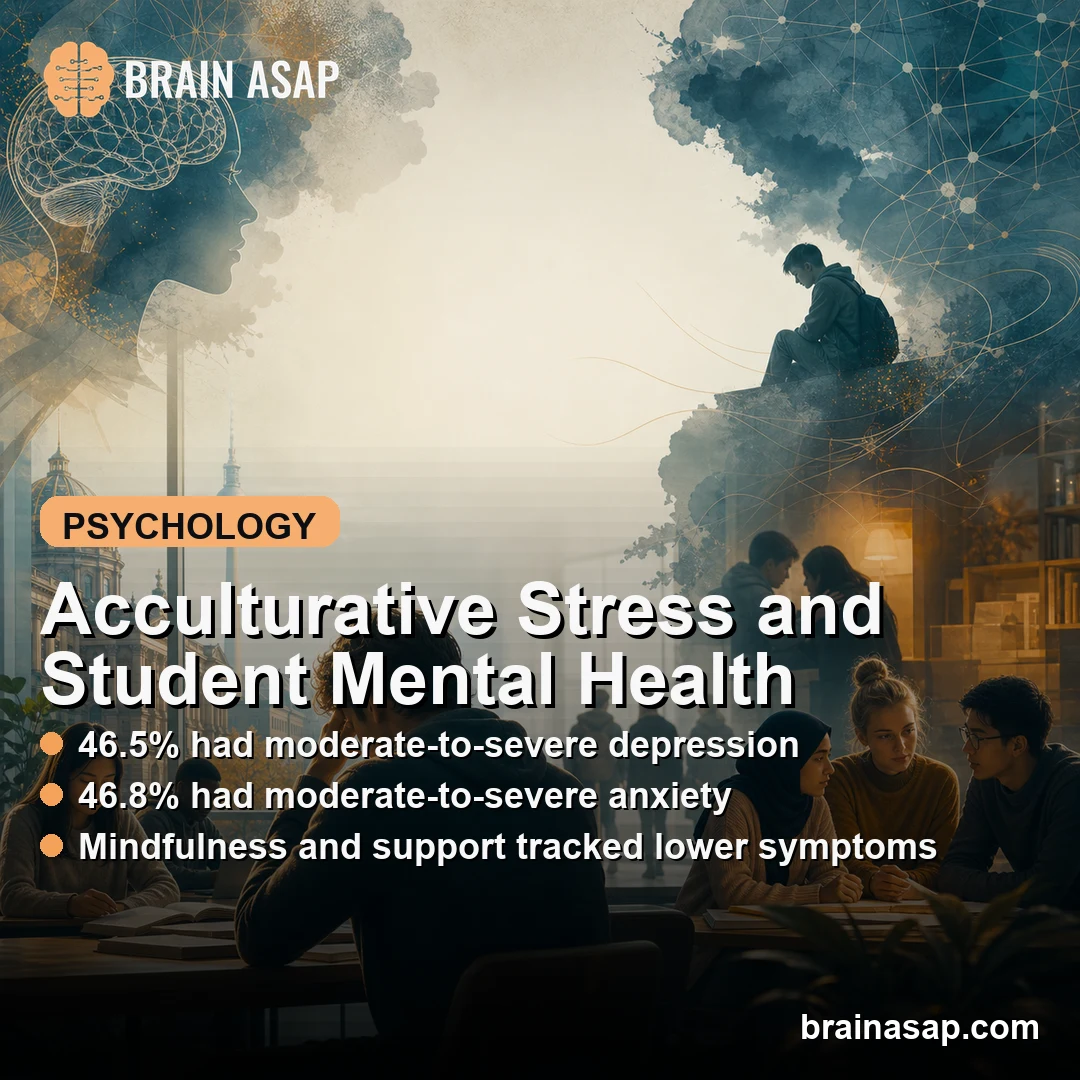
TL;DR: A 2026 study in BMC Psychology found high rates of depression, anxiety, and recent self-harm thoughts among international students in Germany, with acculturative stress linked to worse mental health and mindfulness, optimism, self-efficacy, acceptance,…
Read article ↗