TL;DR: A 2026 Nature Communications study in aging mouse and killifish brains found that deubiquitylases (DUBs), enzymes that help edit protein-cleanup tags, lost about 40% of their catalytic activity with age even when many of the same enzymes were still pres…
Read article ↗
TL;DR: A 2026 mouse study in Cell found that olfactory receptor neurons, the smell-sensing cells in the nose, were arranged in spatial bands that lined up with matching sensory maps in the brain’s olfactory bulb. Key Findings Organized receptor bands: Research…
Read article ↗
TL;DR: A 2026 study in Journal of Exposure Science & Environmental Epidemiology linked prenatal PM2.5 and non-freeway NOx exposure with newborn amino-acid metabolism pathways that also tracked autism spectrum disorder (ASD) diagnosis before age 5. Key Findings…
Read article ↗
TL;DR: A 2026 study in Journal of Affective Disorders used interpretable machine learning to predict who completed more prompts during a 14-day mindfulness app trial for generalized anxiety disorder. Key Findings Trial size: A two-arm randomized trial included…
Read article ↗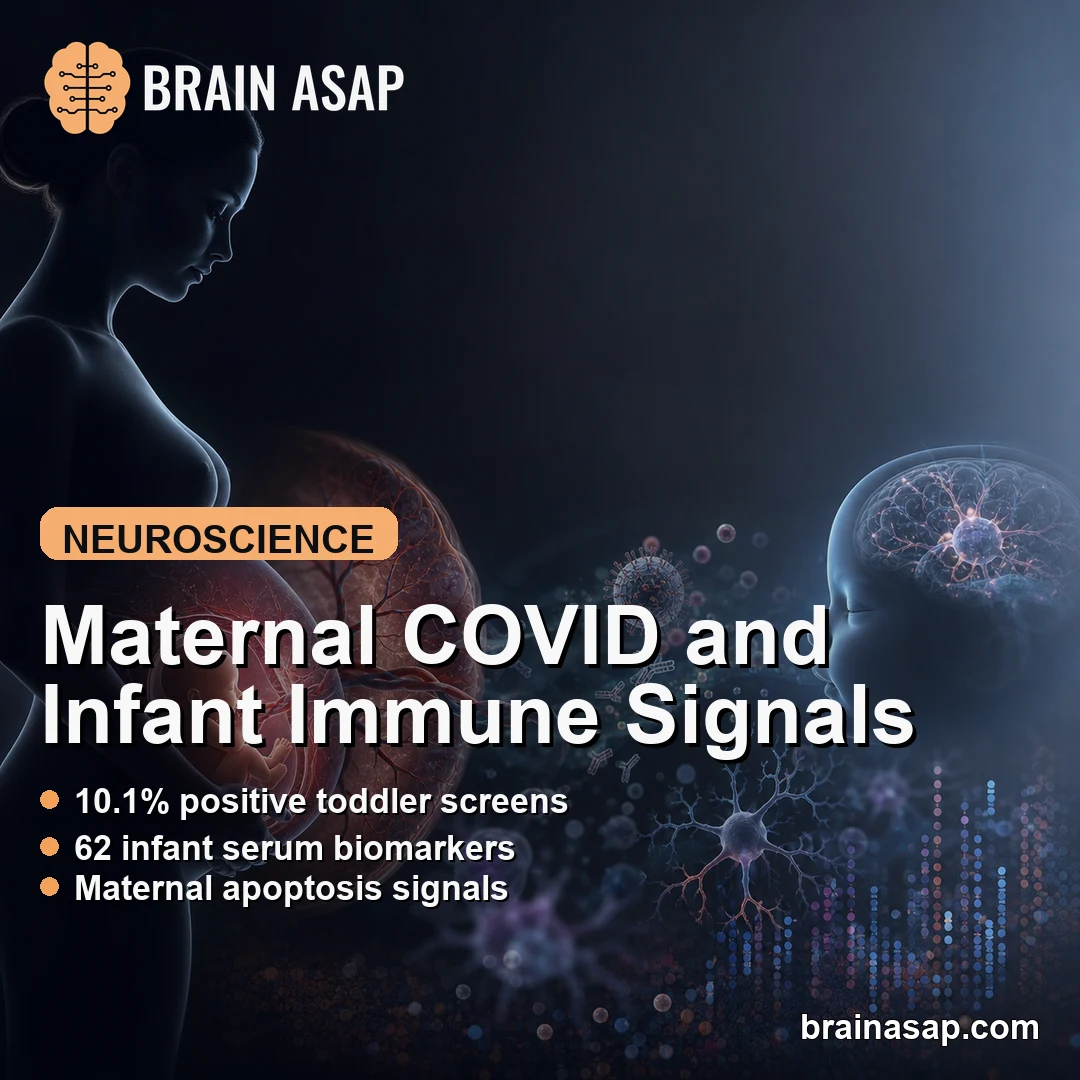
TL;DR: A 2026 Communications Biology study associated maternal SARS-CoV-2 infection during pregnancy with more positive toddler autism-risk screens and newborn immune-protein patterns tied to nicotinamide metabolism, microglial activation, and neutrophil activ…
Read article ↗
TL;DR: A 2026 retrospective database study in Archives of Orthopaedic and Trauma Surgery found that people with major upper-extremity amputations had higher one-year rates of new mental-health diagnoses, antidepressant starts, and psychotherapy use than matche…
Read article ↗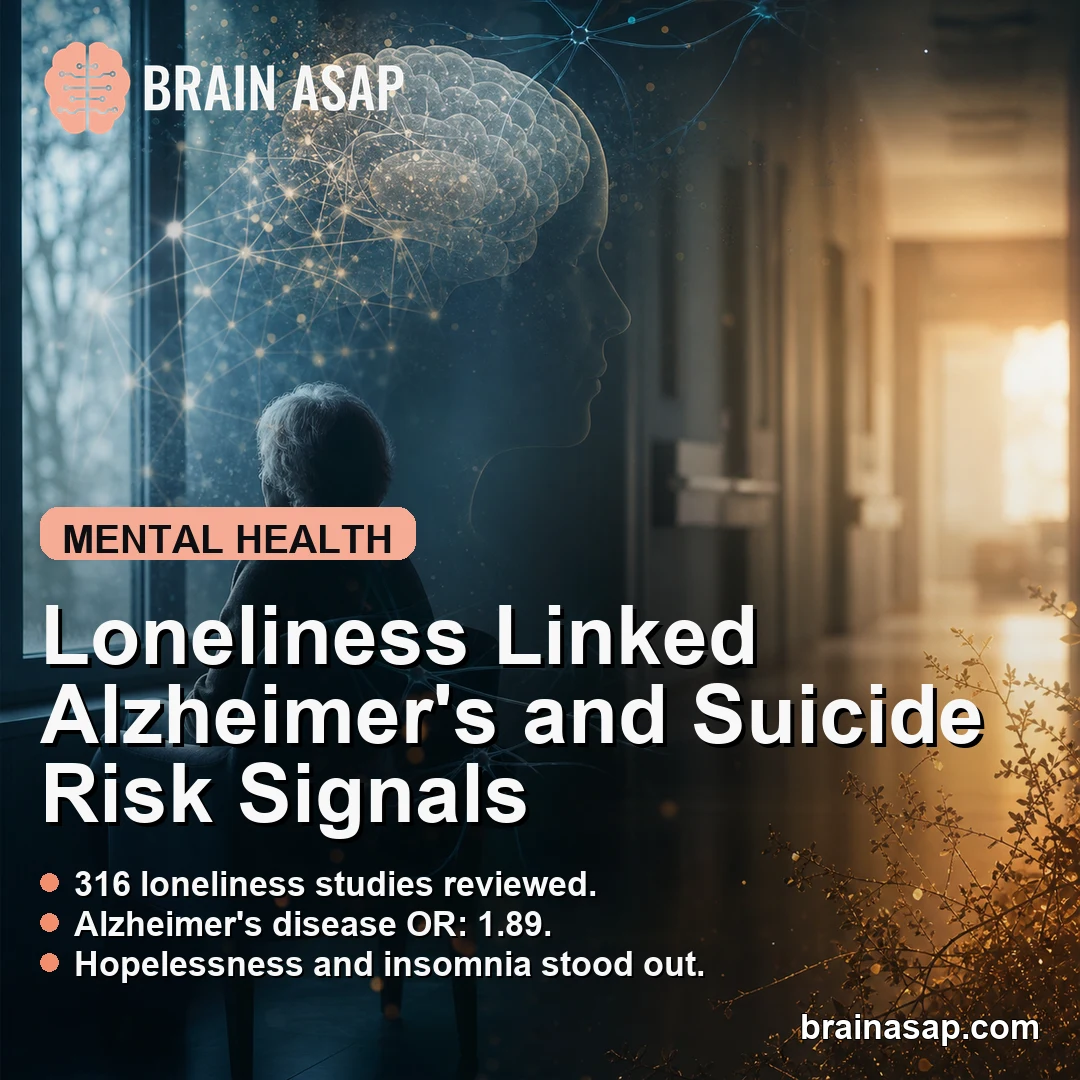
TL;DR: A 2026 systematic review and meta-analysis in Psychogeriatrics linked loneliness with Alzheimer’s disease and several forms of suicidal behavior, with especially strong shared correlations for hopelessness, insomnia, entrapment, and stress. Key Findings…
Read article ↗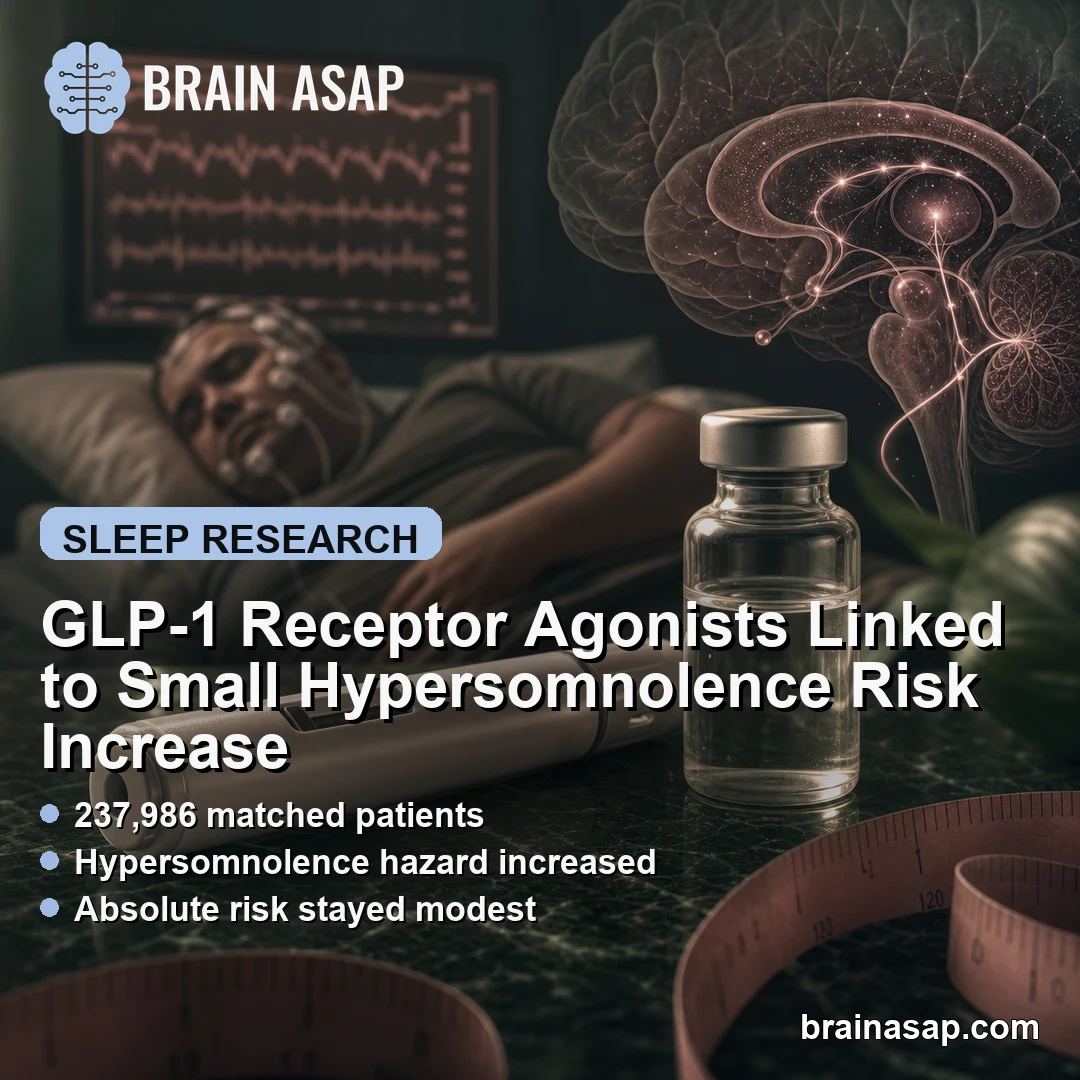
TL;DR: A 2026 real-world cohort study in Journal of Diabetes & Metabolic Disorders linked GLP-1 receptor agonists, drugs targeting a glucose-related metabolic hormone pathway, to a higher hazard of new hypersomnolence, but the absolute risk increase was small.…
Read article ↗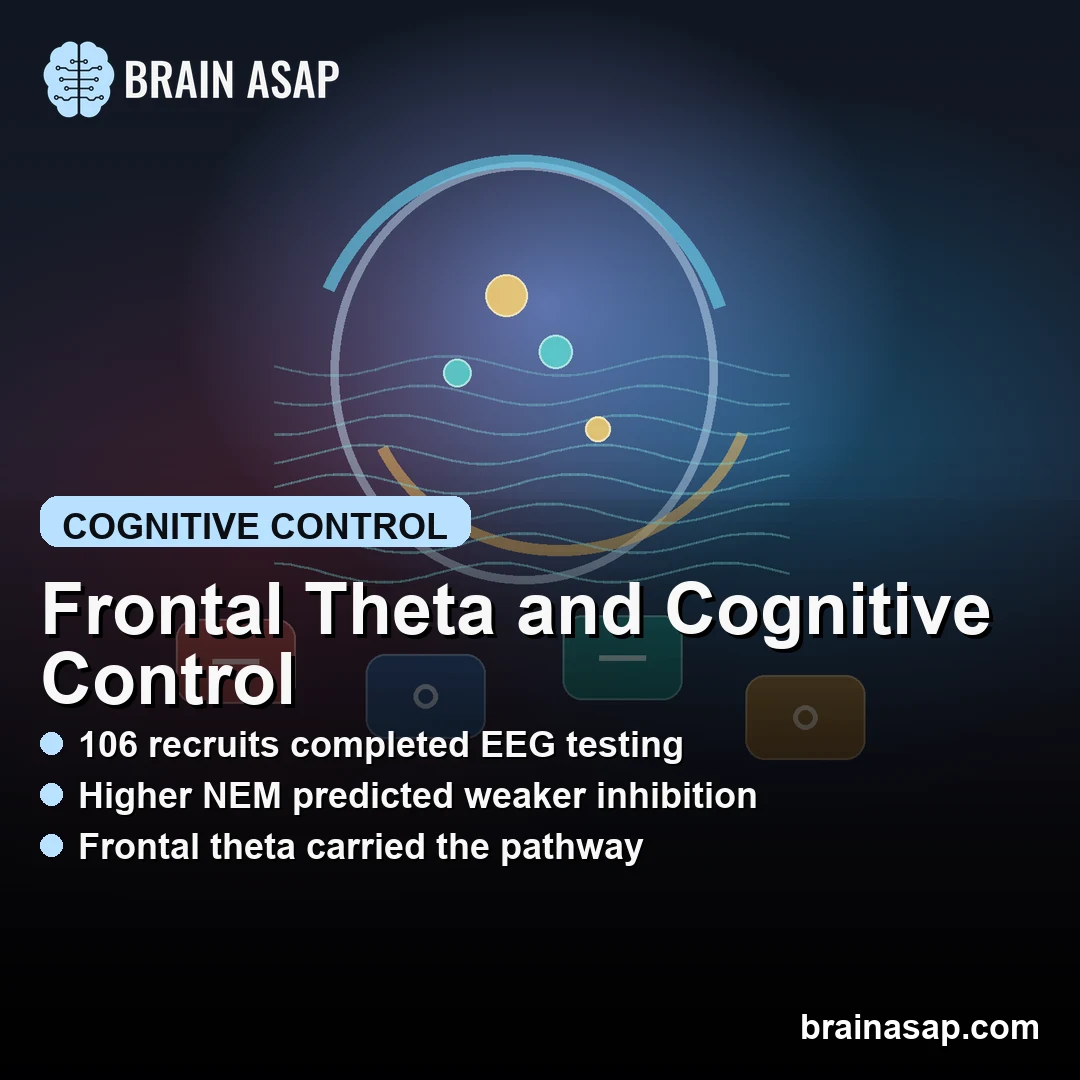
TL;DR: A 2026 study in Cognitive, Affective, & Behavioral Neuroscience found that lower frontal midline theta, an EEG marker of cognitive-control engagement, partly explained why young adults with higher negative emotionality performed worse on a Go/No-Go inhi…
Read article ↗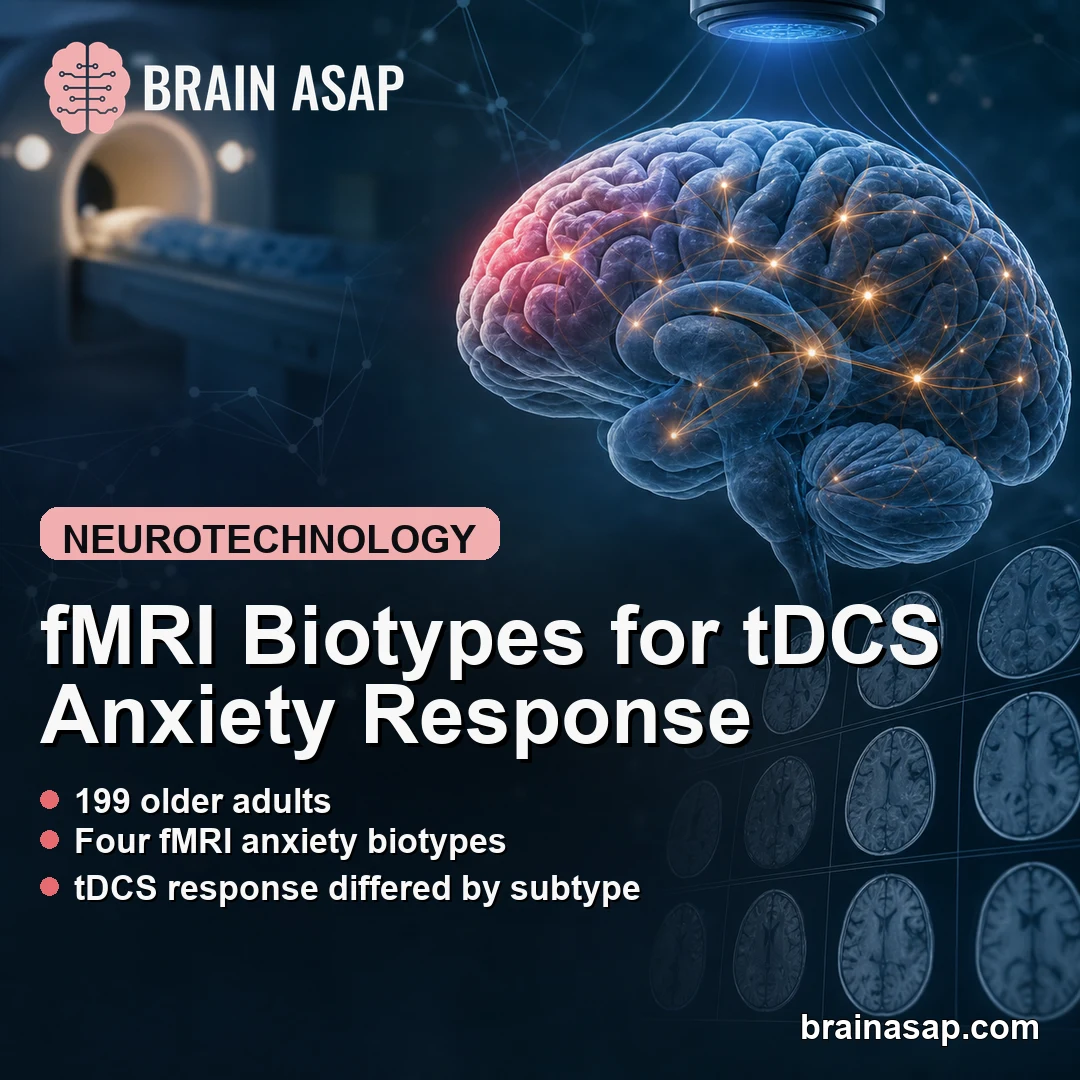
TL;DR: A 2026 preprint on medRxiv used resting-state functional MRI (fMRI), a brain-connectivity scan taken while people are not doing a task, to divide older adults at Alzheimer’s risk into anxiety biotypes that responded differently to frontal-lobe tDCS stim…
Read article ↗