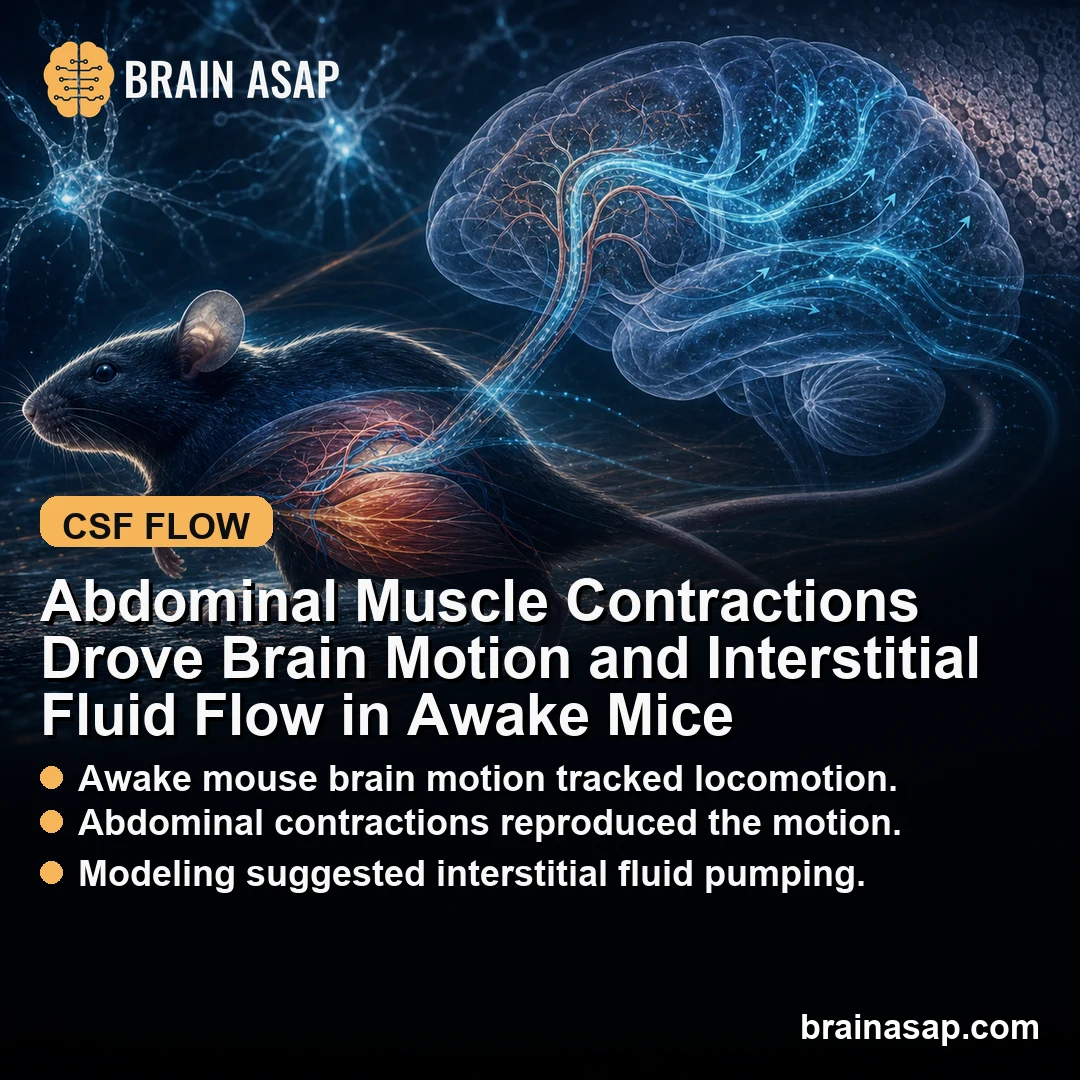
TL;DR: A 2026 mouse study in Nature Neuroscience found that abdominal muscle contractions during locomotion drove directed brain motion and helped move interstitial fluid through brain tissue during wakefulness. Key Findings Brain motion was tightly coupled to…
Read article ↗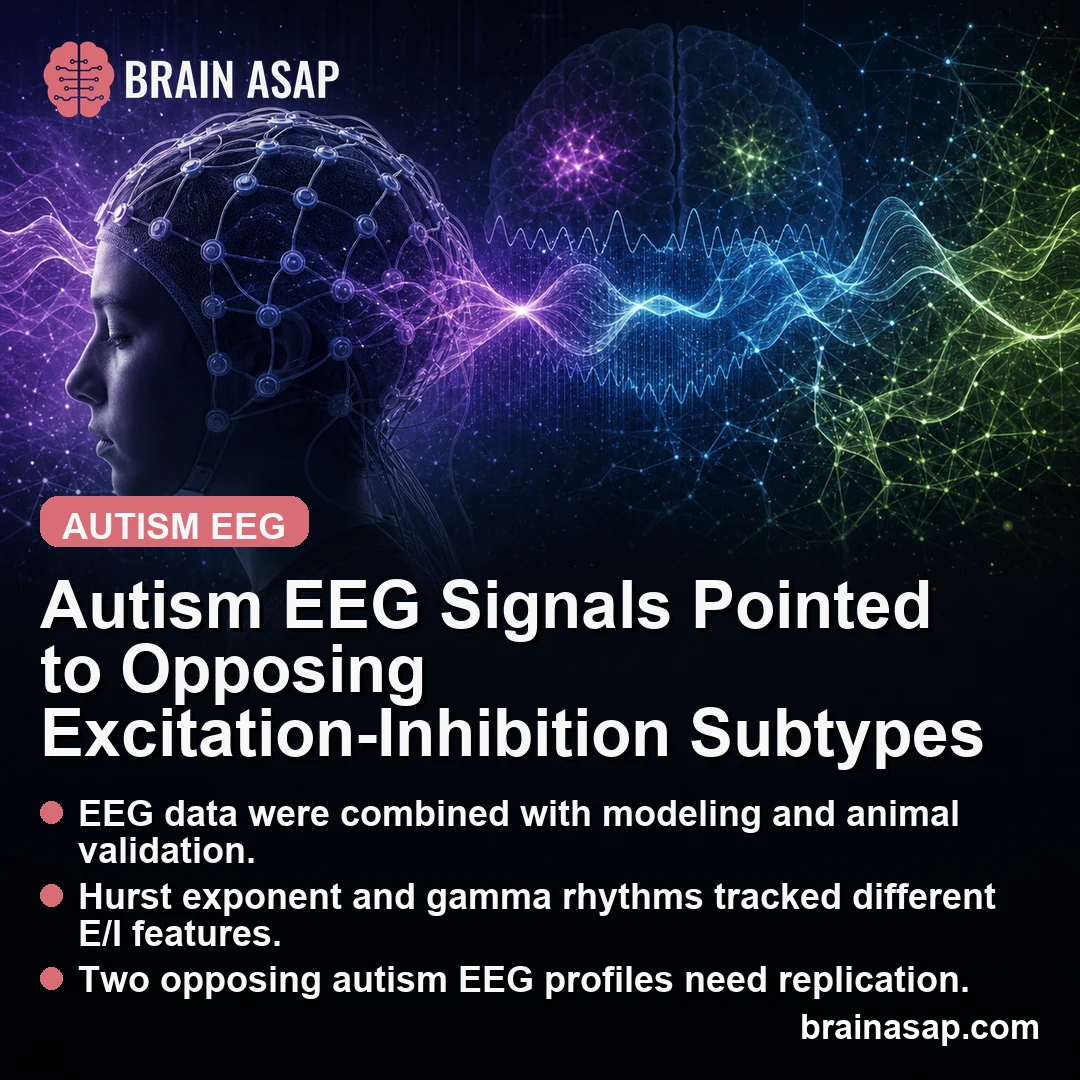
TL;DR: A 2026 preprint electrophysiology study in medRxiv found that the Hurst exponent and gamma oscillations tracked different aspects of excitation-inhibition balance, while human EEG data suggested two autism neurosubtypes with opposing Hurst-gamma profile…
Read article ↗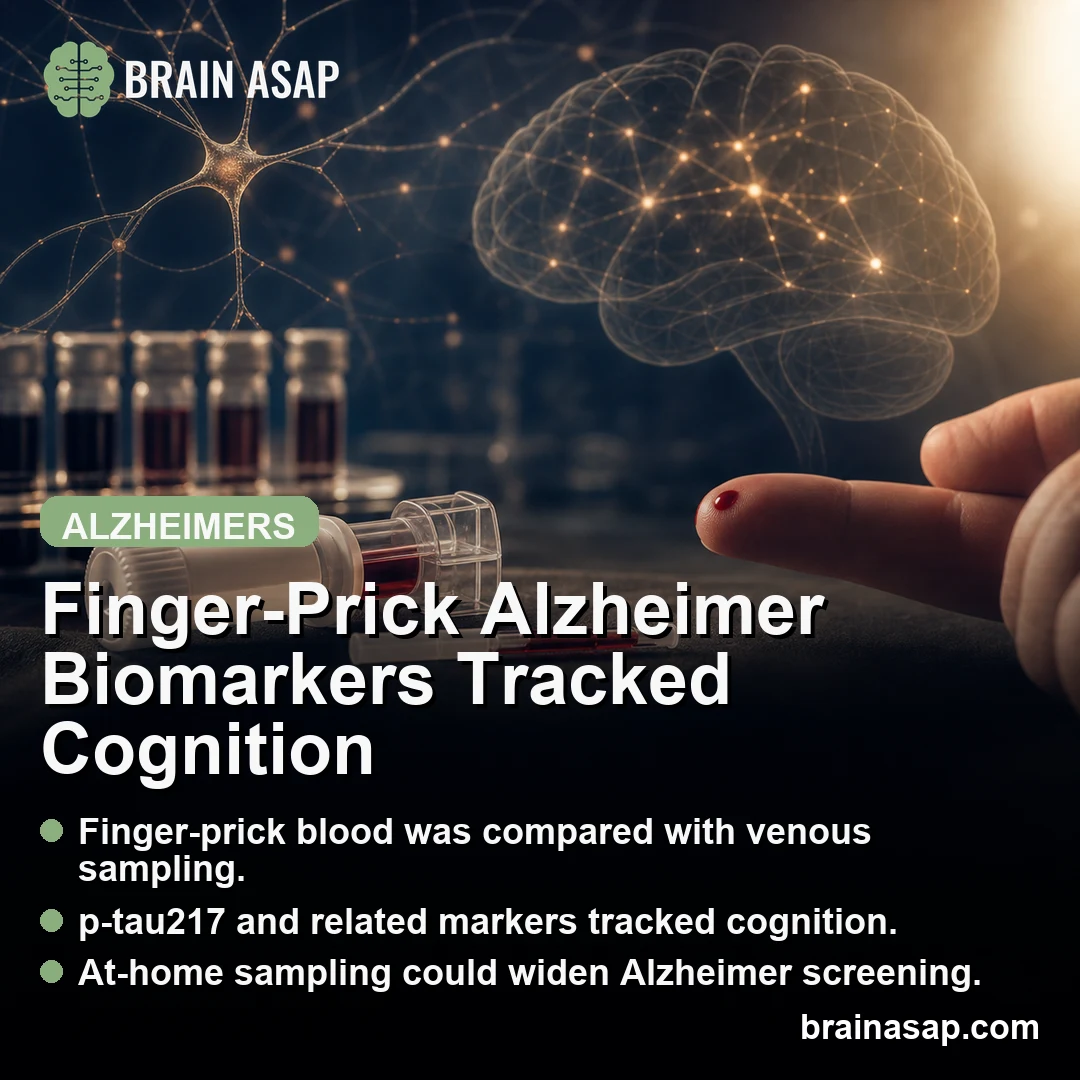
TL;DR: A 2026 study in Nature Communications found that self-administered finger-prick blood tests for phosphorylated tau 217 (p-tau217), an Alzheimer’s tau marker, and glial fibrillary acidic protein (GFAP), an astrocyte-injury marker, correlated with cogniti…
Read article ↗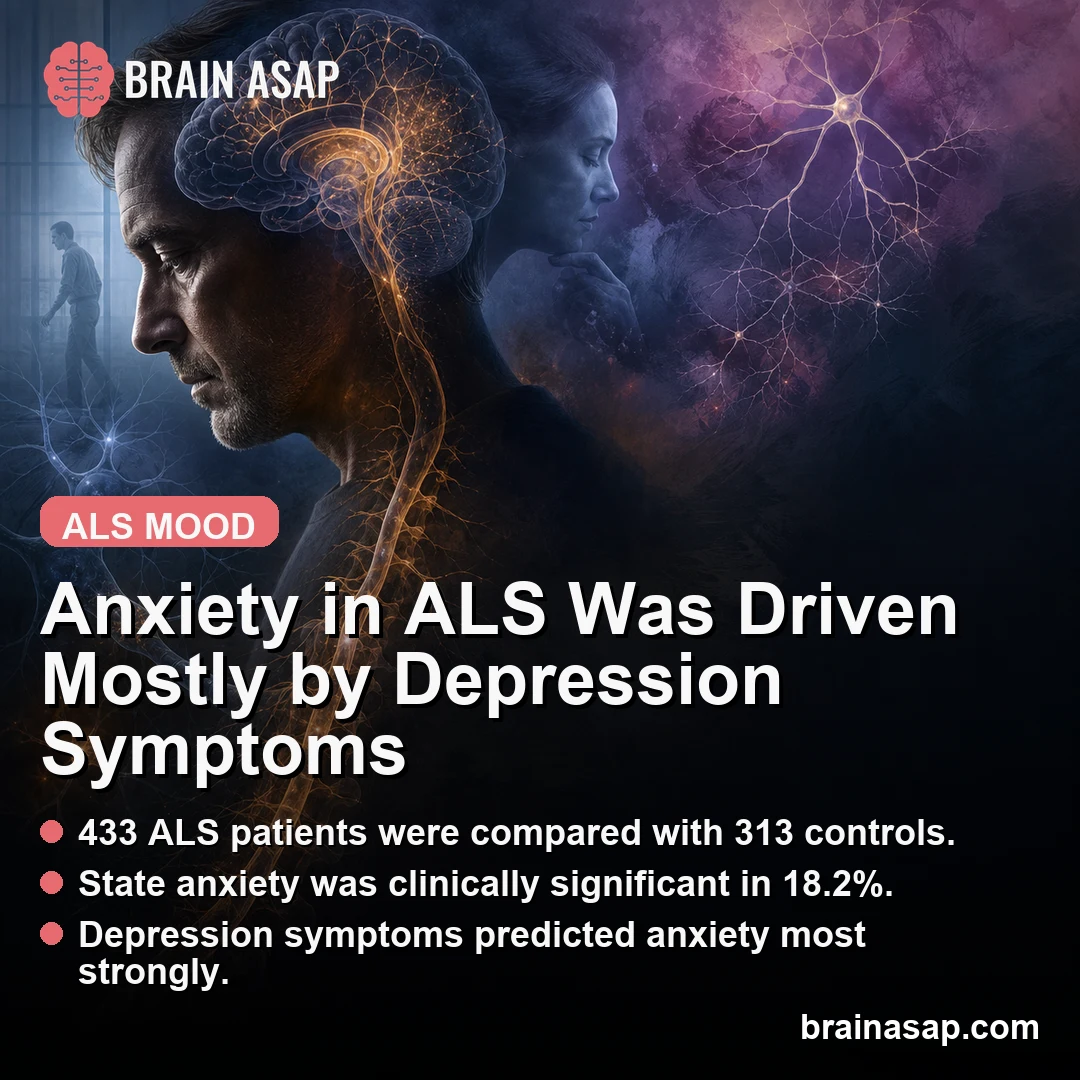
TL;DR: A 2026 BJPsych Open study found clinically significant anxiety in about 18% of non-demented ALS patients for state anxiety and 14% for trait anxiety, with anxiety scores driven mainly by cognitive-affective depression symptoms rather than motor severity…
Read article ↗
TL;DR: A 2026 study in Nature Mental Health describes an AI system that scans routine electronic health records (EHRs) and combines early-life visits, prescriptions, and comorbidities into a risk flag for ADHD evaluation before formal diagnosis. Key Findings A…
Read article ↗
TL;DR: A 2026 medRxiv preprint found that hospital stakeholders saw a need for CARES, a Comprehensive Addiction Risk Evaluation System combining genetic and behavioral/environmental risk information, but warned that provider burden, substance-use stigma, and w…
Read article ↗
TL;DR: A 2026 medRxiv preprint found that white matter hyperintensity (WMH) burden, the amount of MRI-visible white-matter injury, was greater and progressed faster in amyotrophic lateral sclerosis (ALS), with progression tied to worse motor and cognitive scor…
Read article ↗
TL;DR: A 2026 medRxiv preprint reported that ventral capsule deep brain stimulation (DBS), an implanted brain-stimulation treatment, reduced severe treatment-resistant obsessive-compulsive disorder (OCD) symptoms by 22 Yale-Brown Obsessive-Compulsive Scale (Y-…
Read article ↗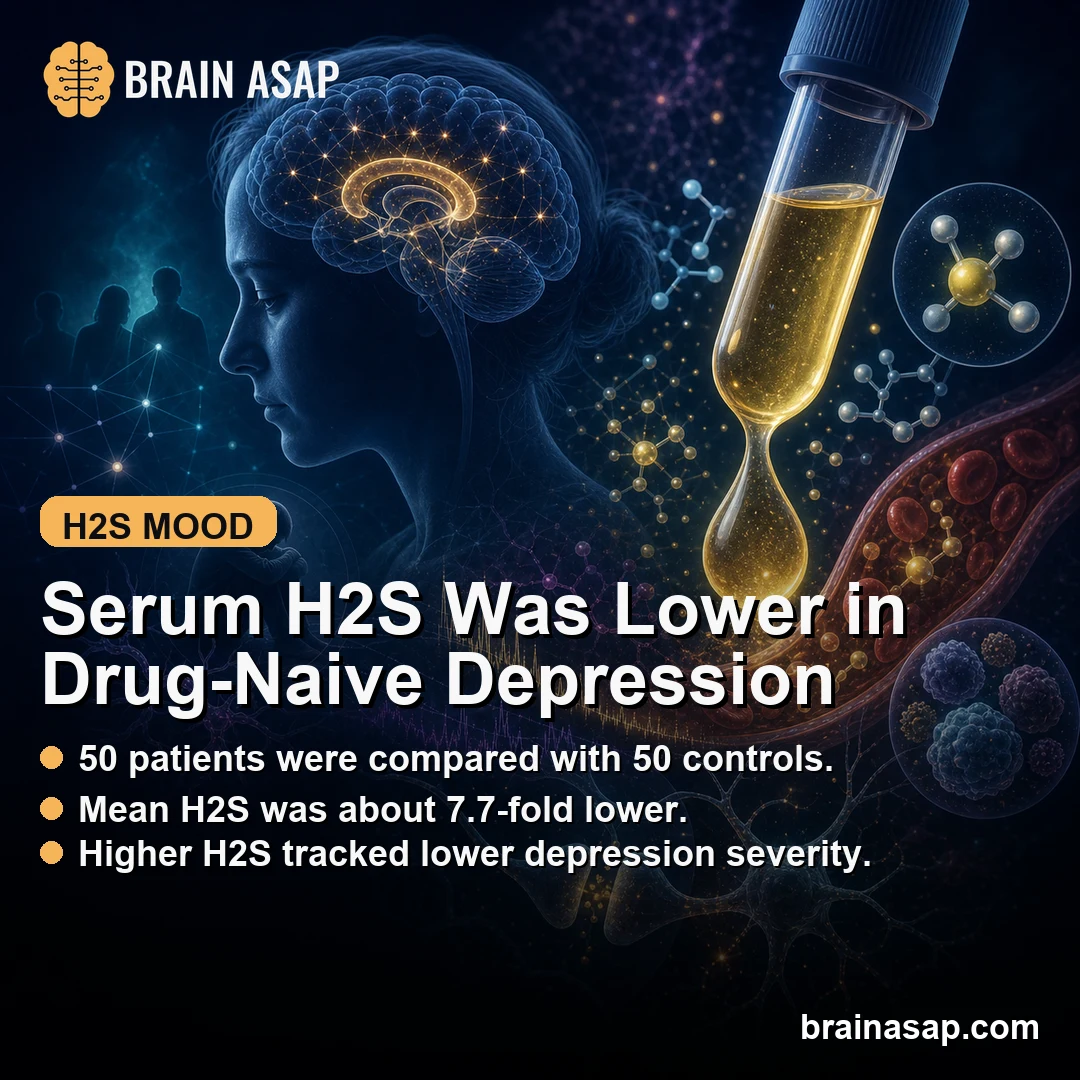
TL;DR: A 2026 medRxiv preprint found that serum hydrogen sulfide (H2S) levels, a blood measure tied to brain signaling and inflammation biology, were about 7.7-fold lower in drug-naive major depressive disorder patients than in matched controls. Key Findings 1…
Read article ↗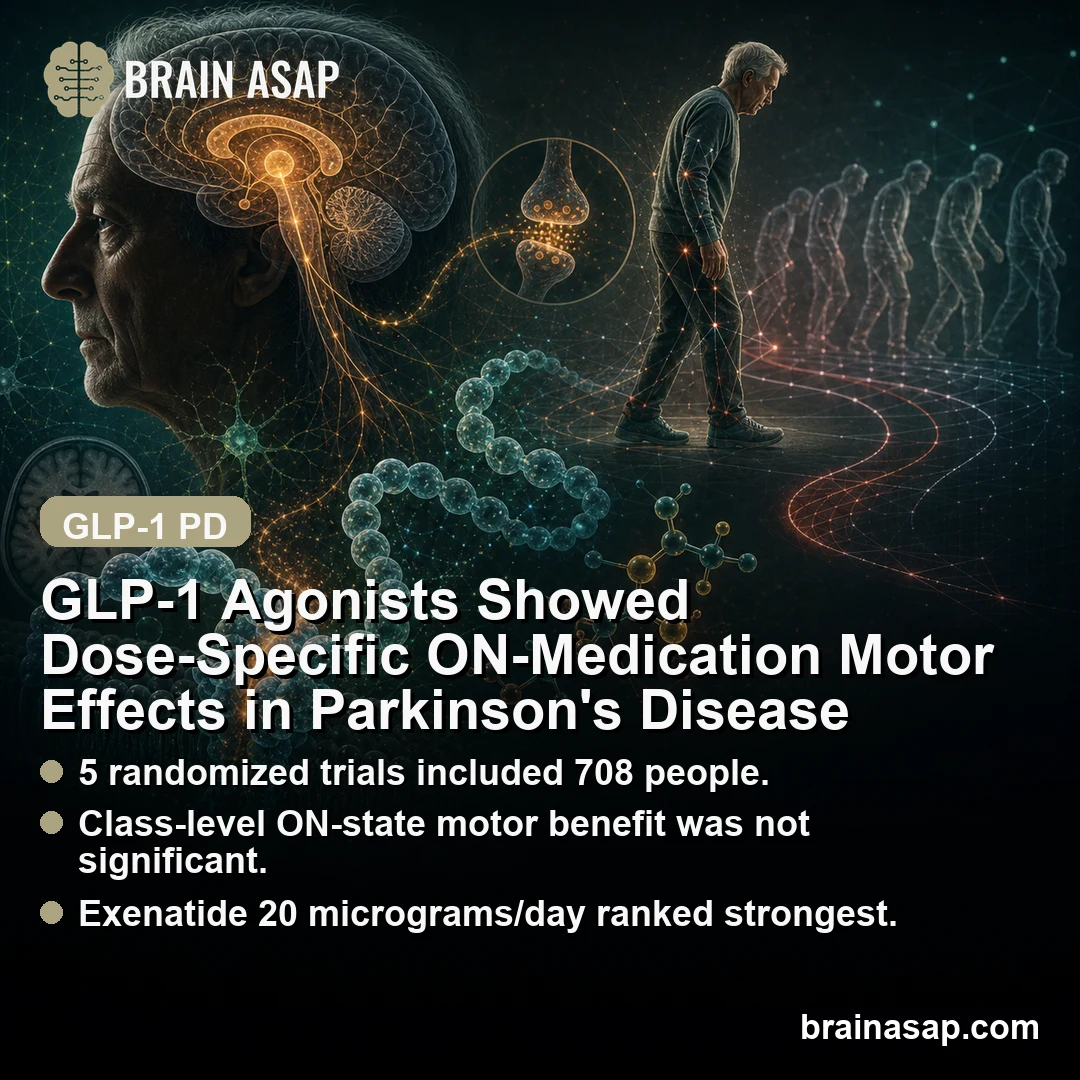
TL;DR: A 2026 systematic review and exploratory network meta-analysis of 5 randomized trials in Neurological Sciences found dose-specific ON-medication motor improvements, measured while usual Parkinson’s drugs were active, for some GLP-1 receptor agonists, gl…
Read article ↗