TL;DR: A 2026 study in Open Medicine used network pharmacology, Alzheimer’s disease transcriptomic datasets, machine learning, Mendelian randomization, and molecular docking to link 6PPD-quinone, a tire-wear chemical transformation product, with inflammation,…
Read article ↗
TL;DR: A 2026 Nature Neuroscience study found that multiple sclerosis lesions rich in lipid-filled foamy microglia had a molecular profile tied to faster disability progression, cerebrospinal-fluid oxylipins, and a druggable lipid enzyme called MAGL. Key Findi…
Read article ↗
TL;DR: A 2026 mouse study in Alcohol: Clinical and Experimental Research found that chronic intermittent ethanol plus repeated forced-swim stress left mice drinking more alcohol months later and impaired reversal learning in midlife, alongside locus coeruleus…
Read article ↗
TL;DR: A 2026 open-label study in Communications Medicine found that Bacillus Calmette-Guerin (BCG) immunotherapy changed cerebrospinal-fluid immune-cell responses and Alzheimer-related biomarkers in 23 older adults. Key Findings Small trial context: 2 related…
Read article ↗
TL;DR: A 2026 review in Translational Neuroscience summarizes why PINK1 and parkin, two genes linked to early-onset parkinsonism, keep pointing researchers back to mitophagy and autophagy as Parkinson disease mechanisms. Key Findings 18 PARK loci noted: The re…
Read article ↗
TL;DR: A 2026 study in Acta Neuropathologica found that rare NF2-mutant meningiomas can transform into aggressive sarcoma-like tumors while keeping clonal ancestry but losing normal meningioma molecular identity. Key Findings 9 matched tumor pairs: Researchers…
Read article ↗
TL;DR: A 2026 review in International Journal of Molecular Medicine summarized how tanshinone IIA, a compound from Salvia miltiorrhiza, may protect cardiovascular and cerebrovascular tissue through anti-inflammatory, antioxidant, anti-apoptotic, and nanodelive…
Read article ↗
TL;DR: A 2026 study in Nature Metabolism identified brain hyperglycosylation as a metabolic driver of Alzheimer disease in human tissue and mouse models, while glucosamine exposure was linked to worse outcomes in Alzheimer-related dementia records. Key Finding…
Read article ↗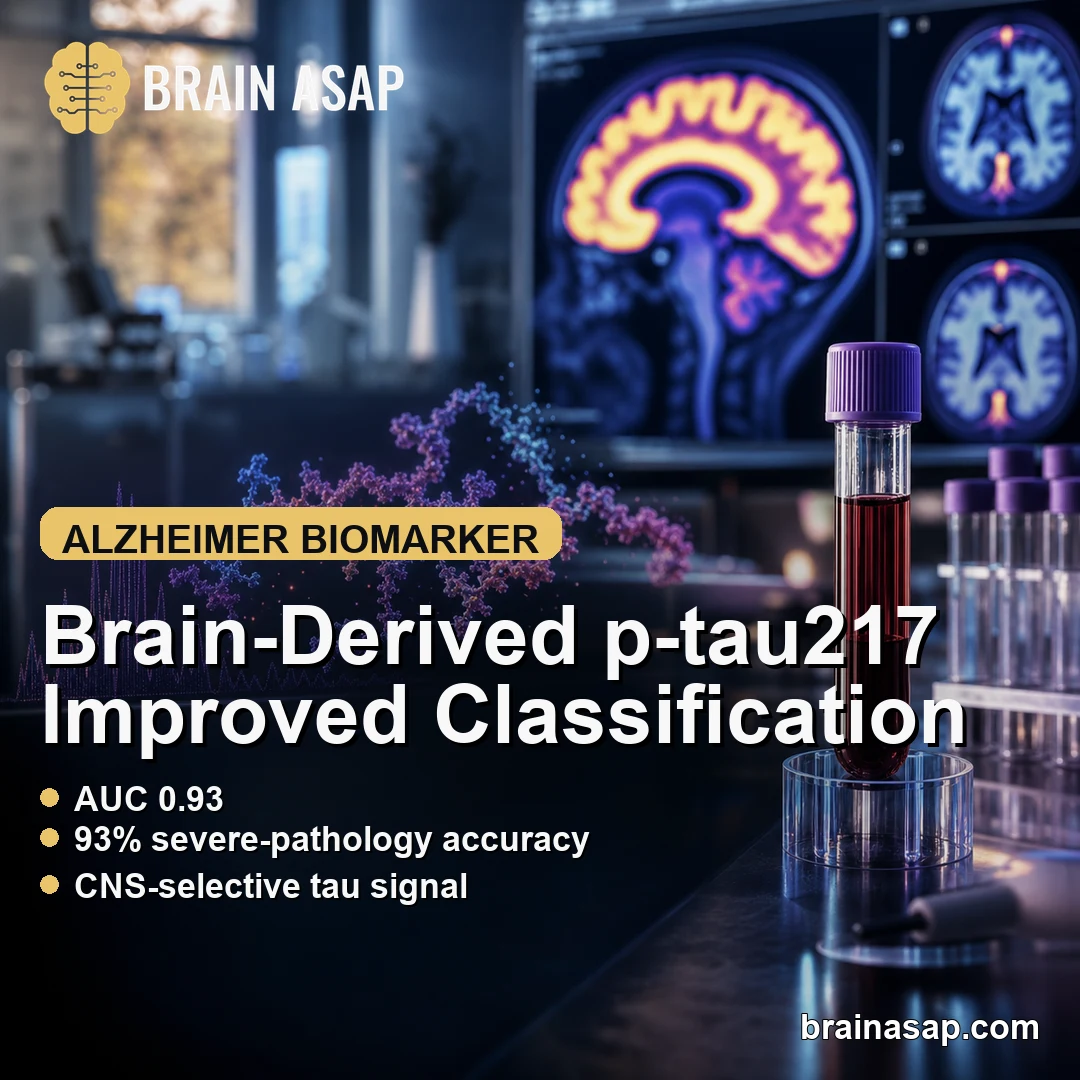
TL;DR: A 2026 preprint in medRxiv found that brain-derived p-tau217%, a blood marker designed to isolate central nervous system tau, classified Alzheimer disease pathology better than standard plasma p-tau217 in several Alzheimer cohorts. Key Findings CNS-sele…
Read article ↗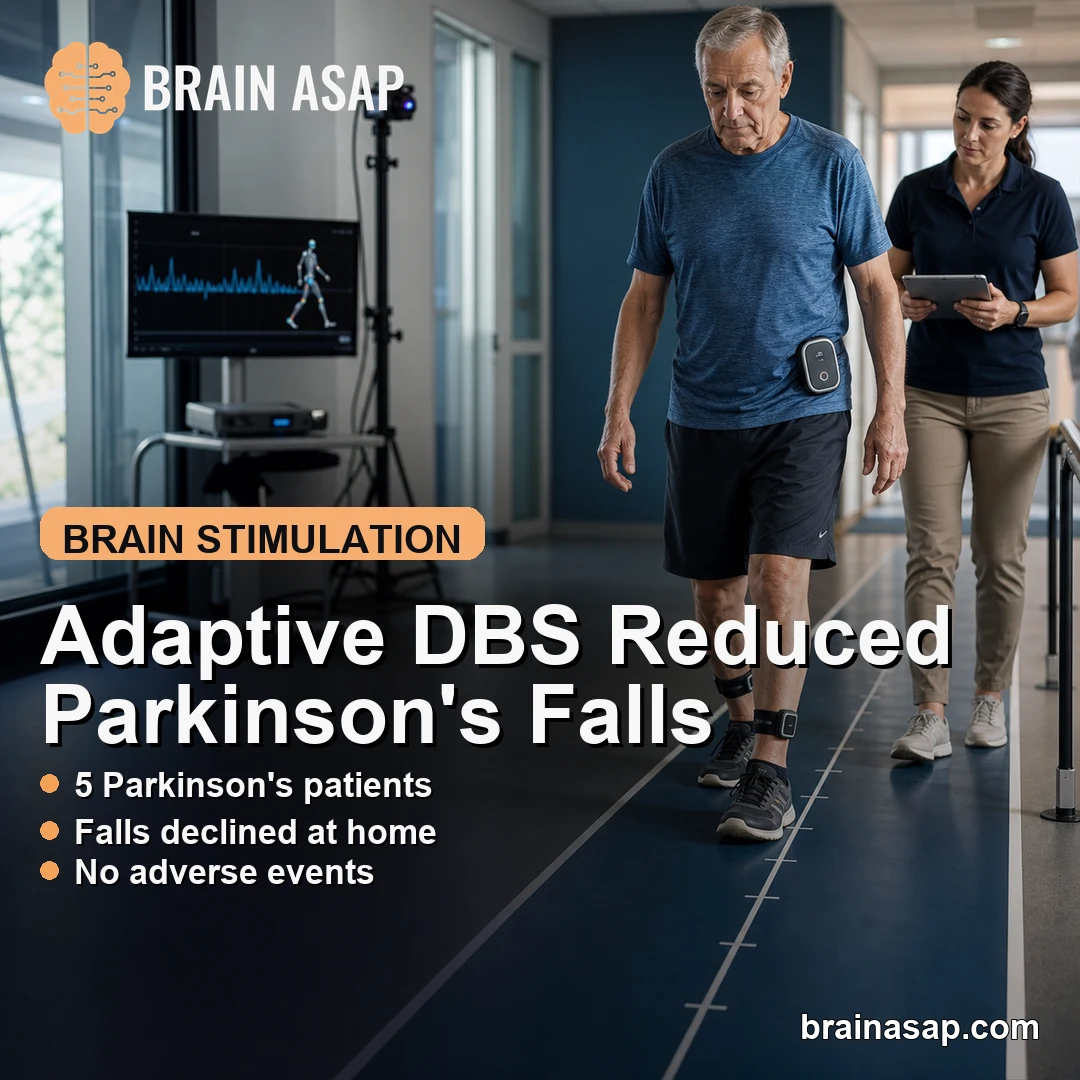
TL;DR: A 2026 randomized feasibility trial in Nature Medicine found that gait-synchronized adaptive deep brain stimulation was feasible and safe in 5 people with Parkinson’s disease, with early findings of improved gait symmetry, lower variability, and fewer r…
Read article ↗