TL;DR: A 2026 study in PLOS One found that UK survey participants rated LLM-generated impersonated debate responses as more authentic, coherent, and relevant than real televised-debate answers, even though many generated answers differed from what the real spe…
Read article ↗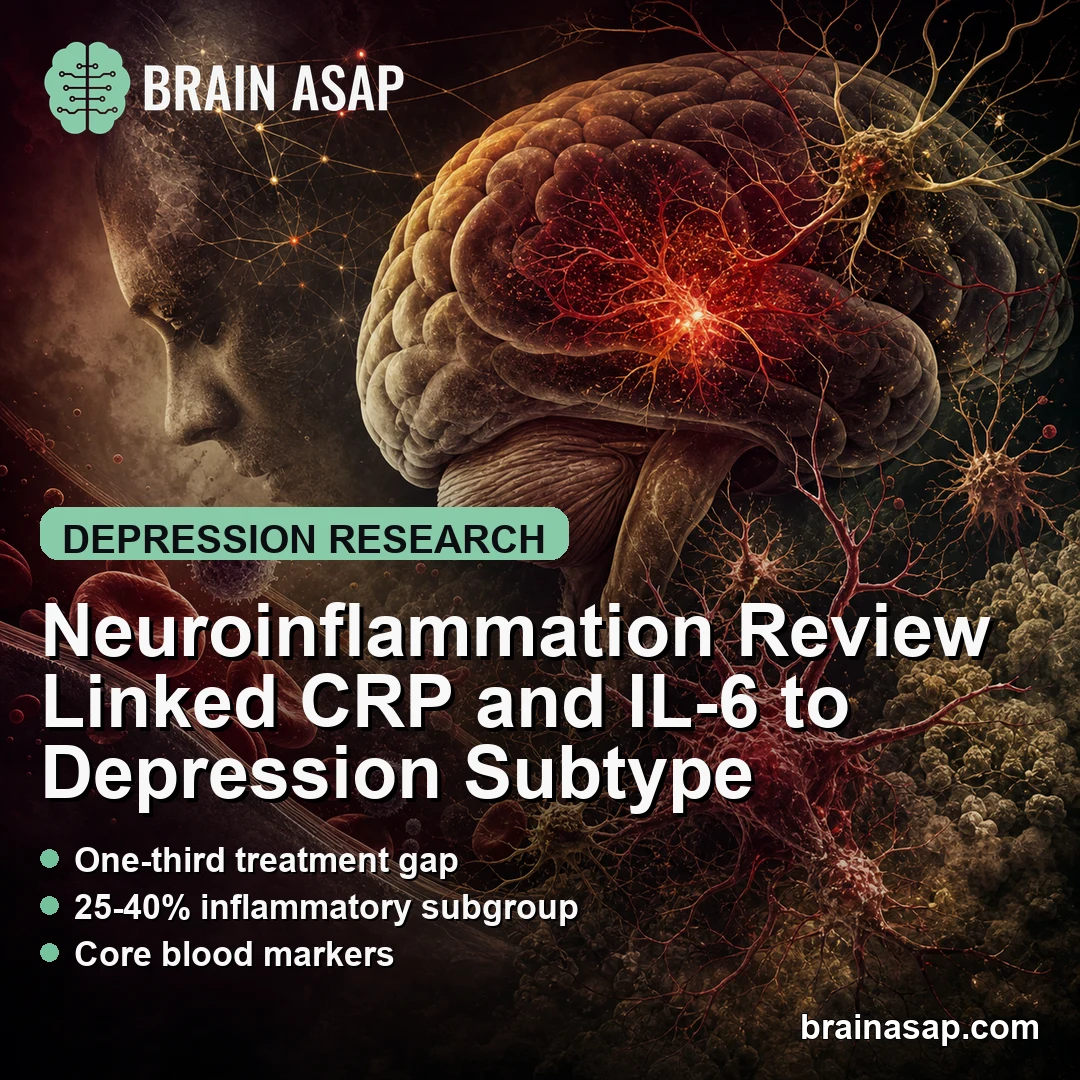
TL;DR: A 2026 review in Translational Psychiatry argues for a biologically meaningful inflammatory depression subgroup, with CRP, IL-6, TNF-alpha, glial activation, kynurenine metabolism, and synaptic plasticity linking immune signaling to symptoms and treatme…
Read article ↗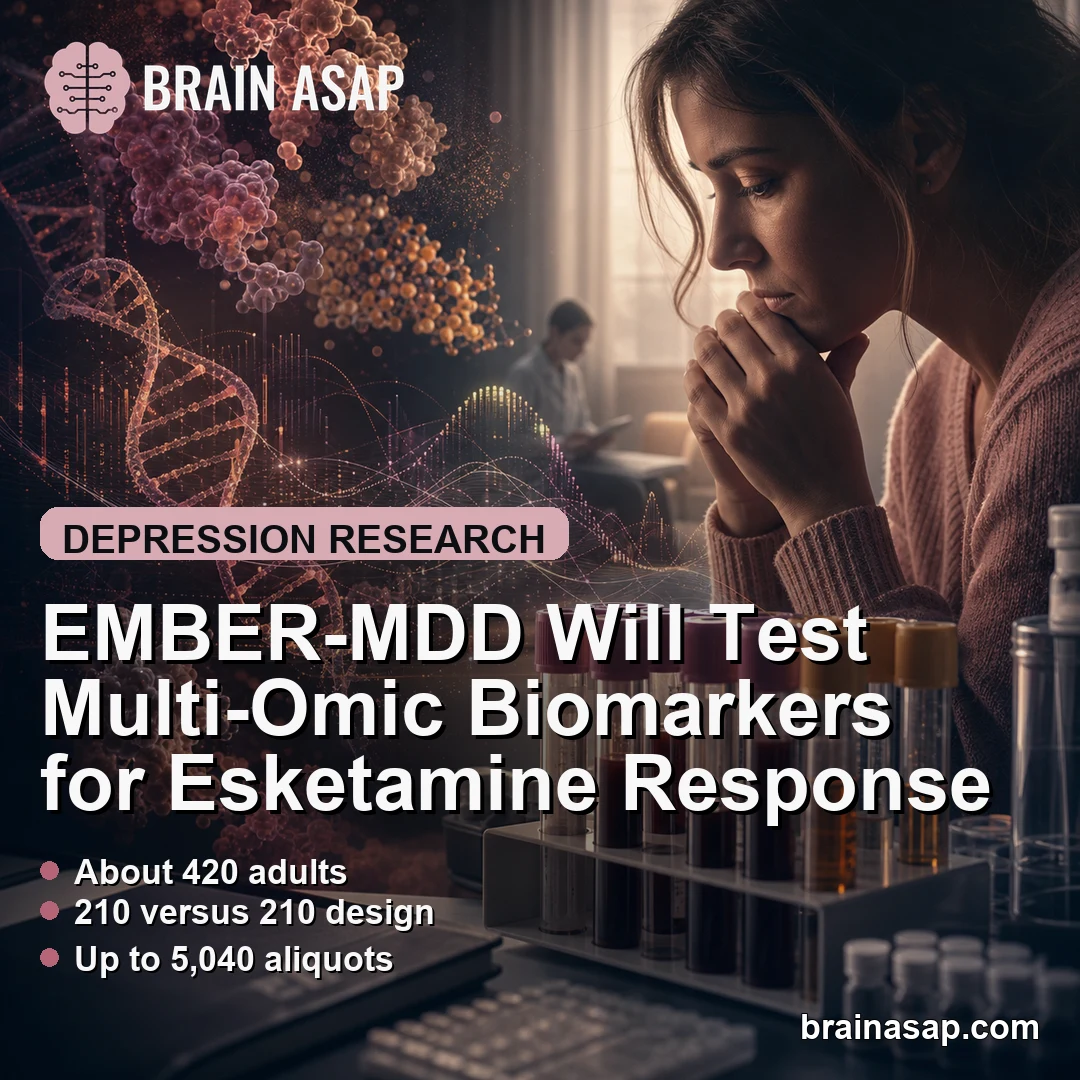
TL;DR: A 2026 methodology paper in European Archives of Psychiatry and Clinical Neuroscience describes EMBER-MDD, a research-only multi-omic study designed to find treatment-resistance and esketamine-response biomarkers in about 420 adults with major depressiv…
Read article ↗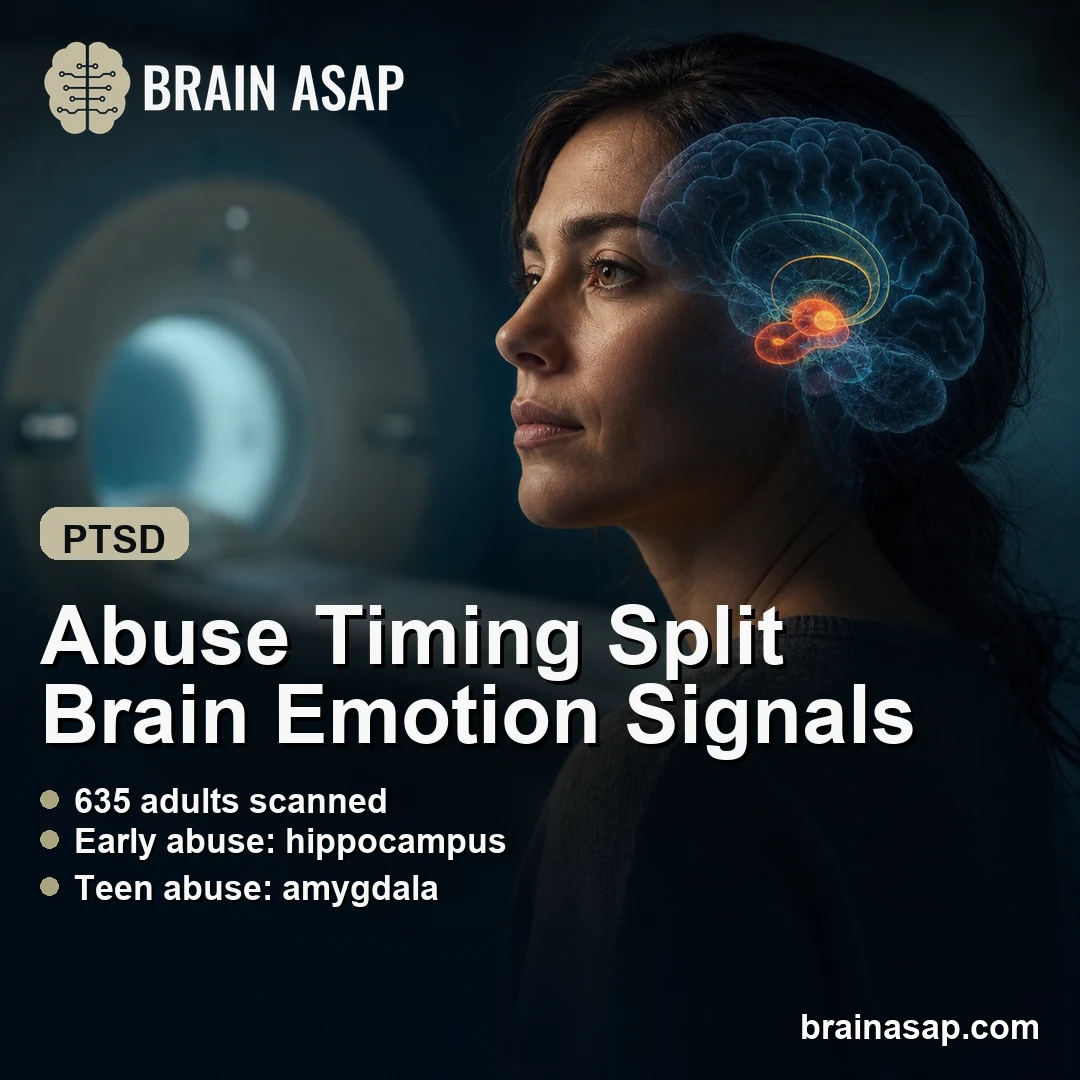
TL;DR: A 2026 fMRI study in Molecular Psychiatry linked abuse before age 13 to stronger hippocampal responses during non-conscious negative emotion processing, while abuse during adolescence was linked to stronger amygdala responses during conscious emotion vi…
Read article ↗
TL;DR: A 2026 randomized trial in International Journal of Clinical and Health Psychology found that older adults who knowingly took placebo pills for 3 weeks reported lower stress and performed better on Digit Span than controls. Key Findings Aging trial cont…
Read article ↗
TL;DR: A 2026 study in Brain, Behavior, & Immunity – Health linked composite inflammatory biomarkers during pregnancy and postpartum with postpartum anxiety symptoms, but the strongest associations ran in the unexpected direction of lower anxiety risk at highe…
Read article ↗
TL;DR: A 2026 BJPsych Bulletin paper argues that person-first language in forensic mental health services may reduce stigma, social distance, and pessimism when it is used carefully rather than as a substitute for structural change. Key Findings Forensic menta…
Read article ↗
TL;DR: A 2026 review in the Journal of Neuroinflammation argued that several parasitic infections may affect behavior and cognition through converging microbiota, immune, barrier, and glial pathways. Key Findings Protozoa and helminths reviewed: The review cov…
Read article ↗
TL;DR: A 2026 pilot randomized trial in Psychological Services found that a 9-session social-function group for older veterans with PTSD was feasible and acceptable, with stronger relationship gains than a support group in romantic and family functioning. Key…
Read article ↗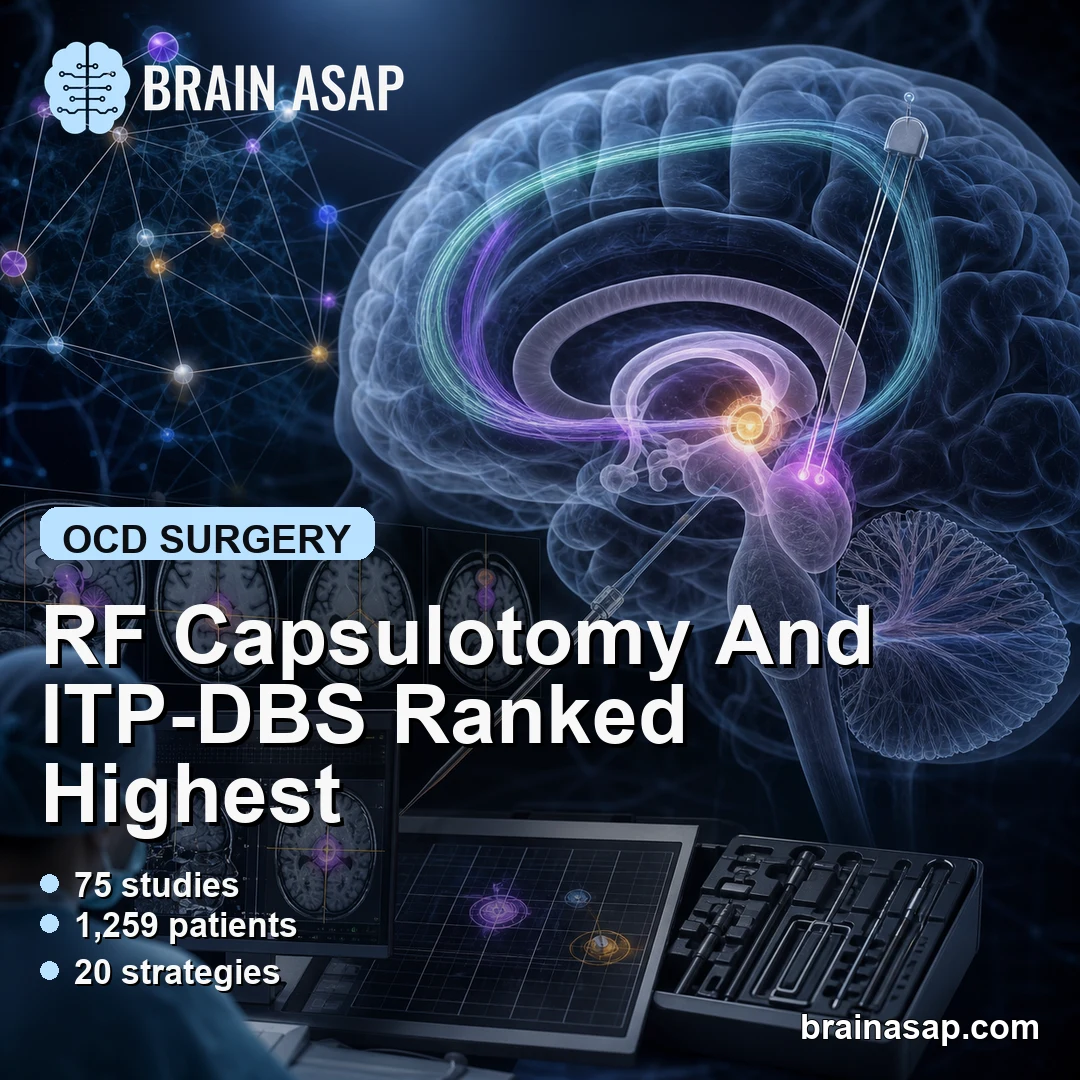
TL;DR: A 2026 study in Molecular Psychiatry found that radiofrequency capsulotomy and inferior thalamic peduncle deep brain stimulation were associated with the largest symptom improvements among surgical strategies for refractory obsessive-compulsive disorder…
Read article ↗