TL;DR: A 2026 study in PLOS One found that people with Parkinson’s disease made more silent pauses while reading aloud, especially when sentences were longer or syntactically more complex. Key Findings Reading task compared 71 adults: Researchers compared 32 p…
Read article ↗
TL;DR: A 2026 study in Glia used human single-nucleus RNA sequencing datasets and mouse validation to identify a shared neurodegeneration-linked microglial transcription program, highlighting SPP1 as a disease-associated microglia marker. Key Findings Five dis…
Read article ↗
TL;DR: A 2026 Neurological Sciences study followed 216 early Parkinson’s patients for 2 years after levodopa started and found that several non-motor symptom differences between men and women persisted or emerged despite adjustment for baseline scores and levo…
Read article ↗
TL;DR: A 2026 medRxiv preprint linked pre-surgery diffusion MRI markers in Parkinson’s disease to 6-month changes in impulsive-compulsive behaviour after subthalamic deep brain stimulation. Key Findings Small DBS cohort: Researchers followed 35 Parkinson’s dis…
Read article ↗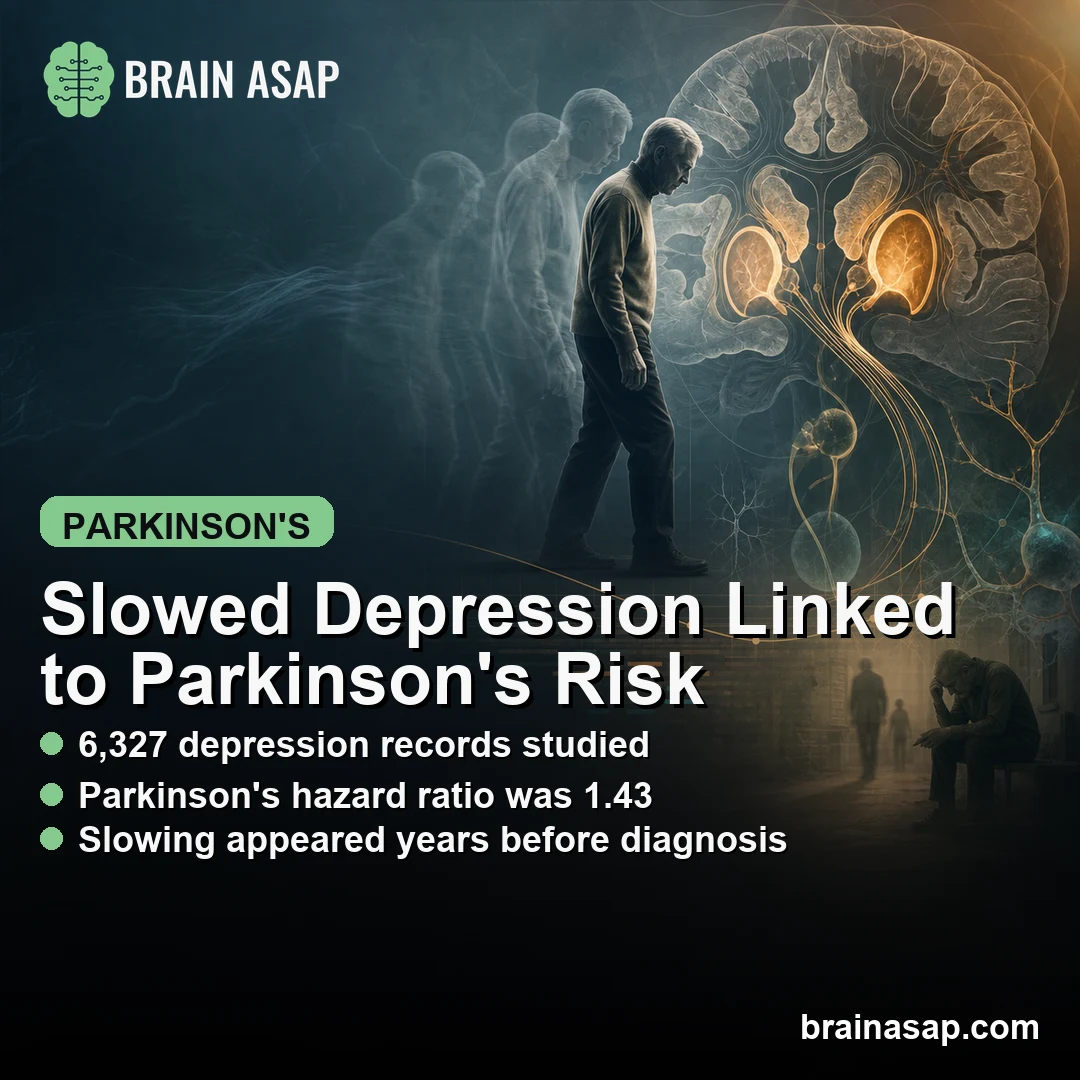
TL;DR: A 2026 medRxiv preprint found psychomotor retardation, meaning slowed movement, speech, and thinking during depression, was linked to higher later Parkinson’s diagnosis risk in 6,327 London mental-health records. Key Findings Psychomotor retardation was…
Read article ↗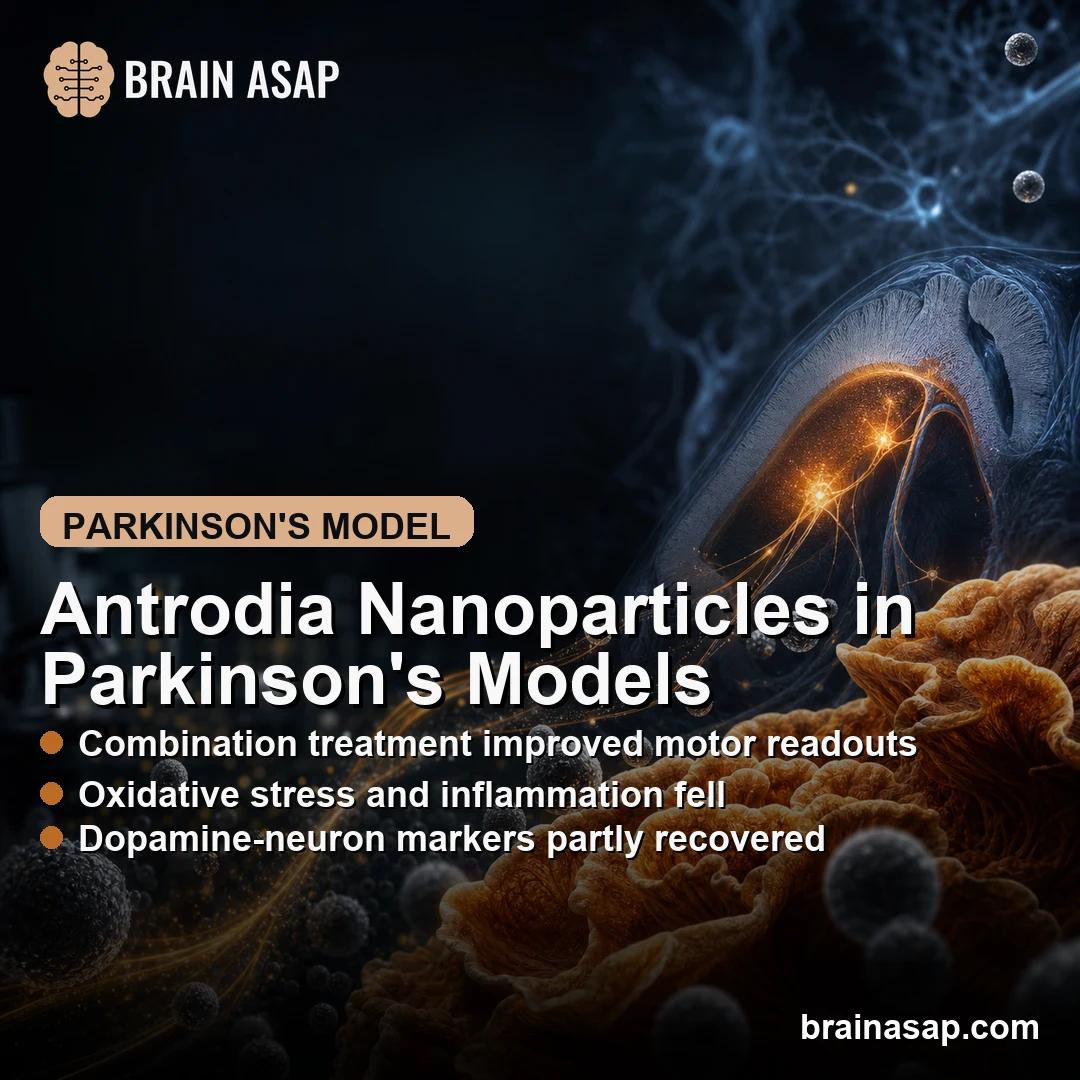
TL;DR: A 2026 study in Molecular Neurobiology found that Antrodia cinnamomea, a medicinal fungus extract, worked best when carried on citrate-stabilized silver nanoparticles in cell and rat models of Parkinson’s-like dopamine injury. Key Findings 6-OHDA create…
Read article ↗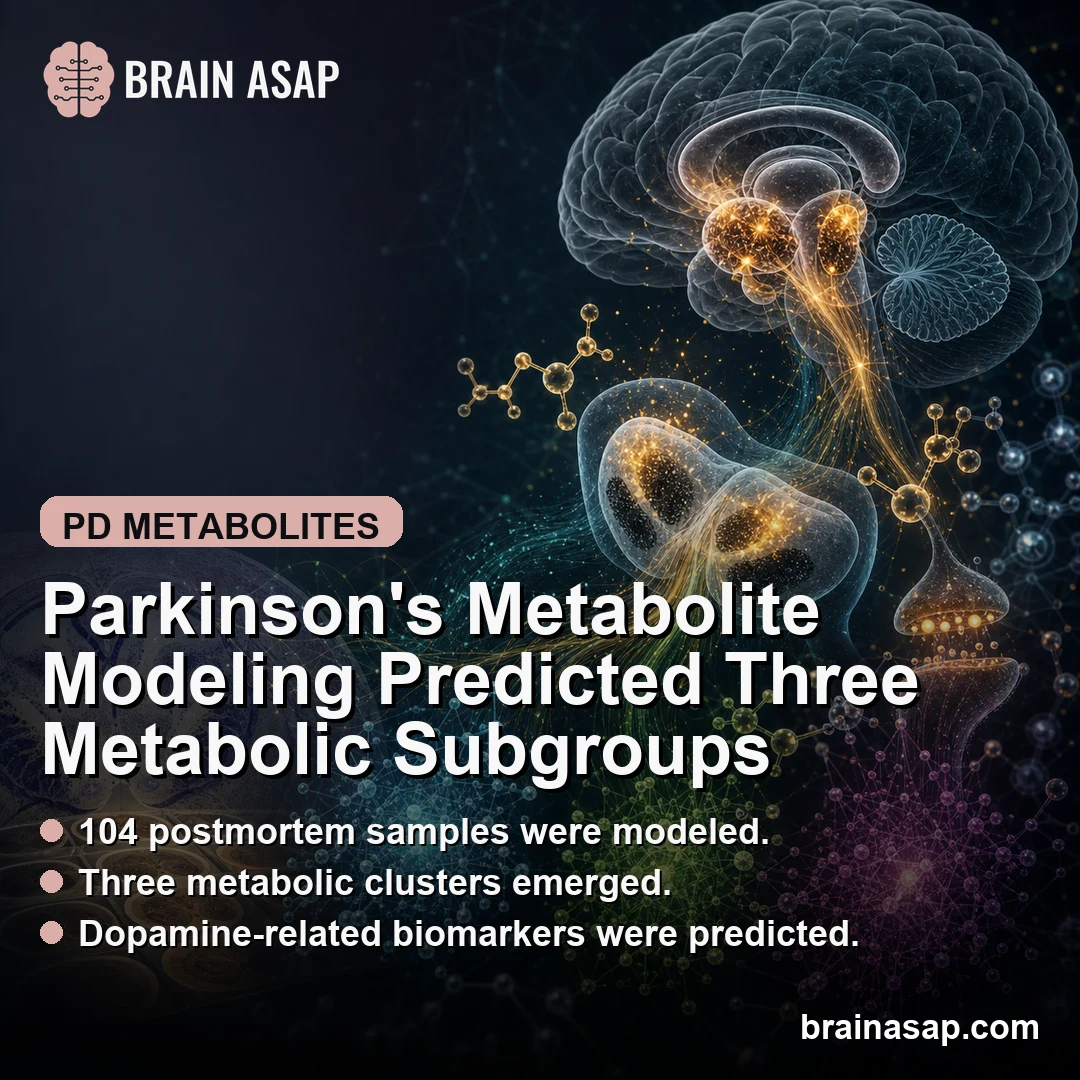
TL;DR: A 2026 npj Parkinson’s Disease study used brain transcriptome data and genome-scale metabolic modeling to predict Parkinson’s metabolite biomarkers, including dopamine-related changes, and separated 104 postmortem samples into three metabolic clusters.…
Read article ↗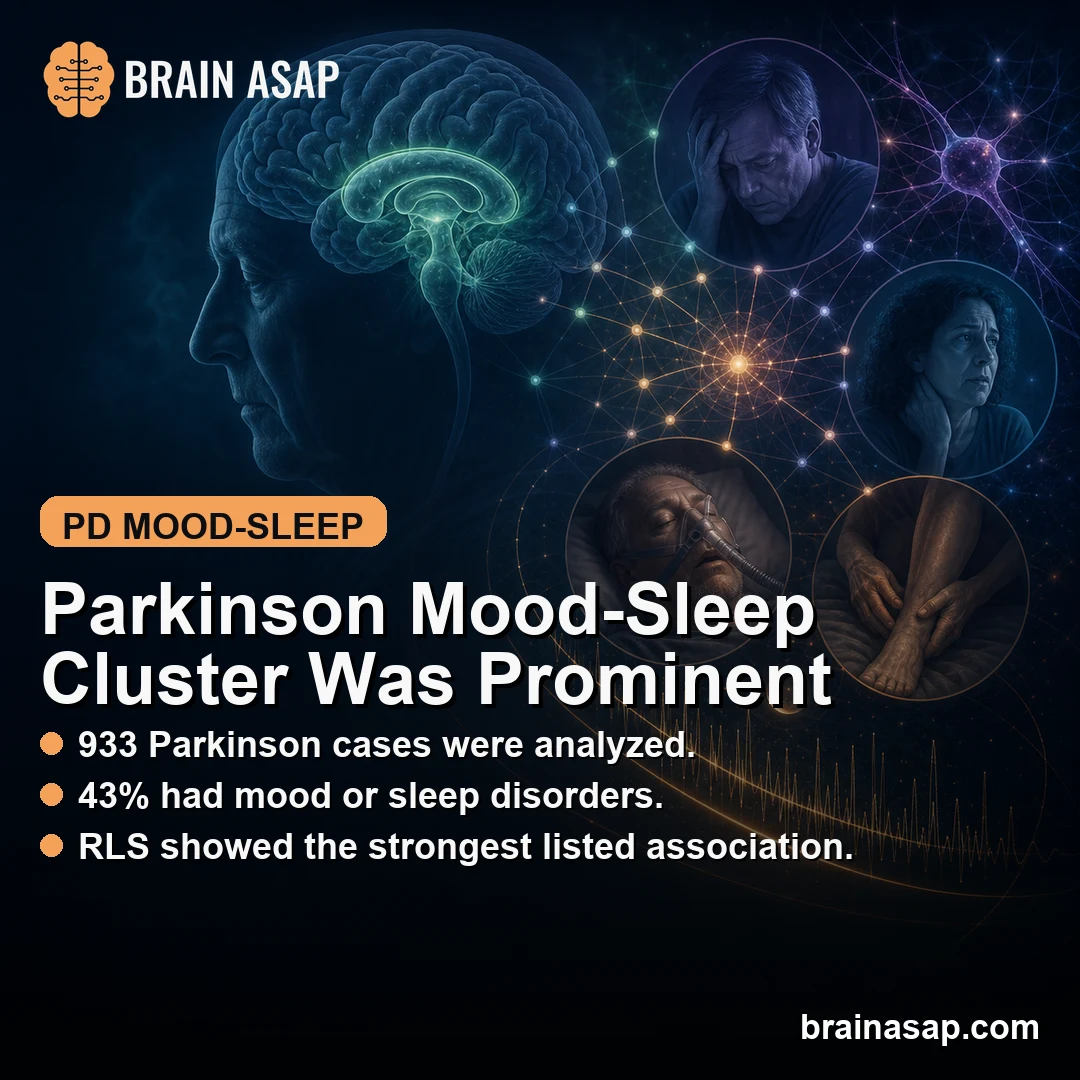
TL;DR: A 2026 preprint on medRxiv using the Harvard Biomarkers Study found that 43% of Parkinson’s disease patients had depression, anxiety, sleep apnea, or restless legs syndrome, compared with 21% of controls. Key Findings 1,224-person cohort: Researchers an…
Read article ↗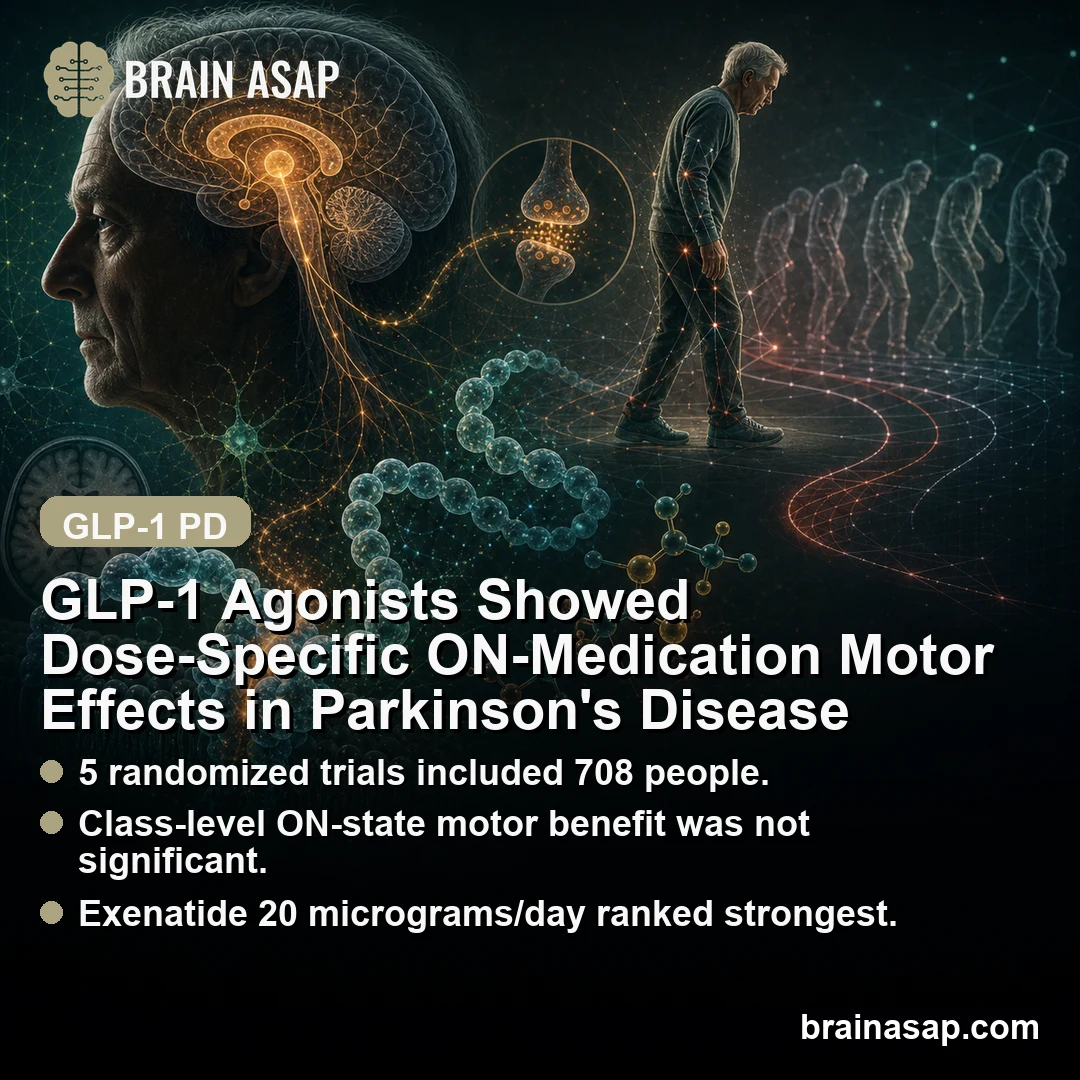
TL;DR: A 2026 systematic review and exploratory network meta-analysis of 5 randomized trials in Neurological Sciences found dose-specific ON-medication motor improvements, measured while usual Parkinson’s drugs were active, for some GLP-1 receptor agonists, gl…
Read article ↗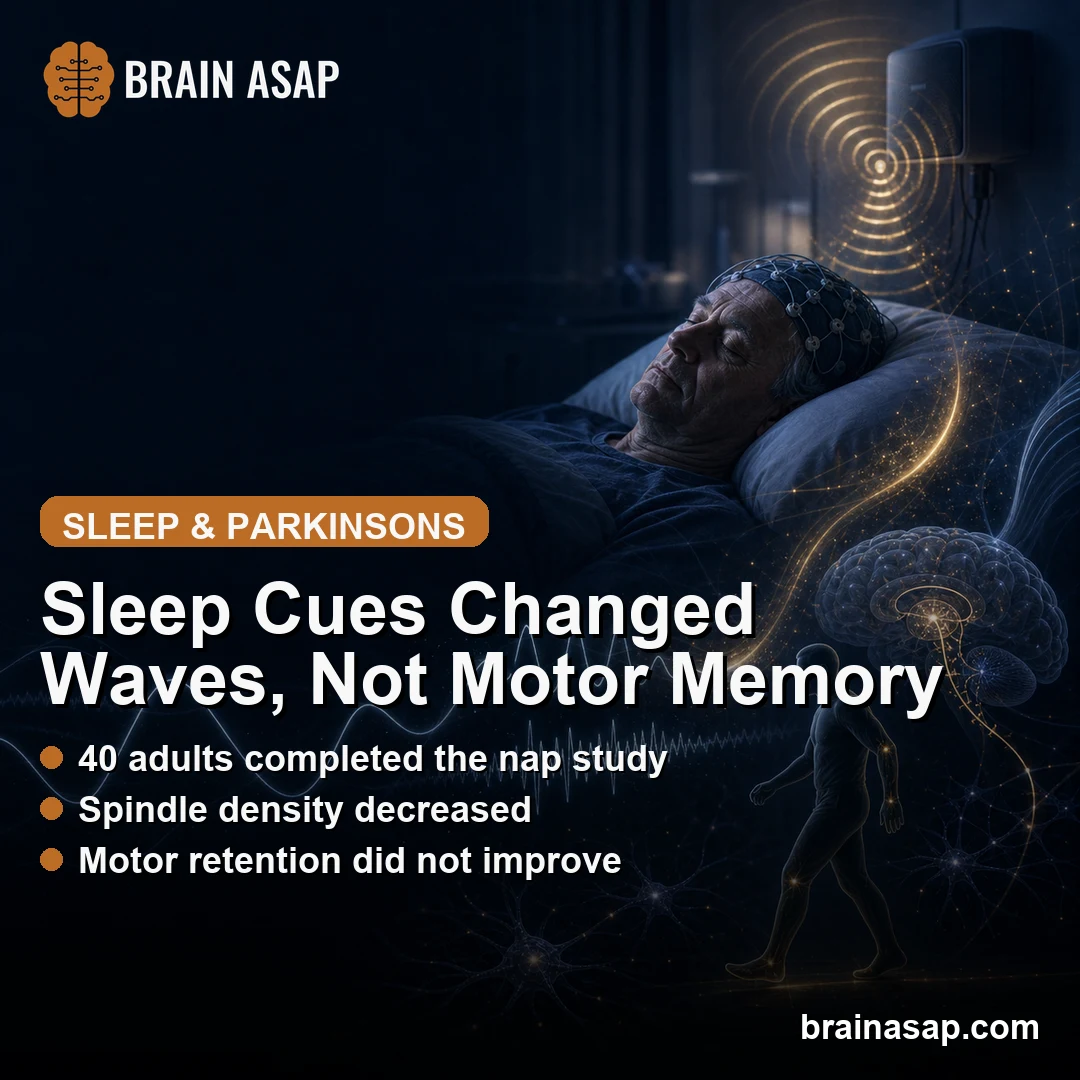
TL;DR: A 2026 medRxiv preprint found that targeted memory reactivation (TMR), replaying learned sounds during non-REM sleep, changed spindle and slow-wave density during a nap but did not improve motor memory retention in Parkinson’s disease or healthy older a…
Read article ↗