First-Episode Psychosis Reduced CSF C4A-C1Q Immune Coupling
C4A Broke Away From C1Q in First-Episode Psychosis

C4A Broke Away From C1Q in First-Episode Psychosis TL;DR: In cerebrospinal fluid from people with first-episode psychosis, the usual positive relationship between C4A and C1Q disappeared, while C4A’s broader immune-network pattern shifted sharply in a way C4B did not. Key Findings C4A-C1Q coupling broke in psychosis: The study compared 113 patients with first-episode psychosis against …
Read more

Astrocyte BMP Suppression Reduced Audiogenic Seizures in Fragile X Mice

Astrocyte BMP Suppression Eased Fragile X Signals

Astrocyte BMP Suppression Eased Fragile X Signals TL;DR: In a fragile X mouse model, suppressing BMP signaling specifically in astrocytes reduced sound-triggered seizure severity and partially restored synaptic activity in the auditory cortex, a sound-processing region relevant to sensory over-responsiveness. Key Findings BMP signaling was elevated in fragile X astrocytes: The study focused on bone …

Read more

Childhood Trauma Increased Randomness in Teen Depression Brain Networks

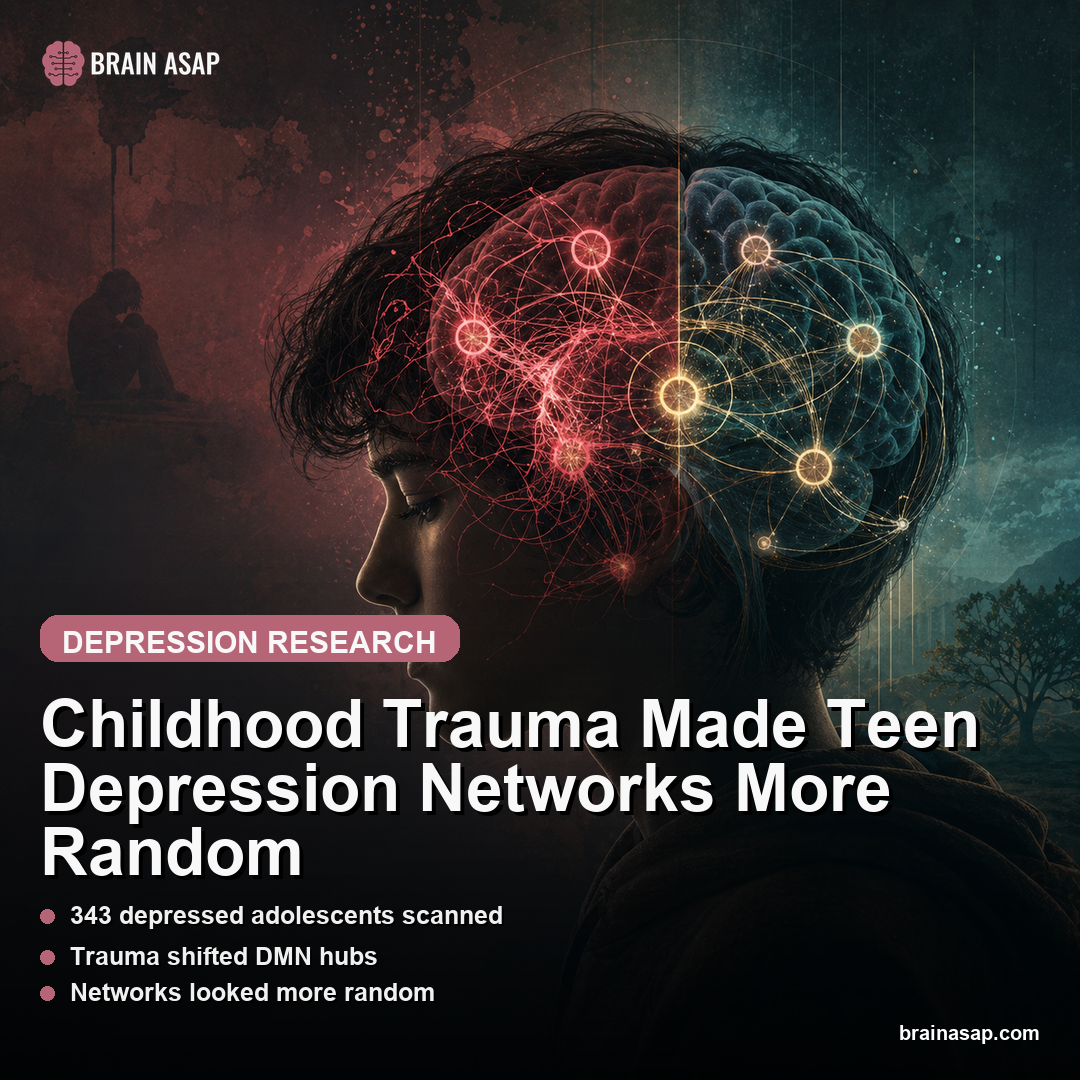
Childhood Trauma Made Teen Depression Networks More Random

Childhood Trauma Made Teen Depression Networks More Random TL;DR: In 343 adolescents with major depression, childhood trauma was linked to less efficient brain-network organization, partial normalization after treatment, and an fMRI-based model that predicted antidepressant response with 82% balanced accuracy. Key Findings 343 depressed adolescents scanned: The study analyzed resting-state functional MRI (fMRI) in adolescents …

Read more

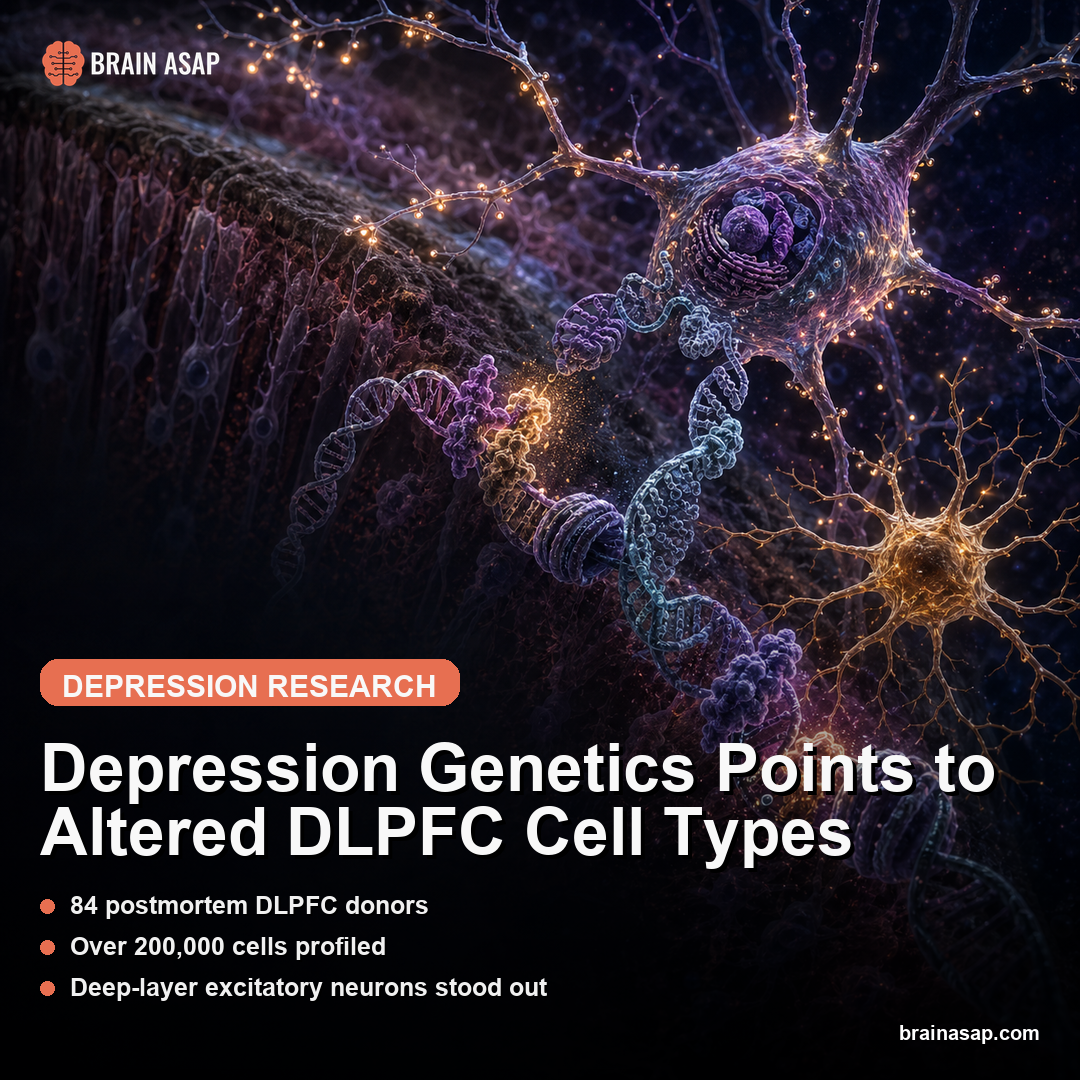
Depression Genetics Identified Altered DLPFC Neurons and Microglia

Depression Genetics Points to Altered DLPFC Cell Types

Depression Genetics Points to Altered DLPFC Cell Types TL;DR: A Nature Genetics study mapped more than 200,000 cells from the dorsolateral prefrontal cortex and found depression-linked regulatory changes concentrated in deep-layer excitatory neurons and a microglia subtype. Key Findings 84 postmortem DLPFC donors: The analysis compared dorsolateral prefrontal cortex tissue from people with major depression …

Read more

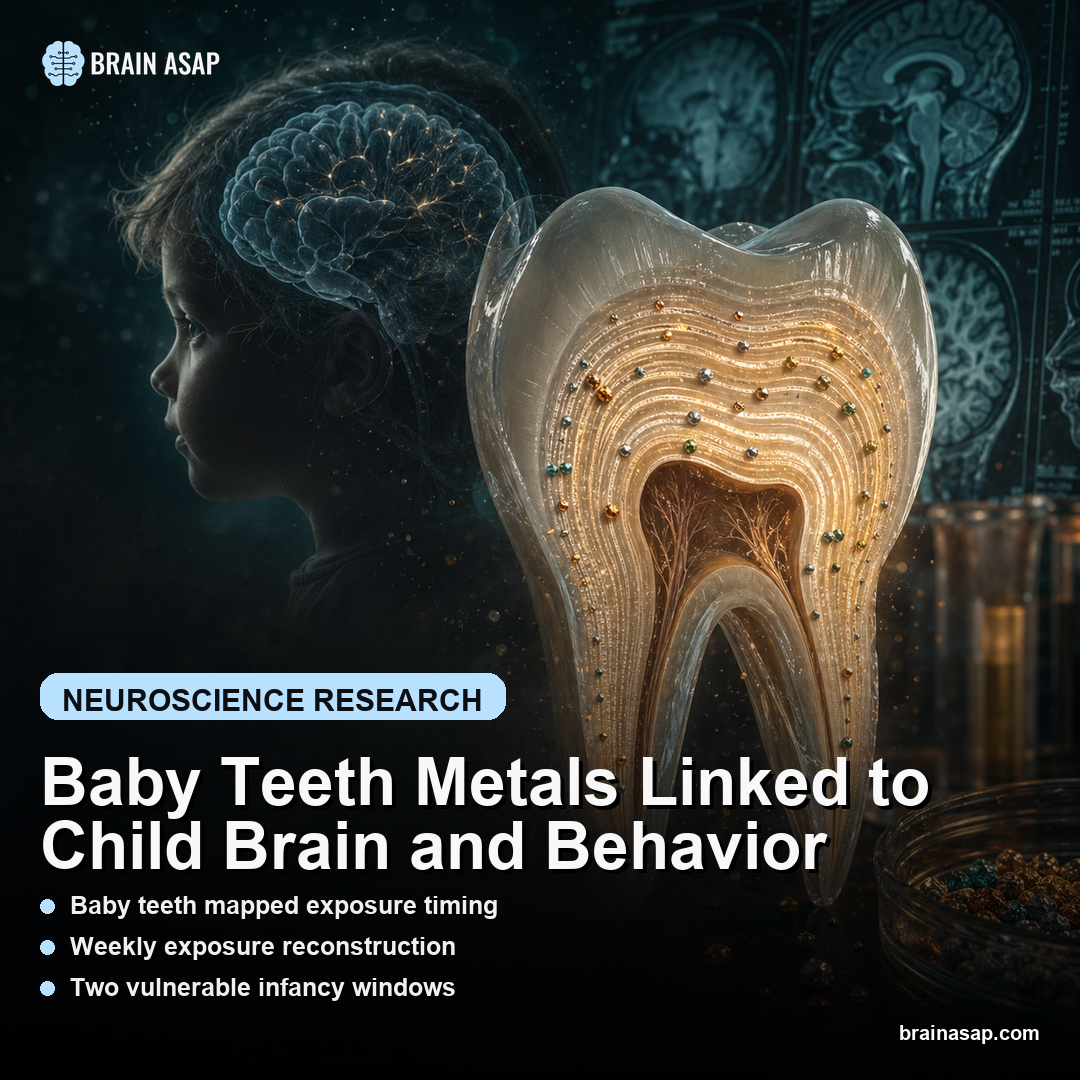
Baby Teeth Metals Linked to Brain and Behavior in Children

Baby Teeth Metals Linked to Child Brain and Behavior

Baby Teeth Metals Linked to Child Brain and Behavior TL;DR: A Science Advances study used naturally shed baby teeth as biological time capsules and found that higher early-life metal mixtures, especially during two postnatal windows, tracked with later behavioral symptoms and MRI signs of altered brain development. Key Findings Baby teeth mapped exposure timing: The …

Read more

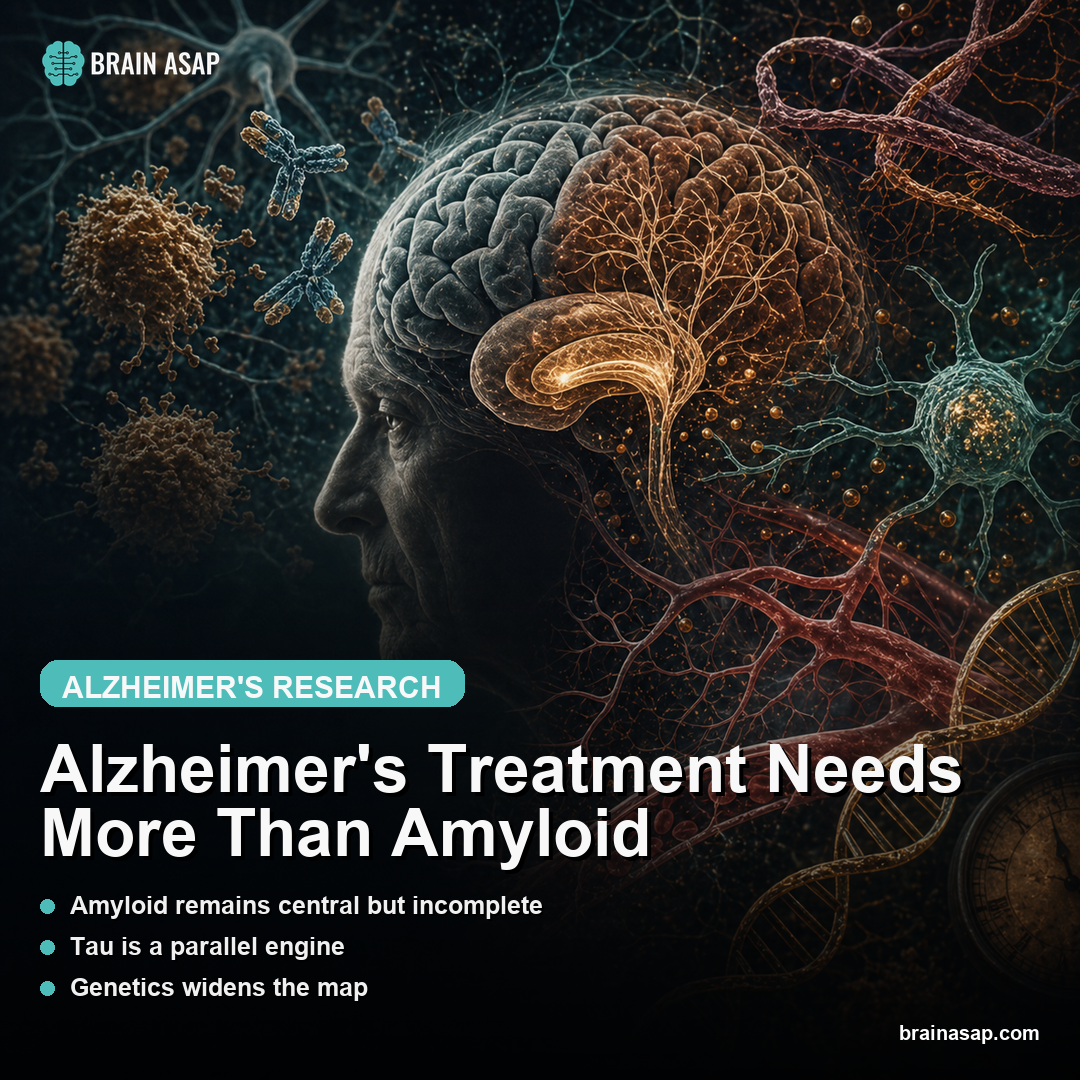
Alzheimer’s Treatment Needs More Than Amyloid Drugs

Alzheimer's Treatment Needs More Than Amyloid

Alzheimer’s Treatment Needs More Than Amyloid TL;DR: A 2026 review in Science China Life Sciences argues that amyloid-beta antibodies such as lecanemab and donanemab are important progress, but Alzheimer’s treatment cannot stop at amyloid. The disease also involves tau tangles, genetics, aging biology, immune changes, vascular and metabolic health, and systemic conditions that shape whether …

Read more

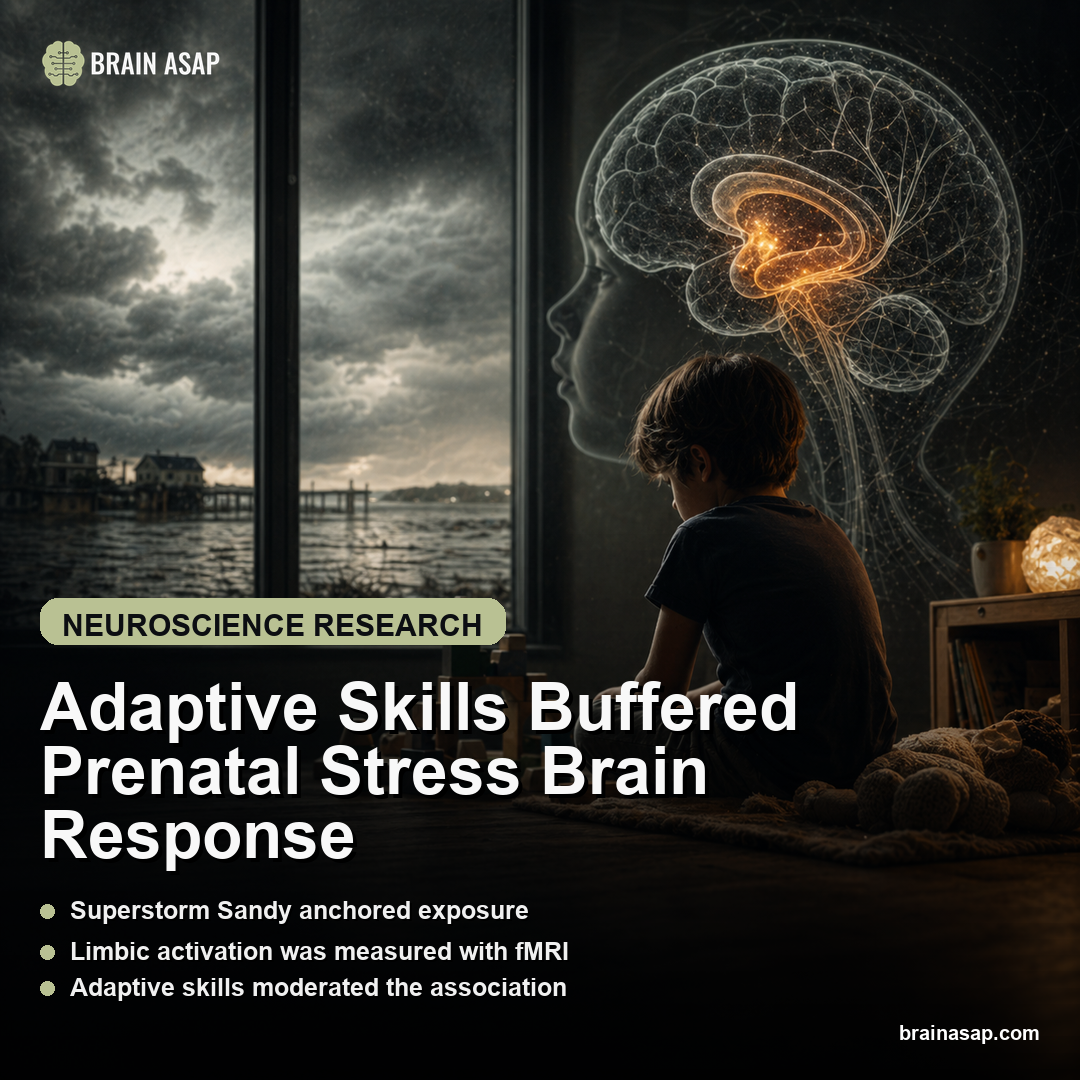
Adaptive Skills Buffered Prenatal Stress Brain Response

Adaptive Skills Buffered Prenatal Stress Brain Response

Adaptive Skills Buffered Prenatal Stress Brain Response TL;DR: In a 34-child neuroimaging pilot involving prenatal exposure to Superstorm Sandy, stronger early adaptive skills appeared to soften the link between disaster exposure and lower emotion-circuit activation at age 8. Key Findings Superstorm Sandy created a dated prenatal stress exposure: 11 children were exposed during pregnancy, while …

Read more

A Visual Autism Subtype Left a Fusiform Lipid Signature

A Visual Autism Subtype Left a Fusiform Lipid Signature

A Visual Autism Subtype Left a Fusiform Lipid Signature TL;DR: A Molecular Psychiatry study suggests that autistic children with atypical visual processing carry a distinct fusiform gyrus lipid-myelin signature, tied to low ceruloplasmin and strong MRI-based subtype discrimination. Key Findings Fusiform subtype emerged in 288 children: The study included 90 autistic children with atypical visual …

Read more

Alpha-Synuclein Testing via Spinal Fluid Could Clarify Lewy Body Dementia Diagnosis

Alpha-Synuclein Testing Could Clarify Dementia Diagnosis

Alpha-Synuclein Testing Could Clarify Dementia Diagnosis TL;DR: In 398 memory-clinic patients, alpha-synuclein seed testing identified Lewy body dementia with 95% sensitivity and revealed hidden synuclein positivity in 15.8% of Alzheimer’s disease cases. Key Findings Seed testing separated Lewy body dementia: The ALZAN cohort recruited memory-clinic patients from Montpellier, Nimes, and Perpignan between November 2022 and …

Read more

150 mg Caffeine Did Not Trigger Panic Disorder Anxiety

150 mg Caffeine Did Not Trigger Panic Disorder Anxiety

150 mg Caffeine Did Not Trigger Panic Disorder Anxiety TL;DR: A normal coffee-sized caffeine dose did not trigger a subjective anxiety surge in panic disorder, but it did make people more physiologically aroused, more avoidant, and more distracted by bodily sensations. Key Findings 150 mg did not raise subjective anxiety: The primary outcome did not …

Read more