IQ at Age 23 Predicted Socioeconomic Status at Age 27, With Genes Explaining 69-98% of the Link in TwinLife Germany
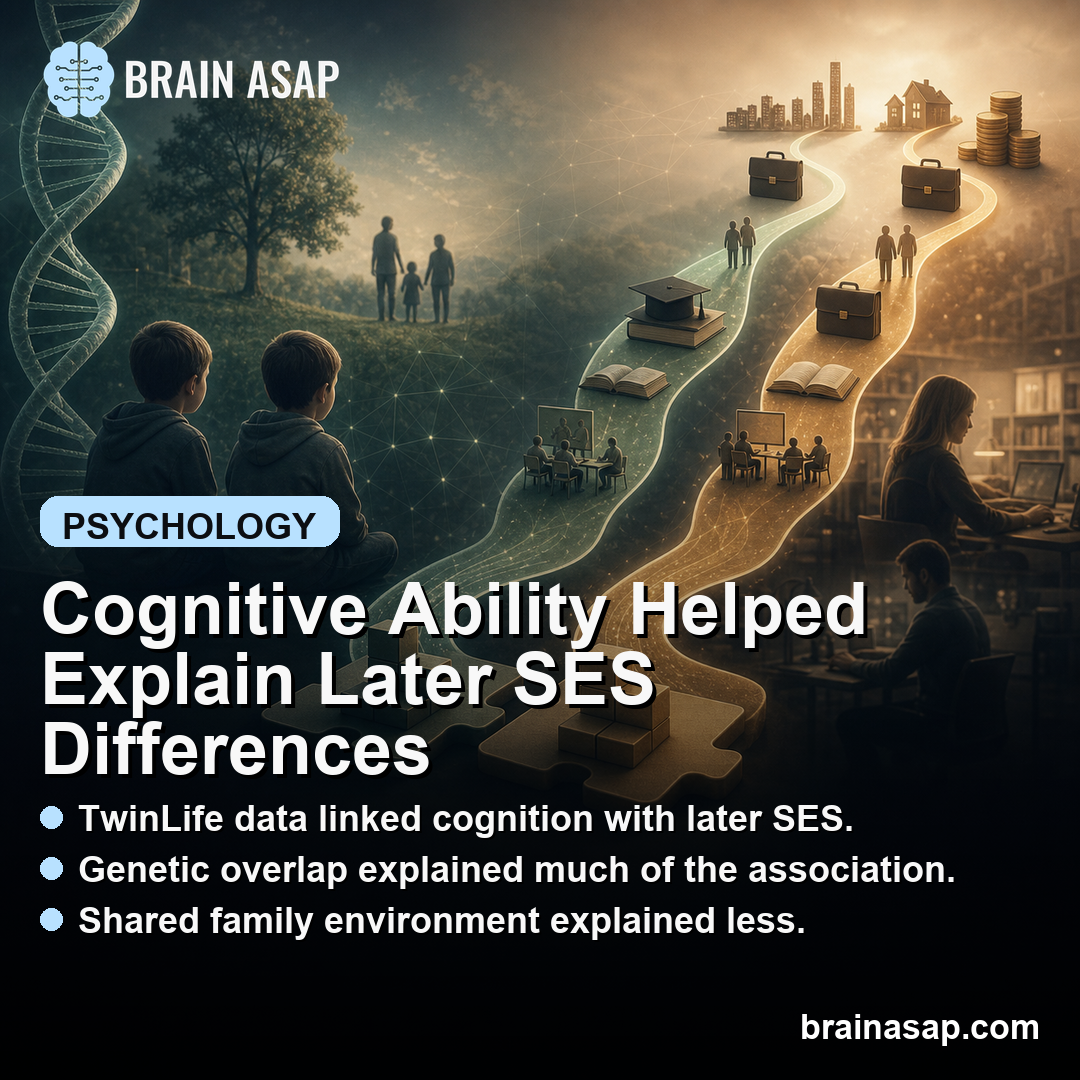
IQ at Age 23 Predicted Socioeconomic Status at Age 27, With Genes Explaining 69-98% of the Link in TwinLife Germany

TL;DR: A 2026 study in Scientific Reports used the German TwinLife panel (228 monozygotic and 212 same-sex dizygotic twin pairs) to show that intelligence quotient (IQ) at age 23 predicted four socioeconomic status (SES) outcomes at age 27, with genetic factors explaining 69-98% of the IQ-SES association. Key Findings IQ at age 23 predicted SES …
Read more

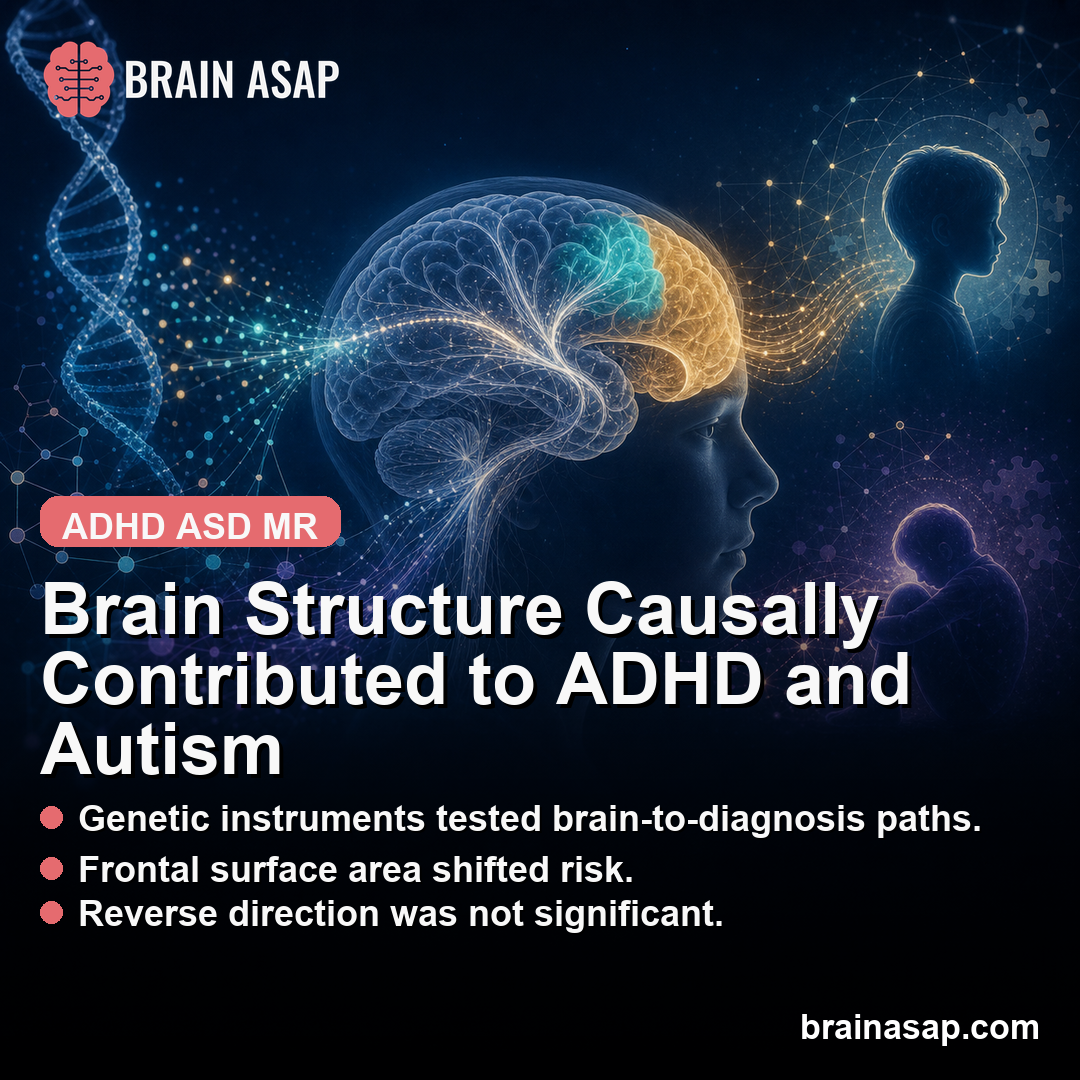
Mendelian Randomization Found Brain Structure Causally Contributed to ADHD and Autism

Mendelian Randomization Found Brain Structure Causally Contributed to ADHD and Autism

TL;DR: A 2026 Mendelian randomization study in Progress in Neuro-Psychopharmacology & Biological Psychiatry used genetic data to test direction of effect between brain structure and neurodevelopmental conditions, and found that increased surface area in the superior frontal gyrus raised ADHD risk while increased surface area in the orbital frontal gyrus protected against autism — with …

Read more

Three Molecular Autism Subtypes Identified With Distinct Phenotypes via Transcriptomic Analysis

Three Molecular Autism Subtypes Identified With Distinct Phenotypes via Transcriptomic Analysis

TL;DR: A 2026 Communications Biology transcriptomic analysis identified three molecular subtypes of autism spectrum disorder, each linked to a distinct phenotypic profile and biological pathway pattern. Key Findings Three molecular subtypes emerged from transcriptomic analysis: Researchers identified three distinct molecular subtypes of autism spectrum disorder using transcriptomic data, each with its own gene expression signature. …

Read more

Autism Polygenic Scores Predicted Lower Brain Neurite Density in 36,000 People

Autism Polygenic Scores Predicted Lower Brain Neurite Density in 36,000 People

TL;DR: A 2025 Molecular Psychiatry study of more than 36,000 people found that higher autism polygenic risk was associated with lower MRI-derived neurite density, a measure of neural-fiber packing, across cortex and white matter in both children and adults. Key Findings Higher autism polygenic score predicted lower neurite density: Across over 36,000 individuals, a robust …

Read more

Monocyte Epigenetic Aging Tracked Non-Somatic Depression in Women With and Without HIV

Monocyte Epigenetic Aging Tracked Non-Somatic Depression in Women With and Without HIV

TL;DR: A 2026 study in The Journals of Gerontology, Series A: Biological Sciences and Medical Sciences measured a monocyte-specific DNA methylation clock (MonoDNAmAge) in 440 women with and without HIV, and found that accelerated monocyte epigenetic aging was specifically linked to non-somatic depressive symptoms (anhedonia, hopelessness, cognitive impacts) but not to broader depression severity, supporting …

Read more

Connectome-seq Maps Brain Wiring With RNA Barcodes at Single-Synapse Resolution

Connectome-seq Turned Synapses Into Barcodes

Connectome-seq Turned Synapses Into Barcodes TL;DR: Connectome-seq is a 2026 Nature Methods platform that maps brain wiring by combining engineered synaptic proteins, RNA barcodes, single-nucleus sequencing, and single-synaptosome sequencing. In a mouse pontocerebellar circuit, the method linked synaptic connections to the molecular identities of connected neurons, turning a wiring map into something sequencing can read. …

Read more

C9orf72 Myeloid Cells Restrained Microbial Inflammation

C9orf72 Myeloid Cells Restrained Microbial Inflammation

C9orf72 Myeloid Cells Restrained Microbial Inflammation TL;DR: A gut-microbe signal called bacterial glycogen triggered damaging inflammation when C9orf72-deficient immune cells could not restrain it, linking an ALS/FTD gene to gut-brain immune control. Key Findings Ten bacterial strains triggered C9orf72-dependent cytokine release: The inflammatory response depended on how myeloid immune cells handled microbial signals. Bacterial glycogen …

Read more

Mutant Huntingtin Suppressed CSE and Depleted Cysteine in Huntington Disease

CSE Loss Exposed a Huntington Neurodegeneration Route

TL;DR: Huntington disease may exploit a metabolic weak point: mutant huntingtin suppresses CSE, depleting cysteine biology in vulnerable striatal tissue, while cysteine rescue reversed abnormalities in models. Key Findings CSE was depleted: The Nature abstract reports major depletion of CSE, the cysteine-biosynthetic enzyme, in Huntington disease tissues. Transcriptional defect implicated: The defect appeared to occur …

Read more

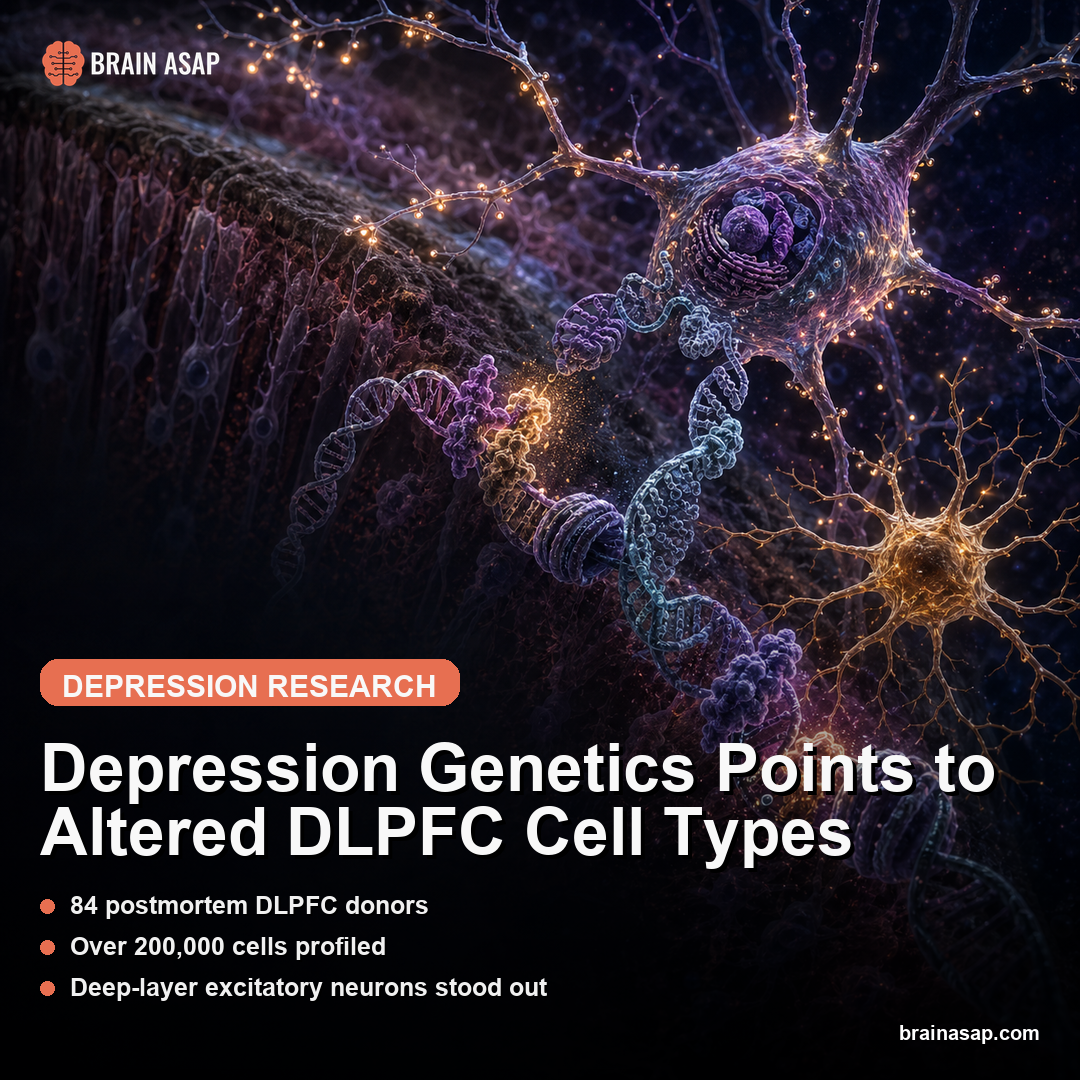
Depression Genetics Identified Altered DLPFC Neurons and Microglia

Depression Genetics Points to Altered DLPFC Cell Types

Depression Genetics Points to Altered DLPFC Cell Types TL;DR: A Nature Genetics study mapped more than 200,000 cells from the dorsolateral prefrontal cortex and found depression-linked regulatory changes concentrated in deep-layer excitatory neurons and a microglia subtype. Key Findings 84 postmortem DLPFC donors: The analysis compared dorsolateral prefrontal cortex tissue from people with major depression …

Read more

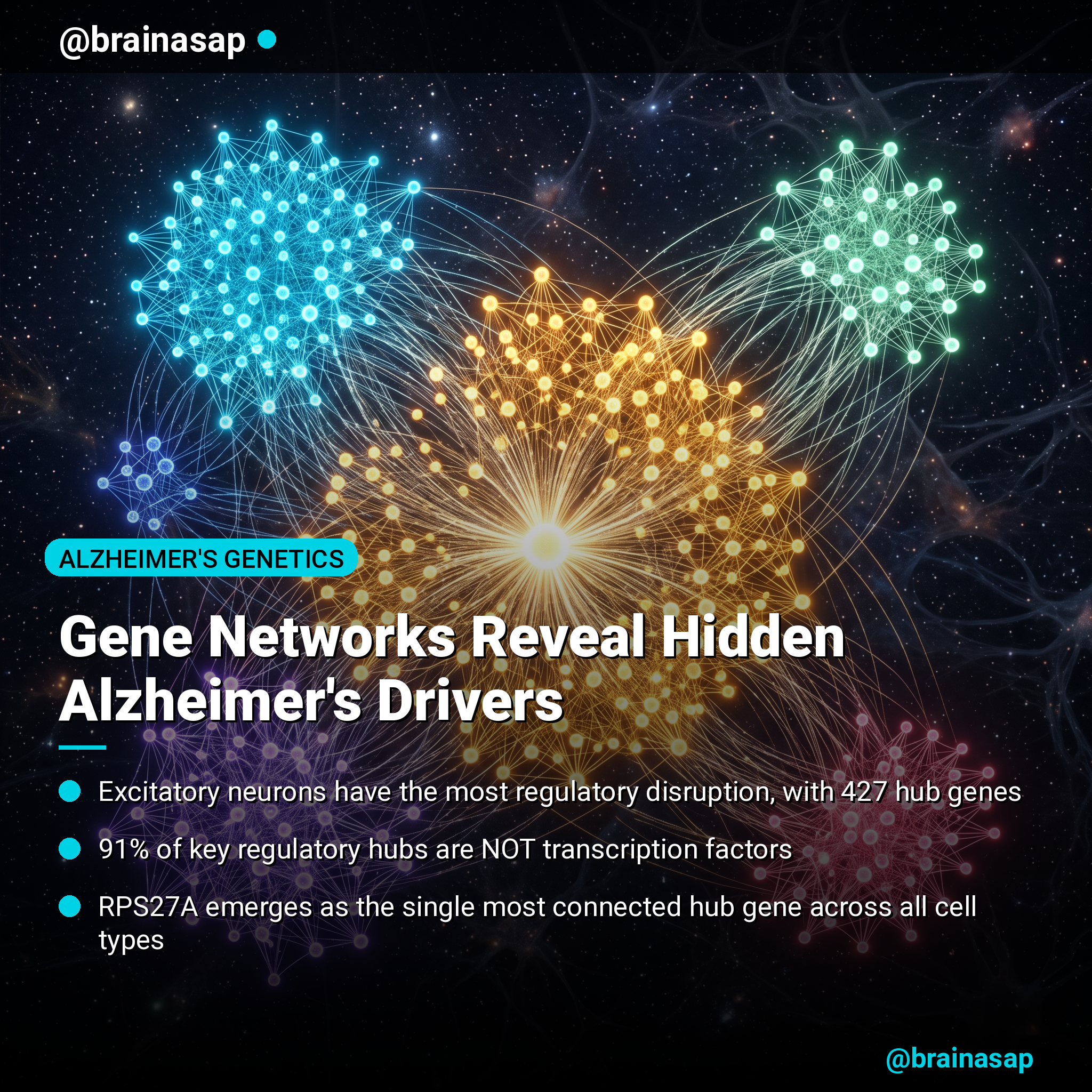
Cell-Type Gene Networks Reveal Hidden Causes of Alzheimer’s

Cell-Type Gene Networks Reveal Hidden Causes of Alzheimer’s TL;DR: Researchers mapped how genes are regulated differently across six brain cell types in Alzheimer’s disease, discovering that excitatory neurons drive the most extensive regulatory disruptions—and identifying key hub genes like RPS27A that could become therapeutic targets. Alzheimer’s disease is a disease of broken communication. The brain …

Read more