How Nitric Oxide Damages TSC2 to Drive Autism Behaviors via mTOR
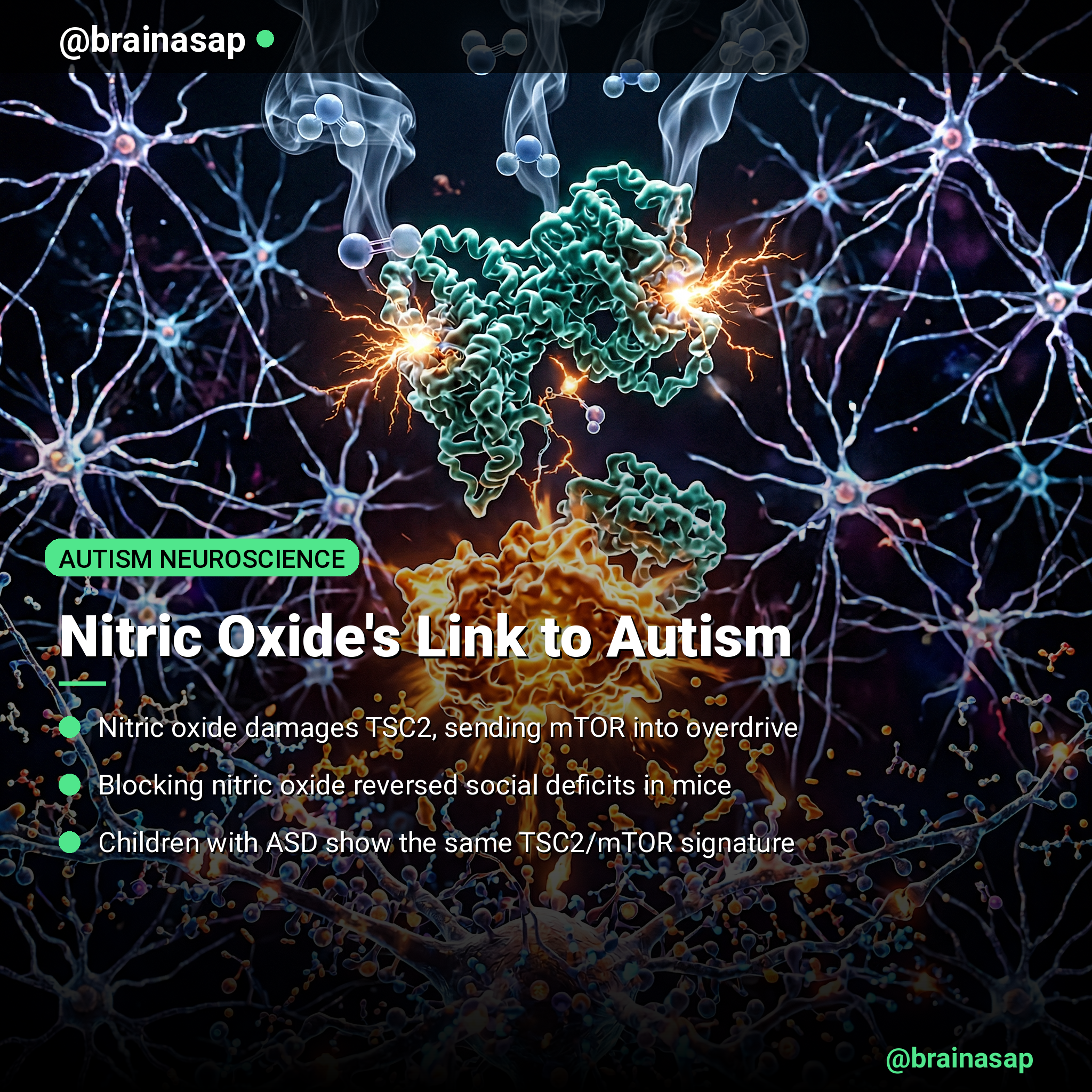
Nitric Oxide’s Hidden Link to Autism Behavior TL;DR: A chemical messenger called nitric oxide triggers protein damage that sends the mTOR pathway into overdrive in autism-related mouse models, driving social deficits and repetitive behaviors—and blocking this mechanism reverses both the molecular dysfunction and autistic-like behaviors. Autism spectrum disorder involves dozens of genetic variants, yet many …
Read more

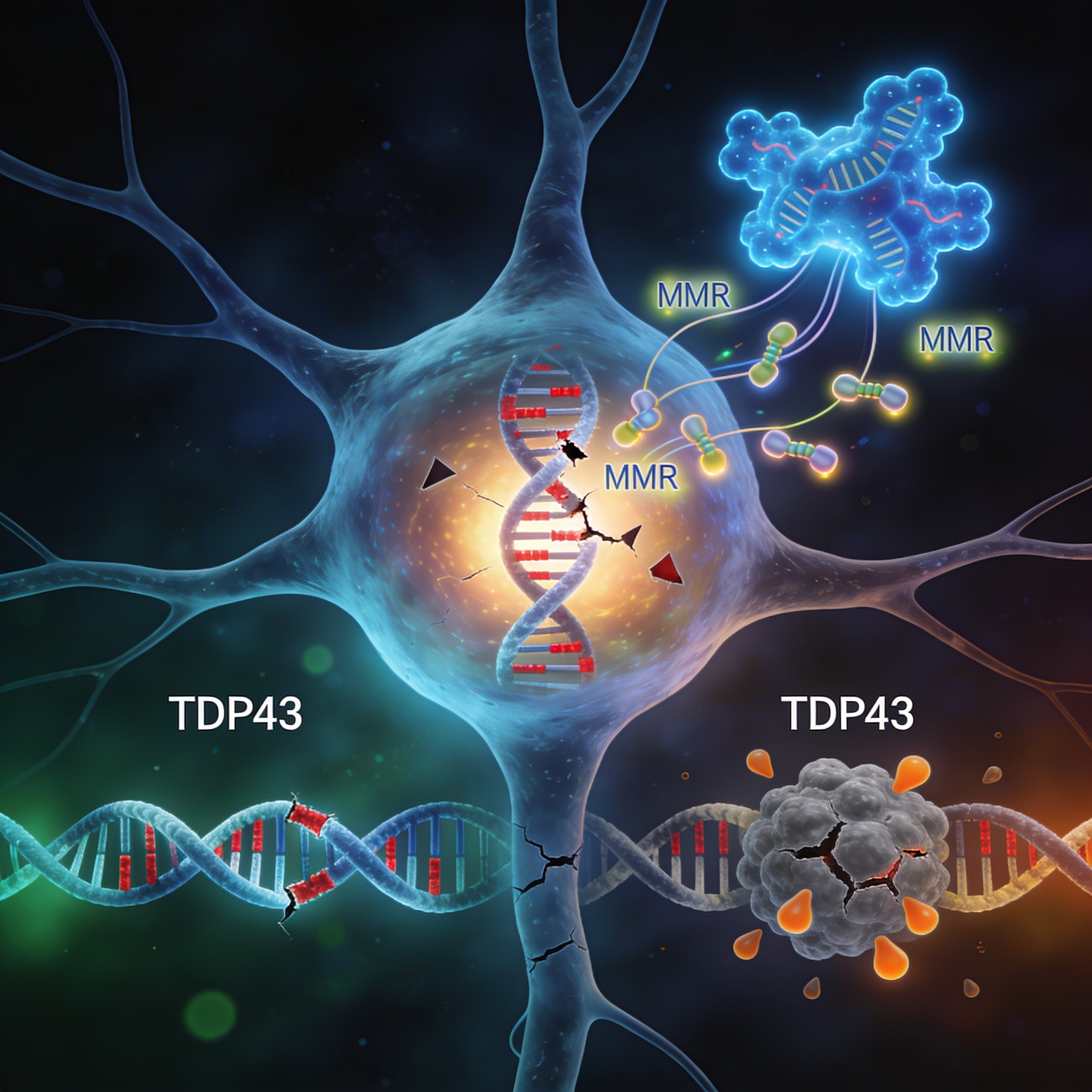
TDP43 Failure Disrupts DNA Repair in ALS and FTD

The Broken Repair Crew: How TDP43 Sabotages Genome Stability TL;DR: TDP43, the protein that misfires in ALS and FTD, secretly controls DNA repair genes—and when it breaks, mutations pile up in neurons, potentially explaining both neurodegeneration and the cancer link in these diseases. A protein known for its role in neurodegenerative disease has a hidden …

Read more

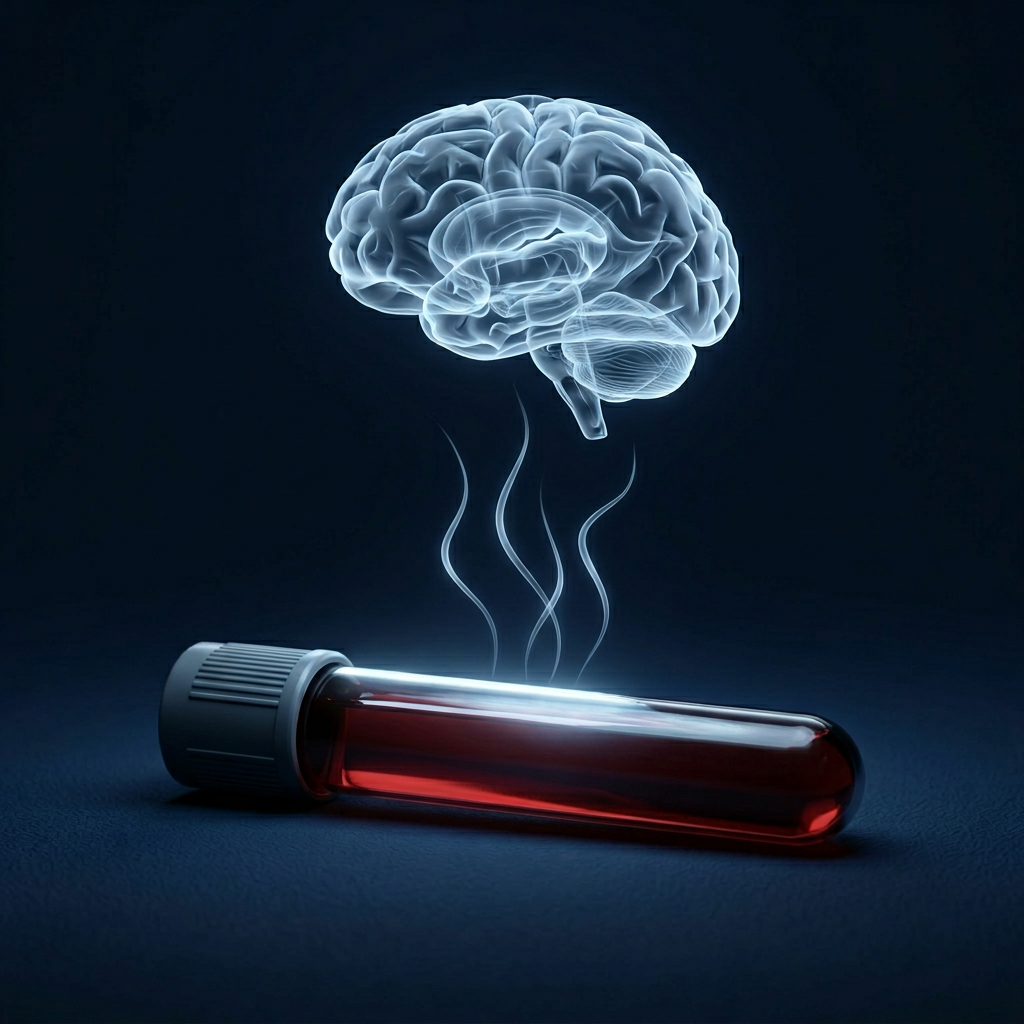
New Blood Test Detects Alzheimer’s Disease with 83% Accuracy Years Before Symptoms

Blood Test Detects Alzheimer’s with 83% Accuracy TL;DR: A new blood test using three misfolded plasma proteins can identify Alzheimer’s disease with 83.44% accuracy, outperforming conventional biomarkers and offering a non-invasive screening tool years before cognitive symptoms appear. The holy grail of Alzheimer’s research isn’t a cure—yet. It’s catching the disease before memory starts to …

Read more

Scientists Discover How a Brainless Animal Built a Sensory Proto-Brain

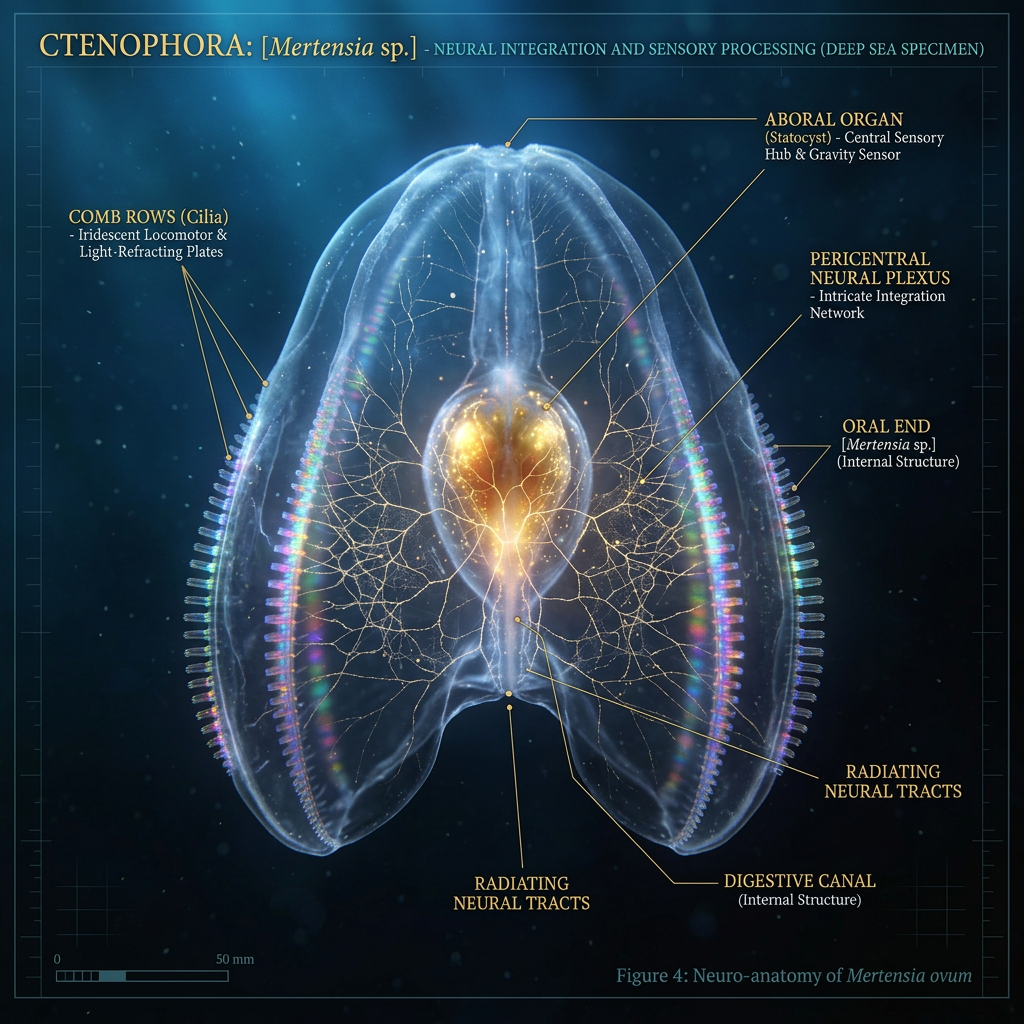
How a Jellyfish’s Brain Maps the Evolution of Neural Complexity TL;DR: Scientists mapped a ctenophore’s sensory integration center in stunning 3D detail, revealing 17 distinct cell types and a blueprint for how nervous systems first evolved to process multiple senses at once. The ctenophore (pronounced “tee-noh-for”), or comb jelly, is a see-through marine animal barely …

Read more

How a Hidden Proton Channel “TMEM175” Sabotages Brain Cells in Parkinson’s

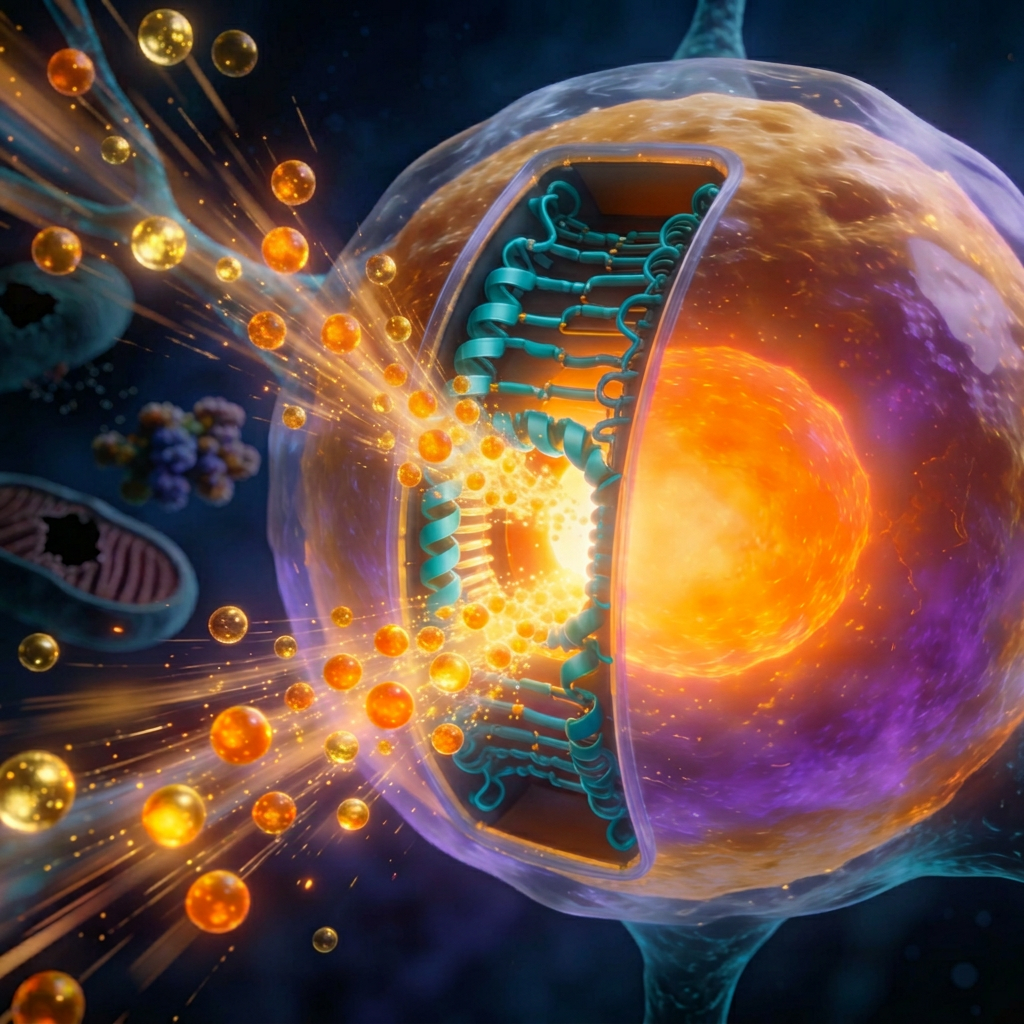
How a Hidden Proton Channel Sabotages Brain Cells in Parkinson’s TL;DR: A newly decoded proton channel called TMEM175 lies dormant in lysosomes until acid arrives—then it opens wide and floods the cell with hydrogen ions, disrupting the delicate pH balance linked to Parkinson’s disease and other neurodegeneration. Your cells run a 24/7 recycling system inside …

Read more

Sleep Patterns vs. Risk of Psychiatric Disorders: Depression, Schizophrenia, ADHD (2024 Study)

Insomnia and daytime napping are causally associated with an increased risk of major depressive disorder (MDD), while sleep duration influences the risk of schizophrenia and attention-deficit/hyperactivity disorder (ADHD). Highlights: Major Depressive Disorder (MDD): Insomnia and napping during the day significantly increase the risk of MDD. Schizophrenia: Longer sleep duration is associated with a higher risk …

Read more

Probiotics Alter Clock Gene Expression in Depression to Improve Mood (2024 Study)

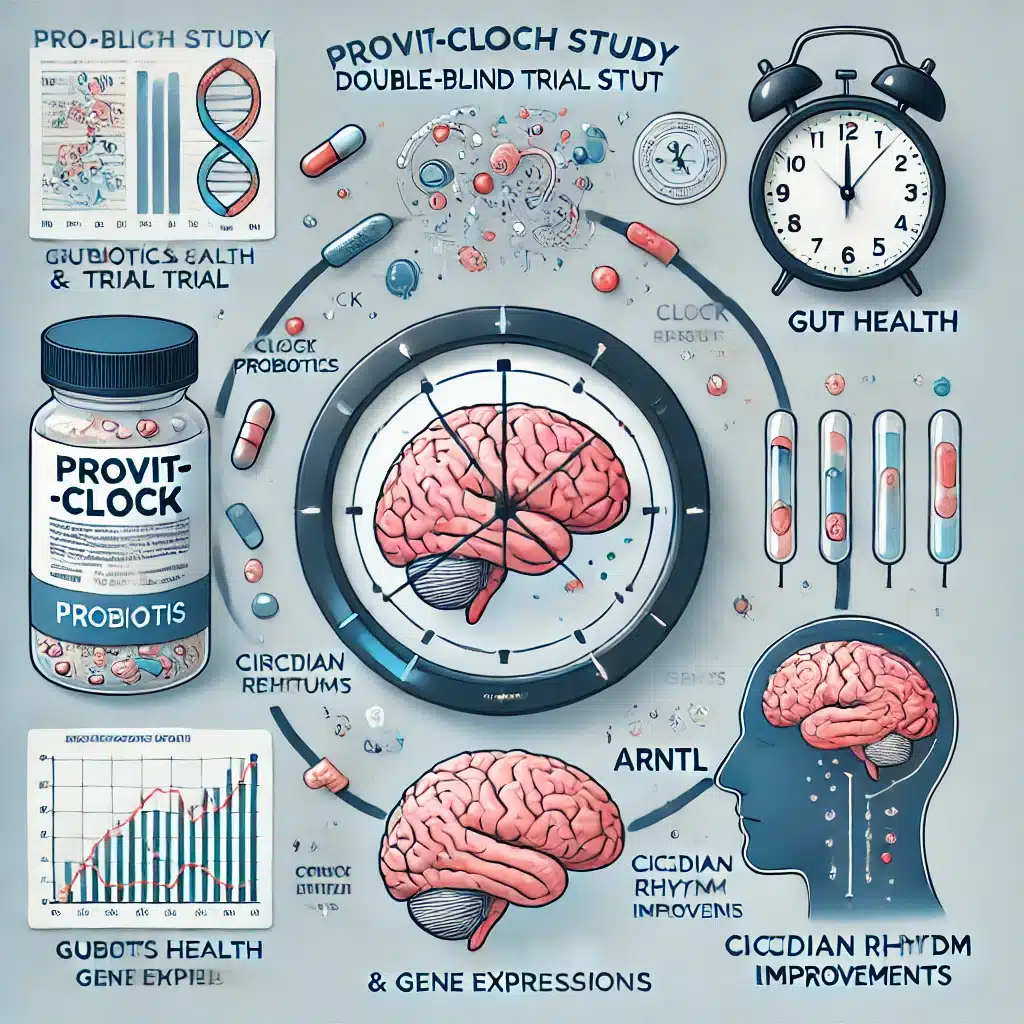
Probiotic treatment may influence core clock gene expression and metabolites in individuals with major depressive disorder (MDD), potentially linking gut microbiota to circadian rhythms and mood regulation. Highlights: CLOCK Gene Expression: The expression level of the CLOCK gene significantly increased only in individuals receiving probiotic treatment, suggesting a direct impact of probiotics on circadian rhythms. …

Read more

Dyslexia Risk Increases via Environmental Chemicals, Pollutants, & Genetic Interactions (2024 Study)

A study found significant overlaps between various environmental pollutants and dyslexia susceptibility genes, identifying associations with 35 out of 95 chemicals. This suggests that these chemicals may contribute to the development of dyslexia through interactions with specific genes. Highlights: Dyslexia Risk Genes & Chemicals: The study identified 131 dyslexia susceptibility genes and examined their interactions …

Read more

High Zinc Levels Linked to Increased Risk of Parkinson’s Disease (2024 Study)

Zinc levels were found to have a causal effect on the risk of Parkinson’s disease, while other oxidative stress biomarkers showed no significant association. Highlights: A study identified a significant causal relationship between higher zinc levels and increased risk of Parkinson’s disease (PD). No causal effects were found between PD and other oxidative stress biomarkers …

Read more

Antidepressant Efficacy vs. CYP2C19 & CYP2D6 Metabolism Genetics (2024 Review)

CYP2C19 poor metabolizers showed a nominally higher antidepressant remission rate compared to normal metabolizers, but overall genetic variations in CYP2C19 and CYP2D6 were not significantly associated with antidepressant response. Highlights: Higher Remission Rate: CYP2C19 poor metabolizers had a nominally higher remission rate (OR = 1.46) compared to normal metabolizers, but this did not hold after …

Read more