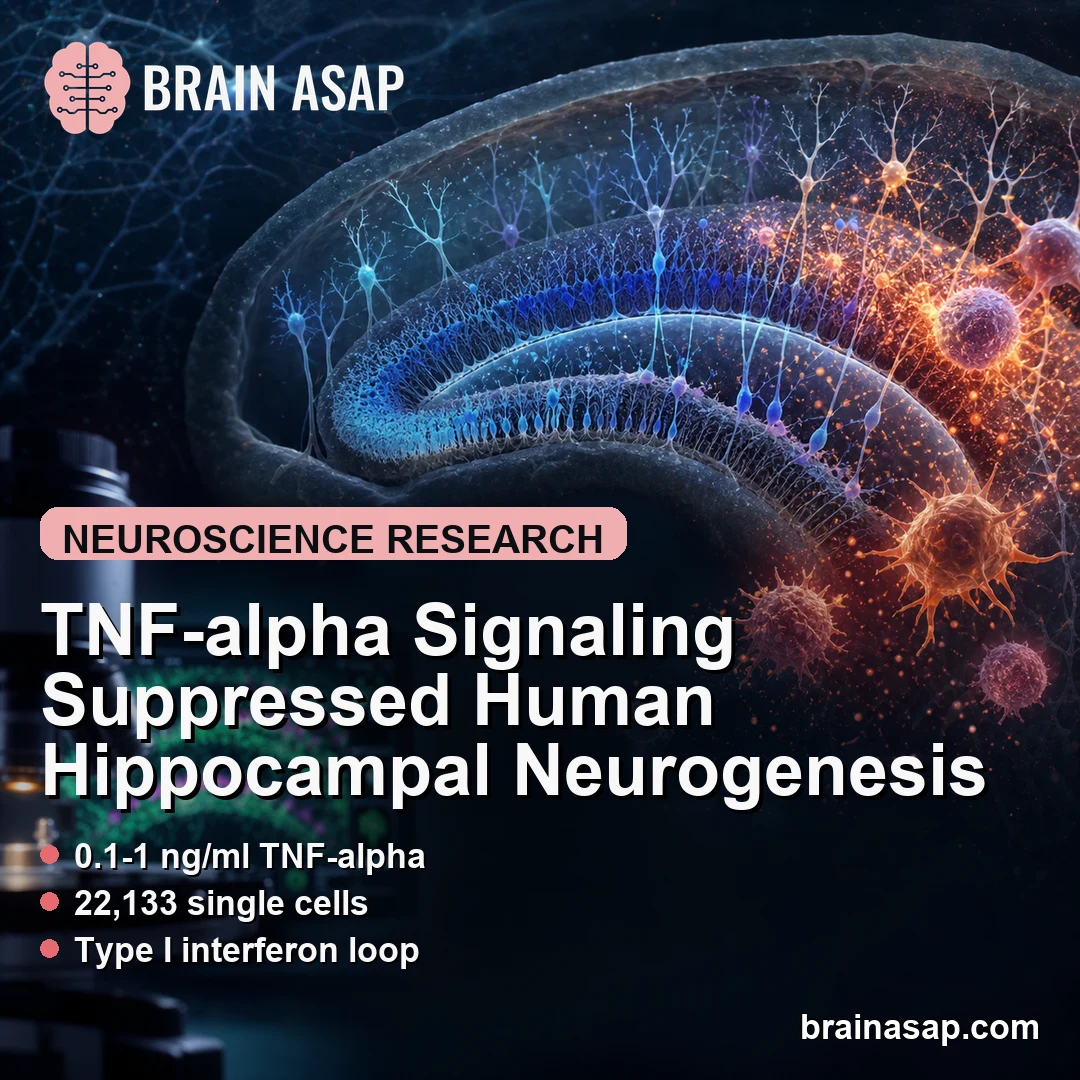
TL;DR: A 2026 Nature Communications study found that chronic tumor necrosis factor alpha (TNF-alpha), an inflammatory cytokine, pushed human hippocampal progenitor cells toward type I interferon activity, lower neuroblast formation, and CXCR3-dependent T-cell…
Read article ↗
TL;DR: A 2026 systematic review and meta-analysis in Journal of Medical Internet Research found that care robots showed a low-certainty reduction in neuropsychiatric symptoms, but six other pooled outcome domains did not reach statistical significance. Key Fin…
Read article ↗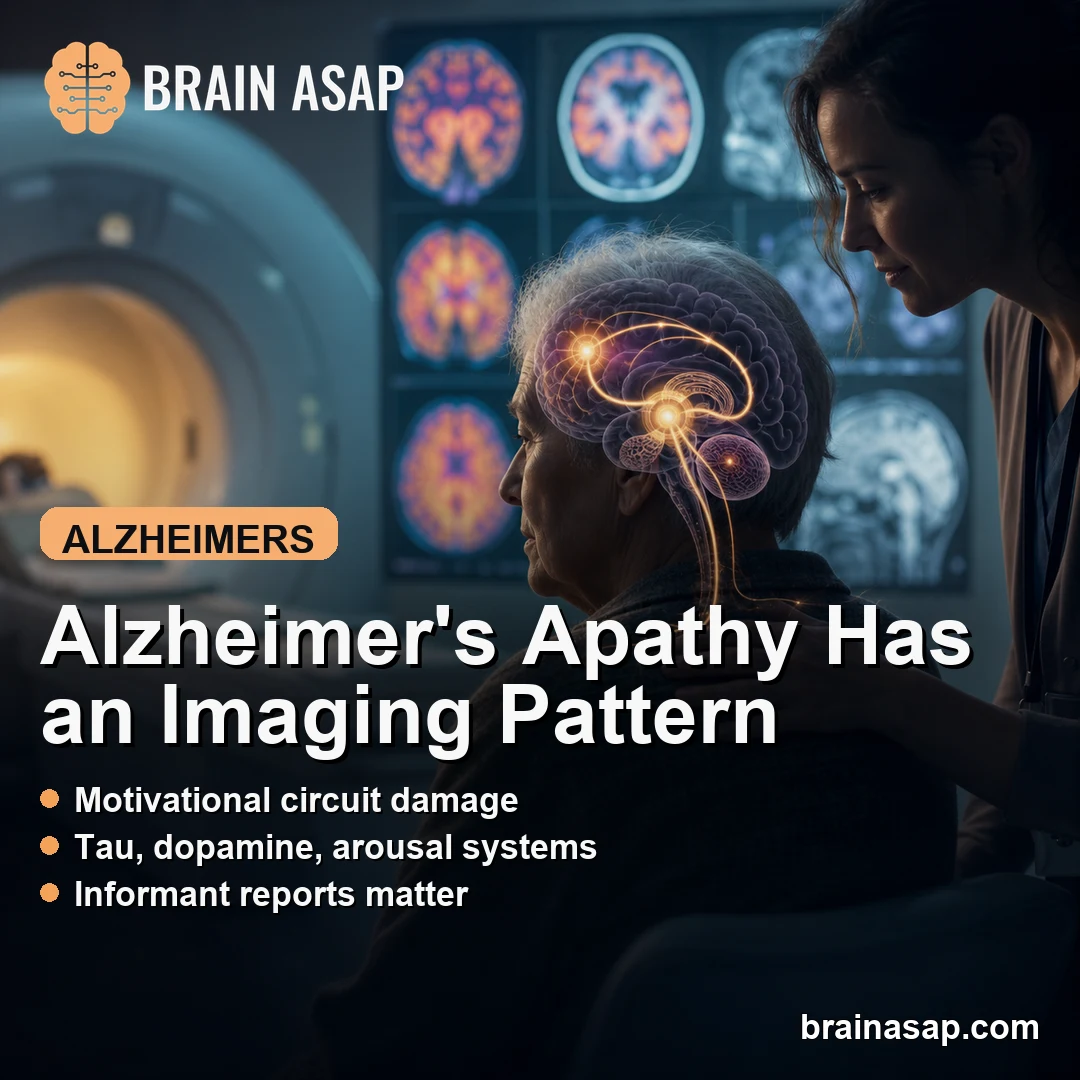
TL;DR: A 2026 narrative review in International Journal of General Medicine argued that apathy in Alzheimer’s disease is tied to damage across motivation circuits, including the anterior cingulate cortex, orbitofrontal cortex, striatum, locus coeruleus, and la…
Read article ↗
TL;DR: A 2026 review in International Journal of Molecular Medicine mapped how exercise and fluoxetine overlap in Alzheimer’s disease mechanisms such as mitochondrial quality control, oxidative stress, inflammation, and neuroplasticity, but clinical combinatio…
Read article ↗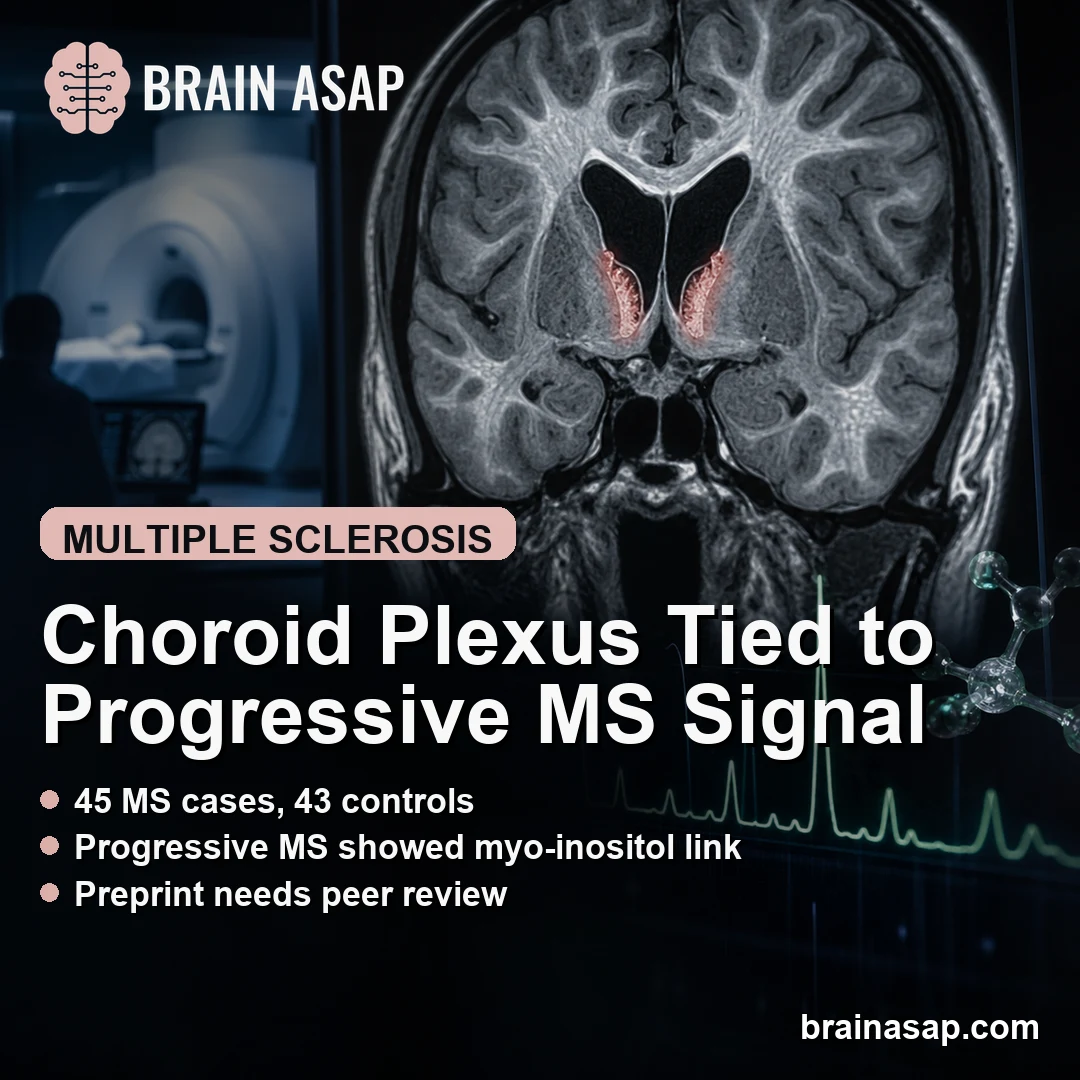
TL;DR: A 2026 preprint posted on medRxiv reported that larger choroid plexus volume on brain MRI was associated with greater disability in multiple sclerosis and with higher white-matter myo-inositol in progressive MS, but the work has not yet been peer review…
Read article ↗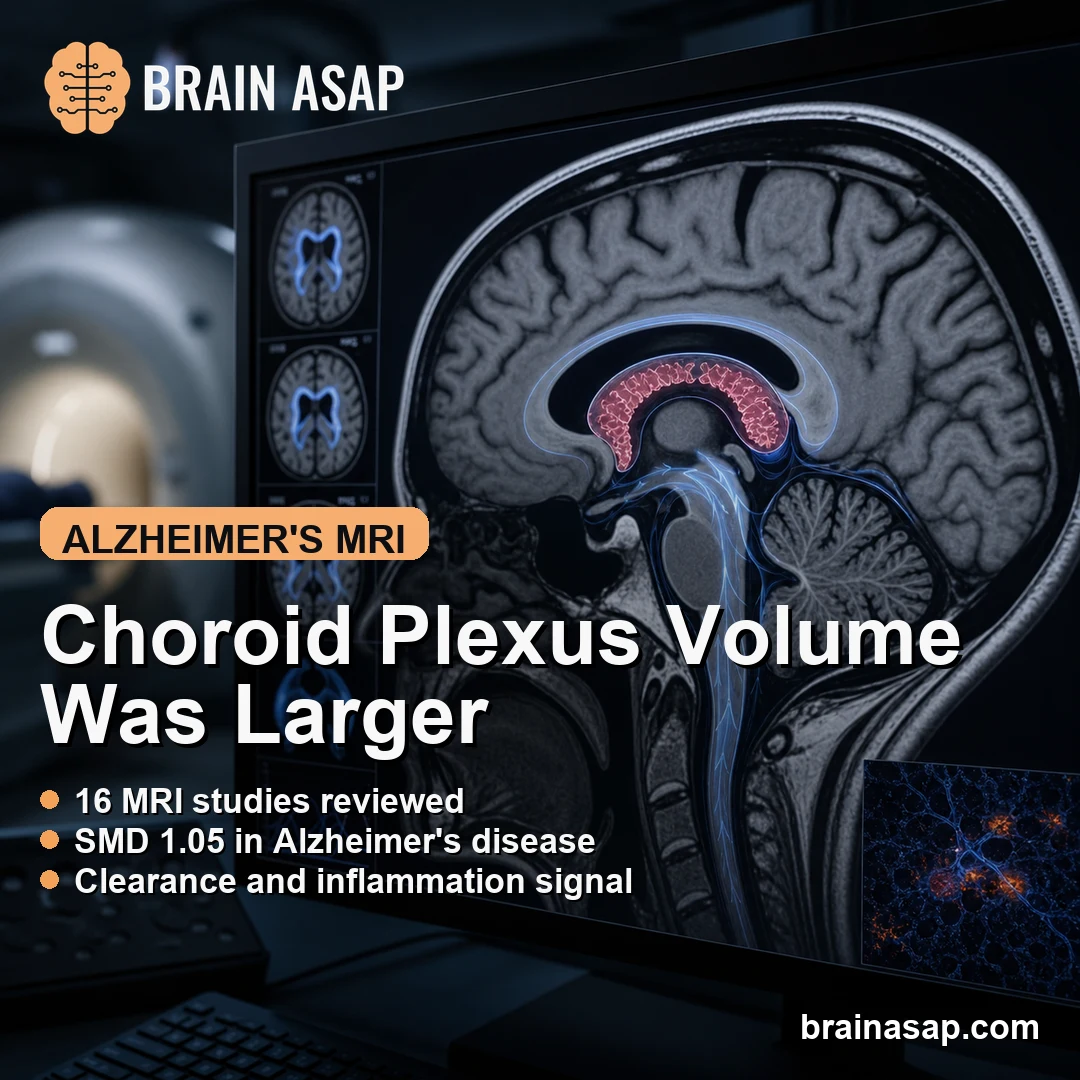
TL;DR: A 2026 systematic review and meta-analysis in Journal of Alzheimer’s Disease found that choroid plexus volume, an MRI-visible structure involved in cerebrospinal-fluid regulation and immune signaling, was larger in Alzheimer’s disease than in healthy co…
Read article ↗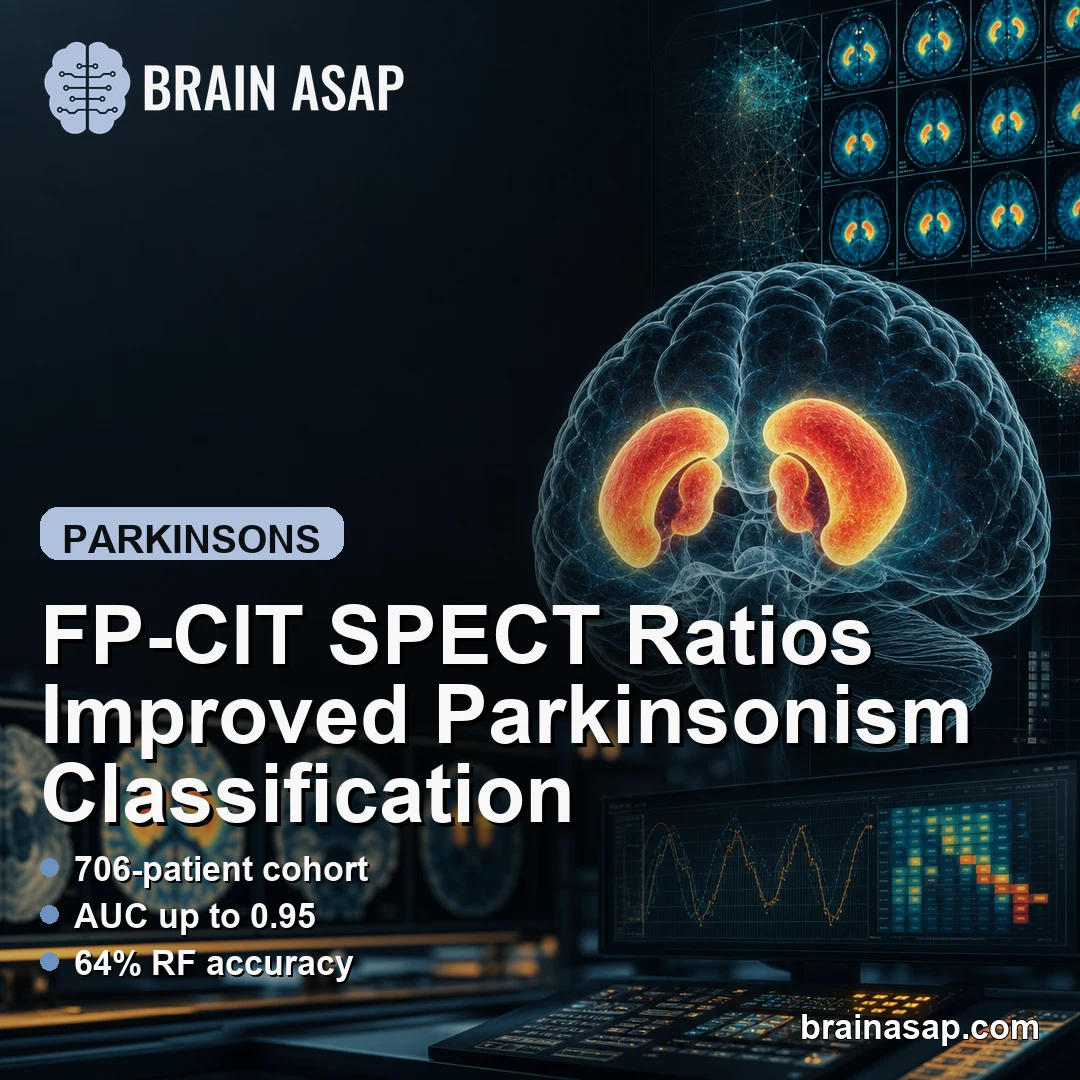
TL;DR: A 2026 study in European Journal of Nuclear Medicine and Molecular Imaging found that semiquantitative [123I]FP-CIT SPECT metrics, especially caudate-to-putamen and sensorimotor-to-limbic ratios, helped distinguish Parkinson’s disease from atypical park…
Read article ↗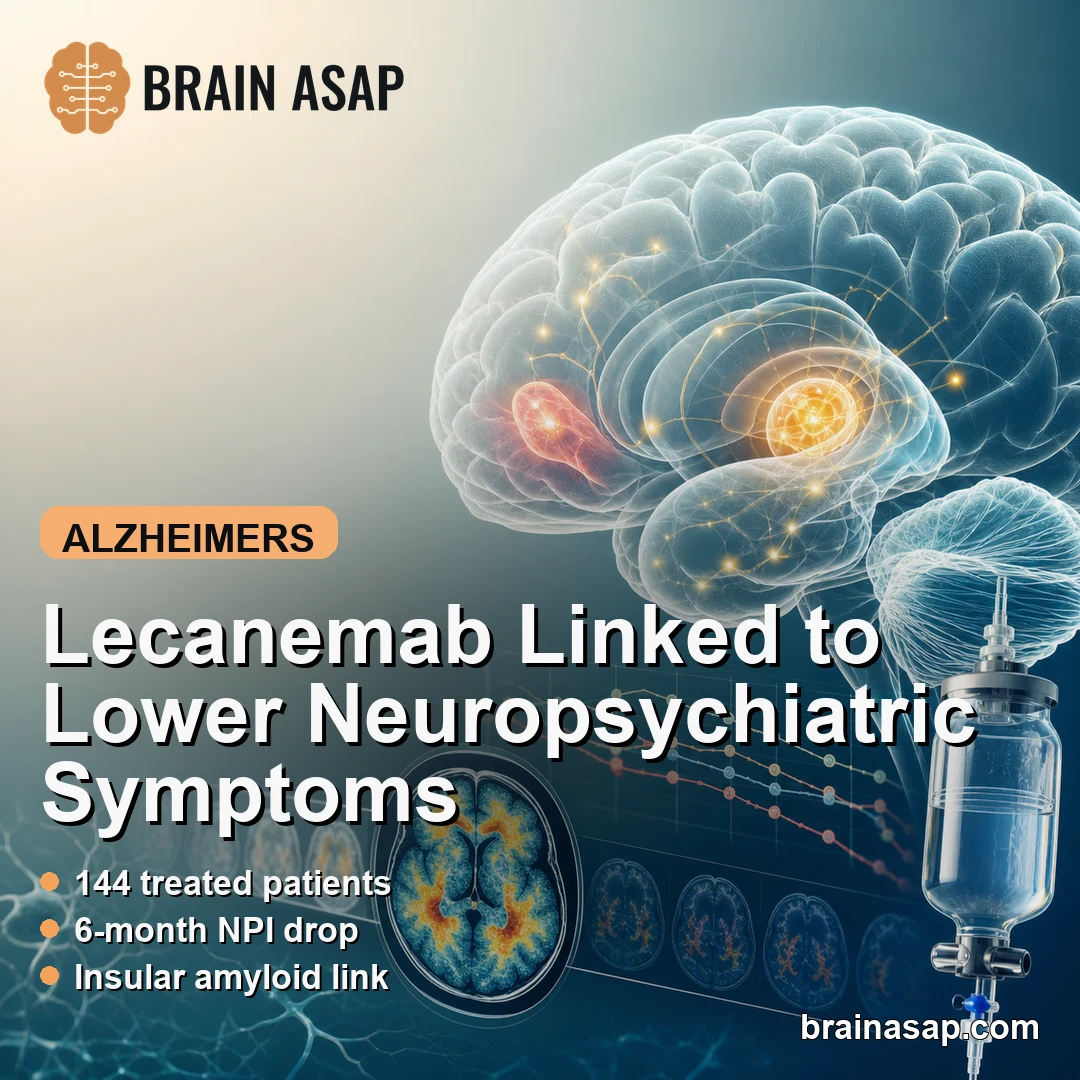
TL;DR: A 2026 real-world cohort study in The Journal of Prevention of Alzheimer’s Disease found that lecanemab-treated Alzheimer’s patients had lower Neuropsychiatric Inventory scores over follow-up, and 6-month symptom reductions were associated with regional…
Read article ↗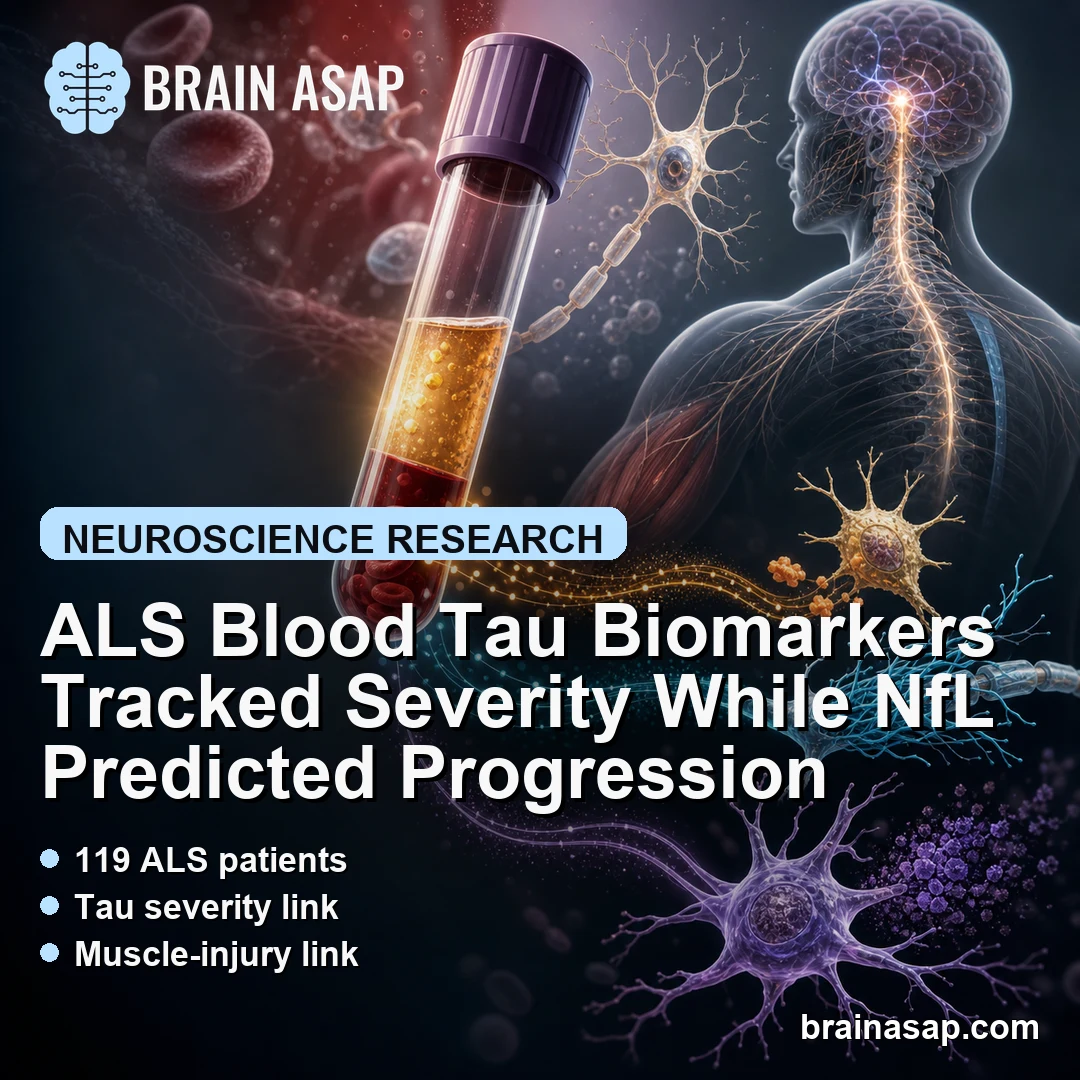
TL;DR: A 2026 preprint on medRxiv found that blood tau markers and neurofilament light tracked different parts of amyotrophic lateral sclerosis (ALS), with tau markers linked more to current lower-motor-neuron and muscle-injury features while neurofilament lig…
Read article ↗
TL;DR: A 2026 narrative review in Molecular Psychiatry argues that depression in Alzheimer’s disease and Parkinson’s disease follows disease-specific brain mechanisms, while standard antidepressant evidence remains weak in these neurodegenerative populations.…
Read article ↗