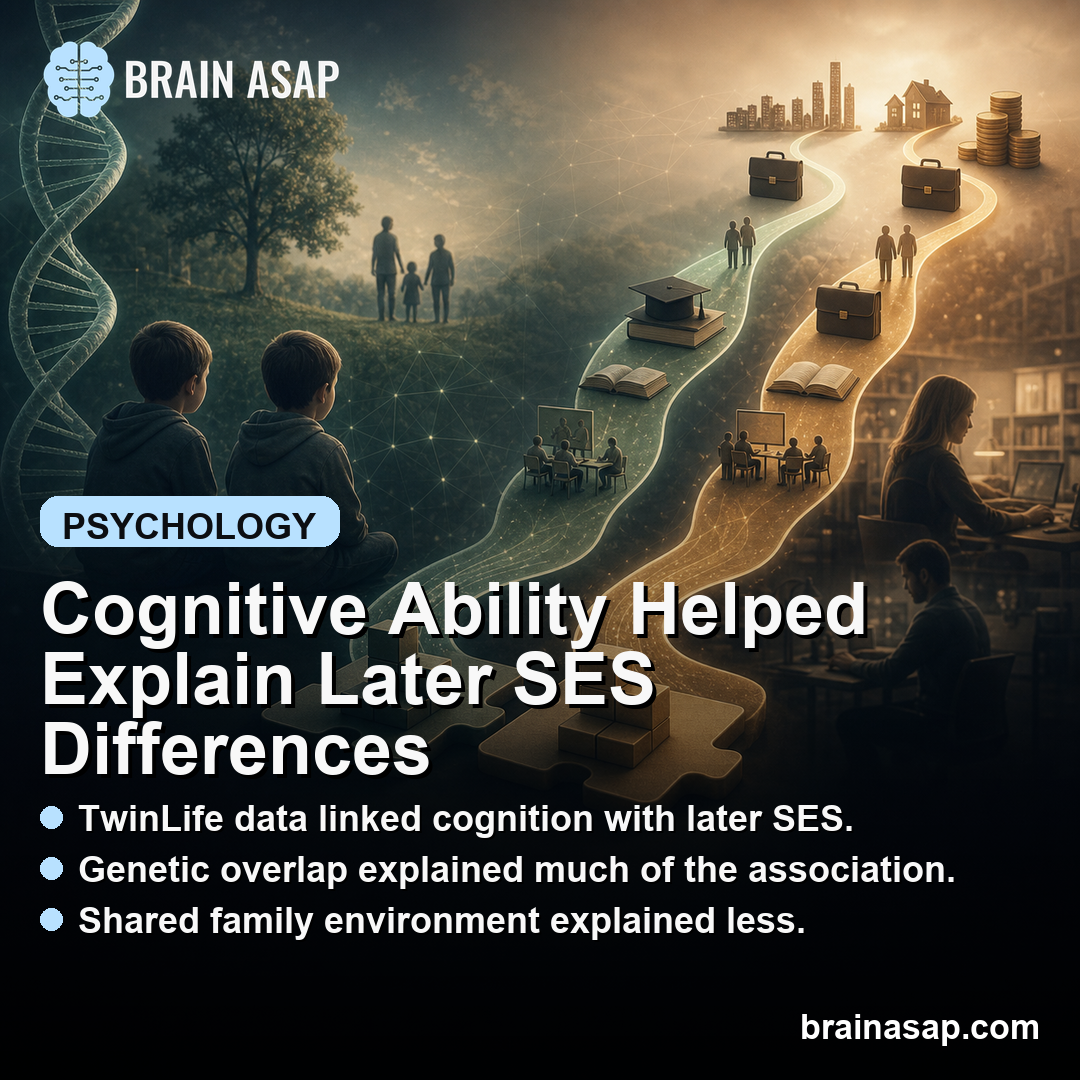
IQ at Age 23 Predicted Socioeconomic Status at Age 27, With Genes Explaining 69-98% of the Link in TwinLife Germany

IQ at Age 23 Predicted Socioeconomic Status at Age 27, With Genes Explaining 69-98% of the Link in TwinLife Germany

TL;DR: A 2026 study in Scientific Reports used the German TwinLife panel (228 monozygotic and 212 same-sex dizygotic twin pairs) to show that intelligence quotient (IQ) at age 23 predicted four socioeconomic status (SES) outcomes at age 27, with genetic factors explaining 69-98% of the IQ-SES association. Key Findings IQ at age 23 predicted SES …

Read more

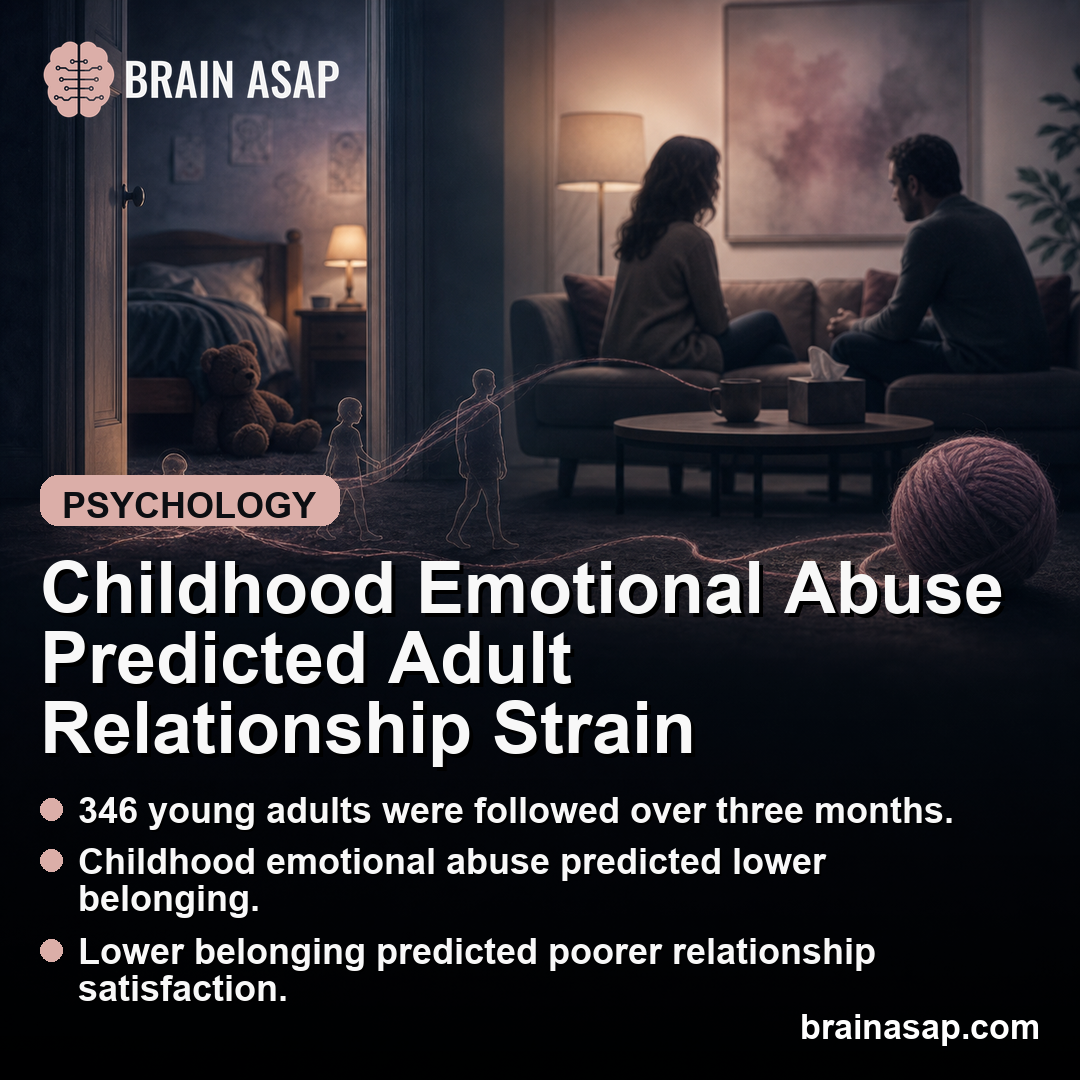
Childhood Psychological Abuse Predicted Lower Adult Relationship Satisfaction Through Reduced Belongingness

Childhood Psychological Abuse Predicted Lower Adult Relationship Satisfaction Through Reduced Belongingness

TL;DR: A 2026 longitudinal study in Personality and Individual Differences followed 346 Turkish young adults across two survey waves three months apart and found that childhood psychological abuse predicted lower adult relationship satisfaction, with a reduced sense of belonging acting as the statistical mediator linking the early adversity to the later romantic outcome. Key Findings …

Read more

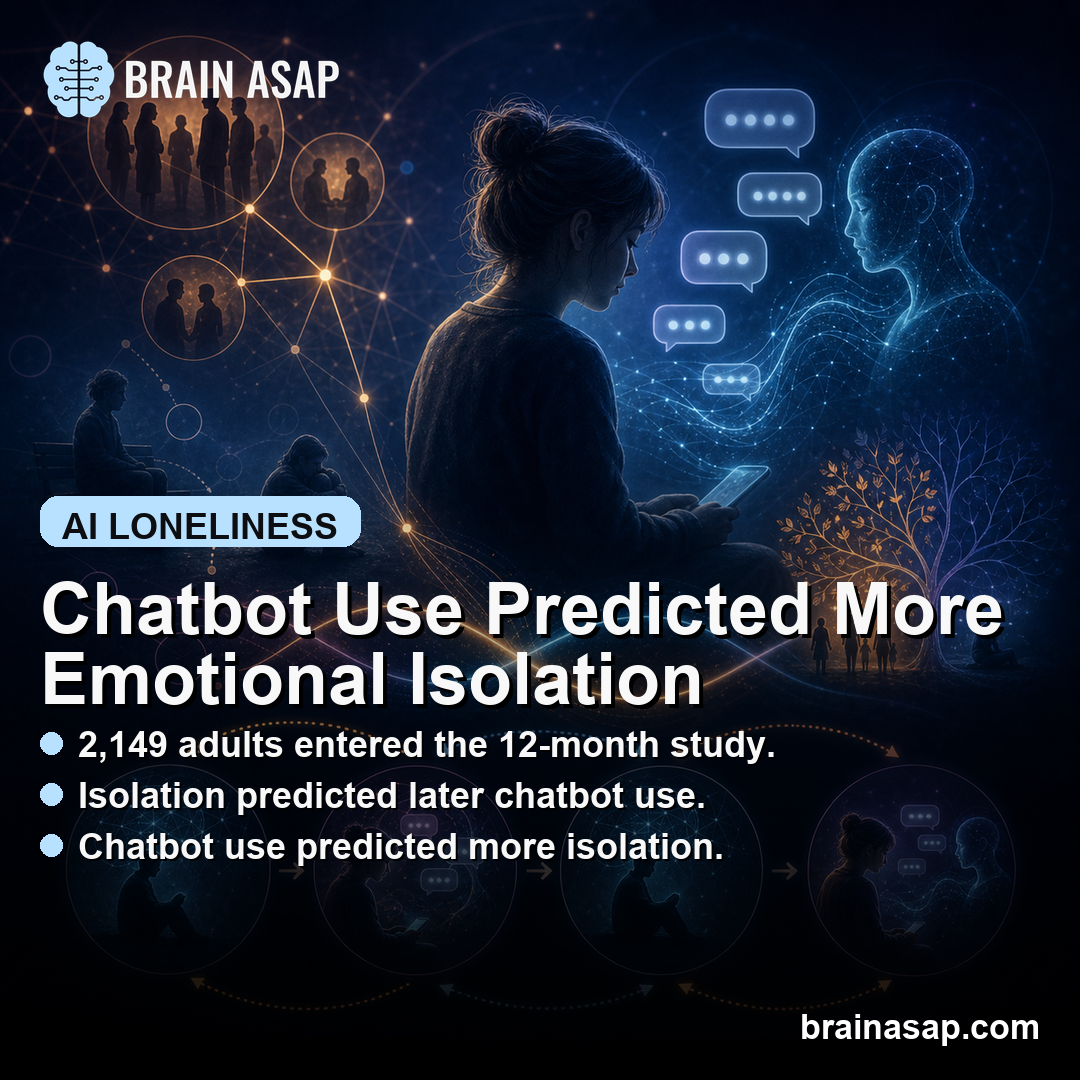
AI Chatbot Use for Companionship Predicted Higher Emotional Isolation Four Months Later in 12-Month Cross-Lagged Study

AI Chatbot Use for Companionship Predicted Higher Emotional Isolation Four Months Later in 12-Month Cross-Lagged Study

TL;DR: A 12-month four-wave longitudinal study in Psychological Science (N=2,149 adults across the UK, US, Canada, and Australia) found that feeling more emotionally isolated predicted higher chatbot use four months later — and that higher chatbot use, in turn, predicted further increases in emotional isolation at the next wave. Key Findings Bidirectional link with emotional …

Read more

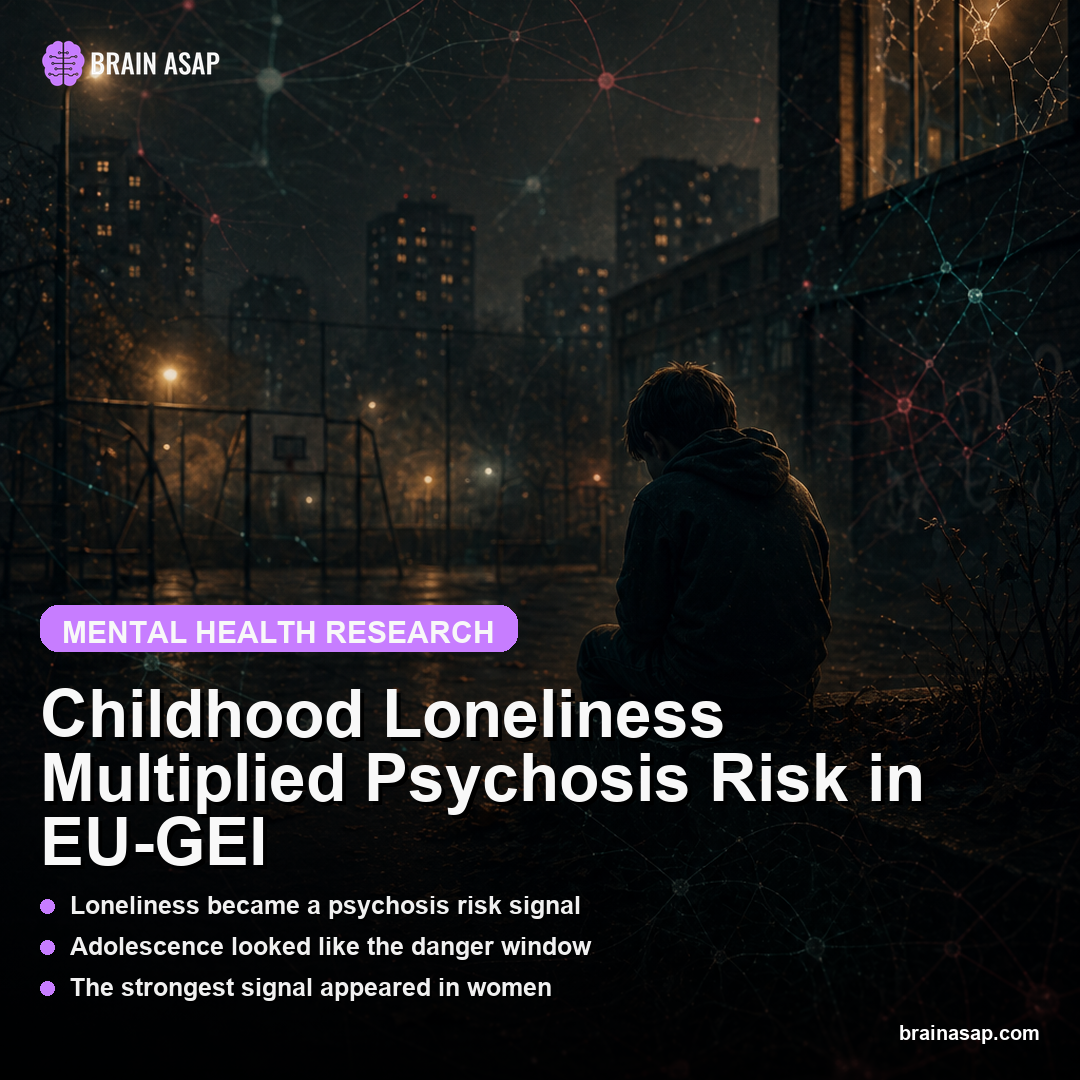
Childhood Loneliness Multiplied Psychosis Risk in EU-GEI

Childhood Loneliness Multiplied Psychosis Risk in EU-GEI

Childhood Loneliness Multiplied Psychosis Risk in EU-GEI TL;DR: Loneliness that started before age 12 and persisted into adolescence tracked with sharply higher schizophrenia-spectrum risk, especially when it stacked on top of genetic liability. Key Findings Persistent loneliness carried the risk signal: The EU-GEI analysis included 1,261 people with schizophrenia-spectrum disorders, 1,282 unaffected siblings, and 1,525 …

Read more

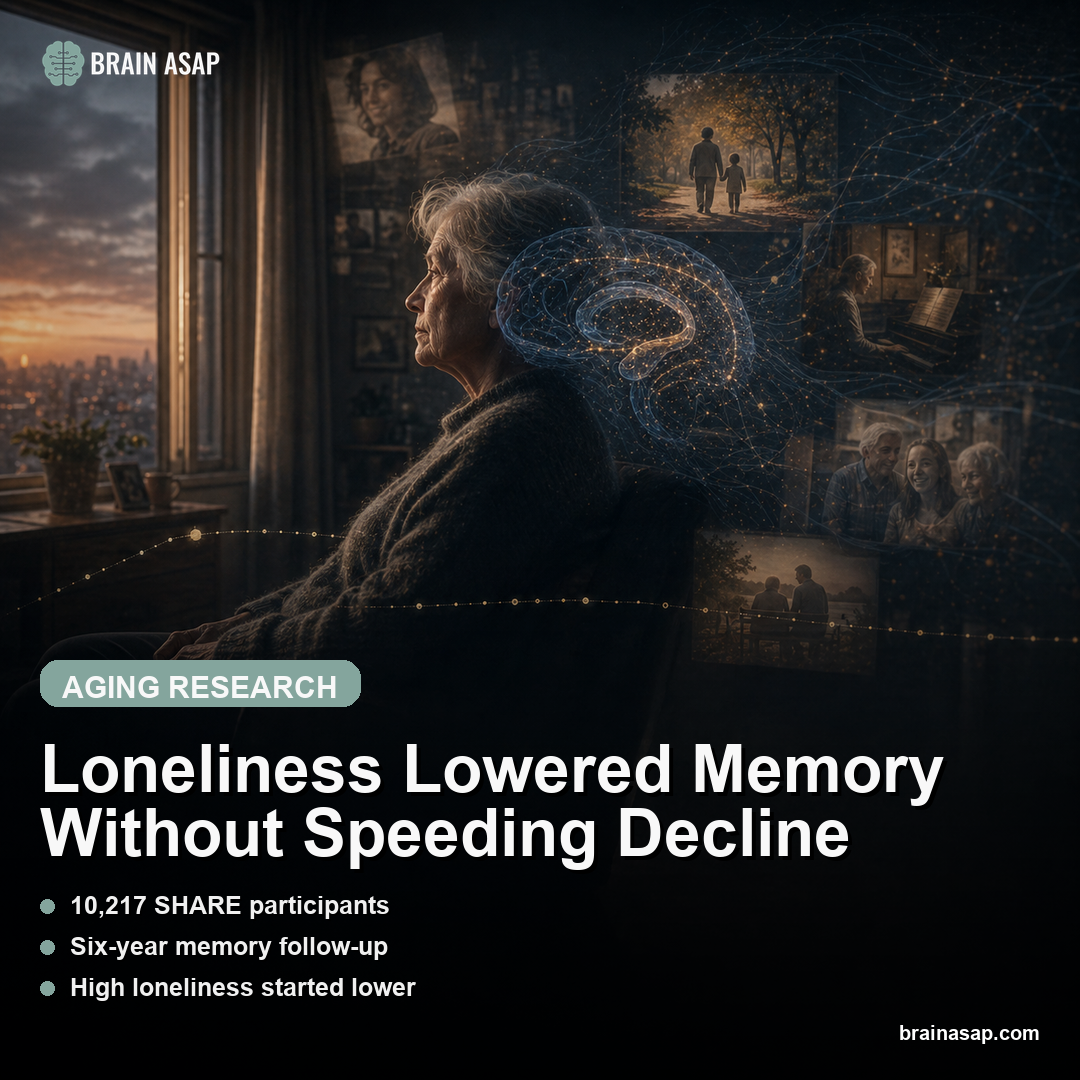
Loneliness Impaired Memory Without Accelerating 6-Year Decline

Loneliness Lowered Memory Without Speeding Decline

Loneliness Lowered Memory Without Speeding Decline TL;DR: In 10,217 older Europeans, loneliness was linked to lower immediate and delayed recall at baseline, but it did not make memory decline faster over 6 years. Key Findings 10,217 SHARE participants: The analysis included adults aged 65 to 94 from 12 European countries who participated in waves 5, …

Read more

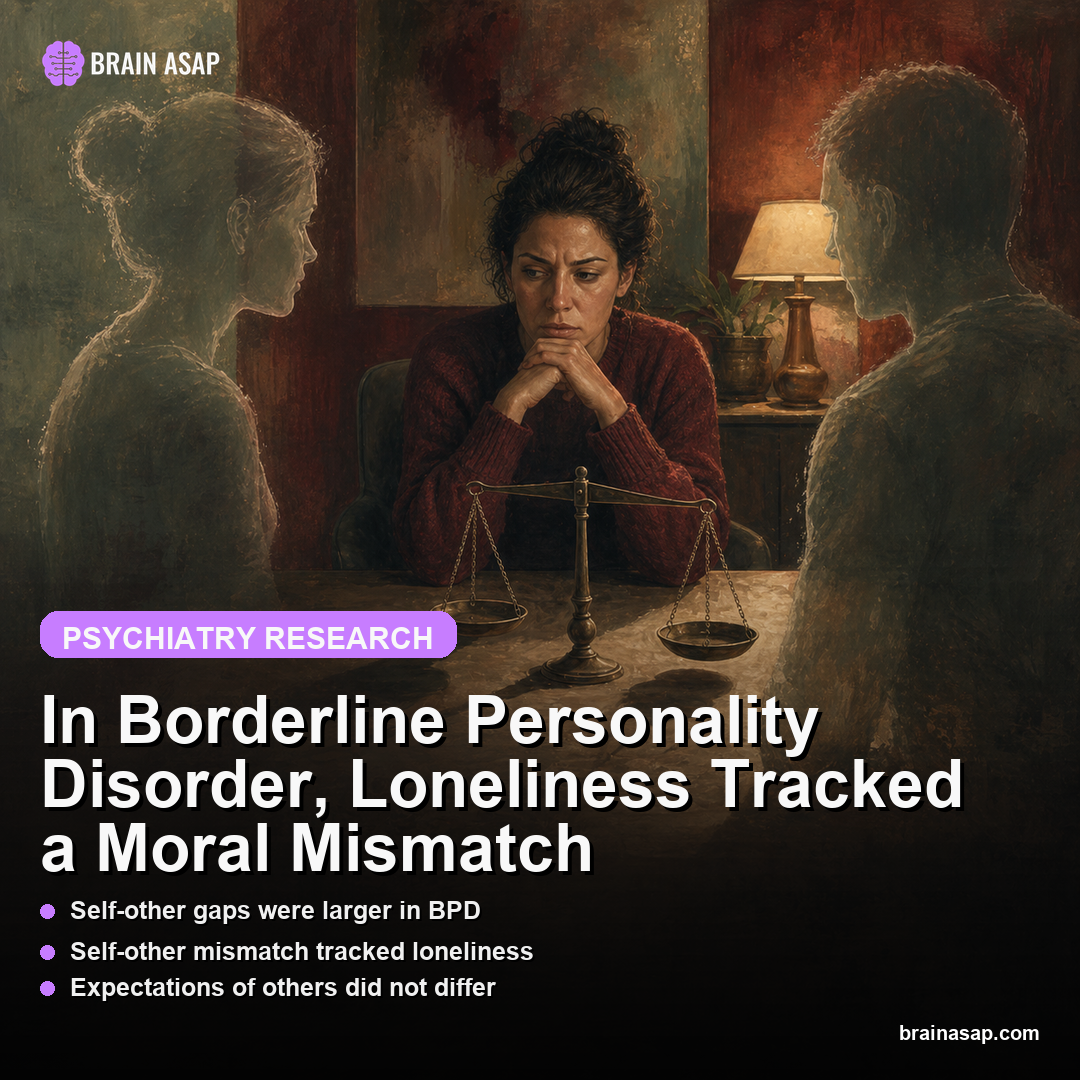
Borderline Personality Disorder (BPD) Loneliness Matched Self-Other Social Value Gaps

In Borderline Personality Disorder, Loneliness Tracked a Gap Between Self-View and Expectations

In Borderline Personality Disorder, Loneliness Tracked a Gap Between Self-View and Expectations TL;DR: In borderline personality disorder, loneliness was higher when patients rated themselves as especially prosocial and justice-sensitive but did not expect the same level of fairness or concern from other people. Key Findings Self-view and expectations diverged in BPD: Treatment-seeking patients showed bigger …

Read more

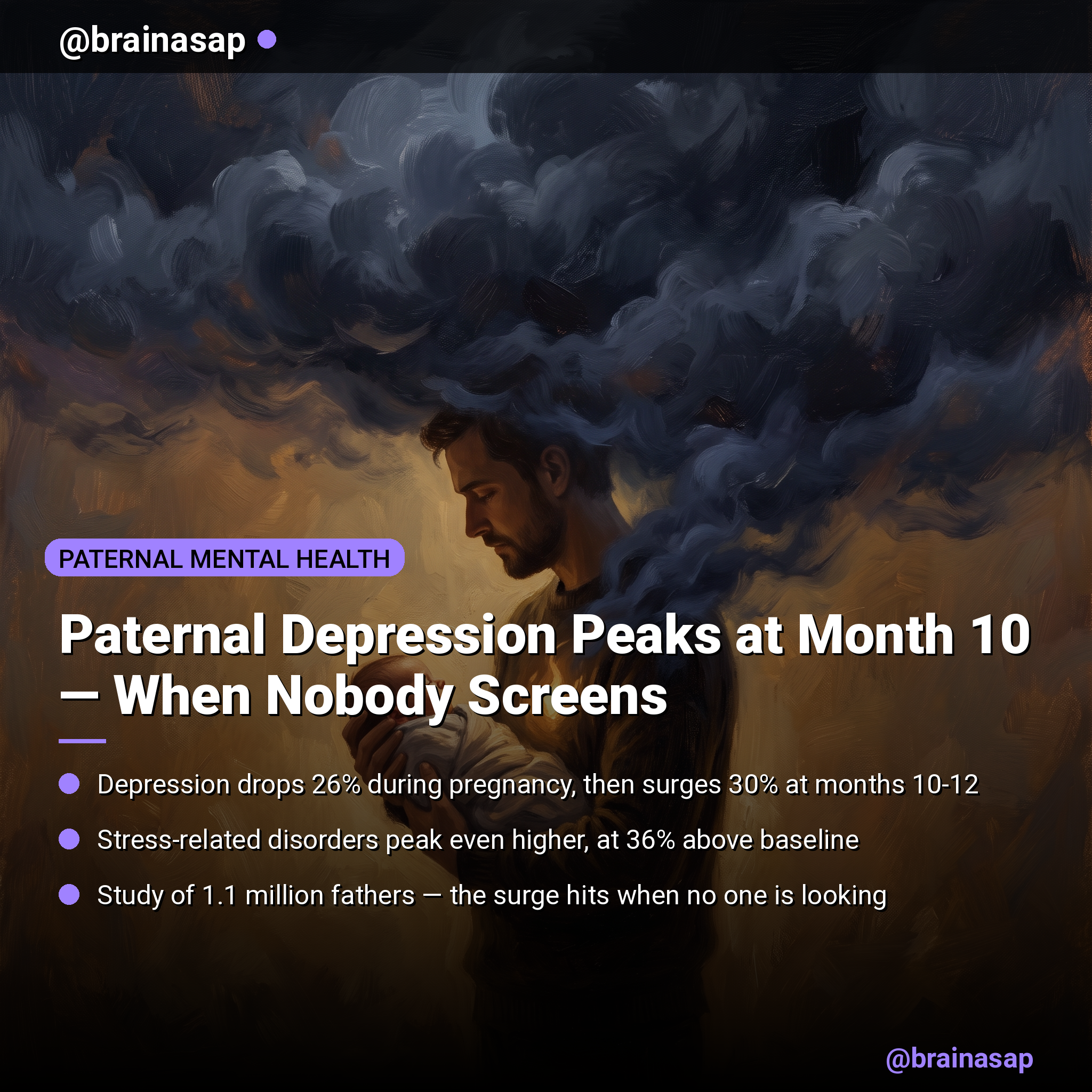
Paternal Postpartum Depression Peaks at 10-12 Months, Not at Birth

The Hidden Postpartum Crisis Nobody Screens For: Paternal Depression Peaks at 10-12 Months TL;DR: Fathers experience a protective period early postpartum (depression drops by 26%), but depression and stress surge at months 10-11, creating a 30-36% elevated risk when no one is screening for it. Perinatal psychiatry has a crisis of attention. Mothers are screened …

Read more

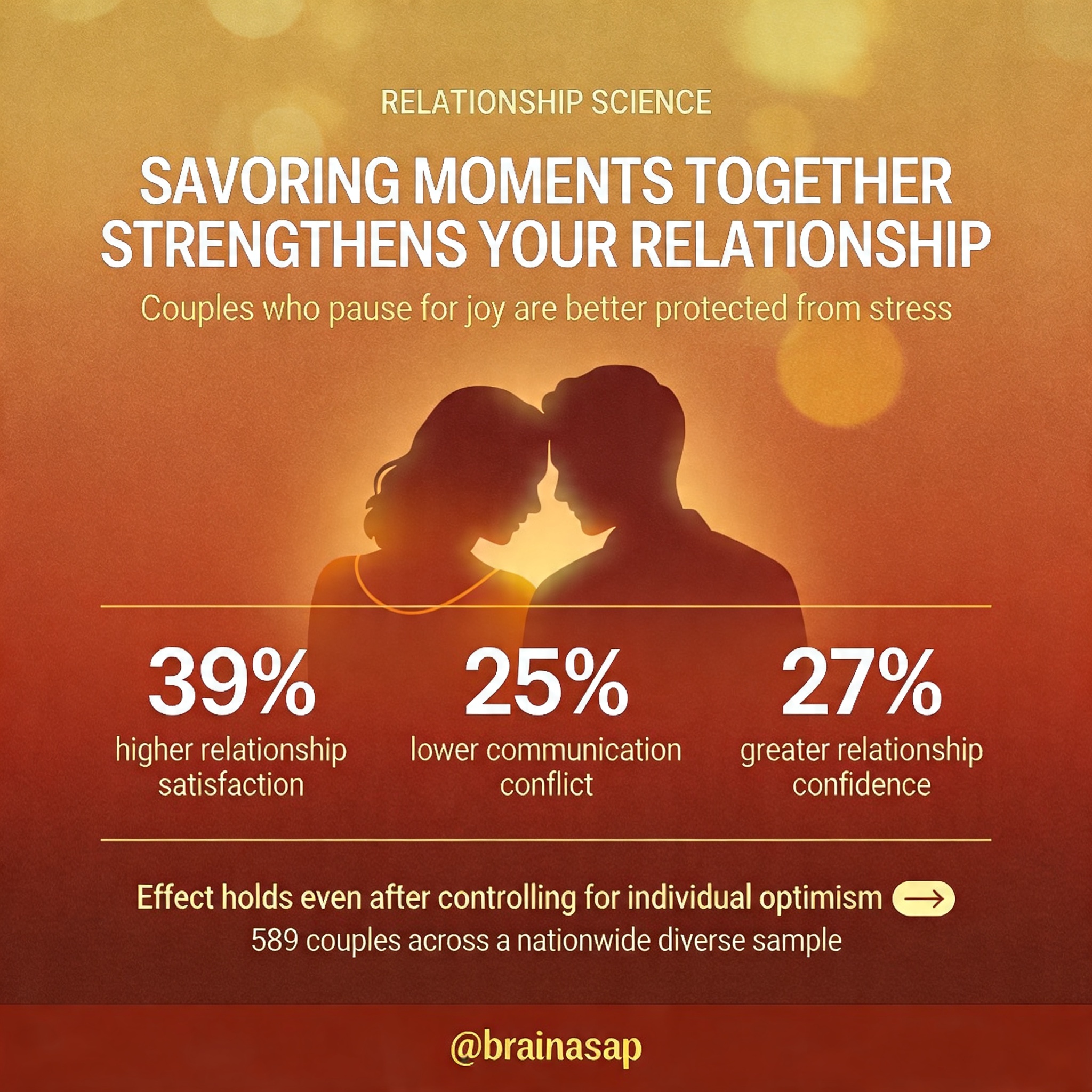
Couples Who Savor Happy Moments Are More Resilient to Stress

Savoring Together: The Secret Couples Overlook TL;DR: Couples who deliberately focus attention on shared positive experiences—a practice called joint savoring—report higher relationship satisfaction, greater confidence in their future together, and better protection from stress, even when controlling for general optimism. Most relationship advice emphasizes managing conflict or deepening communication. But researchers at the University of …

Read more

LIT-001 (Oxytocin Receptor Agonist) Alters Pair Bonding in Prairie Voles (2024 Study)

A small-molecule oxytocin receptor-specific agonist, LIT-001, differentially affects the acquisition and expression of partner preference in prairie voles, enhancing bonding when administered before cohabitation but inhibiting it when given afterward. Highlights: LIT-001 Enhances Bonding Pre-Cohabitation: Administration of LIT-001 (10 mg/kg) before a 4-hour cohabitation period facilitated the acquisition of partner preference in male prairie voles. …

Read more

Increased Desire to Have Kids Linked to Better Family Health & Relationship Quality in Women (2024 Study)

This study examined how family health, perceived relationship quality, and attitudes toward childbearing are interconnected in Iranian women using the WHO model, finding that better family health and relationship quality positively influence childbearing attitudes. Highlights: Significant Positive Impact of Family Health: Family health had the most significant and positive direct effect on attitudes toward childbearing …

Read more