Serotonin (5-HT) vs. Tumors & Cancers: Potential Immunomodulation Treatment (2024 Research)
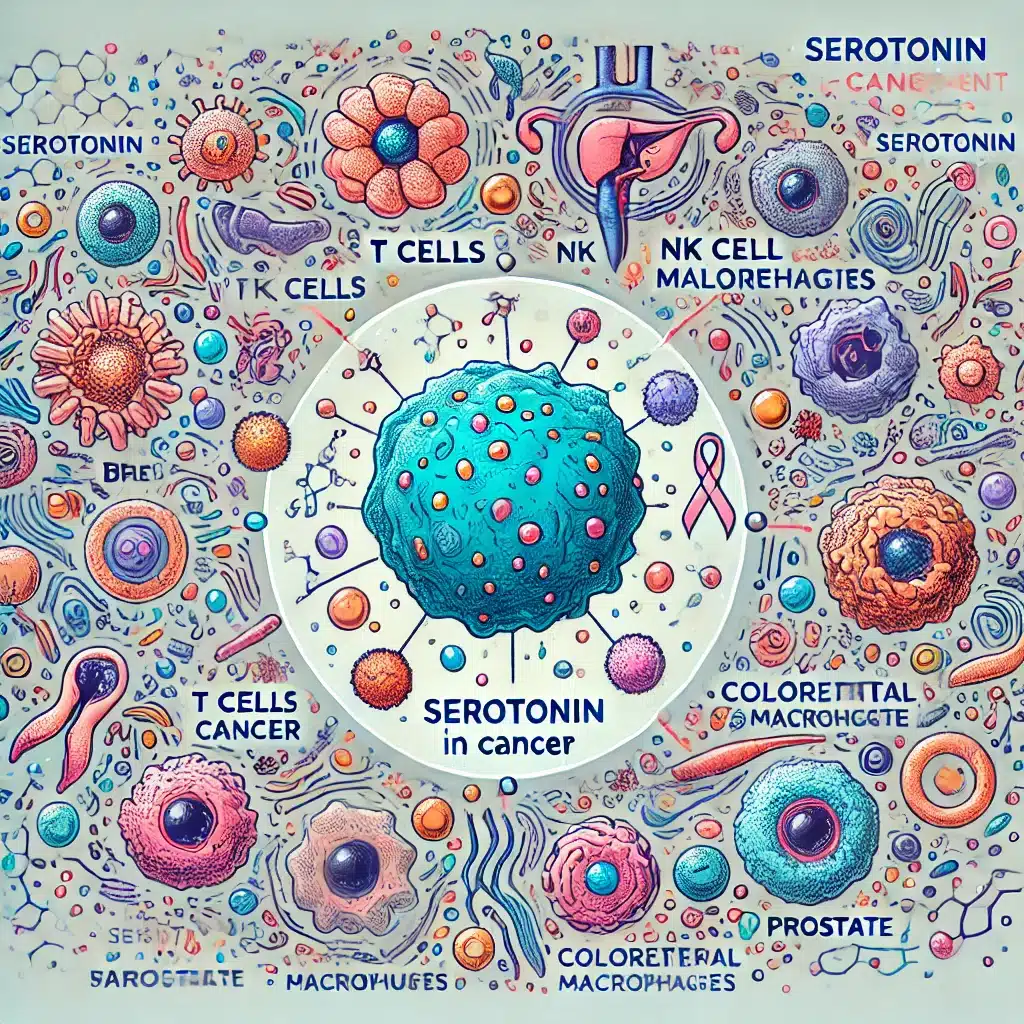
Cancer patients frequently experience depressive symptoms, and the role of serotonin in tumor regulation varies across different types. Highlights: Prevalence of Depression in Cancer Patients: A significant portion of cancer patients experience depressive symptoms, which are often linked to neuroendocrine hormone imbalances and decreased serotonin levels. Neuroimmunology’s Role: Neuroimmunology is an emerging field that has …

Read more

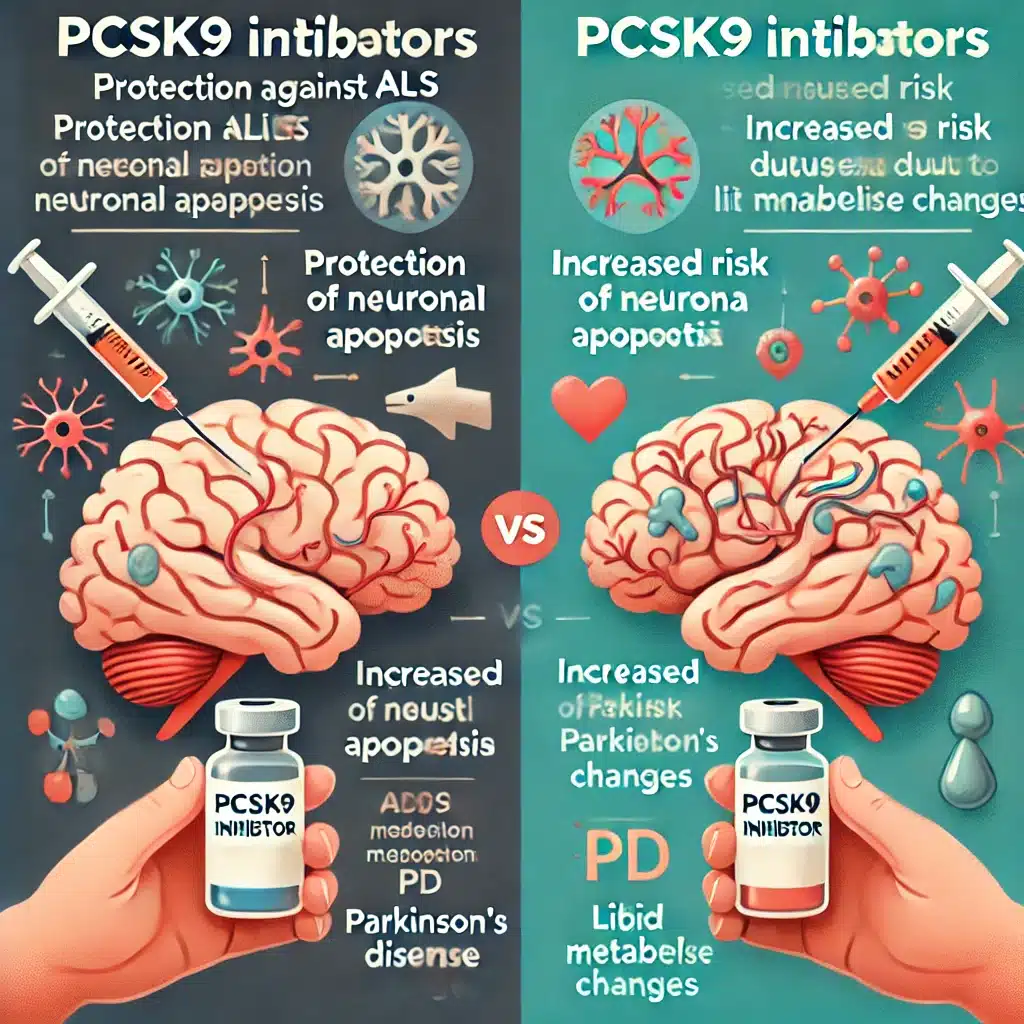
PCSK9 Inhibitors May Increase Parkinson’s Disease & Reduce ALS Risk (2024 Study)

PCSK9 inhibitors significantly reduce the risk of amyotrophic lateral sclerosis (ALS) but increase the risk of Parkinson’s disease (PD). Highlights: ALS Risk Reduction: PCSK9 inhibitors marginally reduced the risk of ALS with an odds ratio of 0.89 (p = 0.048). PD Risk Increase: PCSK9 inhibitors increased the risk of Parkinson’s disease, with an odds ratio …

Read more

Repurposing General Anesthetic Drugs to Treat Depression: Ketamine, Nitrous Oxide, Propofol, Isoflurane (2024 Research)

Repurposing general anesthetic drugs like ketamine for the treatment of major depression represents a significant medical advancement – showcasing rapid and sustained antidepressant effects. Highlights: Rapid Antidepressant Effects: Ketamine, nitrous oxide, propofol, and isoflurane have shown rapid and sustained antidepressant properties, offering new treatment options for major depressive disorder and treatment-resistant depression. Mechanisms of Action: …

Read more

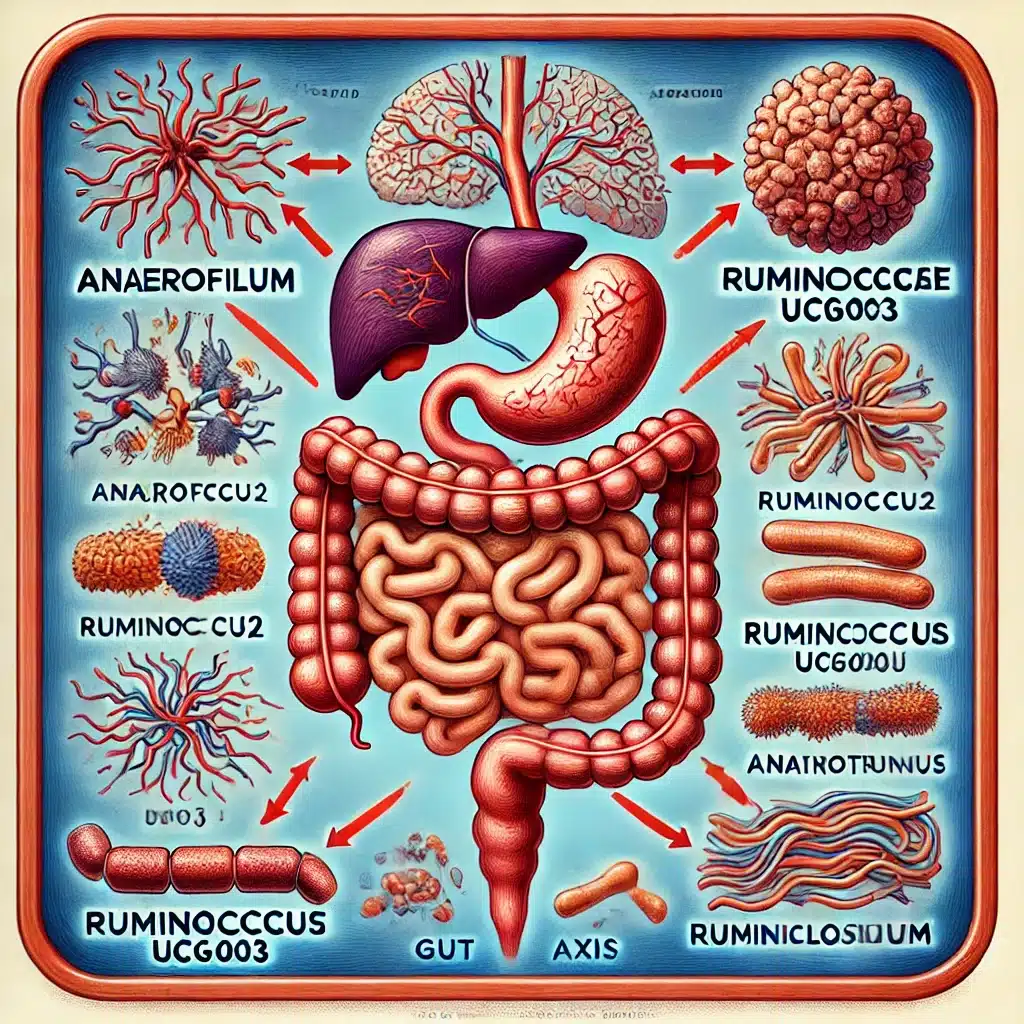
Multiple Sclerosis (MS) Linked to 5 Gut Microbiome Abnormalities (2024 Study)

A Mendelian randomization study identified five gut microbiota taxa with potential causal effects on multiple sclerosis (MS), highlighting new avenues for understanding and treating the disease. Highlights: Causal Associations Identified: The study identified five gut microbiota taxa with significant causal associations to MS: Anaerofilum id.2053, Ruminococcus2 id.11374, Ruminococcaceae UCG003 id.11361, Ruminiclostridium5 id.11355, and Anaerotruncus id.2054. …

Read more

Increased Desire to Have Kids Linked to Better Family Health & Relationship Quality in Women (2024 Study)

This study examined how family health, perceived relationship quality, and attitudes toward childbearing are interconnected in Iranian women using the WHO model, finding that better family health and relationship quality positively influence childbearing attitudes. Highlights: Significant Positive Impact of Family Health: Family health had the most significant and positive direct effect on attitudes toward childbearing …

Read more

Psychological Trauma & Adversity May Accelerate Biological Aging (2024 Analysis)

Adversity accelerates biological aging through health-compromising behaviors like smoking and possibly social disconnection, and future research needs to focus on causal methodologies to better understand these processes and develop effective interventions. Highlights: Mechanisms of Accelerated Aging: Recent studies suggest that adversity accelerates biological aging, with health-compromising behaviors, especially smoking, playing a significant role in this …

Read more

Sleep Profiles of Different Psychiatric Traits (2024 Study)

Different psychiatric conditions exhibit varied sleep problems, with insomnia and fatigue being the most common issues. Highlights: Worst Sleep Profiles: Traits related to affect disorders, generalized anxiety, and ADHD show the worst sleep problems, including insomnia and fatigue. Milder Sleep Issues: Autism, eating disorders, and impulsivity traits are linked to milder sleep disturbances. Mania and …

Read more

rTMS of Left Dorsolateral Prefrontal Cortex (DL-PFC) May Treat Methamphetamine Addiction via Altering Cravings & Decision Making (2024 Study)

Repetitive transcranial magnetic stimulation (rTMS) on the left dorsolateral prefrontal cortex (dlPFC) improves decision-making and reduces cravings in individuals with methamphetamine use disorder (MUD). Highlights: Improved Decision-Making: rTMS treatment enhanced decision-making abilities in MUD patients, making their choices more rational and similar to healthy individuals. Craving Reduction: Participants experienced a significant decrease in cravings for …

Read more

Hypertension Linked to Impaired Cognition & Gait in Older Adults (2024 Study)

Hypertension in older adults leads to poorer cognitive and walking performance due to the need for more brain resources to manage dual tasks. Highlights: Older adults with hypertension show higher brain activation in motor and sensory areas when performing dual cognitive-walking tasks compared to healthy peers. Hypertensive individuals have worse cognitive performance on single cognitive …

Read more

Type 2 Diabetes Linked to Lower Cerebral Blood Flow (CBF) in Hippocampus (2024 Study)

This study shows that type 2 diabetes causes decreased blood flow and changes in neural activity in specific parts of the hippocampus, which may initially compensate for cognitive decline but deteriorate with worsening diabetes. Highlights: Decreased Perfusion: Patients with type 2 diabetes have lower blood flow in the right hippocampal CA1, DG, and subiculum areas. …

Read more