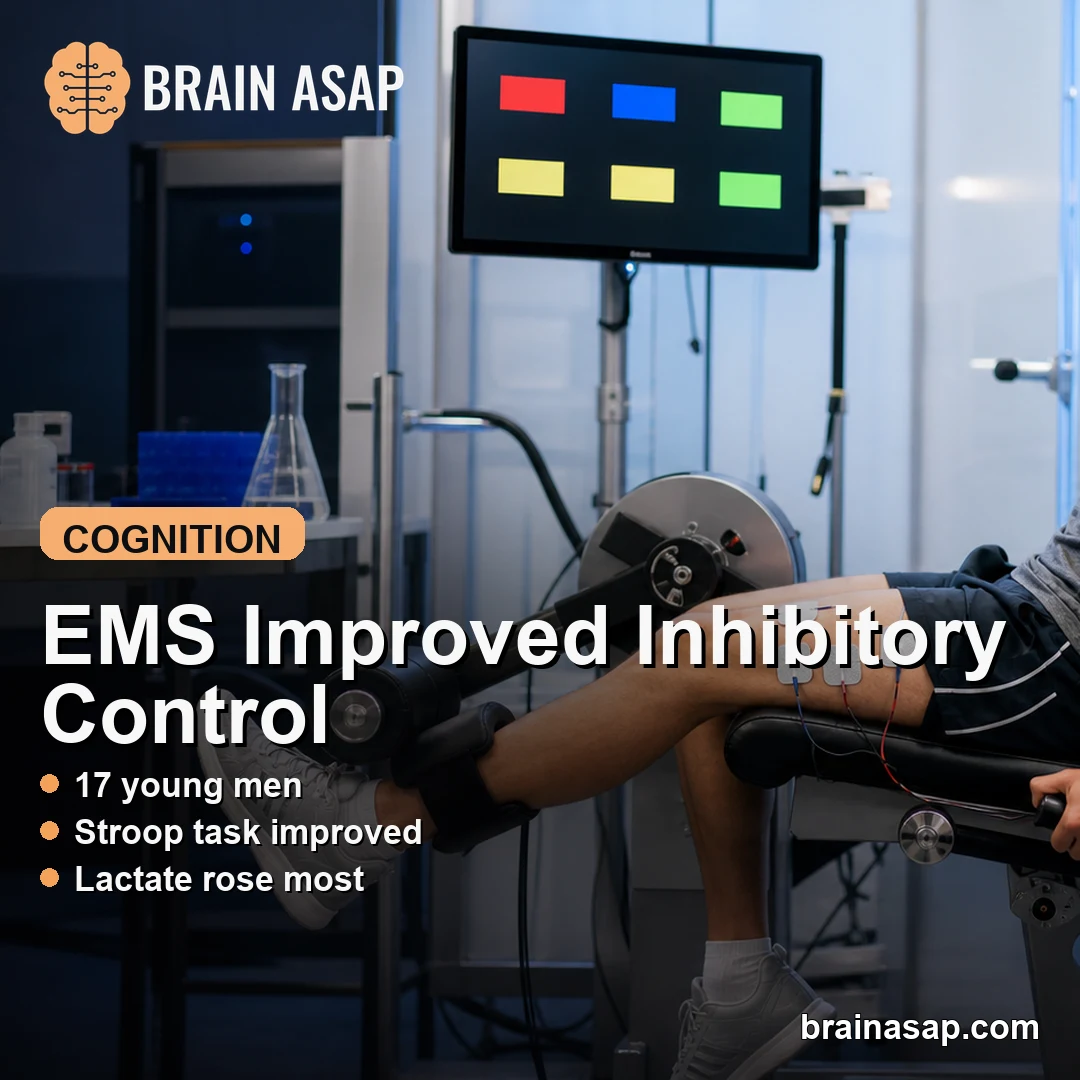
TL;DR: A 2026 crossover study in Clinical Physiology and Functional Imaging found that adding electrical muscle stimulation to low-intensity resistance exercise improved inhibitory control in young men, while stimulation alone showed a delayed 15-minute benefi…
Read article ↗
TL;DR: A 2026 pilot randomized trial in Nursing in Critical Care found that an 8-week home-based program combining exercise with computerized cognitive training was feasible in 36 ICU survivors and produced larger reductions in patient-reported post-intensive…
Read article ↗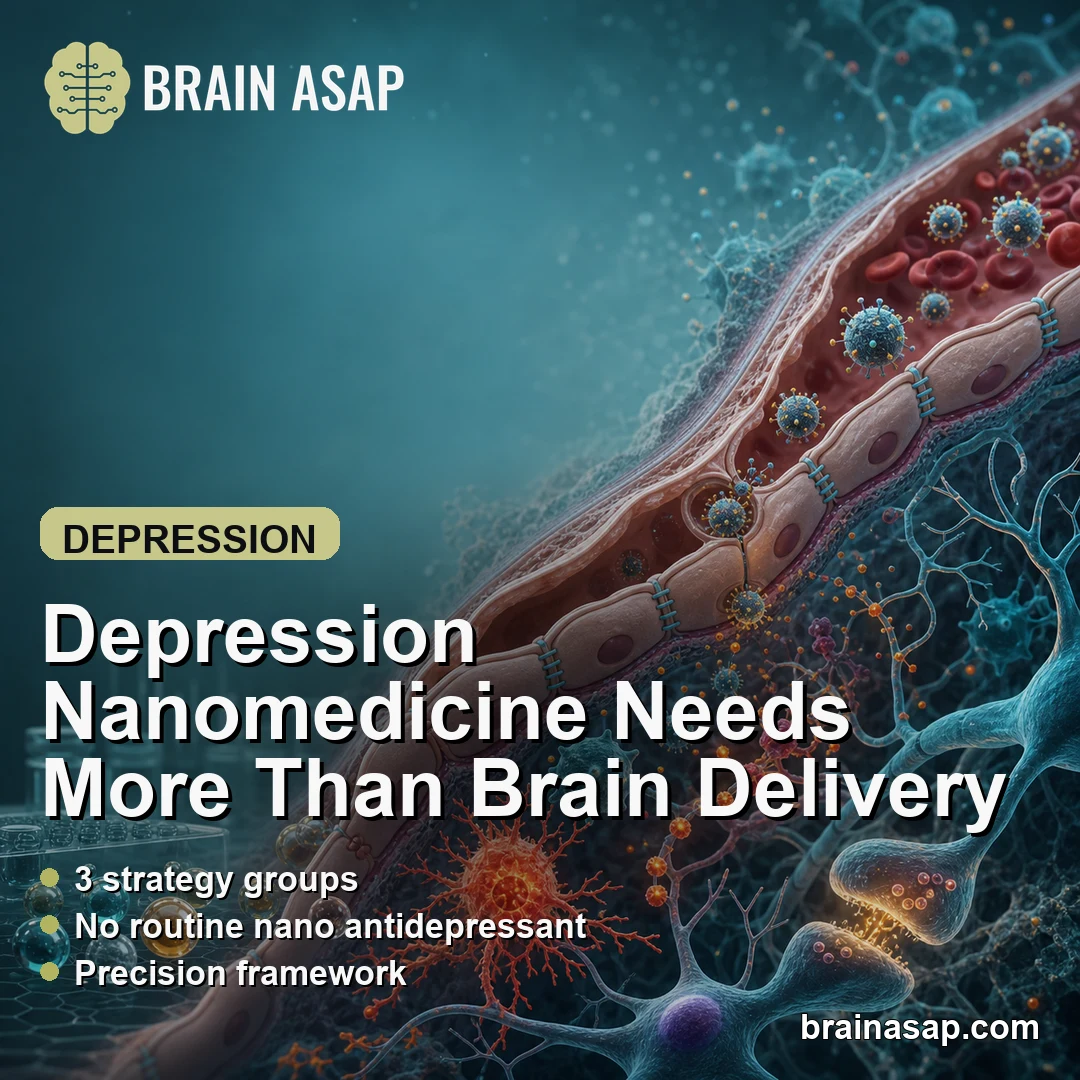
TL;DR: A 2026 review in International Journal of Nanomedicine argued that depression nanomedicine should move beyond blood-brain-barrier delivery alone and be judged by target engagement, neuroimmune-barrier-plasticity effects, safety, manufacturability, and p…
Read article ↗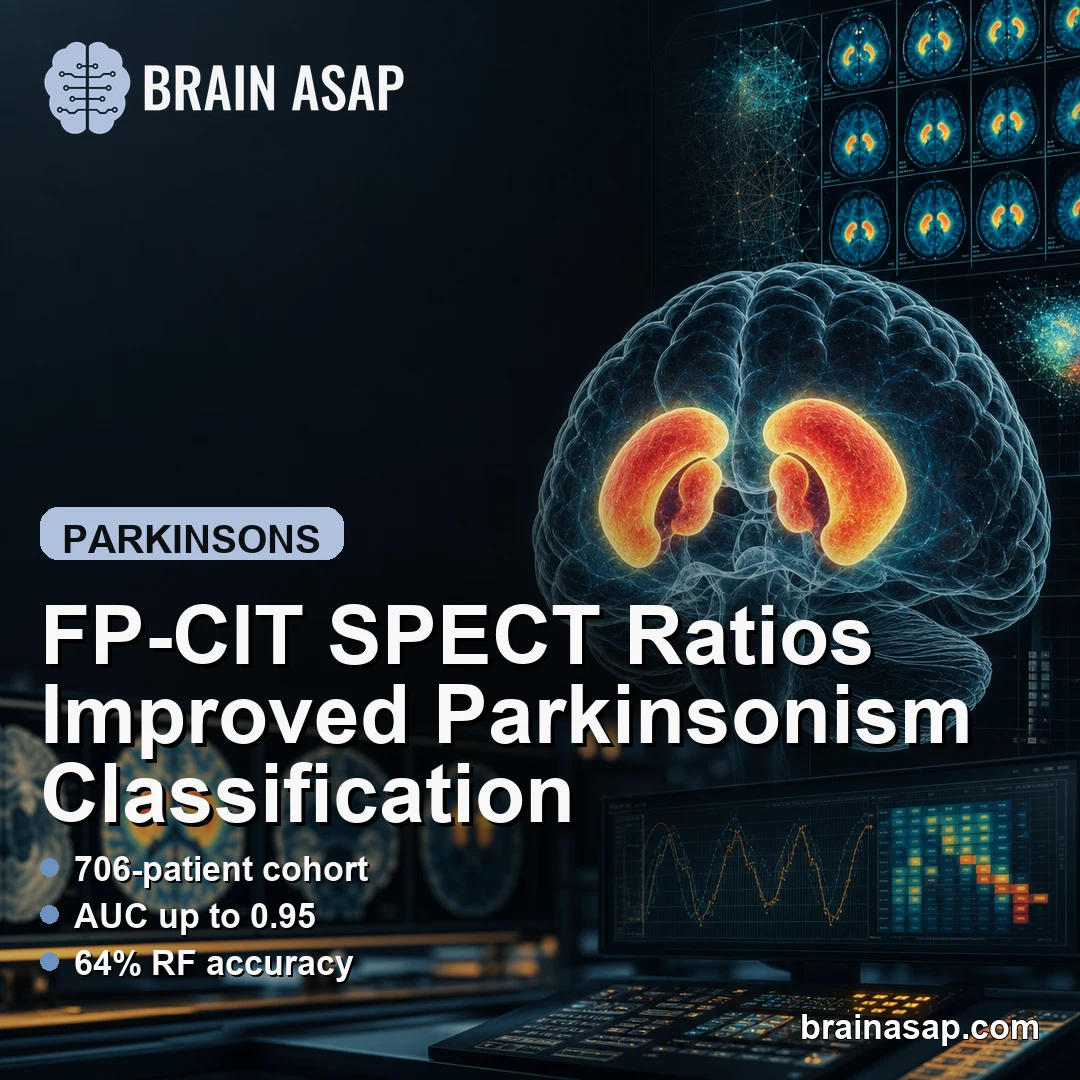
TL;DR: A 2026 study in European Journal of Nuclear Medicine and Molecular Imaging found that semiquantitative [123I]FP-CIT SPECT metrics, especially caudate-to-putamen and sensorimotor-to-limbic ratios, helped distinguish Parkinson’s disease from atypical park…
Read article ↗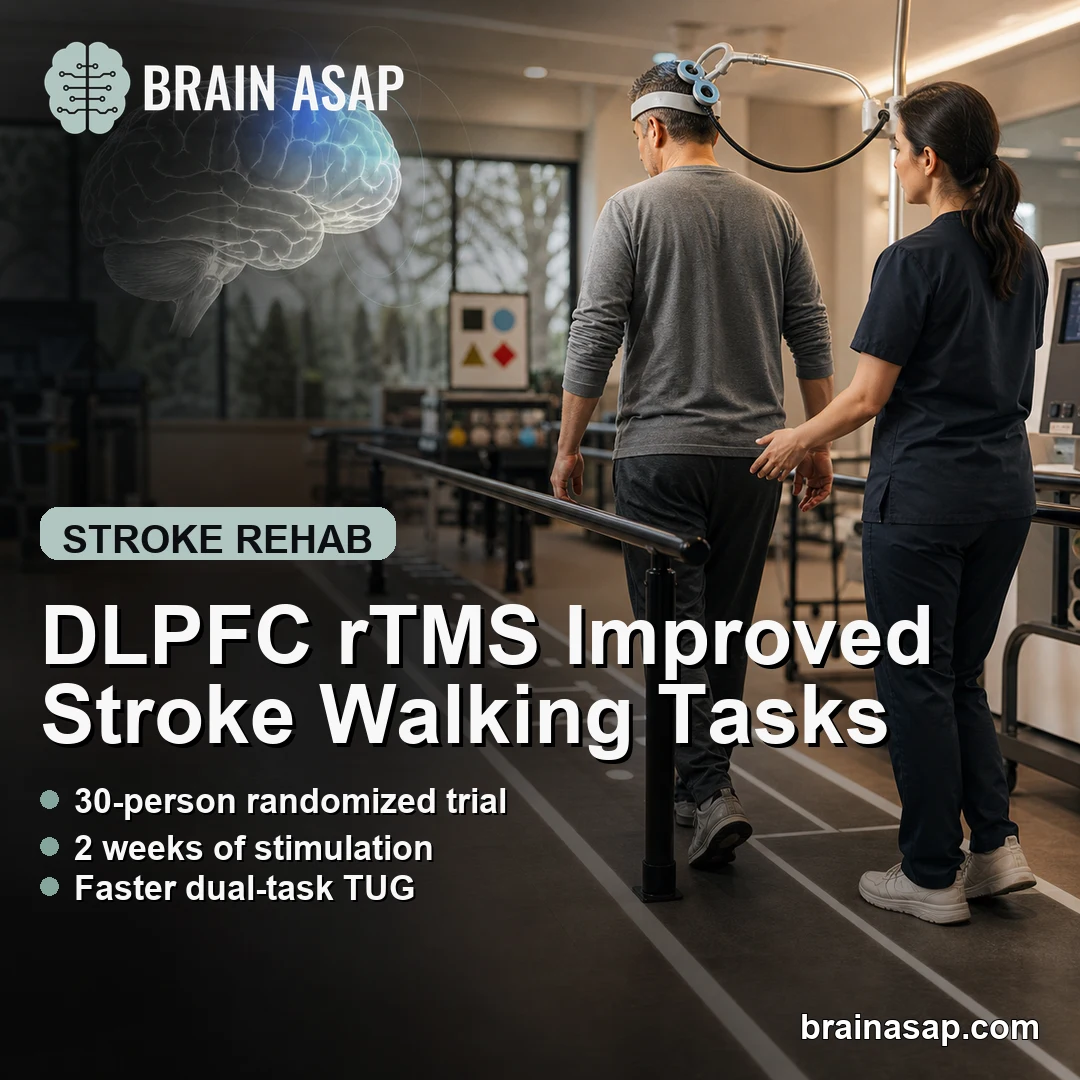
TL;DR: A 2026 randomized trial in Physiotherapy Research International found that adding active 5 Hz repetitive transcranial magnetic stimulation (rTMS) over the dorsolateral prefrontal cortex to dual-task stroke rehabilitation produced larger gains in Timed U…
Read article ↗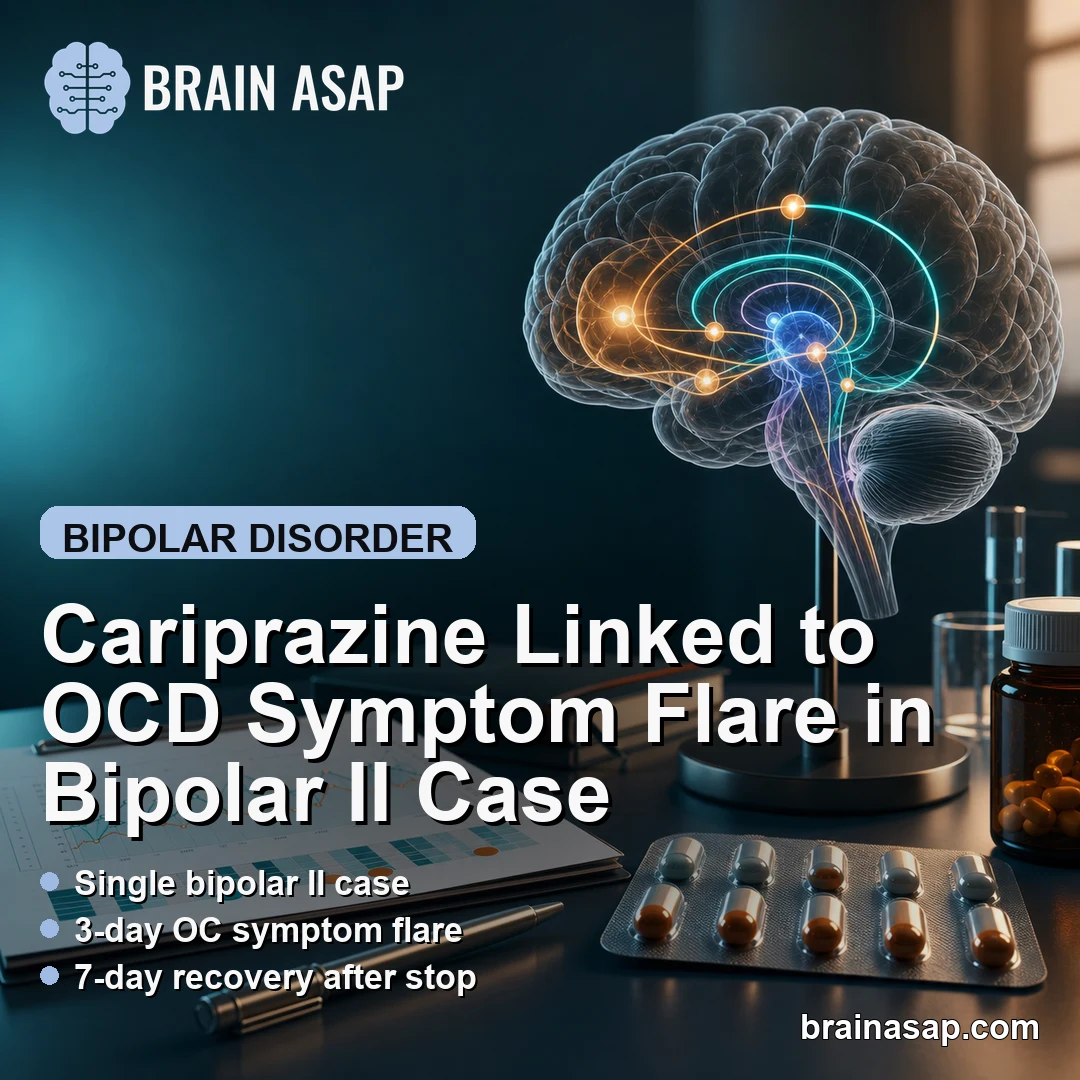
TL;DR: A 2026 case study in Biomedical Reports described a 28-year-old woman with bipolar II disorder whose stable subclinical counting compulsion worsened and expanded into new obsessive-compulsive symptoms within 3 days of starting cariprazine, then returned…
Read article ↗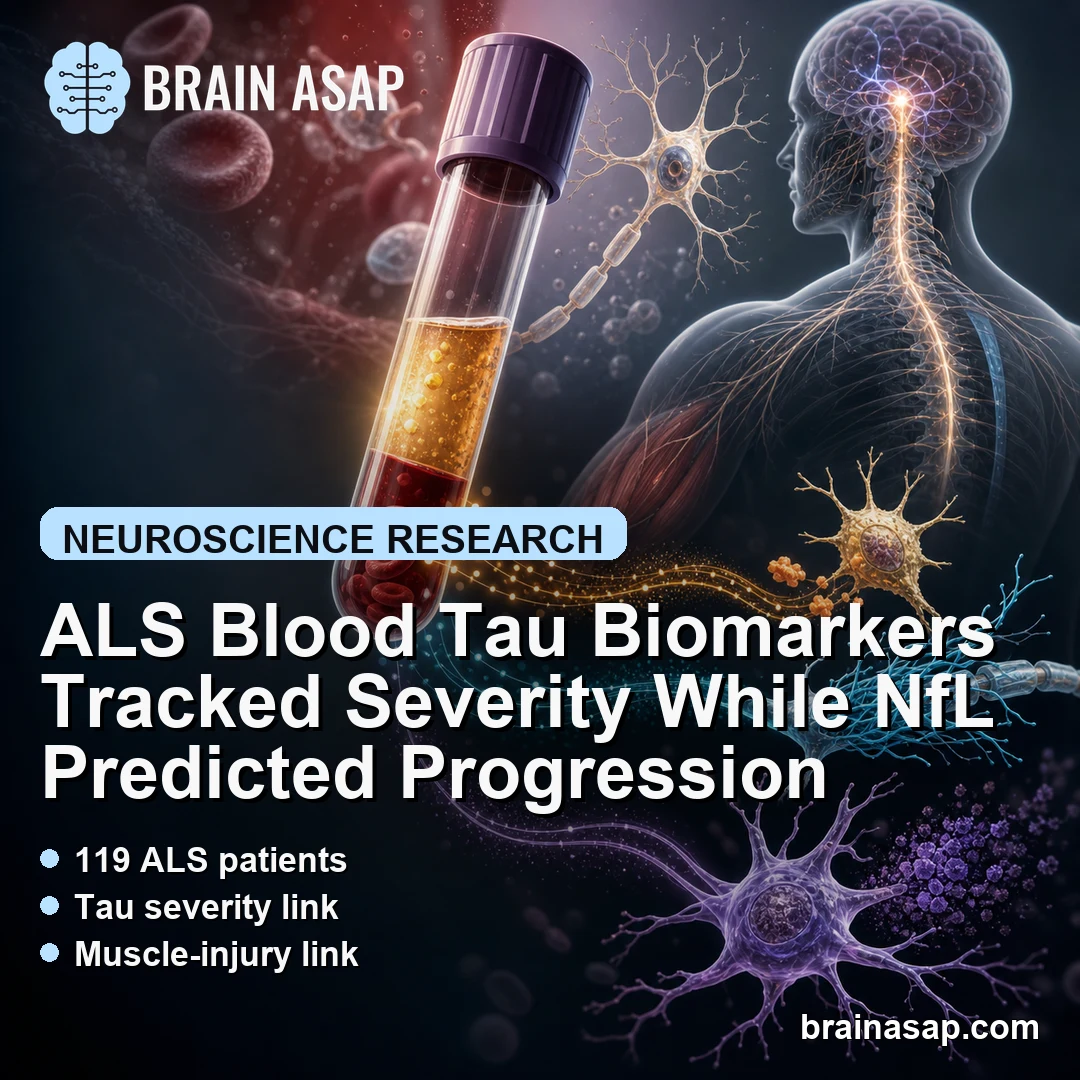
TL;DR: A 2026 preprint on medRxiv found that blood tau markers and neurofilament light tracked different parts of amyotrophic lateral sclerosis (ALS), with tau markers linked more to current lower-motor-neuron and muscle-injury features while neurofilament lig…
Read article ↗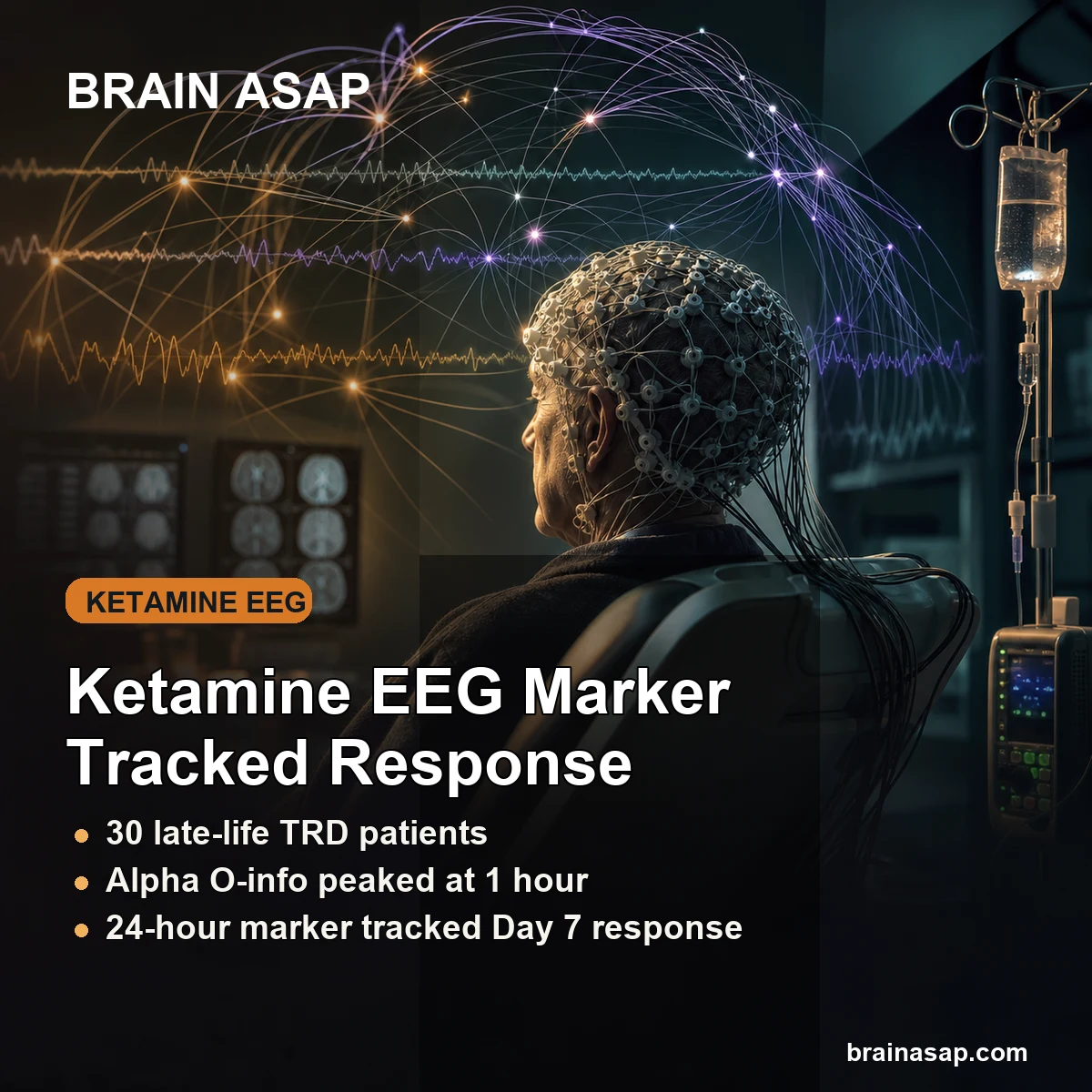
TL;DR: A 2026 study in Translational Psychiatry found that ketamine changed EEG-derived high-order brain interactions in late-life treatment-resistant depression, and a 24-hour increase in alpha-band redundancy tracked greater depression improvement by Day 7.…
Read article ↗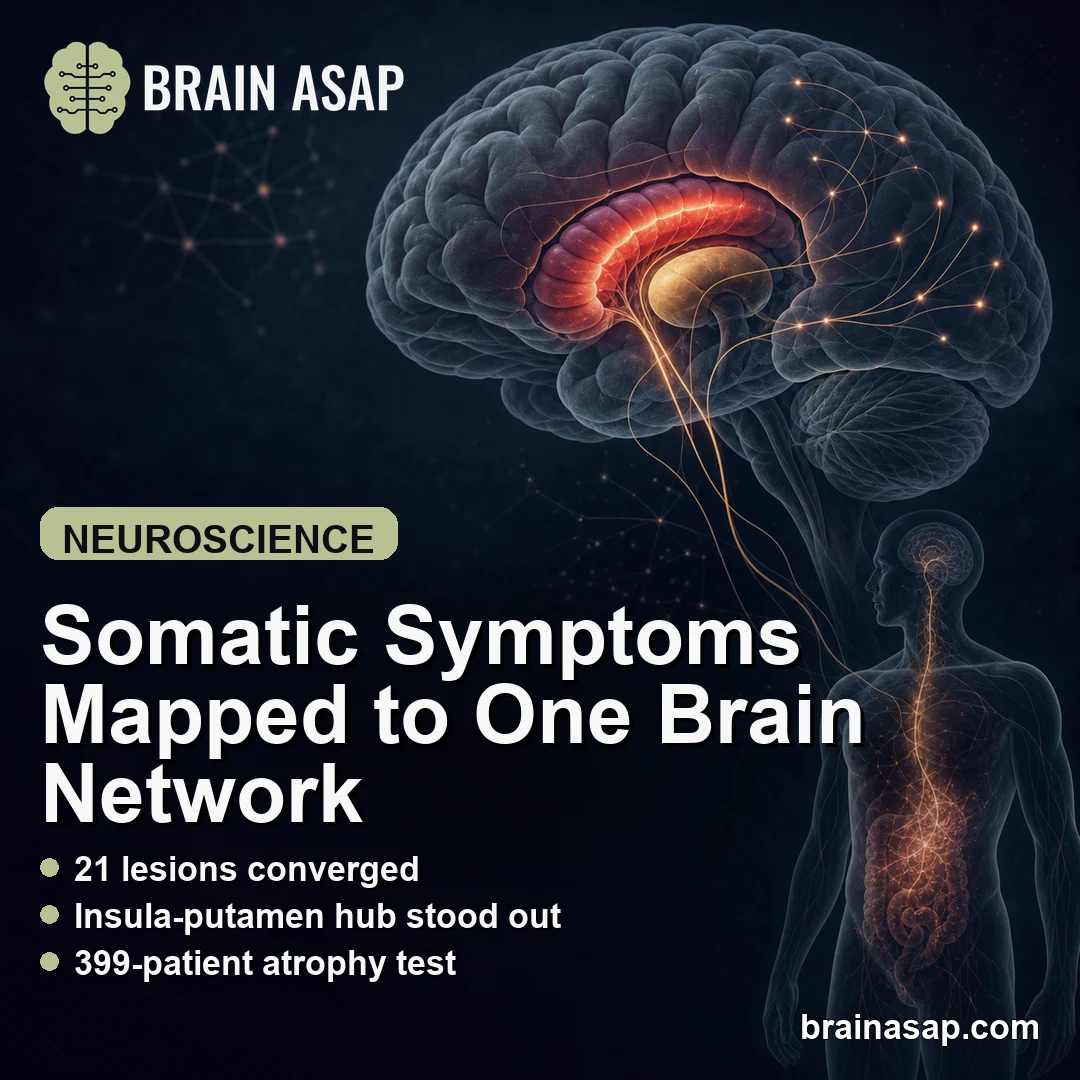
TL;DR: A 2026 study published in BMC Medicine used lesion network mapping to identify a somatic-symptom brain network centered on the right insula and putamen, then linked atrophy inside that network to somatic symptom severity across 399 psychiatric patients.…
Read article ↗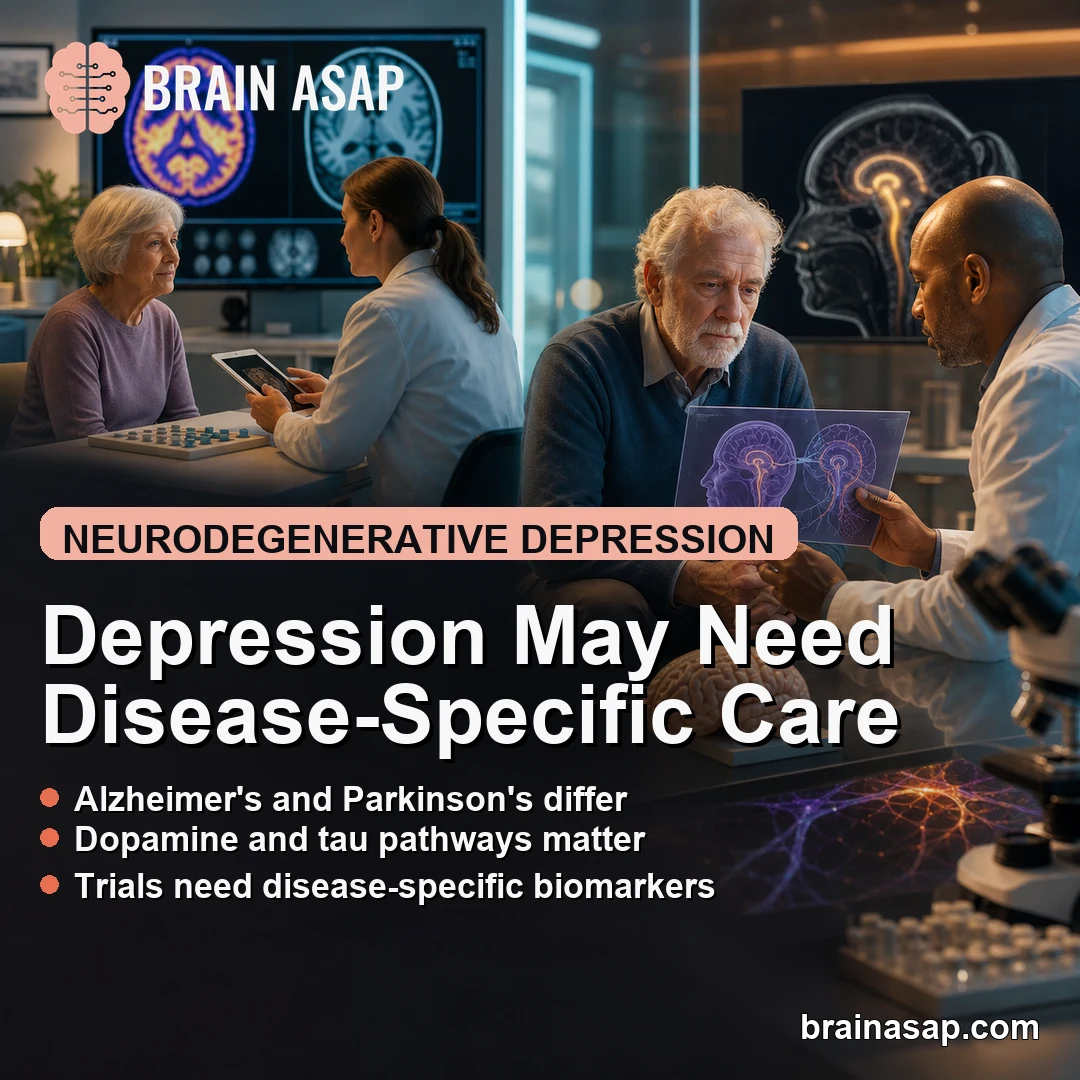
TL;DR: A 2026 narrative review in Molecular Psychiatry argues that depression in Alzheimer’s disease and Parkinson’s disease follows disease-specific brain mechanisms, while standard antidepressant evidence remains weak in these neurodegenerative populations.…
Read article ↗