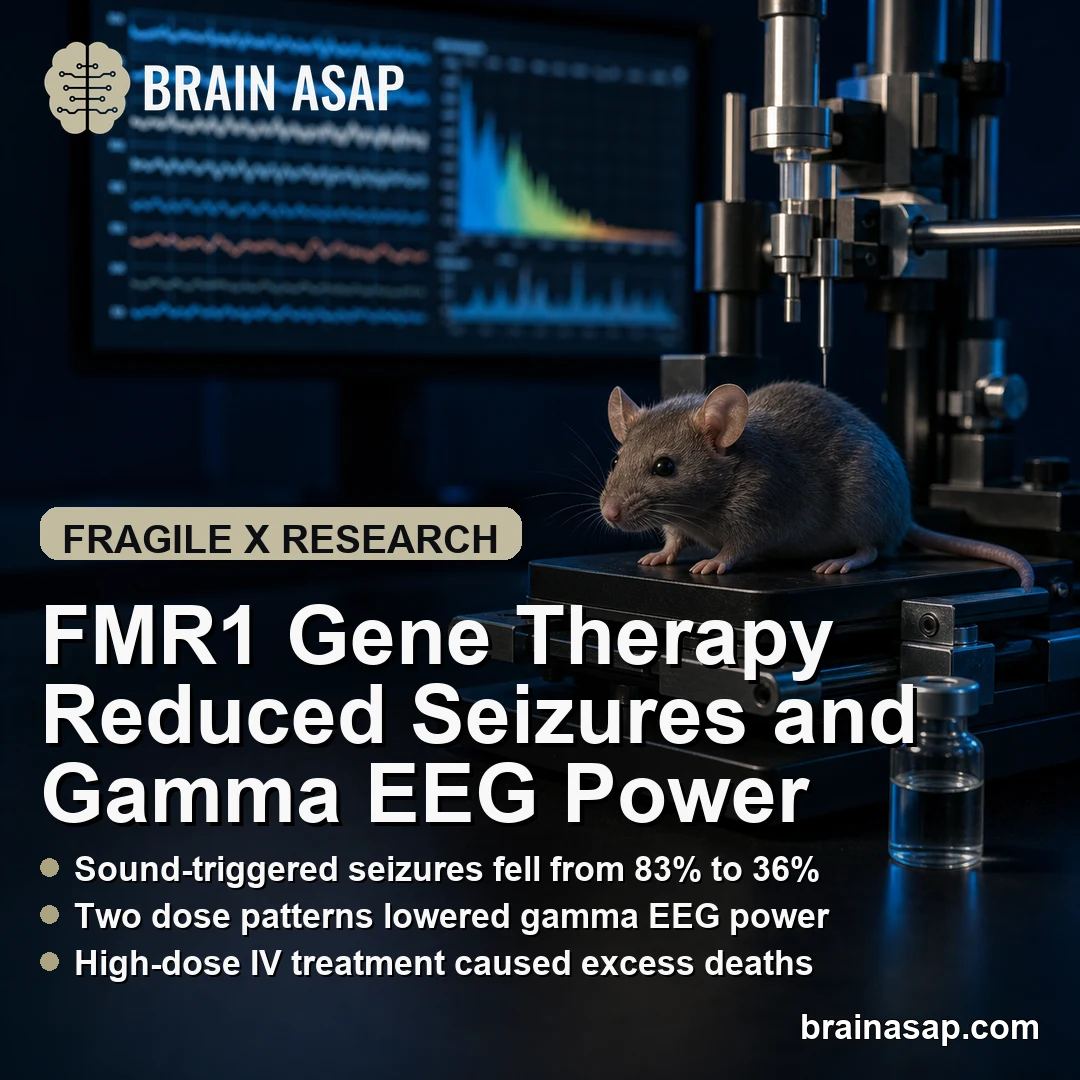
TL;DR: A 2026 mouse study in Gene Therapy used an adeno-associated virus 9 (AAV9) vector to deliver human FMR1 and reduced sound-triggered seizures, excessive digging, and gamma-frequency electroencephalography (EEG) power in selected dose and route groups. Th…
Read article ↗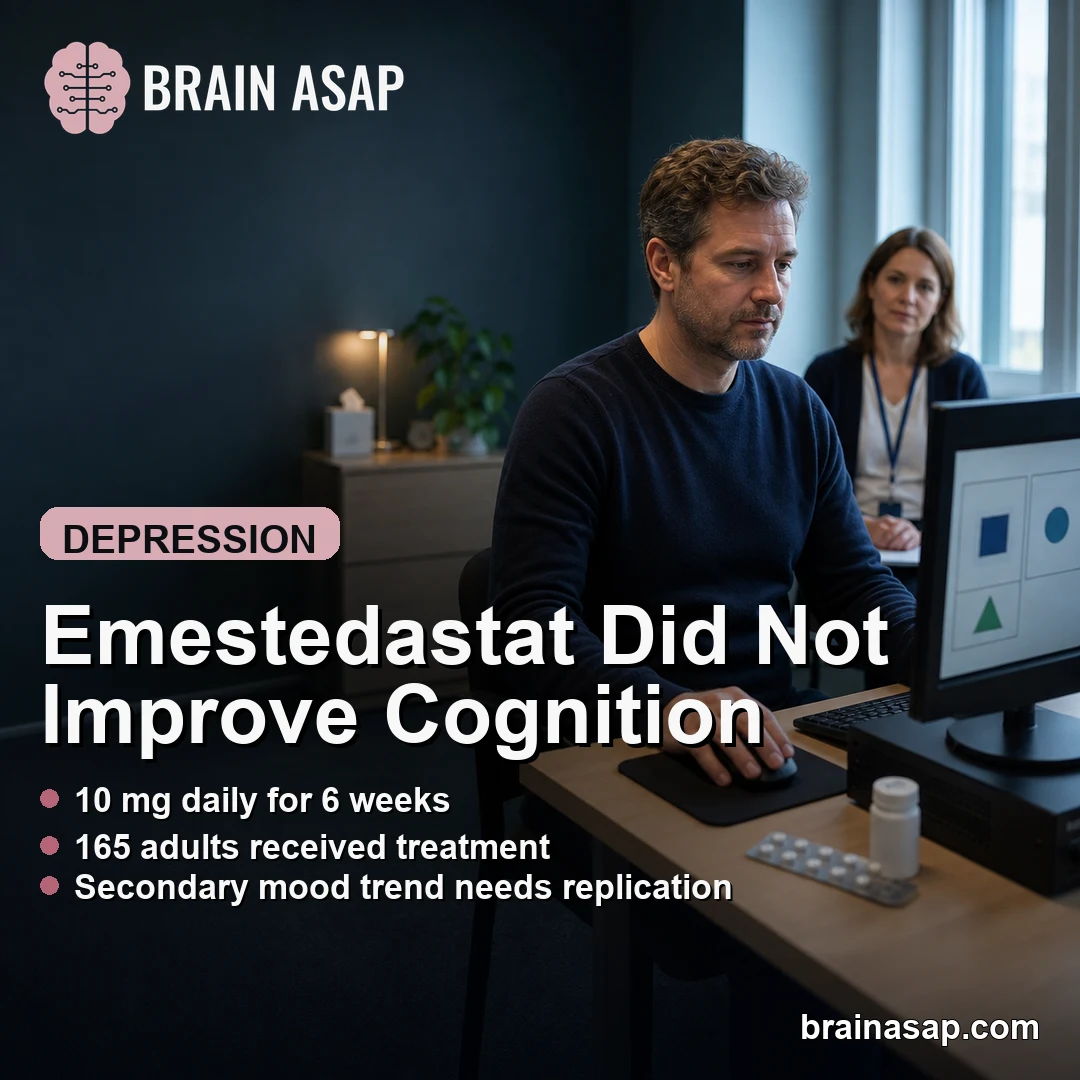
TL;DR: A 2026 Phase 2 trial in The British Journal of Psychiatry found that 10 mg emestedastat did not improve attention and working memory after six weeks in adults with major depressive disorder and objectively measured cognitive impairment. A nominal depres…
Read article ↗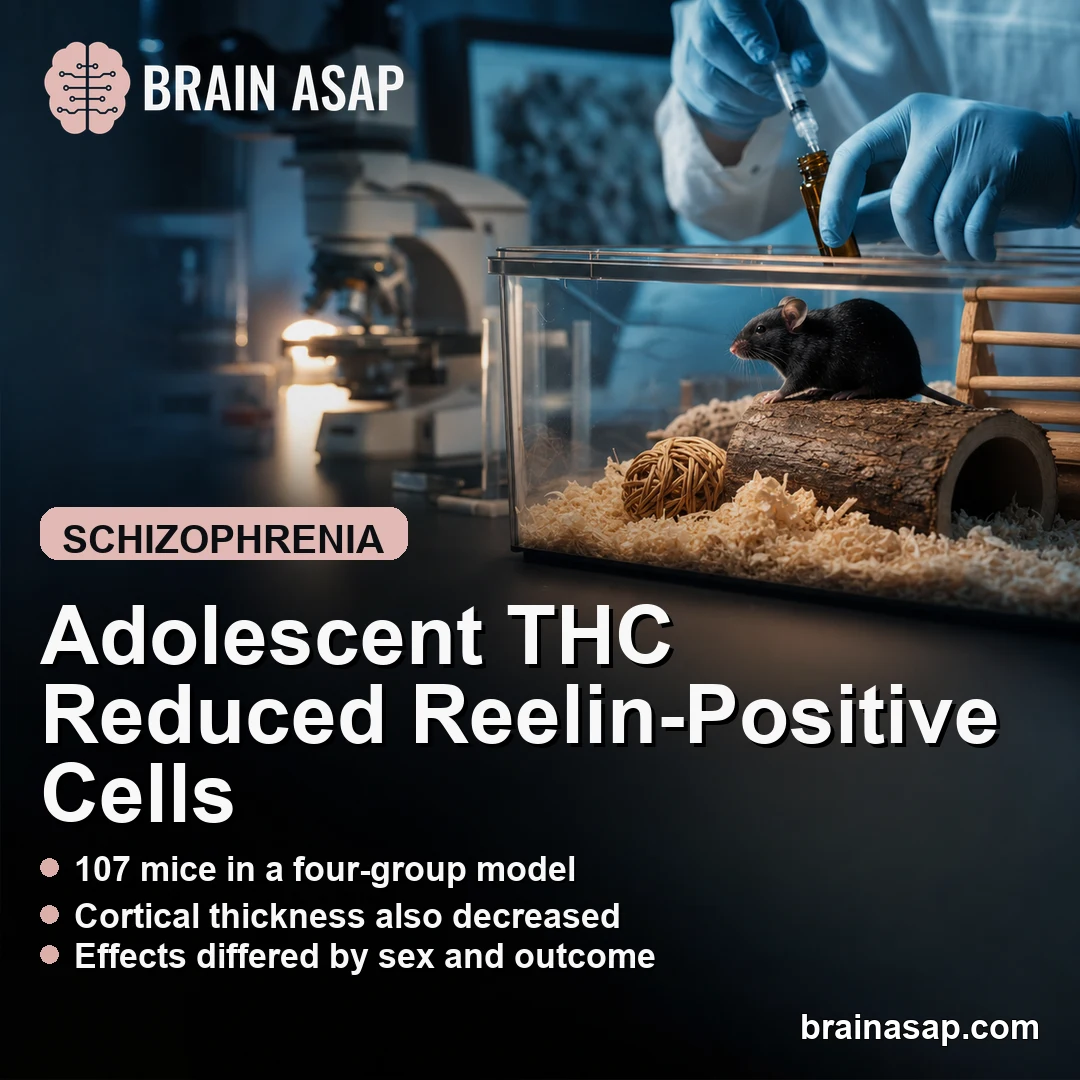
TL;DR: A 2026 mouse study in Translational Psychiatry reported that six days of adolescent THC exposure reduced Reelin-positive cell density in the female prefrontal cortex and cortical thickness across sexes. Prenatal immune activation did not consistently ma…
Read article ↗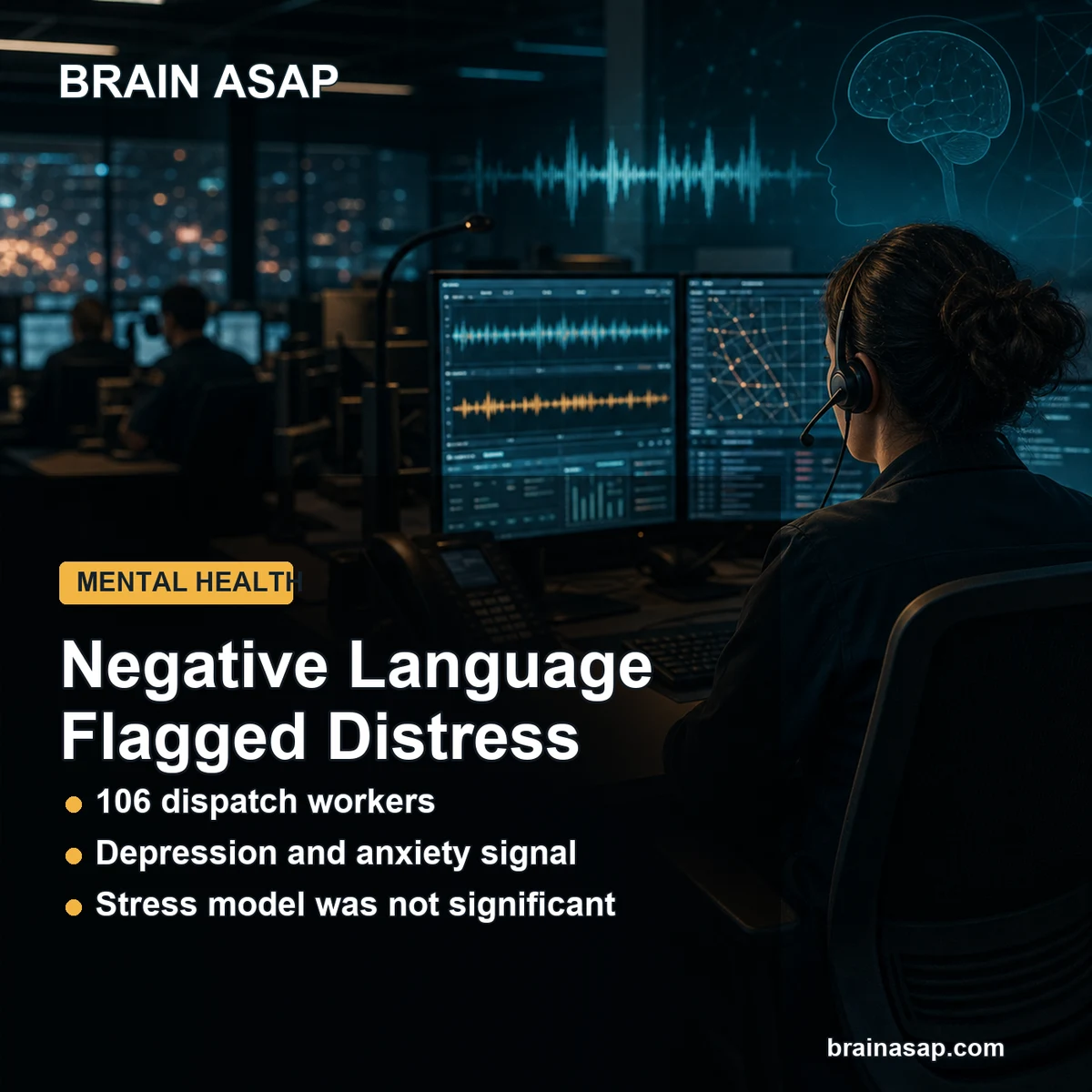
TL;DR: A 2026 study in PLOS One found that emergency call takers and dispatchers who used more negatively valenced words when describing a stressful work event reported higher depression and anxiety symptoms, while arousal-related language did not predict dist…
Read article ↗
TL;DR: A 2026 study in Journal of Medical Internet Research found that psychology trainees were generally open to artificial intelligence-based precision mental health technologies (AI-PMHTs), but fear, perceived risk, resistance to change, and reliability con…
Read article ↗
TL;DR: A 2026 preprint in medRxiv tested an interpretable machine-learning model for focal cortical dysplasia (FCD), a lesion linked to drug-resistant epilepsy, and found that hemispheric-asymmetry MRI features classified 39 of 50 subjects correctly in leave-o…
Read article ↗
TL;DR: A 2026 prospective observational study in BMC Pulmonary Medicine found that patients recovering at home after day-case video-assisted thoracoscopic surgery (VATS) wedge resection steadily increased their step counts over 4 weeks, while lower early activ…
Read article ↗
TL;DR: A 2026 systematic review in PLOS One found that ketogenic diet therapies were linked to more 50% seizure reductions in drug-resistant epilepsy, with clearer evidence in children and more uncertainty for near-complete seizure control, side effects, adher…
Read article ↗
TL;DR: A 2026 Molecular Psychiatry study found that common genetic influences on sustained attention were partly separable from genetic influences on executive function, using task-based cognition data from the AFFECT study and 23andMe participants. Key Findin…
Read article ↗
TL;DR: A 2026 cross-sectional study in BMC Medical Education found that German students in health-related degree programs who had personally experienced discrimination reported lower belonging, lower academic self-efficacy, lower study engagement, and higher g…
Read article ↗