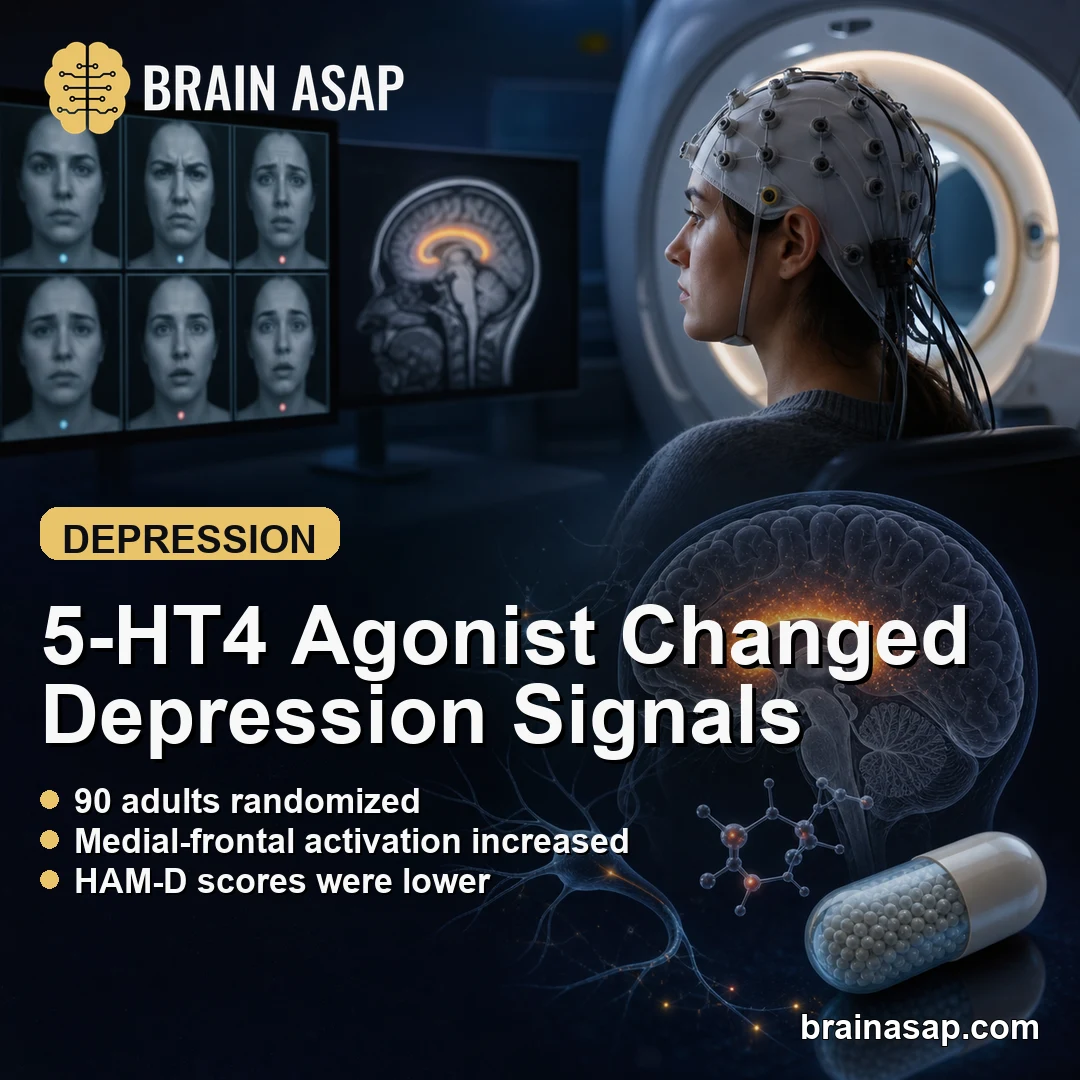
TL;DR: A 2026 randomized study in The British Journal of Psychiatry found that the experimental 5-HT4 receptor agonist PF-04995274 did not mimic citalopram’s early emotional-bias effects in unmedicated depression, but it was linked with lower depression rating…
Read article ↗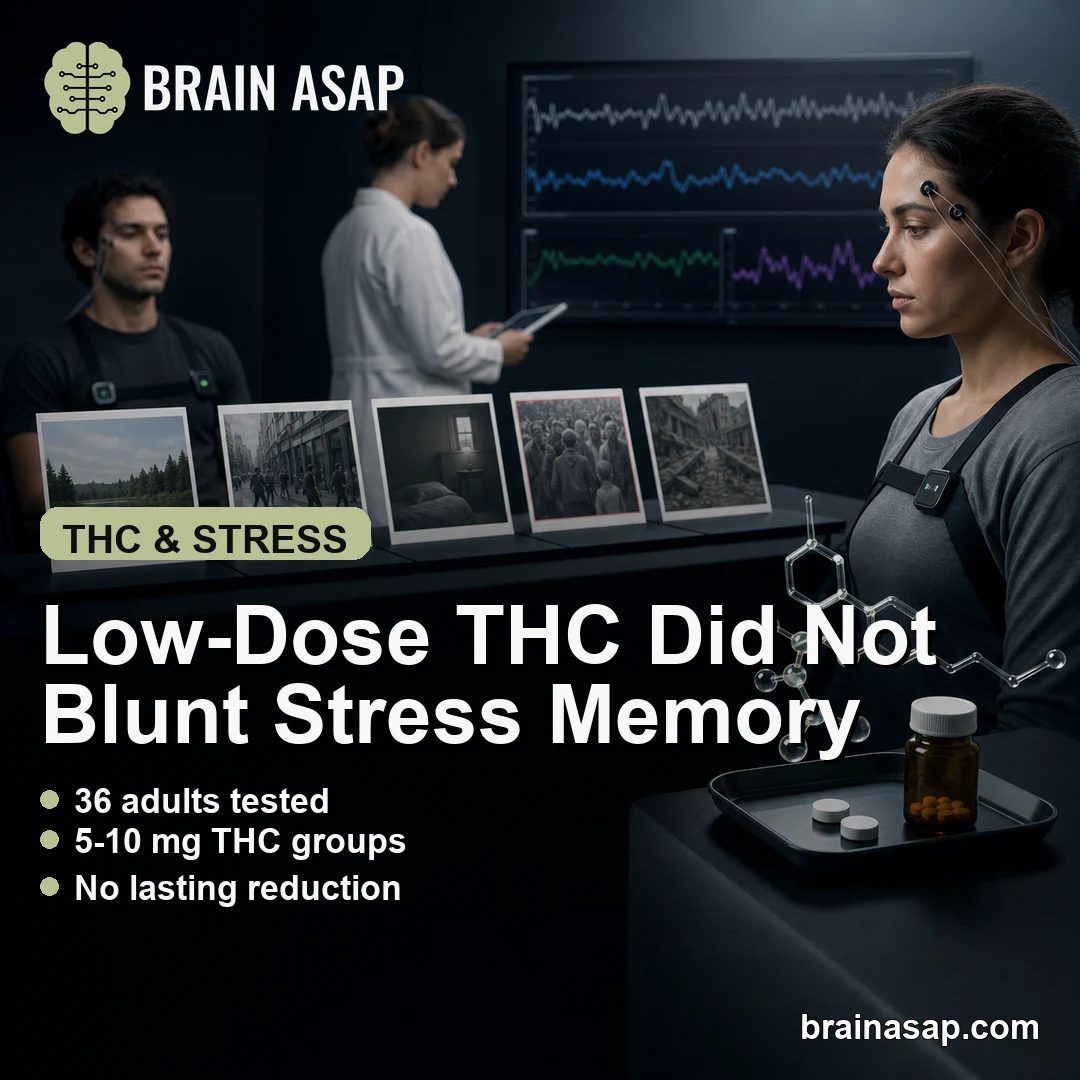
TL;DR: A 2026 study in Psychopharmacology found that low oral THC doses did not meaningfully reduce most subjective or physiological responses when healthy adults retrieved memories of a prior social stress task. Key Findings Low-dose THC groups: Participants…
Read article ↗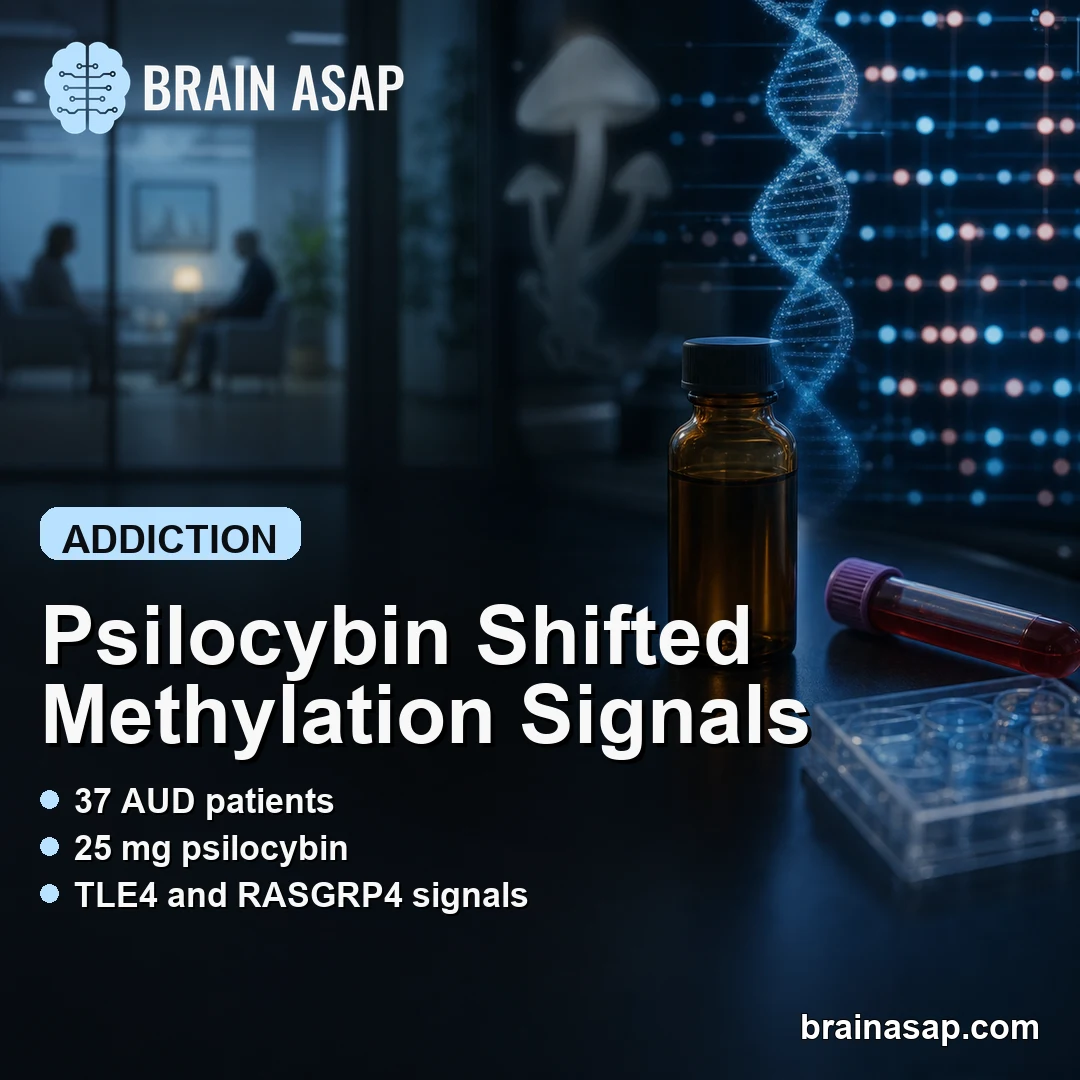
TL;DR: A 2026 exploratory study in Translational Psychiatry found blood DNA methylation changes after 25 mg psilocybin in detoxified alcohol use disorder patients, including findings near TLE4 and RASGRP4, but the small trial did not establish a definitive AUD…
Read article ↗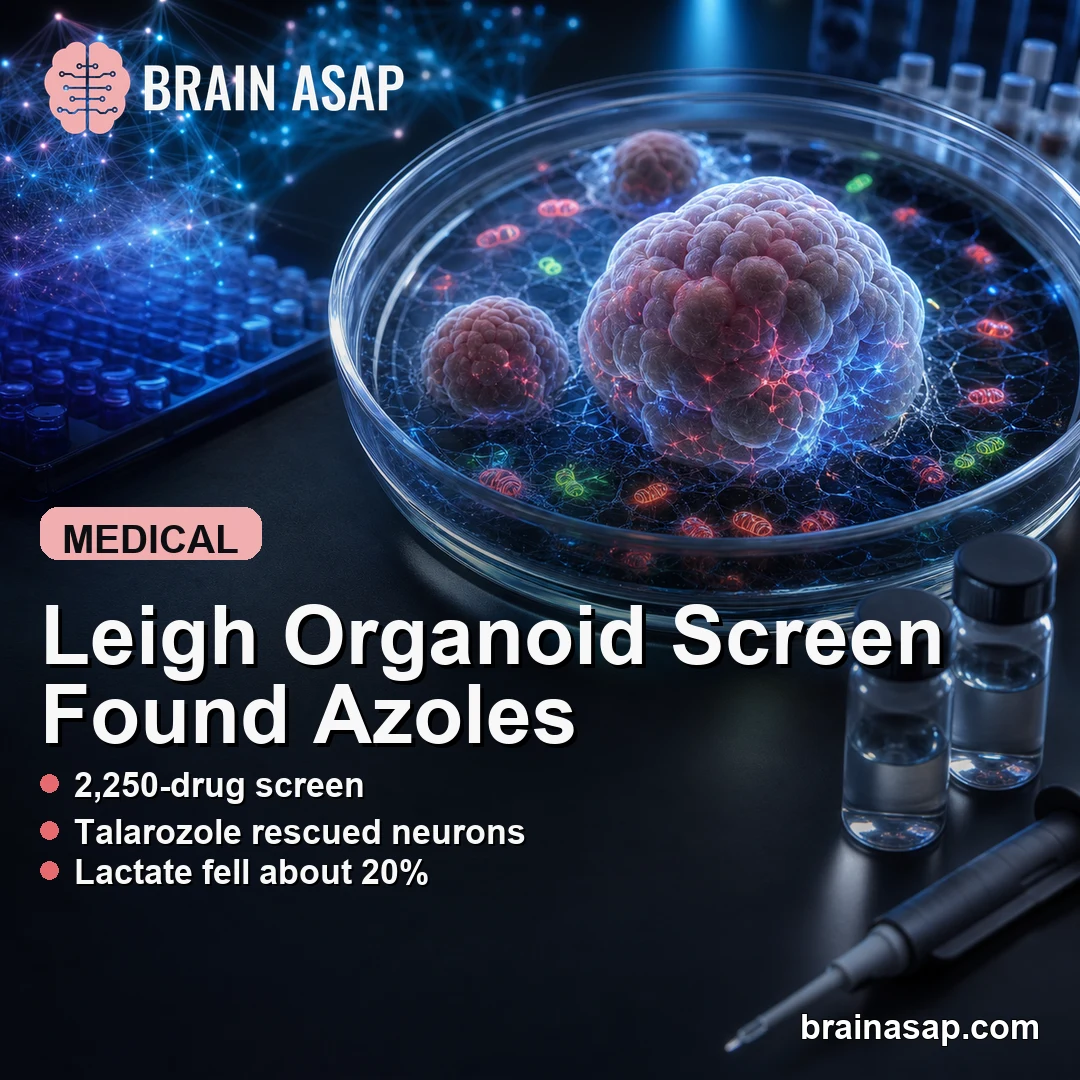
TL;DR: A 2026 study in Nature Communications used deep learning, yeast screening, and human brain organoids to identify talarozole and sertaconazole as preclinical candidates that rescued several SURF1-related Leigh syndrome cell and organoid phenotypes. Key F…
Read article ↗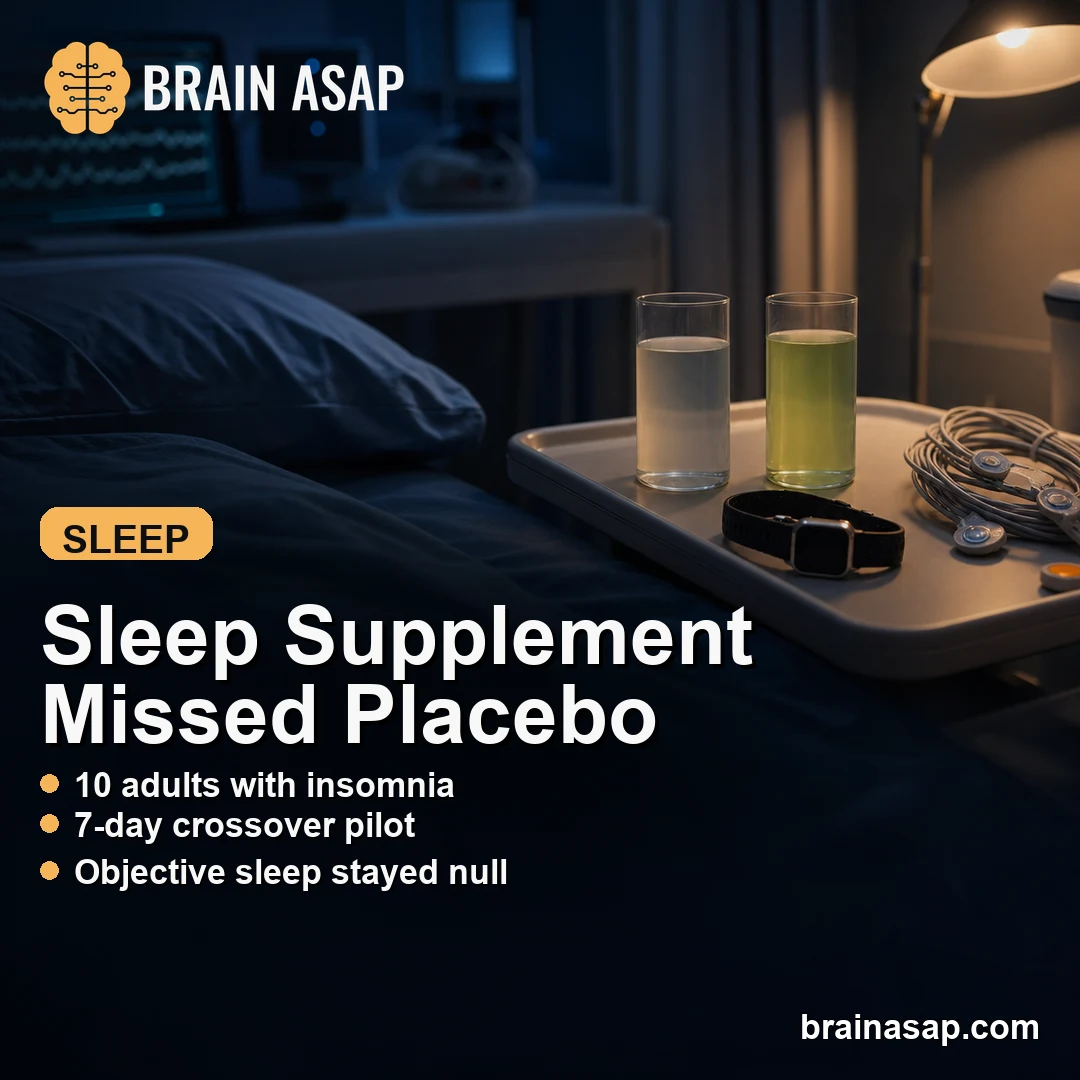
TL;DR: A 2026 pilot trial in PLOS One found that a 7-day chicory-and-green-tea herbal supplement did not improve sleep, quality of life, or objective sleep architecture more than placebo in adults with insomnia. Key Findings Small crossover pilot: The crossove…
Read article ↗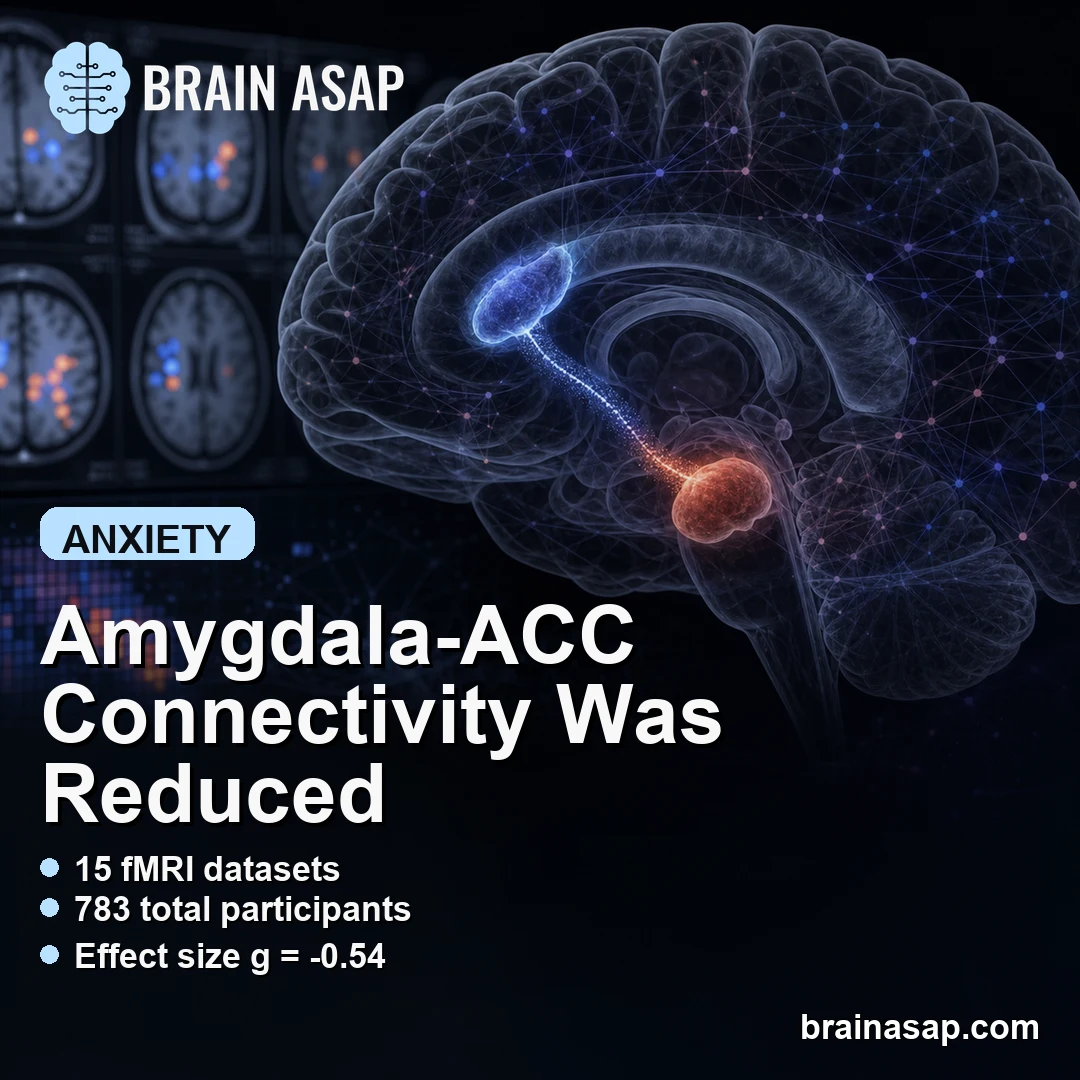
TL;DR: A 2026 meta-analysis in Psychological Medicine found that reduced resting-state connectivity between the amygdala and anterior cingulate cortex was the most robust brain-network difference in anxiety disorders. Key Findings 15 datasets: The meta-analysi…
Read article ↗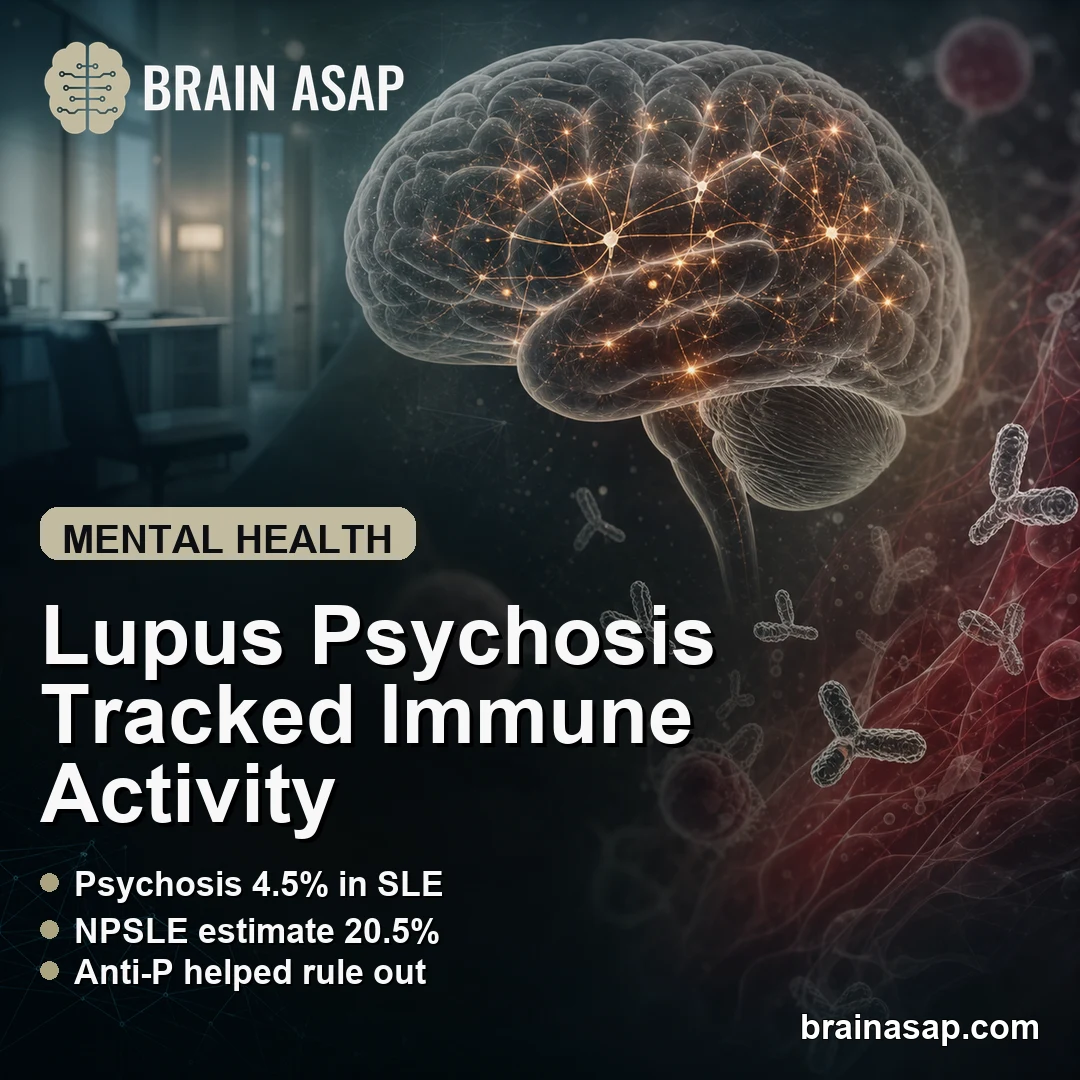
TL;DR: A 2026 systematic review and meta-analysis in Lupus found that psychosis affected about 4.5% of adults with systemic lupus erythematosus (SLE), was more common in neuropsychiatric SLE, and tracked most strongly with active immune disease markers rather…
Read article ↗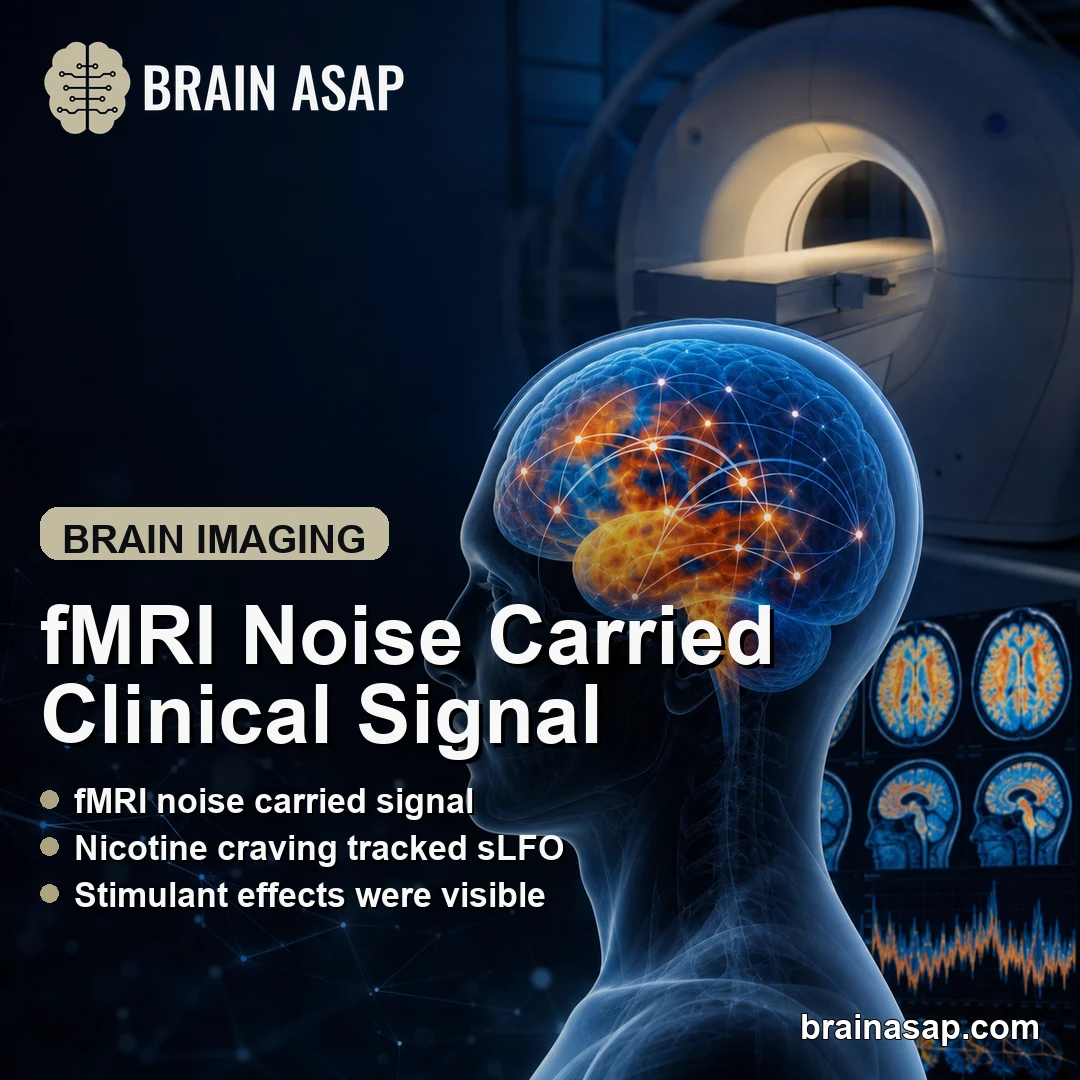
TL;DR: A 2026 study in Biological Psychiatry: Global Open Science found that systemic low-frequency oscillation (sLFO), a slow whole-body physiology readout usually treated as functional MRI noise, tracked nicotine dependence, cue-induced craving, abstinence,…
Read article ↗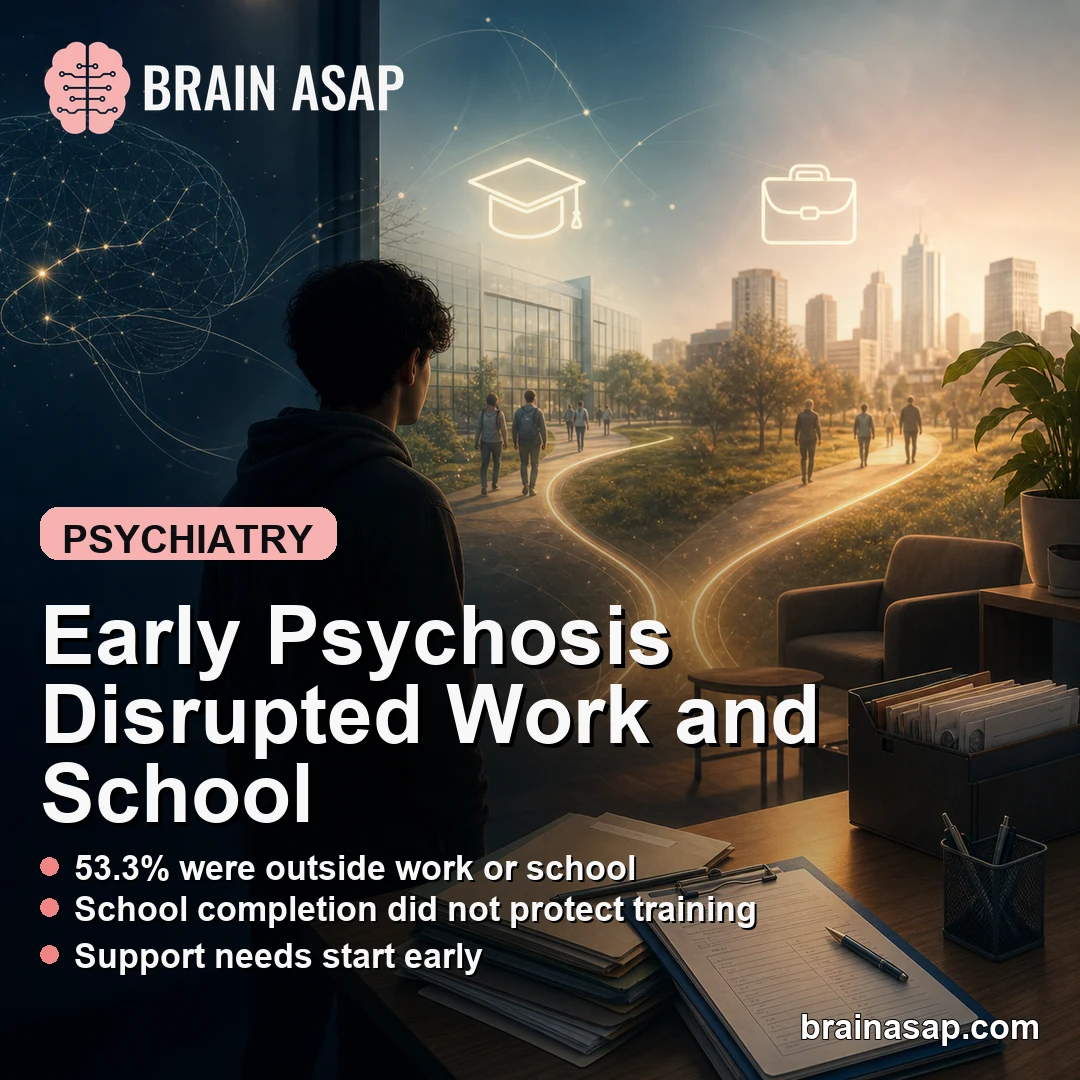
TL;DR: A 2026 study in European Archives of Psychiatry and Clinical Neuroscience found that more than half of 184 young adults entering an early-psychosis supported employment and education trial were not in work, school, or training, even though nearly all ha…
Read article ↗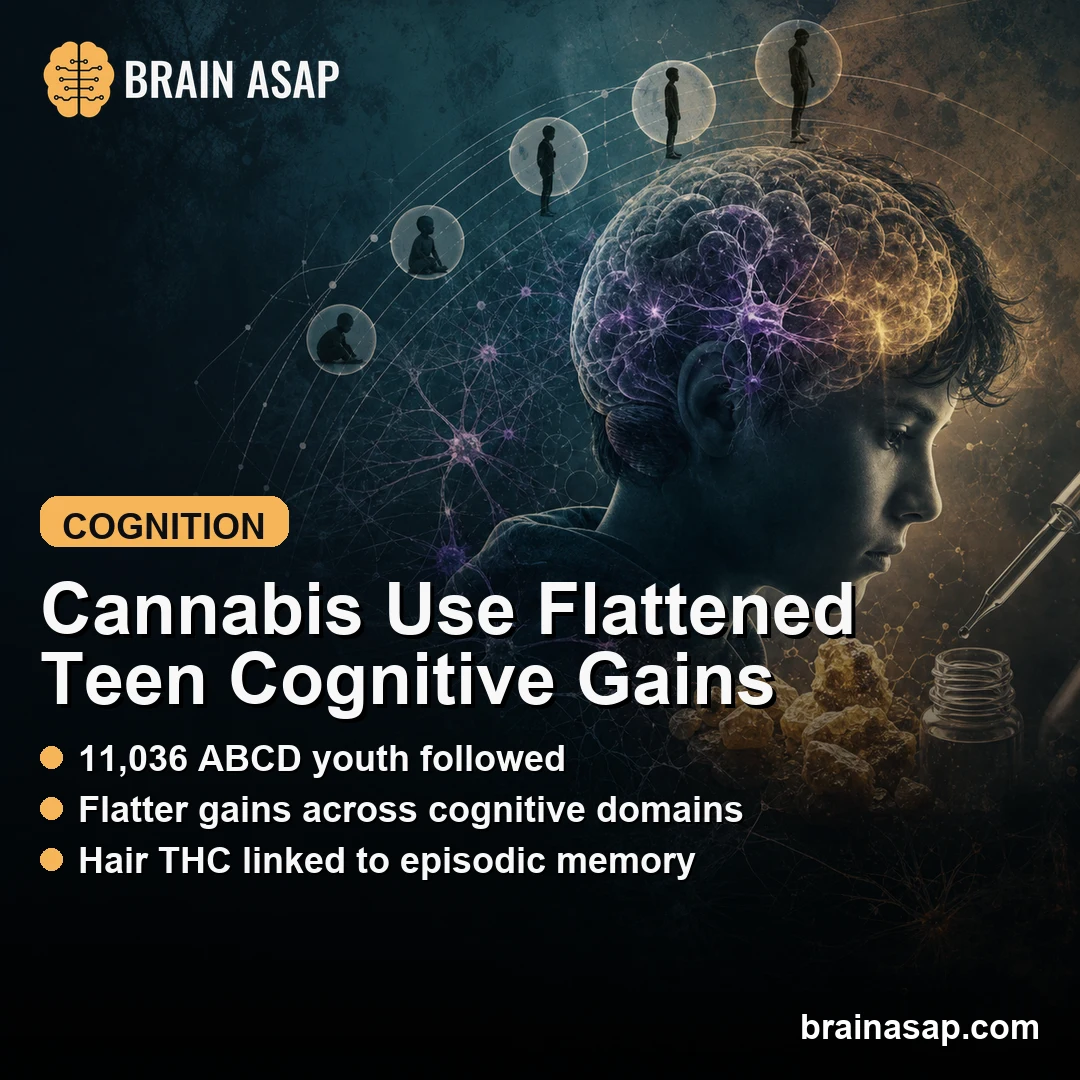
TL;DR: A 2026 Neuropsychopharmacology study of 11,036 ABCD participants found youth who initiated cannabis use showed flatter cognitive-development trajectories from ages 9 to 17, with hair-detected THC linked to worse episodic-memory change. Key Findings 11,0…
Read article ↗