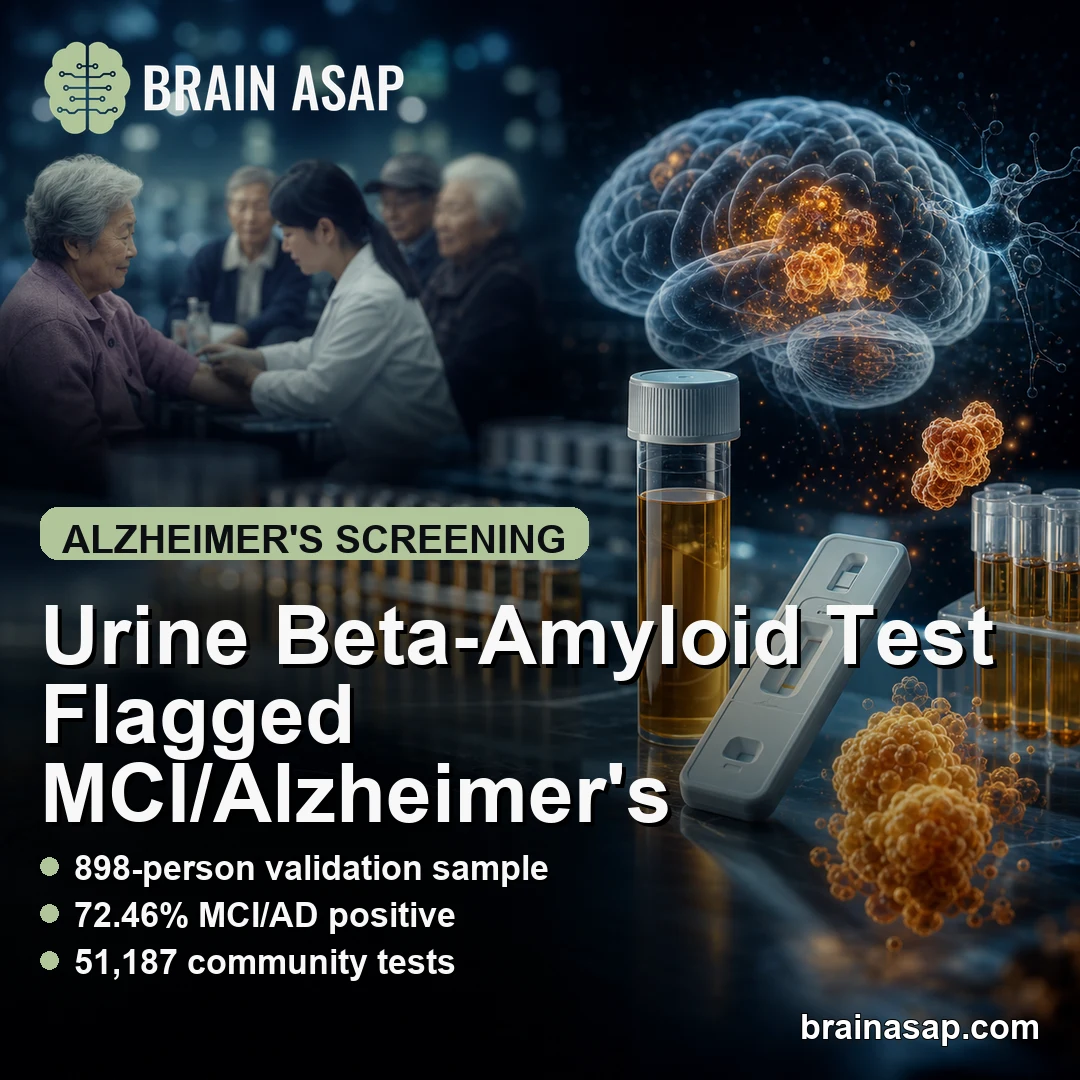
TL;DR: A 2026 preprint in medRxiv reported that a urine beta-amyloid protein test kit separated mild cognitive impairment or Alzheimer’s disease from healthy controls in a multicenter Chinese sample, while a 51,187-person community screen showed age-related po…
Read article ↗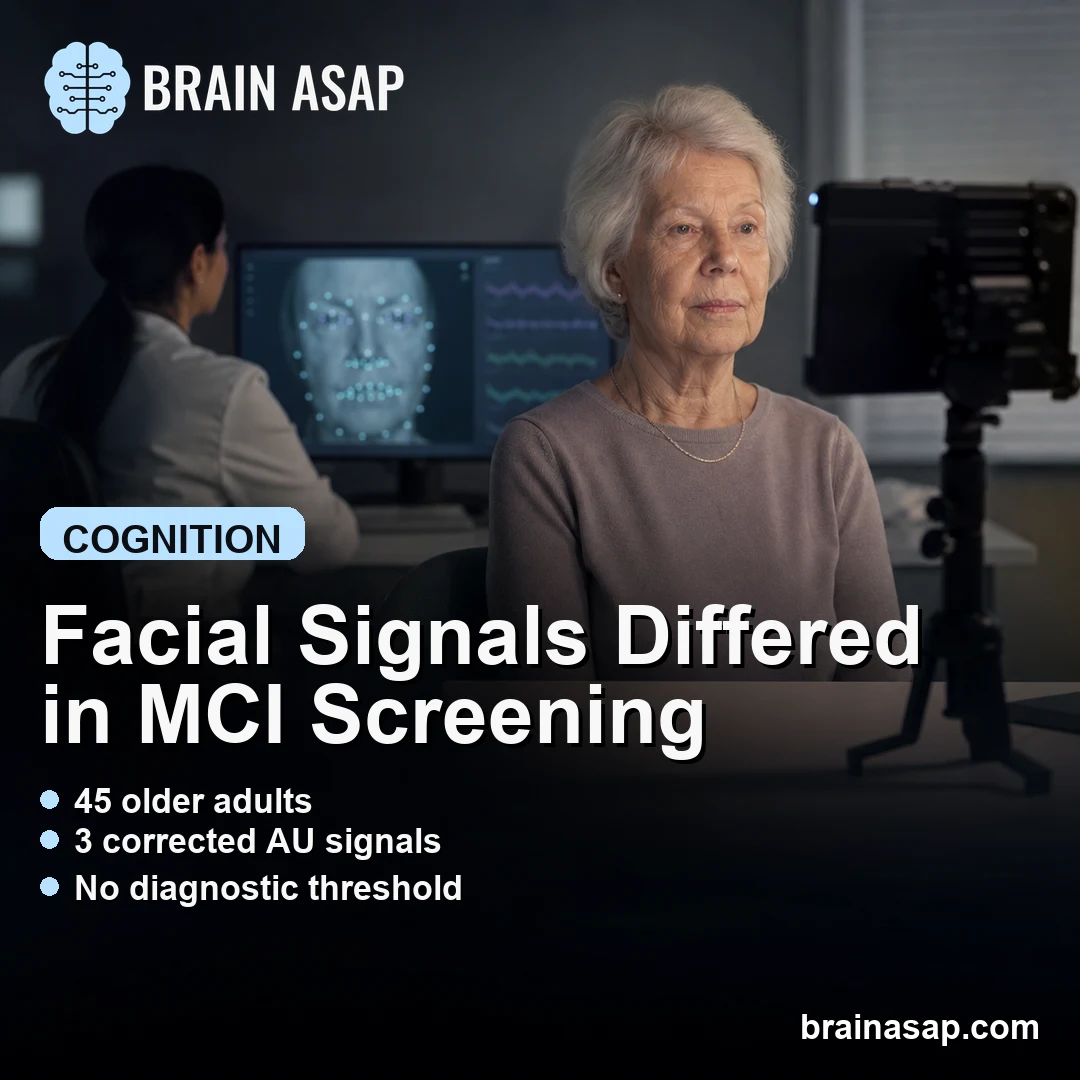
TL;DR: A 2026 preprint on medRxiv found that older adults with mild-cognitive-impairment-level scores showed different resting facial action patterns than healthy controls, especially upper lip raiser, lip tightener, and lip suck measures. Key Findings MCI-lev…
Read article ↗
TL;DR: A 2026 narrative review in Neurological Research and Practice argued that Parkinson’s prevention is most actionable through physical activity, Mediterranean-style diet patterns, toxin reduction, earlier prodromal detection, and better rehabilitation aft…
Read article ↗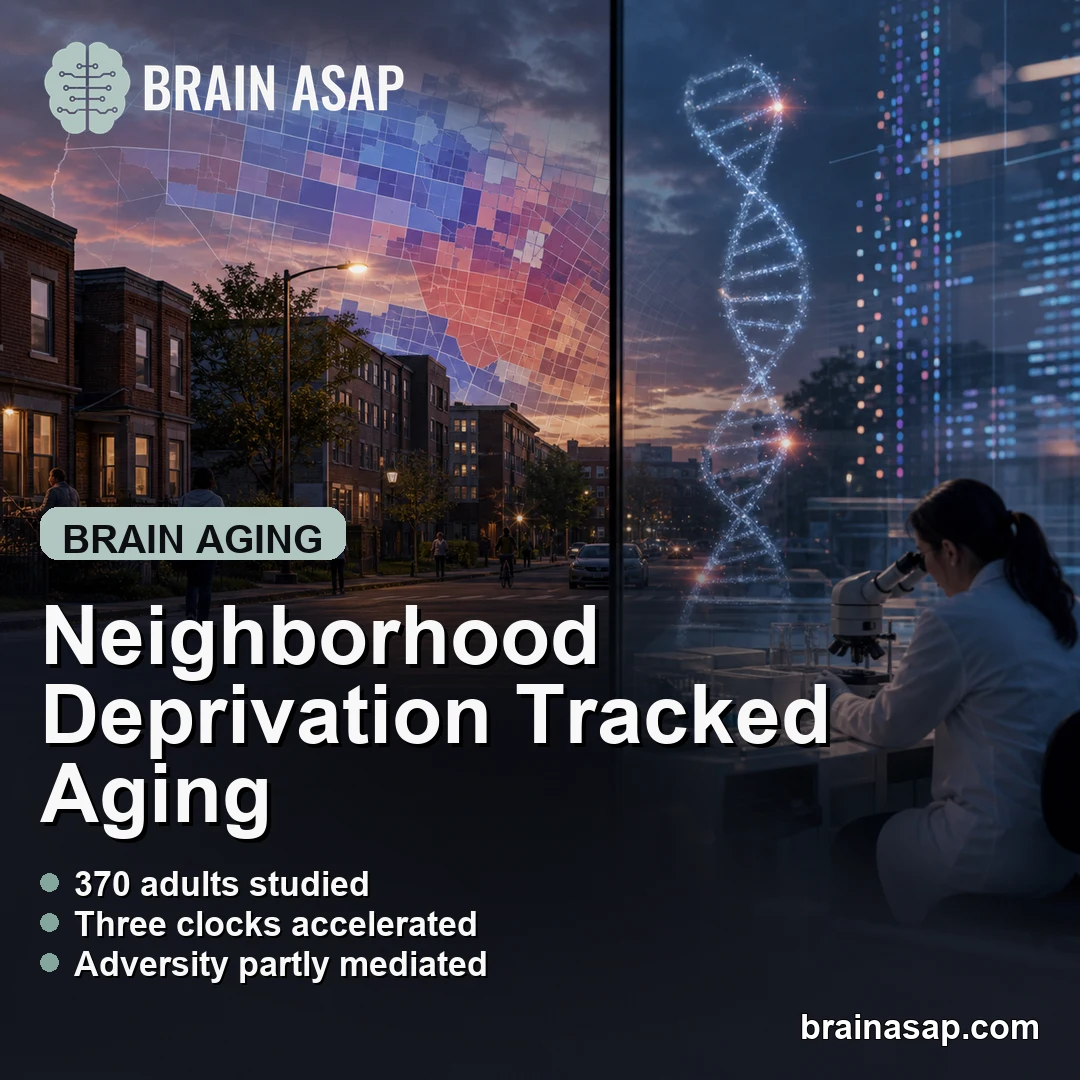
TL;DR: A 2026 preprint in medRxiv linked higher neighborhood deprivation to faster DNA-methylation aging in 370 healthy adults, with lifetime adversity explaining part of the association and stronger direct effects among Black participants. Key Findings Yale s…
Read article ↗
TL;DR: A 2025 human proteomics study in Molecular Metabolism found that about 10 days of medically supervised water-only fasting caused weight loss and lower circulating amyloid beta proteins, but also increased inflammatory and platelet-activation markers. Ke…
Read article ↗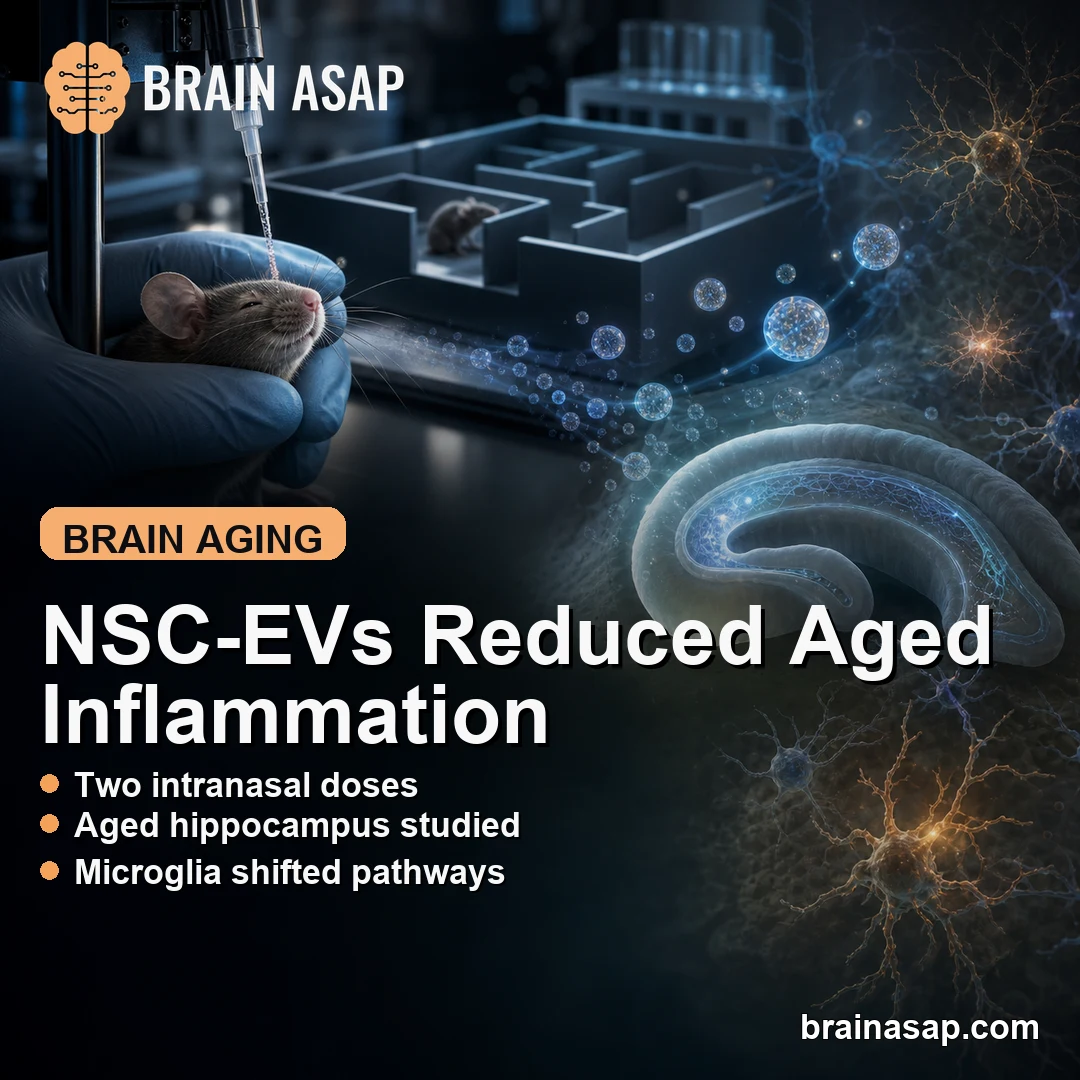
TL;DR: A 2026 mouse study in Journal of Extracellular Vesicles found that two intranasal doses of hiPSC-NSC-EVs reduced inflammatory pathway markers in the aged hippocampus and were associated with better memory performance. Key Findings Two-dose nasal treatme…
Read article ↗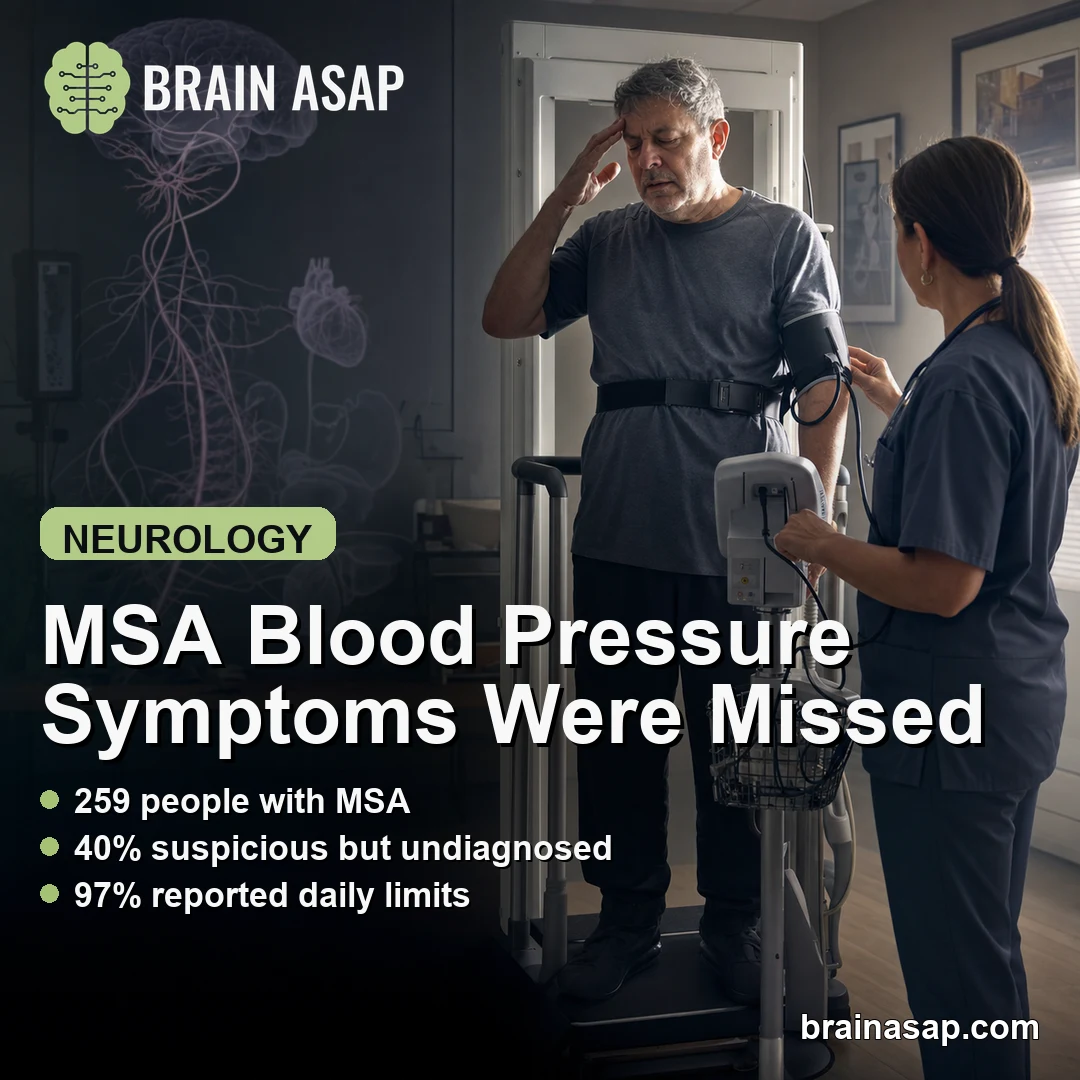
TL;DR: A 2026 preprint in medRxiv surveyed people with multiple system atrophy and found that neurogenic orthostatic hypotension was often underdiagnosed, rarely fully controlled, and strongly tied to daily function and caregiver burden. Key Findings 259 MSA r…
Read article ↗
TL;DR: A 2026 preprint in medRxiv found that the ADAS-Cog-13 cognitive scale detected impairment in older adults with focal epilepsy, but a cutoff of 15 had only modest diagnostic accuracy against an epilepsy-specific neuropsychological standard. Key Findings…
Read article ↗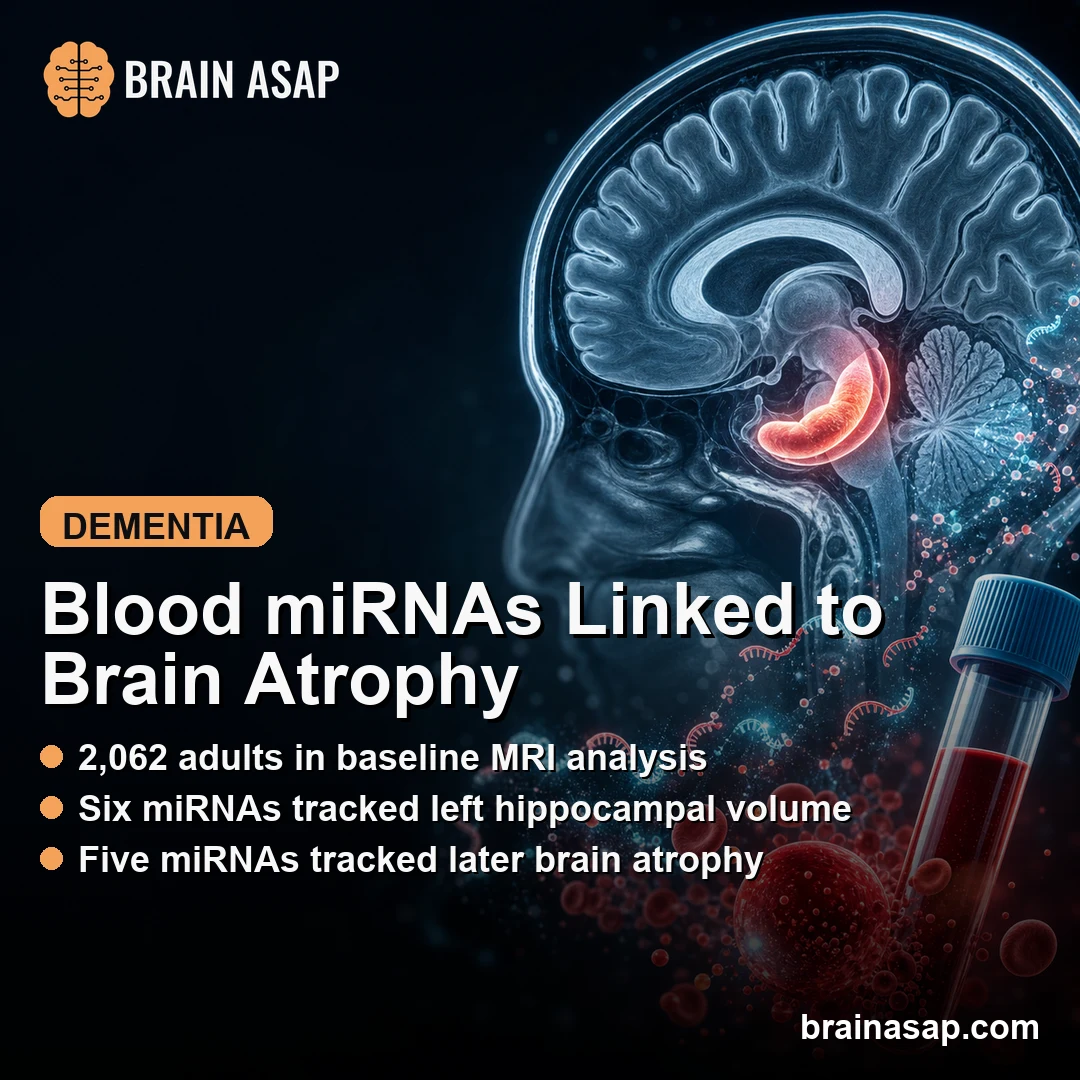
TL;DR: A 2026 Molecular Psychiatry study linked blood-derived microRNAs, short RNA regulators that help control gene expression, to left hippocampal volume and later brain atrophy in adults from the Rhineland Study. Key Findings Baseline MRI cohort: Researcher…
Read article ↗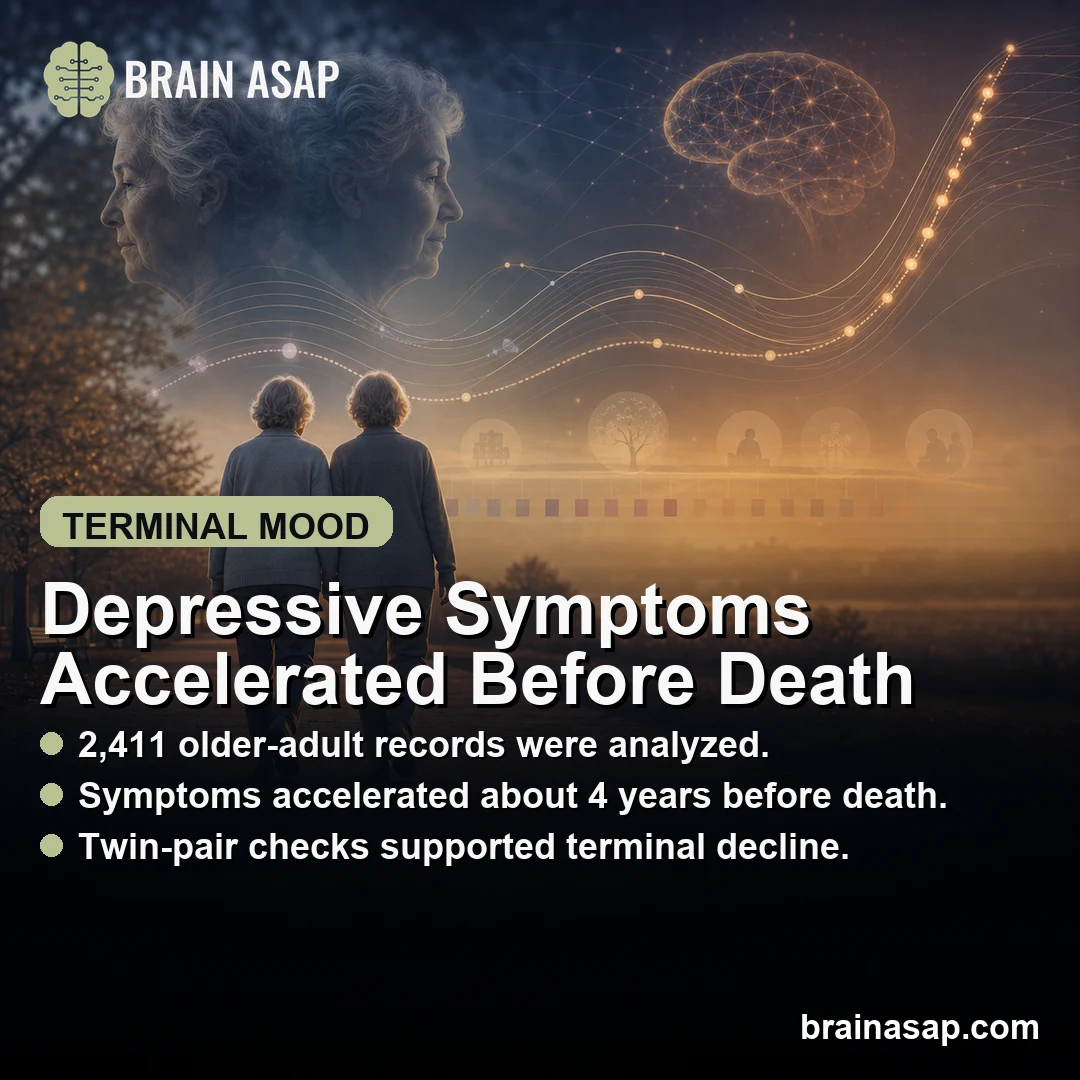
TL;DR: A 2025 study in Psychological Science found that depressive symptoms accelerated about 4 years before death in a multinational twin consortium, suggesting that late-life mood worsening can partly reflect terminal decline rather than chronological age al…
Read article ↗