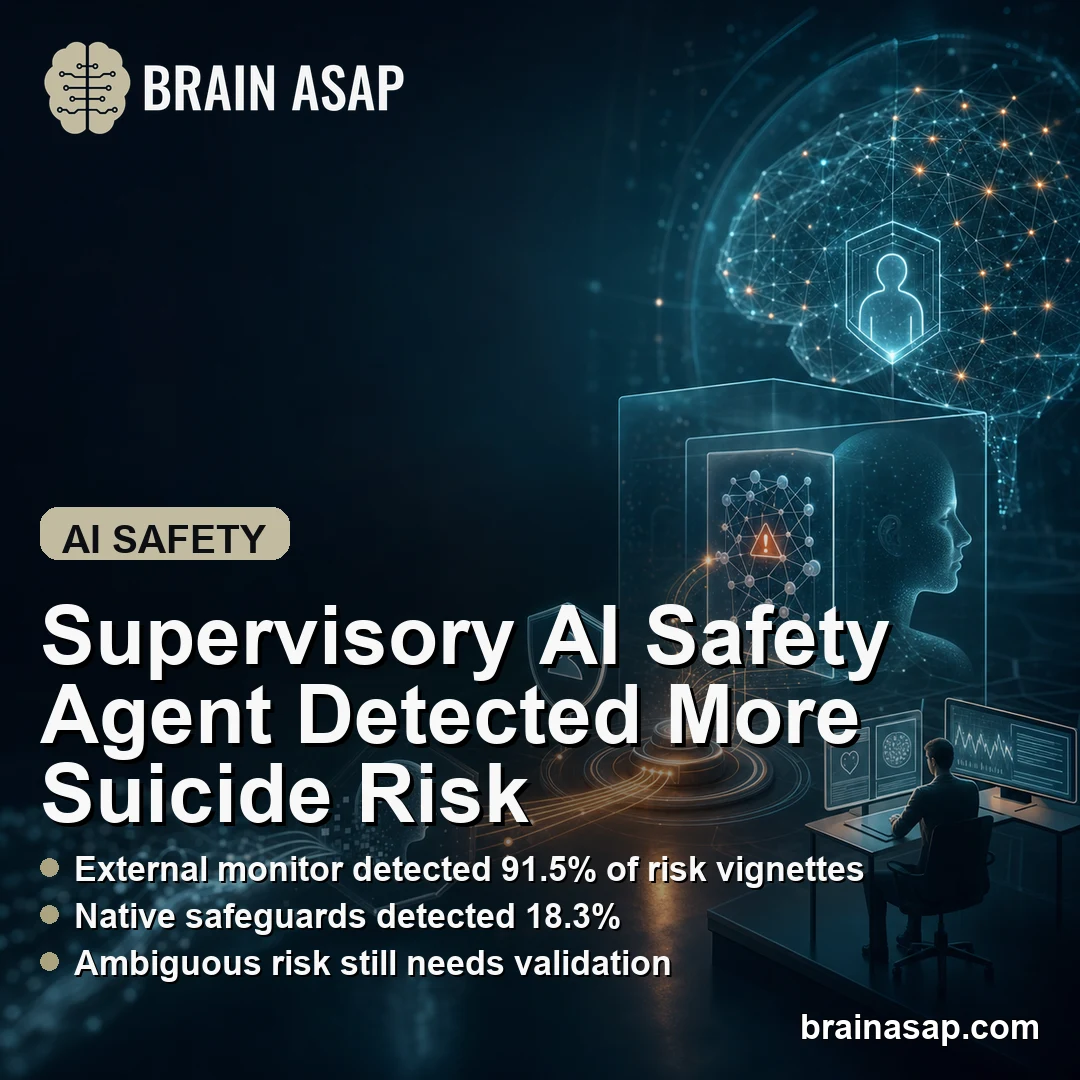
TL;DR: A 2026 preprint on medRxiv tested suicide-risk vignettes and found that an independent supervisory safety agent detected intervention-level risk far more often than native ChatGPT Health safeguards. Key Findings 224 paired evaluations: Researchers teste…
Read article ↗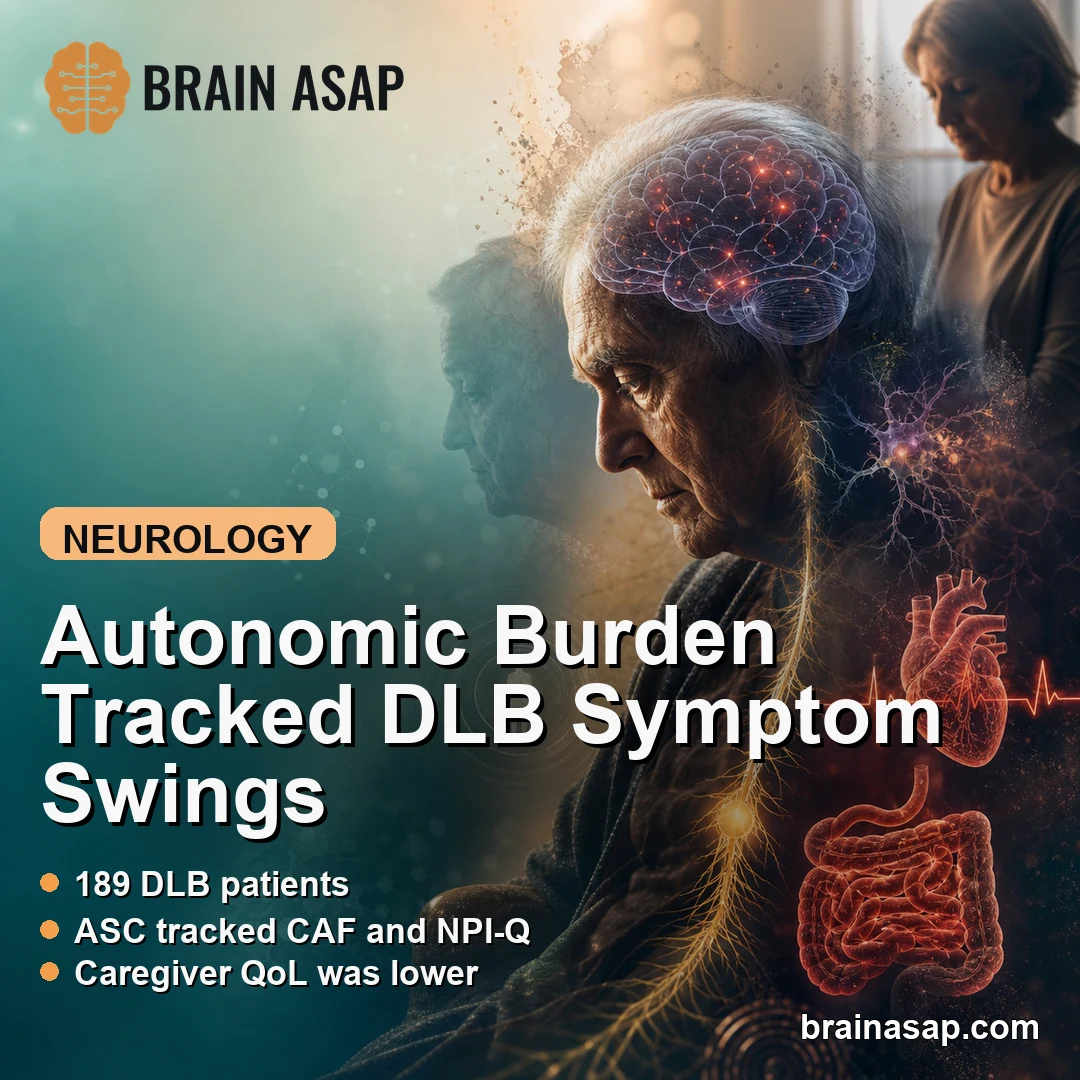
TL;DR: A 2026 study in Neurology found that higher autonomic symptom burden in moderate-advanced dementia with Lewy bodies was linked to worse cognitive fluctuations, higher neuropsychiatric burden, and lower caregiver quality of life over time. Key Findings A…
Read article ↗
TL;DR: A longitudinal study in BMC Public Health followed Swedish municipal office workers before and after hybrid work became routine and found improved psychosocial work-experience scores, especially for time pressure, autonomy, leadership access, and women…
Read article ↗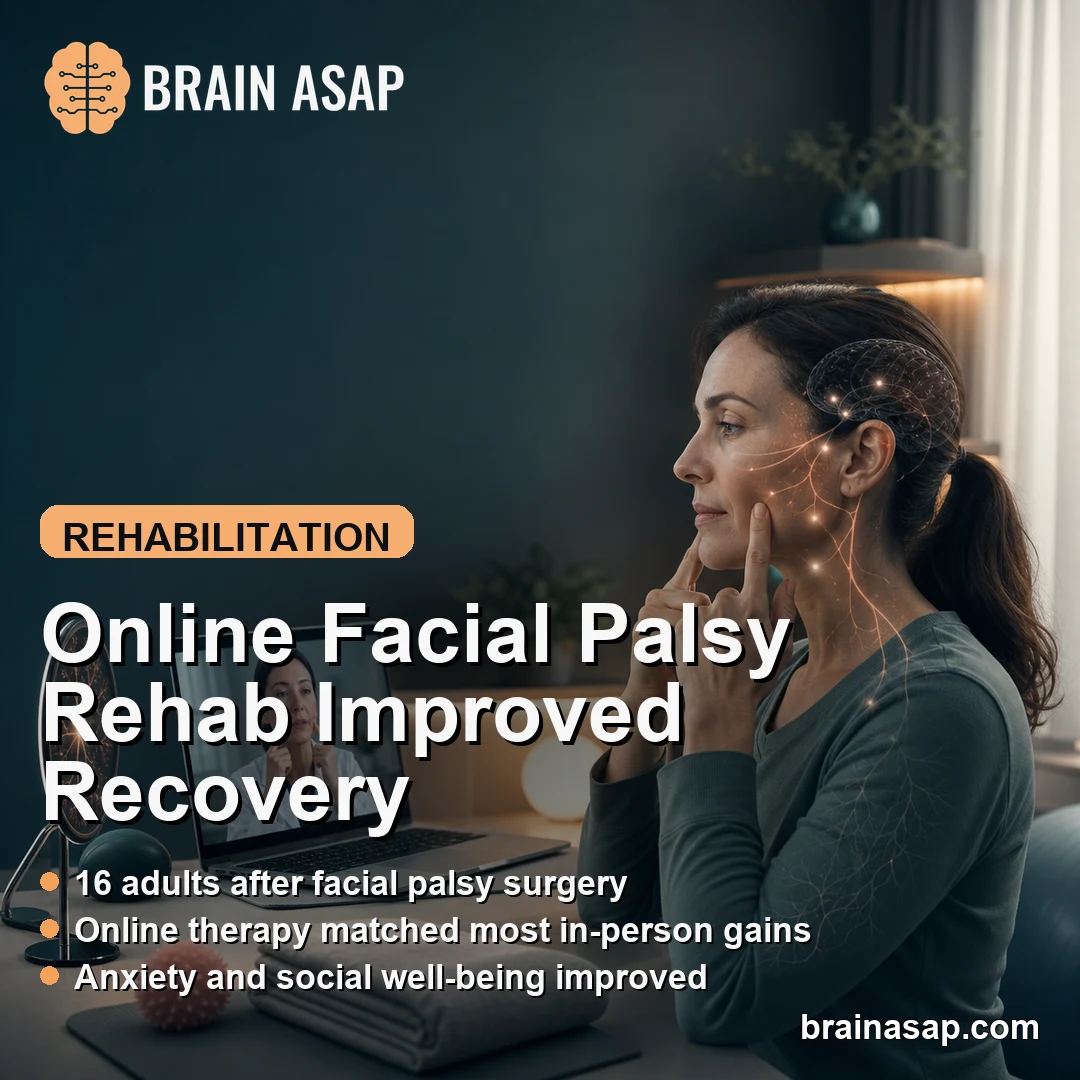
TL;DR: A pilot cohort study in JMIR Rehabilitation and Assistive Technologies found that online emotional training after facial palsy surgery improved facial movement, social well-being, and anxiety about as much as in-person therapy in 16 adults. Key Findings…
Read article ↗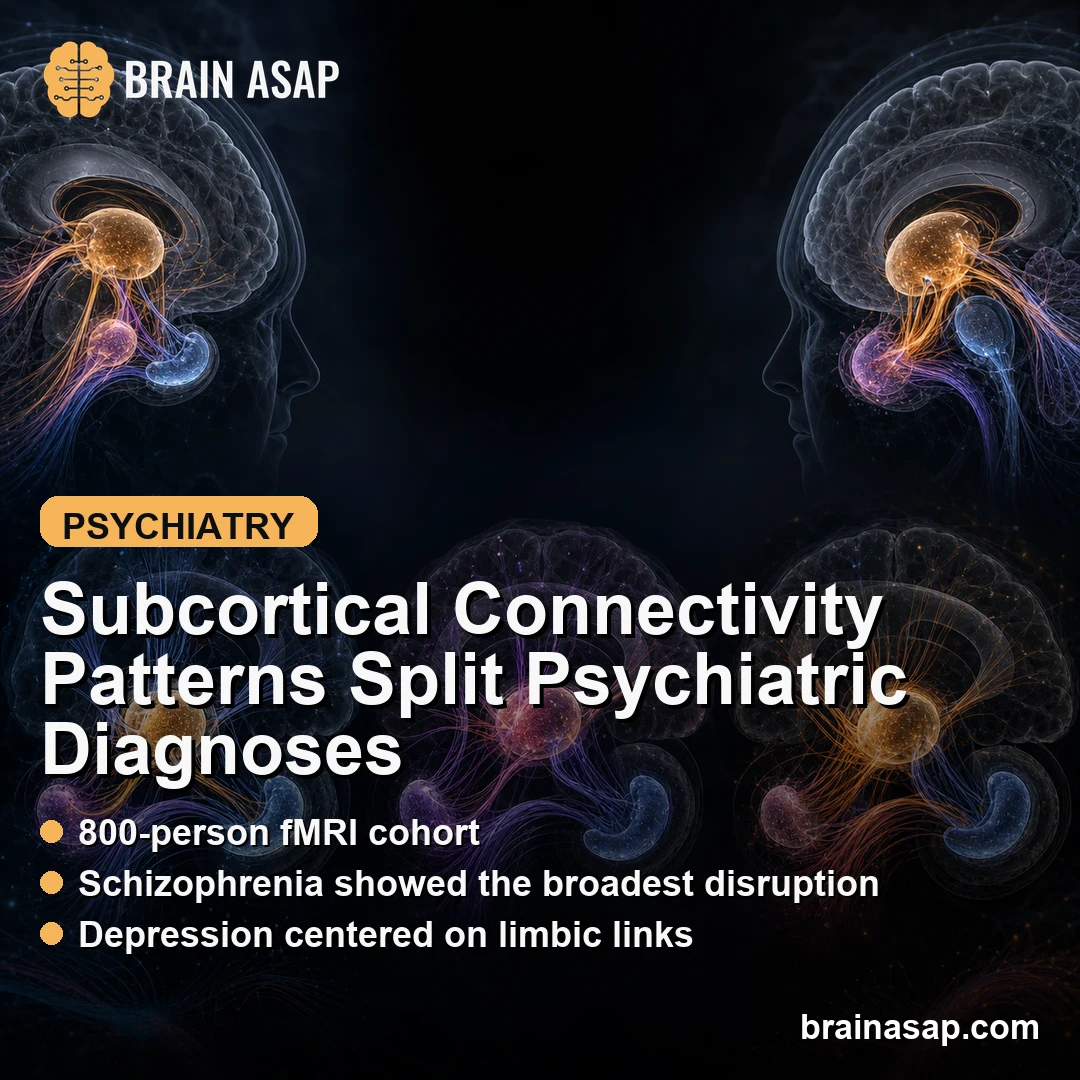
TL;DR: A 2026 functional MRI (fMRI) study in Psychological Medicine found that schizophrenia, bipolar disorder, and major depressive disorder shared some thalamus connectivity disruption, but each diagnosis showed a different subcortical network pattern across…
Read article ↗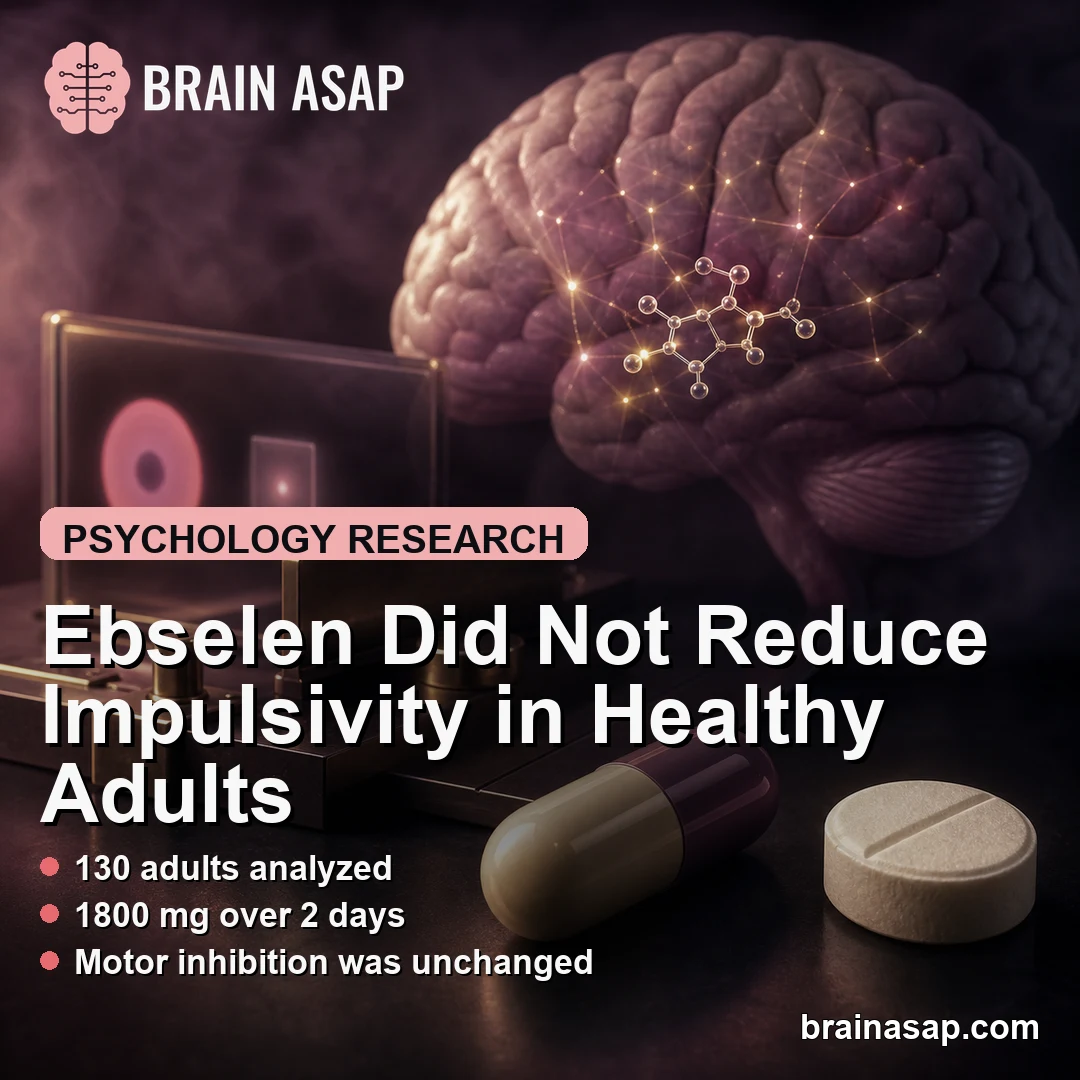
TL;DR: A 2026 placebo-controlled study in Human Psychopharmacology: Clinical and Experimental found that ebselen did not meaningfully reduce motor impulsivity, reflection impulsivity, delay discounting, or emotion-recognition outcomes in 130 healthy adults. Ke…
Read article ↗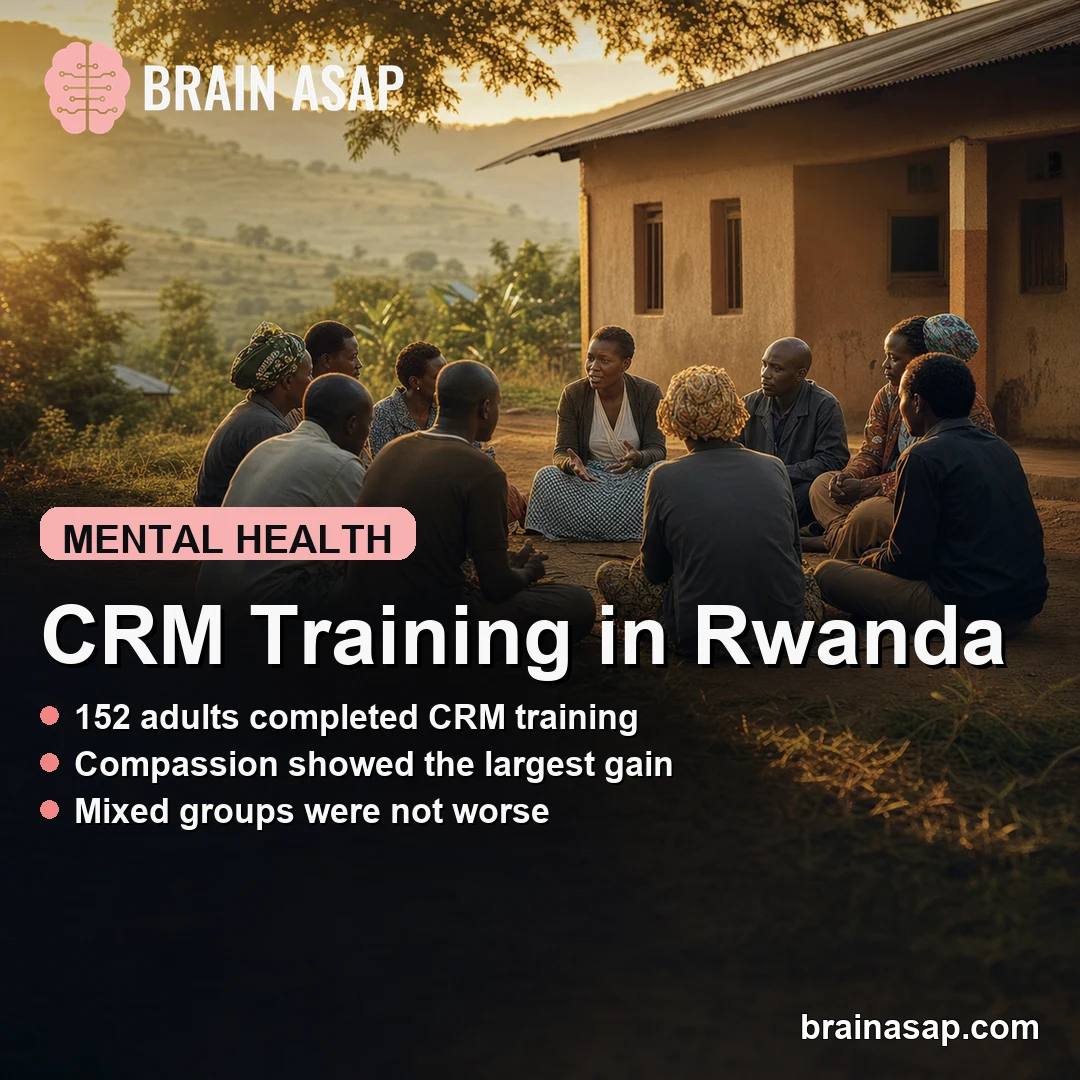
TL;DR: A 2026 study in European Journal of Psychotraumatology found that 3 days of Community Resiliency Model (CRM) training, a body-based trauma-regulation skills program, improved compassion, social cohesion, forgiveness, and resilience among 152 Rwandan gen…
Read article ↗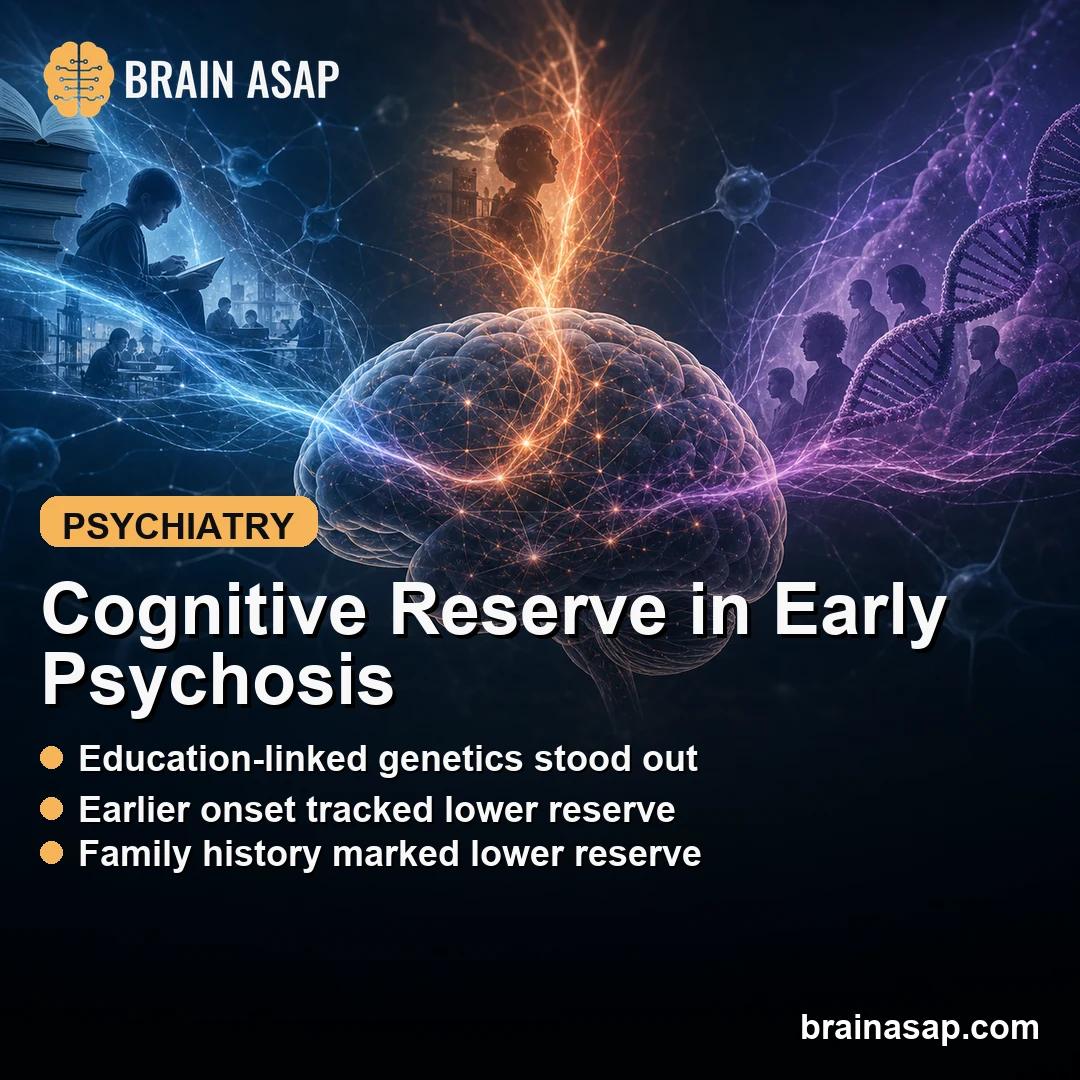
TL;DR: A 2026 study in Psychological Medicine found that cognitive reserve in non-affective first-episode psychosis was higher with greater genetic predisposition to educational attainment and lower with earlier psychosis onset or family history of psychosis.…
Read article ↗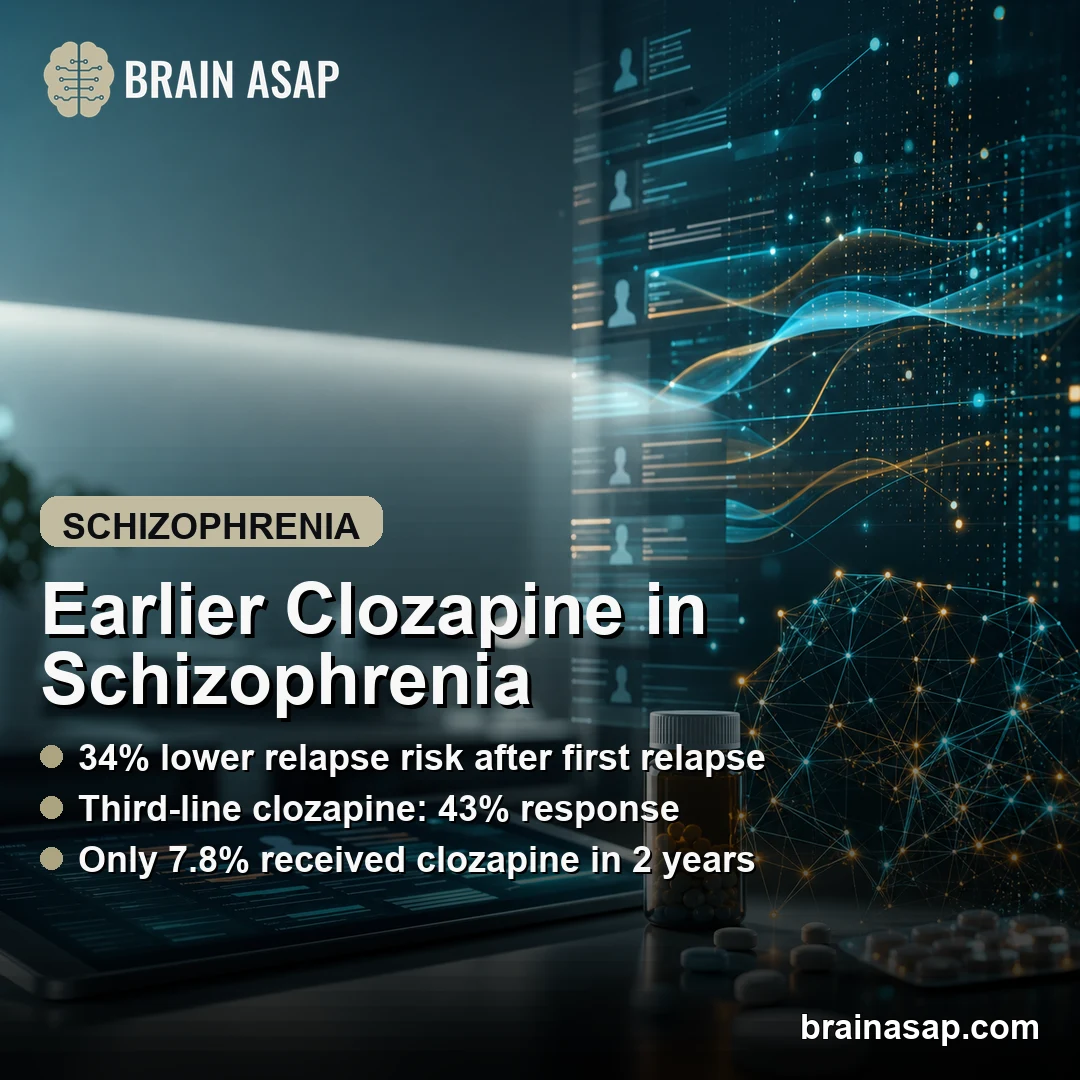
TL;DR: A 2026 review in Current Opinion in Psychiatry found that earlier clozapine use in schizophrenia, especially after early nonresponse or relapse, was linked to better relapse prevention and stronger response rates than repeated nonclozapine antipsychotic…
Read article ↗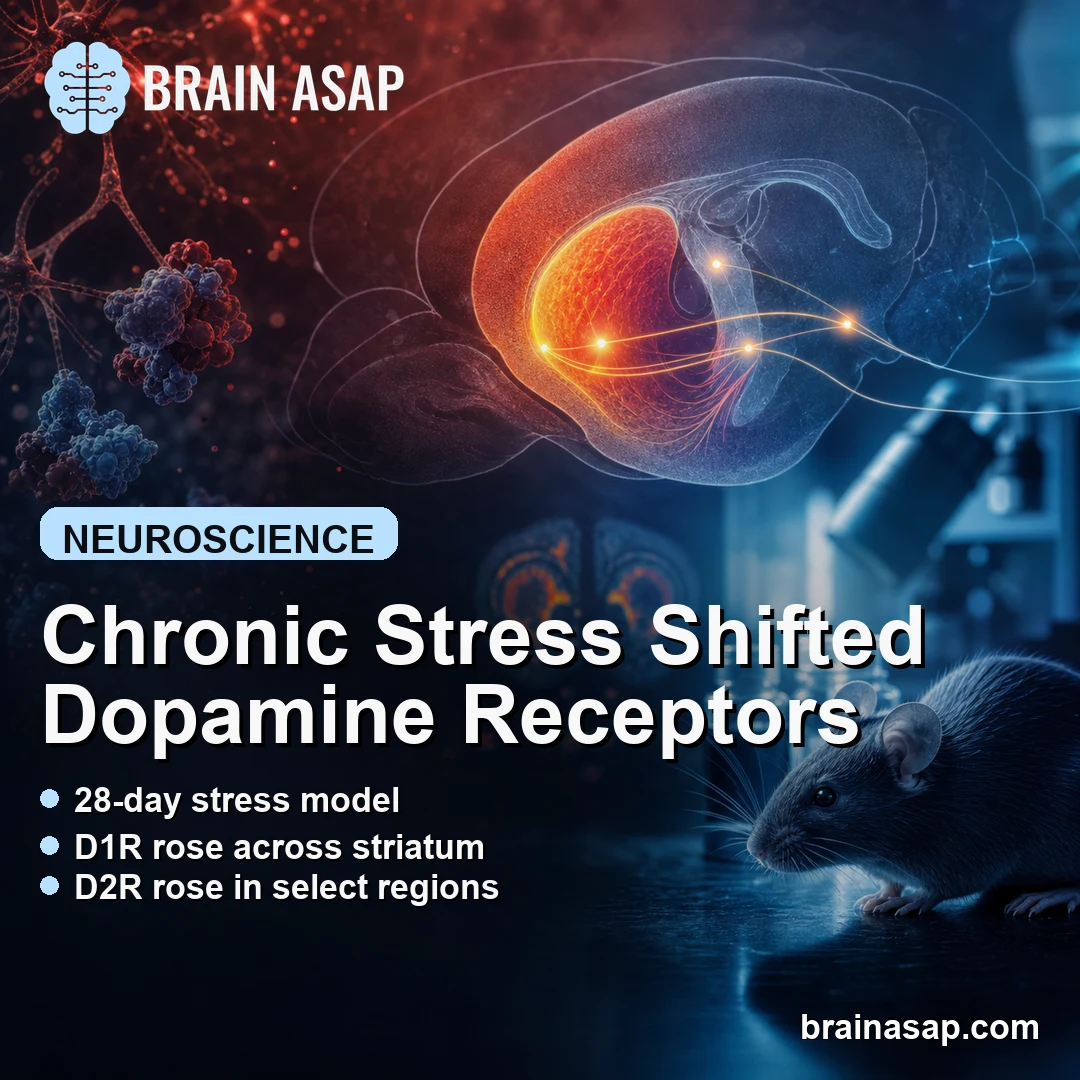
TL;DR: A 2026 mouse study in Neurochemical Research found that 28 days of unpredictable chronic mild stress increased dopamine D1 receptor binding across the striatum and raised dopamine D2 receptor binding only in selected regions, regardless of fatty acid-bi…
Read article ↗