Antipsychotic D2 Blockade May Disturb Pancreatic Insulin Secretion
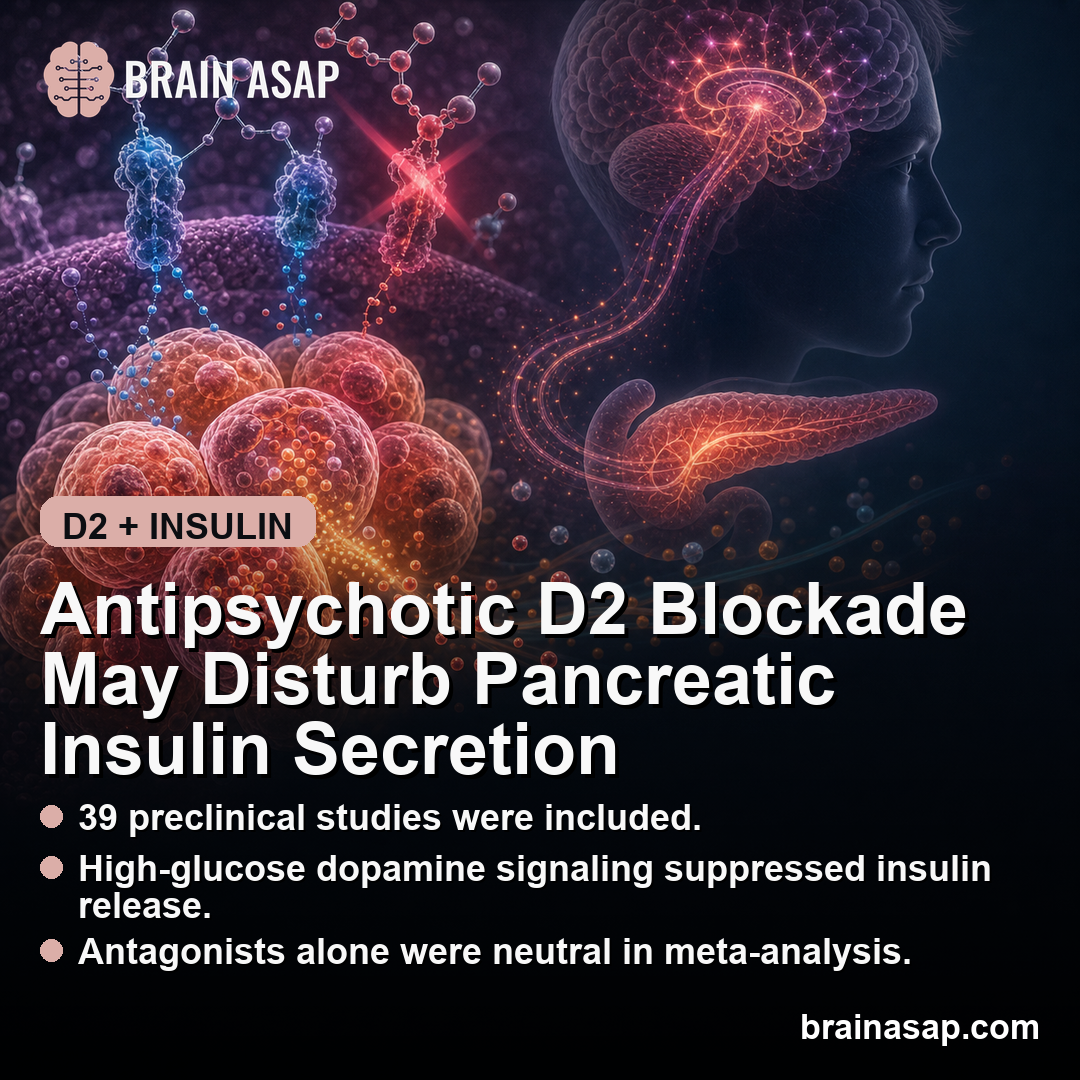
Antipsychotic D2 Blockade May Disturb Pancreatic Insulin Secretion

TL;DR: A 2026 systematic review and meta-analysis in Neuropsychopharmacology found that dopamine D2-like receptor activation suppressed glucose-stimulated insulin secretion (GSIS), insulin release after high glucose, in animal pancreatic cells, suggesting one peripheral route by which antipsychotic dopamine blockade can disturb glucose control beyond weight gain. Key Findings 39 eligible studies: Researchers screened 12,457 citations and …
Read more

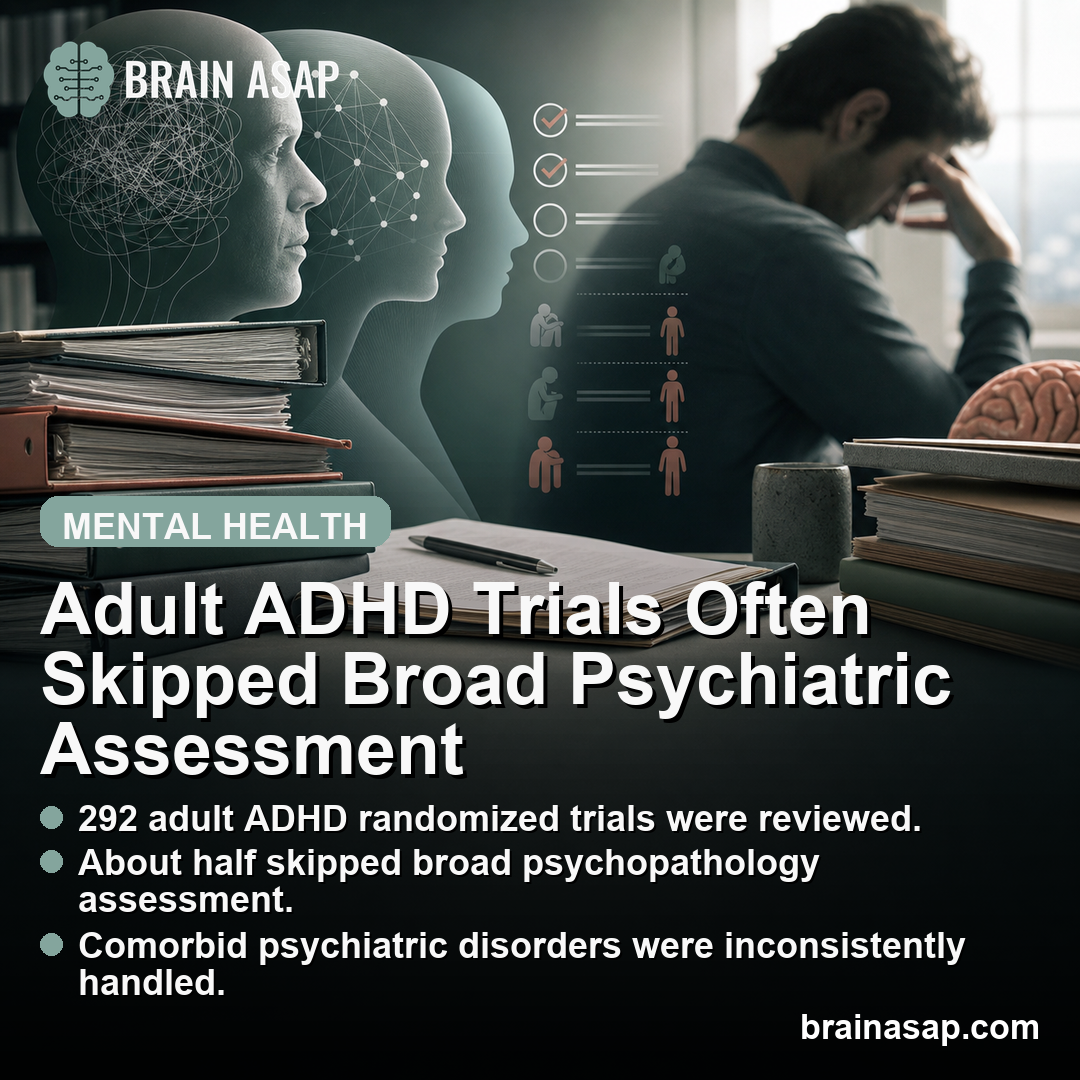
Half of 292 Adult ADHD Randomized Trials Skipped a General Psychopathology Assessment, Scoping Review Found

Half of 292 Adult ADHD Randomized Trials Skipped a General Psychopathology Assessment, Scoping Review Found

TL;DR: A 2025 scoping review in European Psychiatry screened 292 randomized trials of adults diagnosed with attention-deficit/hyperactivity disorder (ADHD) and reported that 49.7% did not assess general psychopathology and only 35% had the ADHD diagnosis allocated by a psychiatrist or psychologist. Key Findings Half of the trials skipped a general psychopathology check: 49.7% of the …

Read more

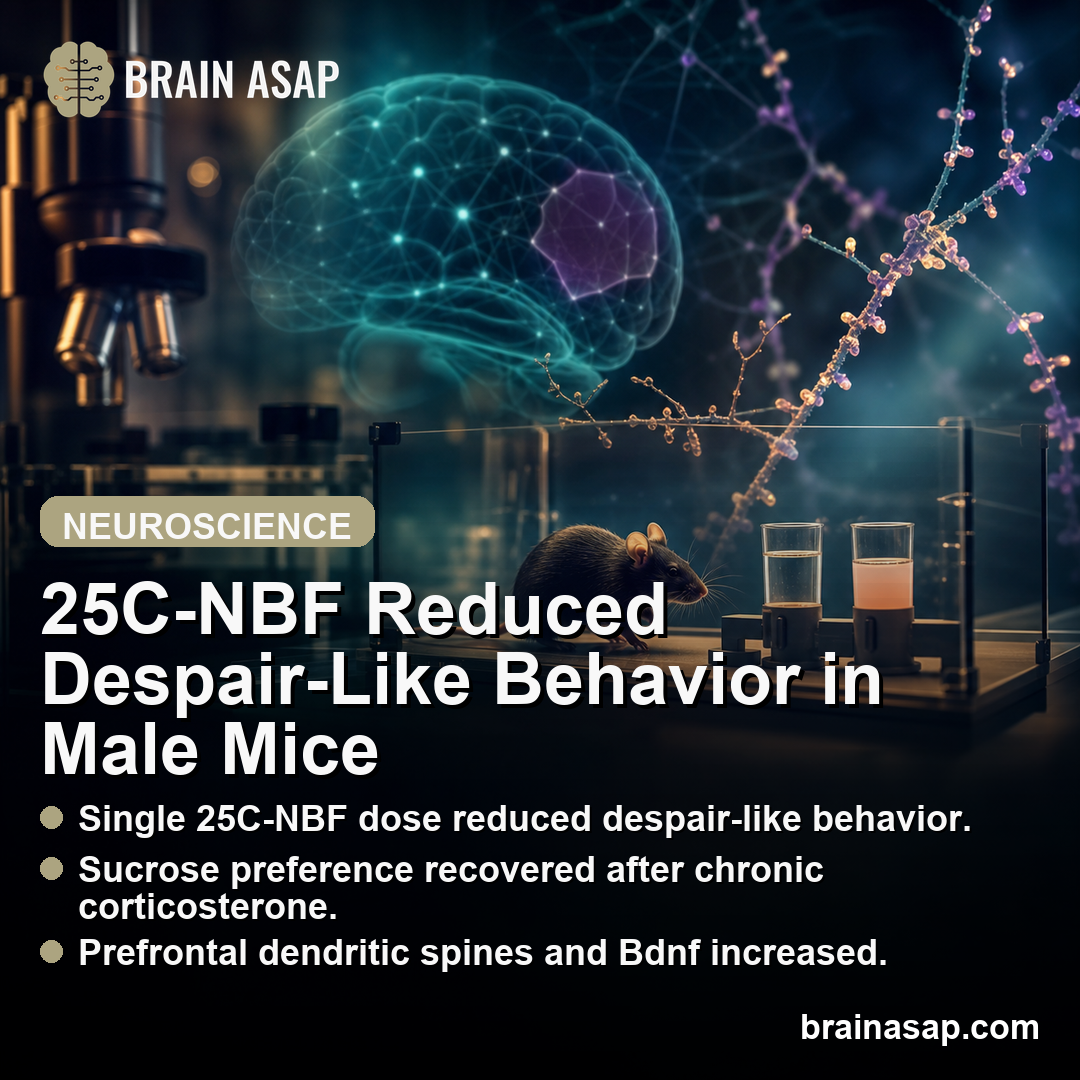
25C-NBF, a Selective 5-HT2A Phenethylamine, Reduced Despair and Restored Sucrose Preference in Male Mice

25C-NBF, a Selective 5-HT2A Phenethylamine, Reduced Despair and Restored Sucrose Preference in Male Mice

TL;DR: A 2026 mouse and rat study in Molecular Psychiatry reported that 25C-NBF, a selective serotonin 2A receptor agonist from the 2C-X phenethylamine series, produced rapid antidepressant-like effects, increased dendritic spines and Bdnf expression in the prefrontal cortex, and showed no rewarding or reinforcing properties at the tested doses. Key Findings Despair behavior fell after …

Read more

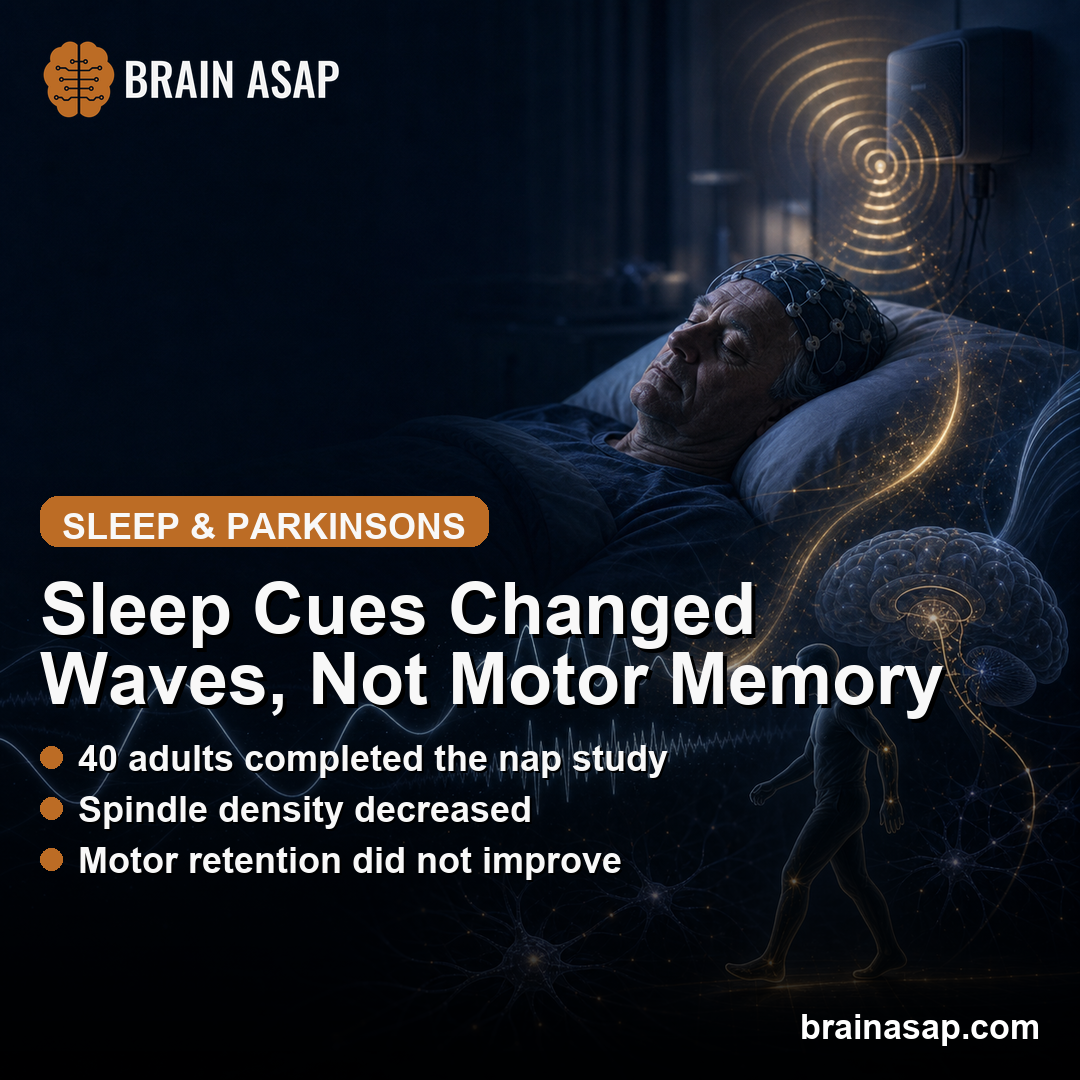
Targeted Memory Reactivation Changed Sleep Waves But Not Motor Retention in Parkinson’s

Targeted Memory Reactivation Changed Sleep Waves But Not Motor Retention in Parkinson’s

TL;DR: A 2026 medRxiv preprint found that targeted memory reactivation (TMR), replaying learned sounds during non-REM sleep, changed spindle and slow-wave density during a nap but did not improve motor memory retention in Parkinson’s disease or healthy older adults. Key Findings Parkinson’s and healthy older adults were compared: The experiment included 20 people with Parkinson’s …

Read more

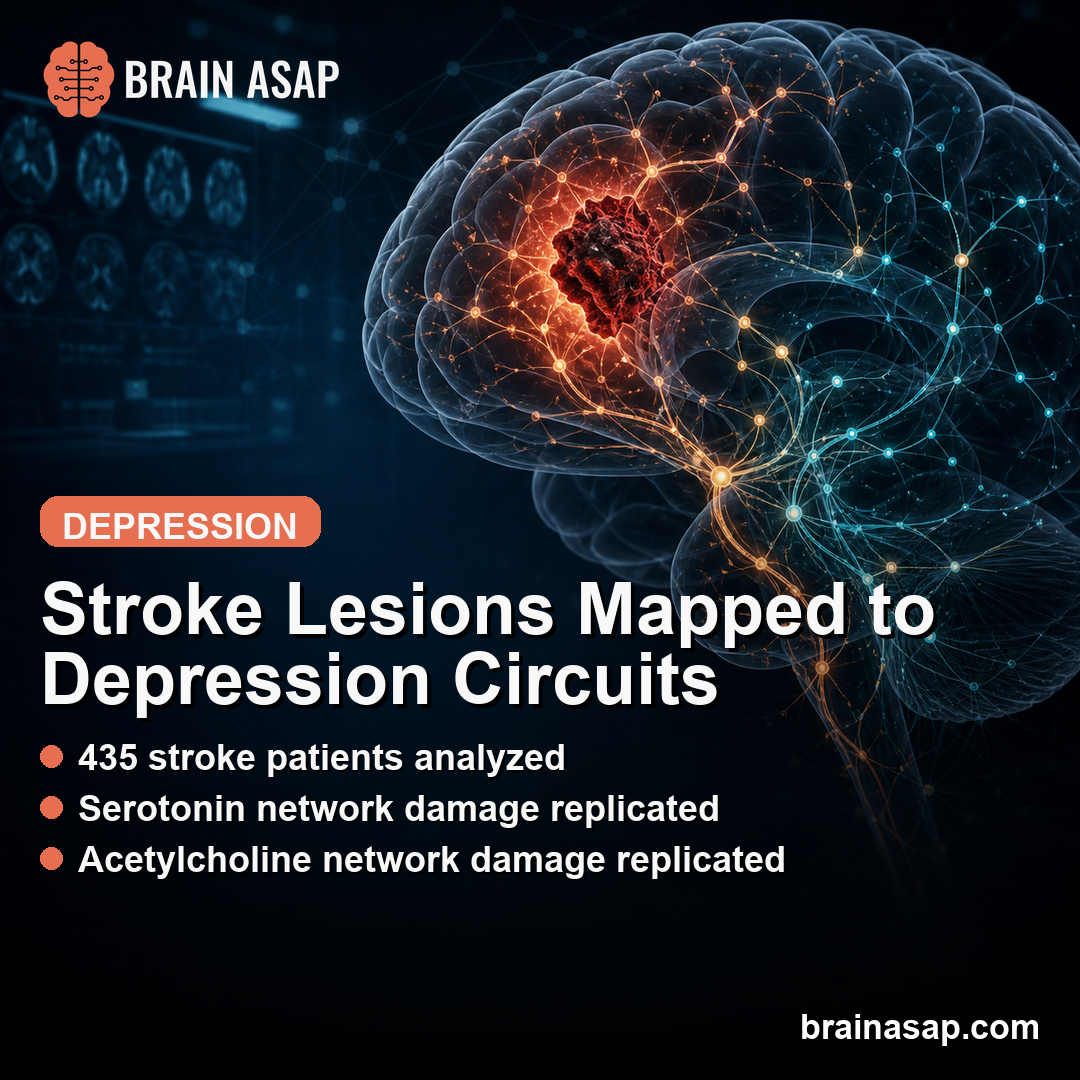
Post-Stroke Depression Linked to Serotonin and Acetylcholine Network Damage

Post-Stroke Depression Linked to Serotonin and Acetylcholine Network Damage

TL;DR: A 2026 medRxiv preprint linked post-stroke depressive symptoms to stroke damage in serotonin-transporter and acetylcholine-transporter weighted brain networks, suggesting depression risk after stroke may depend partly on which neurochemical circuits a lesion disrupts. Key Findings 435 stroke patients analyzed: Researchers combined two independent cohorts, Leipzig and Oxford, after exclusions for missing clinical variables and …

Read more

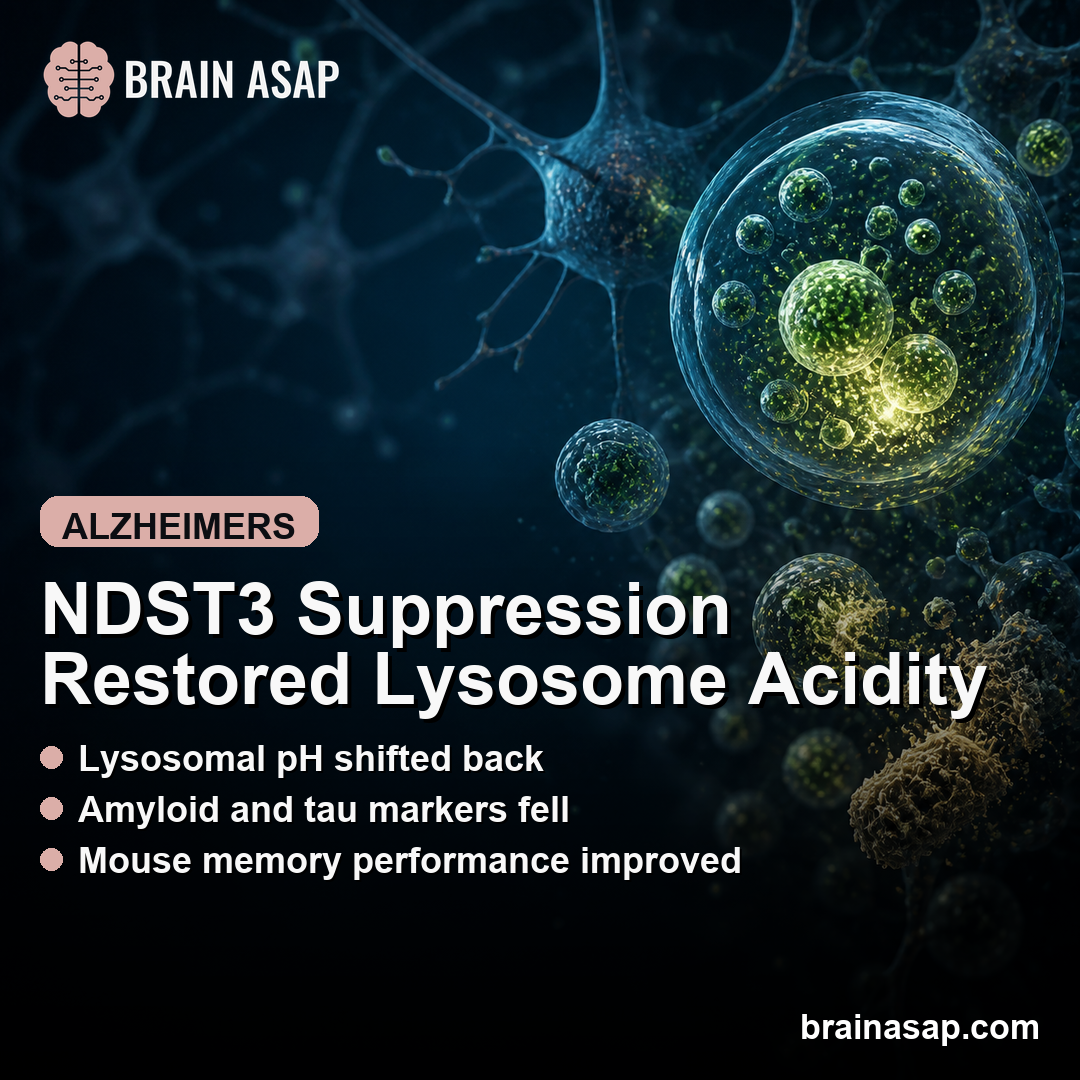
NDST3 Suppression Restored Lysosomal Acidification in Alzheimer’s Models

NDST3 Suppression Restored Lysosomal Acidification in Alzheimer’s Models

TL;DR: A 2026 study in Translational Neurodegeneration found that reducing NDST3, a microtubule deacetylase that affects lysosome acidity, restored lysosomal acidification and reduced amyloid-beta and tau pathology in Alzheimer’s cell and mouse models. Key Findings Lysosomal pH shifted back: APP695Swe-overexpressing HT22 cells had lysosomal pH near 5.6, while Ndst3 knockdown lowered it to less than …

Read more

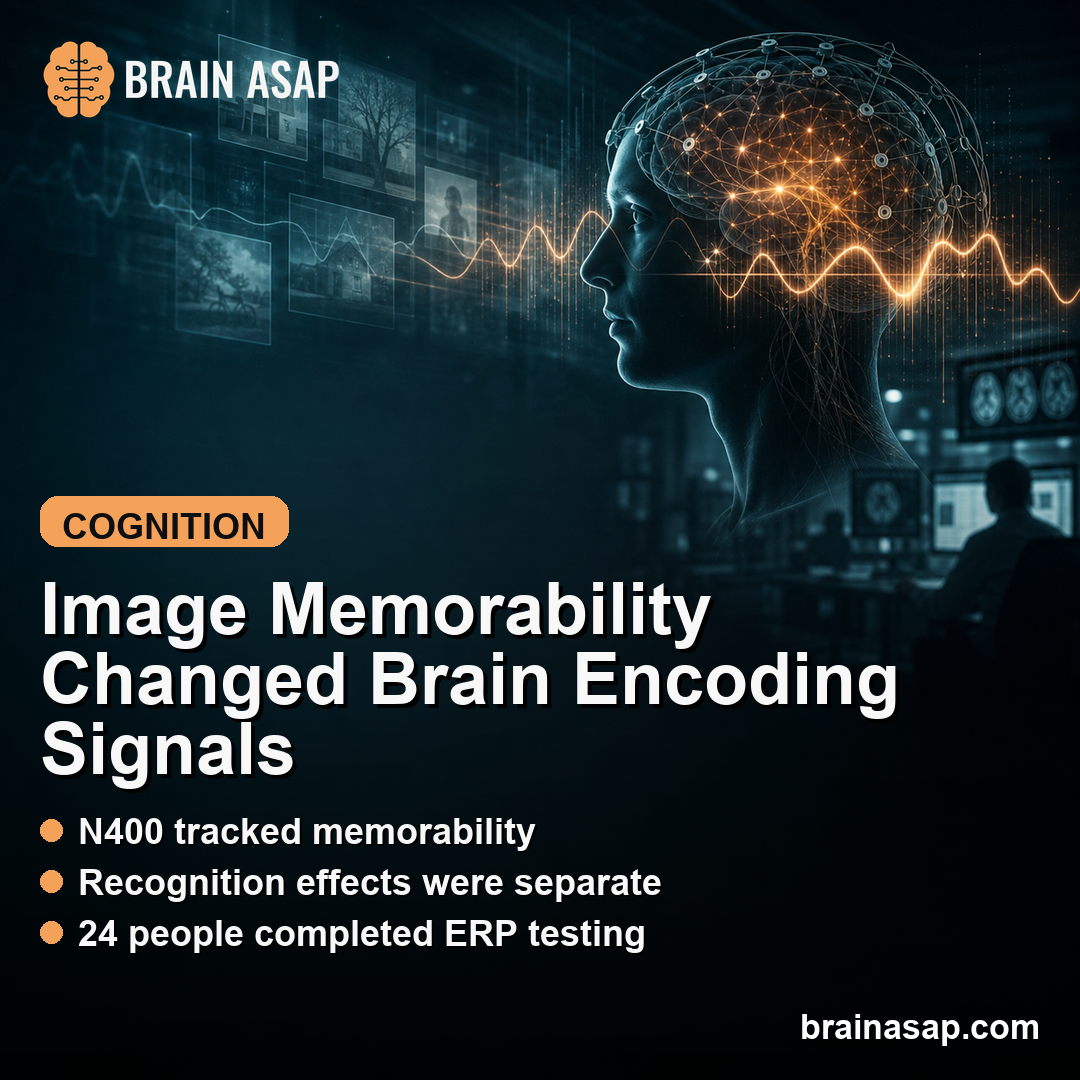
Image Memorability Predicted N400 Encoding Signals More Than Recognition

Image Memorability Predicted N400 Encoding Signals More Than Recognition

TL;DR: A 2026 study in Cognitive, Affective, & Behavioral Neuroscience found that image memorability, the stable tendency of an image to be remembered across people, predicted N400 brain responses at encoding even after later recognition success was modeled. Key Findings 24 analyzed participants: Researchers recorded event-related potentials (ERPs), scalp-measured brain responses time-locked to image viewing, …

Read more

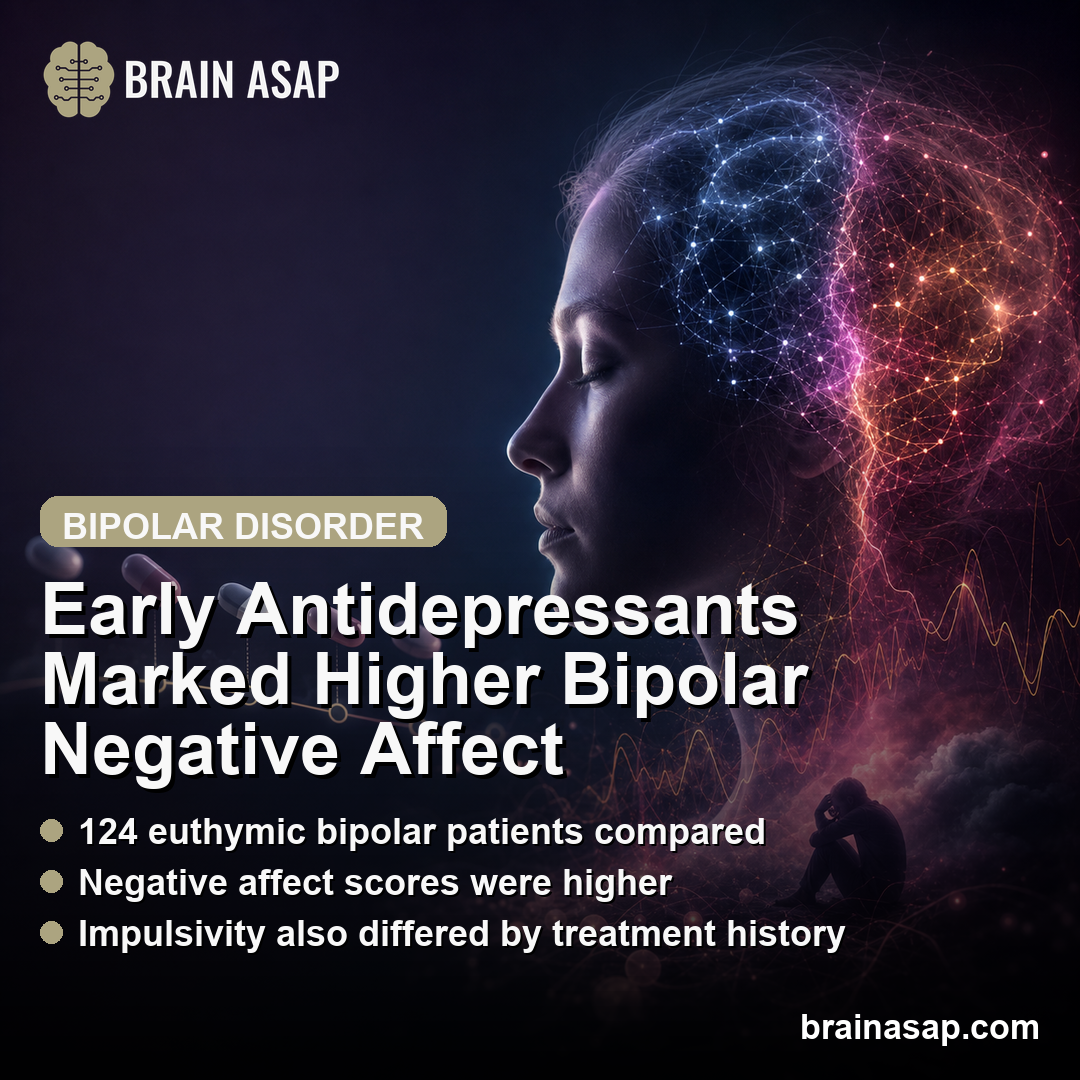
Early Antidepressant Treatment Linked to Higher Negative Affect and Impulsivity in Bipolar Euthymia

Early Antidepressant Treatment Linked to Higher Negative Affect and Impulsivity in Bipolar Euthymia

TL;DR: A 2026 cross-sectional study in PLOS One found that euthymic bipolar disorder patients with early systematic antidepressant treatment had higher negative affect and higher attentional, non-planning, and total impulsivity scores than matched patients without that early antidepressant history. Key Findings 124 bipolar patients studied: Researchers compared 62 patients with early systematic antidepressant treatment and …

Read more

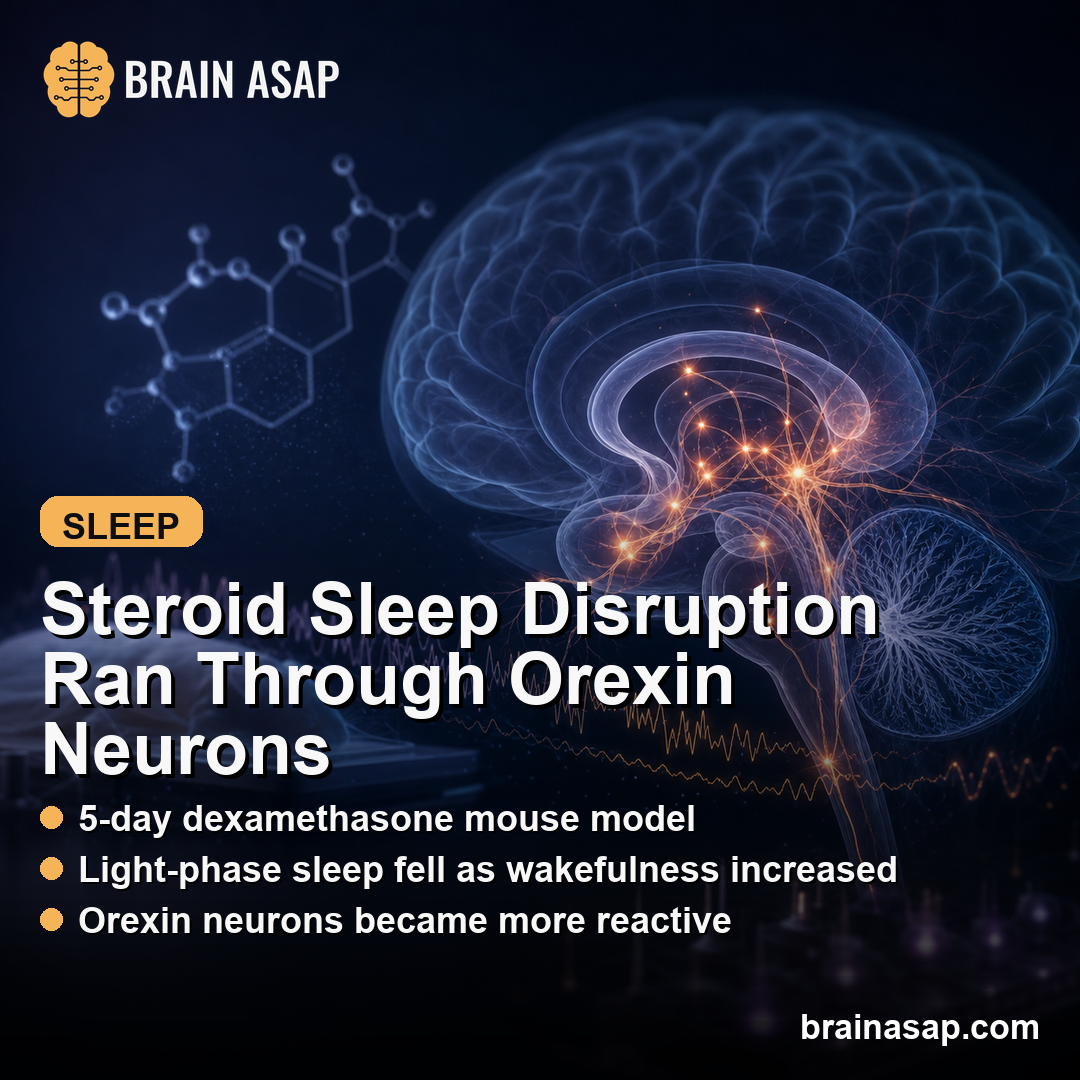
Dexamethasone Disrupted Mouse Sleep Through Orexin Activation

Dexamethasone Disrupted Mouse Sleep Through Orexin Activation

TL;DR: A 2026 mouse study in Psychopharmacology found that repeated dexamethasone, a synthetic glucocorticoid steroid, disrupted light-phase sleep and increased orexin-neuron activity, a wake-promoting hypothalamic signal, during sleep-to-wake transitions. Key Findings 5-day steroid model: Male C57BL/6J mice received dexamethasone at 30 mg/kg for 5 days before 24-hour sleep recording. Light-phase sleep was disrupted: Dexamethasone increased …

Read more

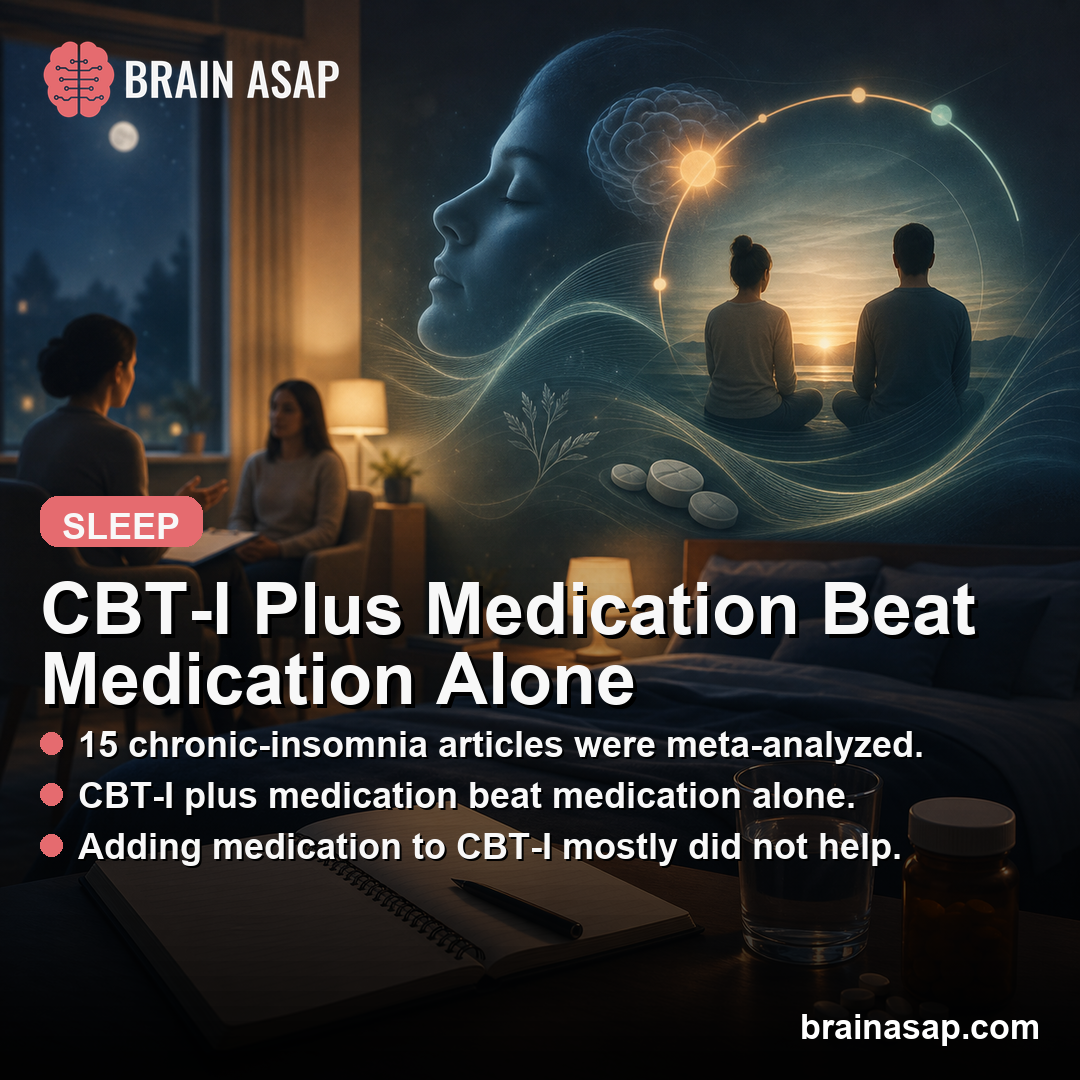
CBT-I Plus Medication Improved Chronic Insomnia More Than Medication Alone

CBT-I Plus Medication Improved Chronic Insomnia More Than Medication Alone

TL;DR: A 2026 systematic review in Journal of Clinical Sleep Medicine found that cognitive behavioral therapy for insomnia (CBT-I), a structured behavioral sleep treatment, plus sleep medication improved chronic insomnia more than medication alone, but adding medication to CBT-I did not improve the critical insomnia outcomes. Key Findings 15 analyzable articles: Researchers screened 1,179 articles, …

Read more